


Inlaid Floral Marquetry
Inlaid floral marquetry brings together centuries of timber work where detailed botanical scenes take shape across tables, desks and cabinets.
Inlaid Floral Marquetry
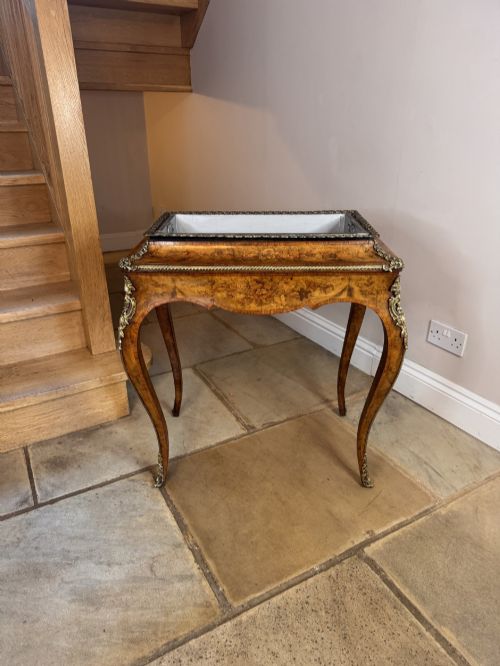
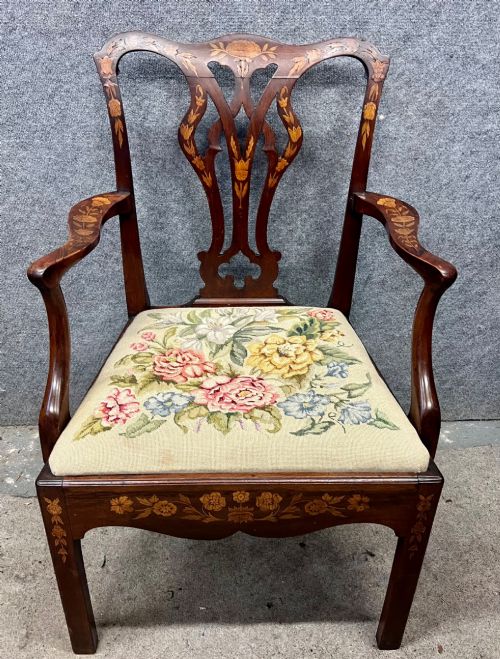
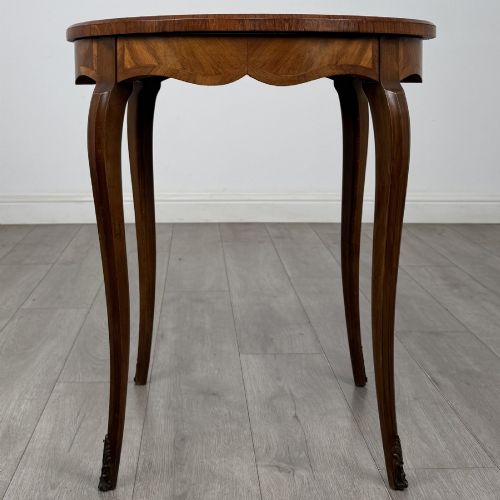
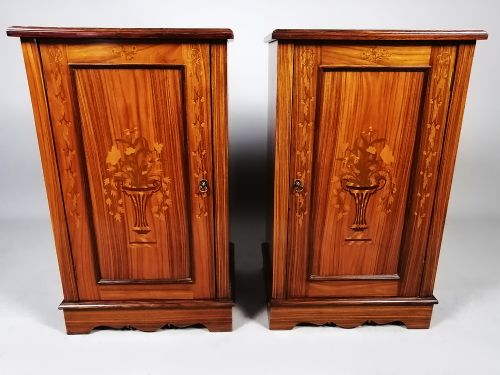
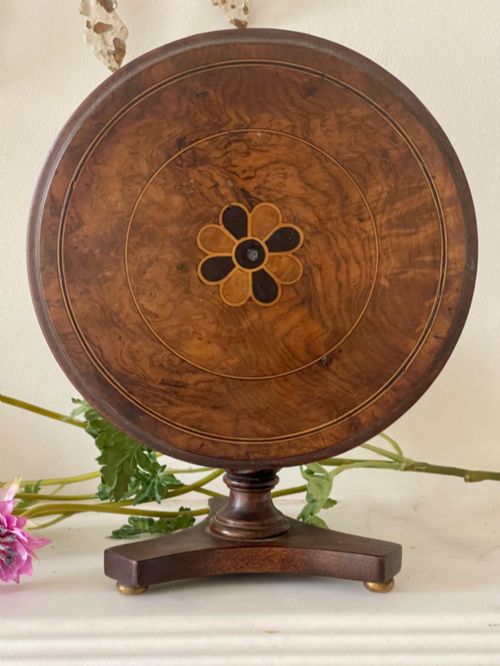
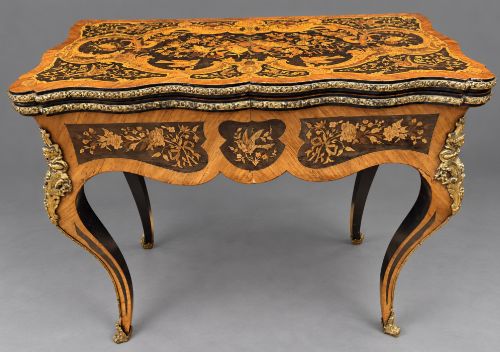
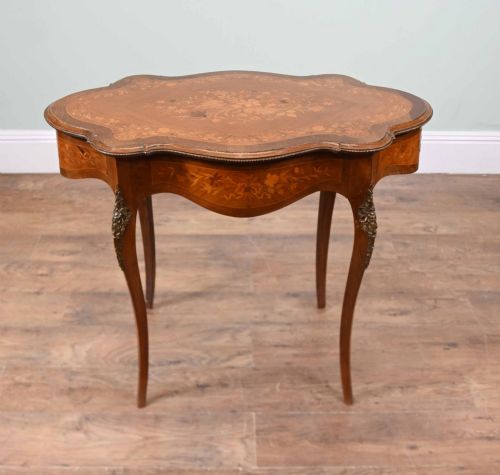
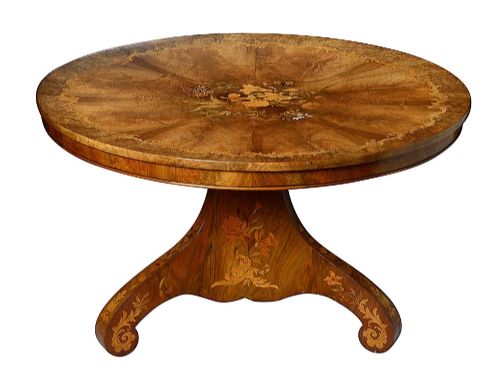
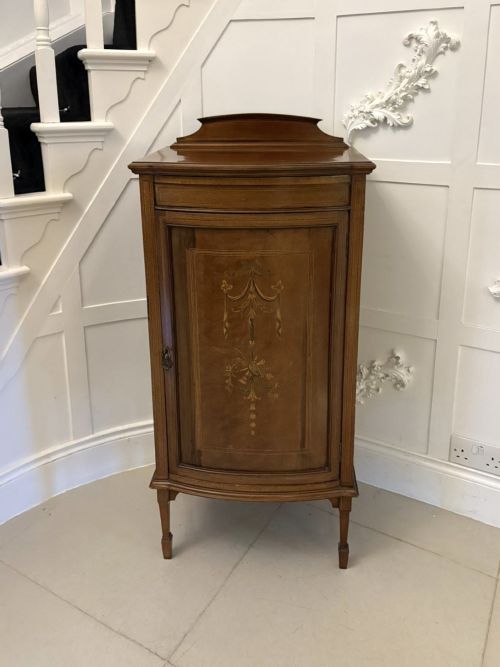
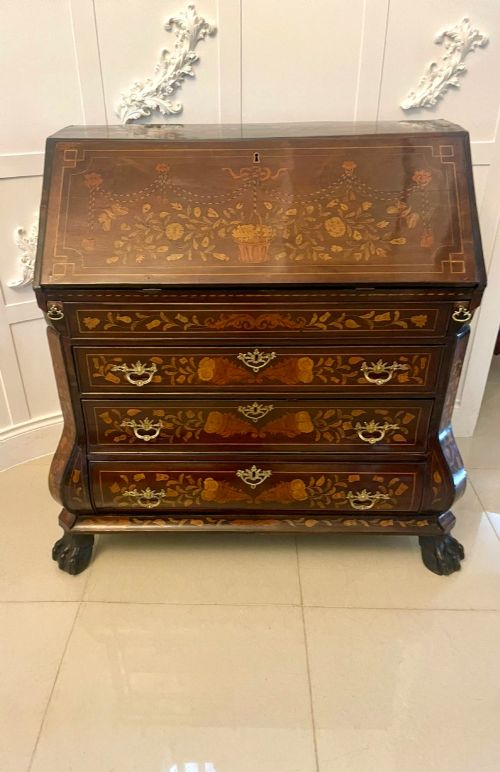
Inlaid floral marquetry describes furniture and decorative items adorned with precise wood veneers cut to form botanical motifs. Pieces span the seventeenth century through to the Edwardian era, with eighteenth-century Dutch walnut bureaus and nineteenth-century French centre tables appearing frequently.
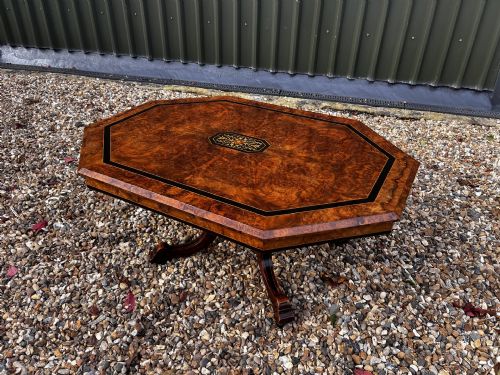
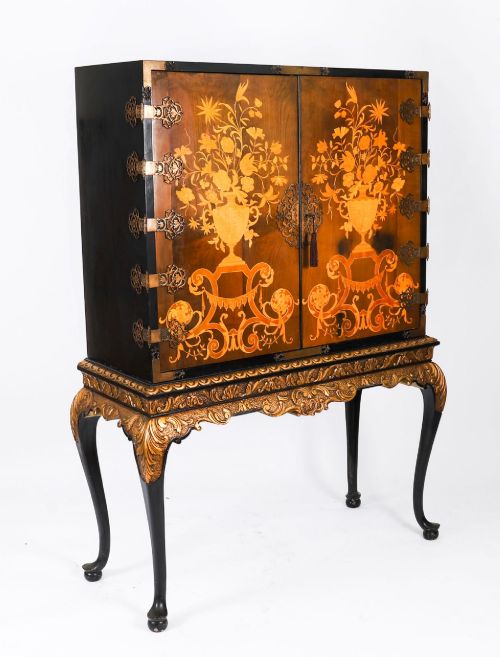
Forms range widely from occasional tables and card tables to large display cabinets, commodes and bureau bookcases. Buyers encounter walnut, mahogany and burr walnut carcases embellished with contrasting woods that delineate petals, leaves and stems.
How they were made
Craftsmen built these items using solid carcases of oak, pine or walnut, applying fine veneers over the primary surfaces. Fruitwood, boxwood and bone were sliced thinly and assembled into intricate floral patterns before being glued into recessed channels or onto the main board.
Cabinetmakers utilised scroll saws to cut multiple veneer layers simultaneously, allowing contrasting timbers to fit together snugly like a jigsaw puzzle. Final smoothing, polishing with wax or shellac, and occasional brass mounts or ormolu completed the construction.
Inlaid Floral Marquetry Retail Price Guide 2026
Typical asking prices for inlaid floral marquetry among the pieces listed under this phrase on Sellingantiques today, from the lower quarter to the upper quarter. They describe what is for sale here now, not the wider market.
Prisoners-of-war passed the time by turning straw into shimmering marquetry workboxes.
What varies in quality
The sophistication of the botanical drawing and the precision of the veneer joints dictate the tier of a piece. Finer examples display subtle shading within leaves and petals achieved by scorching veneer edges in hot sand.
The choice of secondary woods and the depth of the burr walnut or mahogany ground also separate standard production from exhibition pieces. Original mounts, intact internal fittings and minimal veneer lifting preserve the integrity of superior items.
Edward Holmes Baldock·Hewetsons London
The Inlaid Floral Marquetry Glossary
- Marquetry
- Decorative veneer work forming pictures or patterns on a furniture carcase. Craftsmen cut thin sheets of wood and fitted them together rather than carving the solid timber.
- Bombe
- A swollen or bulging convex shape found on the front and sides of eighteenth-century furniture. This curved profile requires specialised shaping of both the frame and the veneer.
- Ormolu
- Gilded bronze mounts applied to furniture, particularly popular in French designs. These metal elements frame panels and protect vulnerable corners.
- Burr walnut
- Timber taken from a tree growth featuring swirling, irregular grain patterns. It provides a highly decorative and textured background for floral inlays.
- Bureau bookcase
- A writing desk with a sloping fall-front combined with upper shelving enclosed by doors. These large storage pieces often display extensive marquetry across multiple surfaces.
Inlaid Floral Marquetry: Frequently Asked Questions
How do I clean marquetry furniture?
Dust surfaces gently with a soft, dry cloth to prevent particles from settling in veneer crevices. Avoid harsh chemical sprays and excessive moisture which can loosen old glue beneath the inlays.
Apply a microcrystalline wax periodically to nourish the wood and protect the polish. Gentle buffing maintains the sheen without wearing down delicate fruitwood details.
Can I use a marquetry table daily?
Occasional tables and desks tolerate normal everyday use provided simple precautions are taken. Placing coasters underneath hot cups and protecting surfaces from direct sunlight prevents fading and veneer damage.
Heavier items like bureau bookcases and display cabinets function primarily as storage and focal points. Keeping them away from direct heat sources ensures the timber carcase does not warp or crack.
How do I spot replacement veneer?
Examine the consistency of the grain patterns and look for variations in colour under natural light. Repairs often show slight gaps around the edges where replacement pieces were inserted later.
Original floral marquetry ages uniformly alongside the surrounding timber. Mismatching wood species or modern synthetic glues under magnification indicate later restoration work.
What defines Dutch marquetry style?
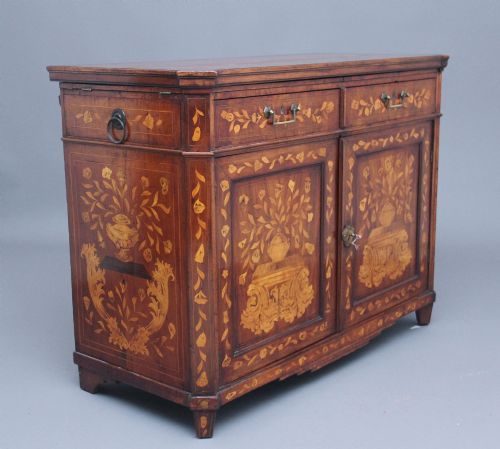
Dutch pieces typically feature exuberant floral bouquets overflowing with tulips, roses and foliage across dark walnut grounds. The arrangements often include birds, insects and elaborate scrolling stems covering every available surface.
Cabinetmakers in the Netherlands favoured high-contrast woods and dense, overlapping compositions. This distinct aesthetic separates Dutch work from more restrained English or French interpretations.