
Inlaid Bedroom Chest
An inlaid bedroom chest brings useful proportion and warm grain into a sleeping space, combining practical storage with precise cabinetwork.
Inlaid Bedroom Chest
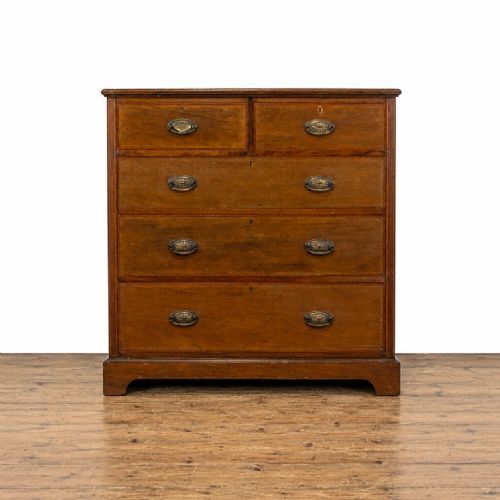
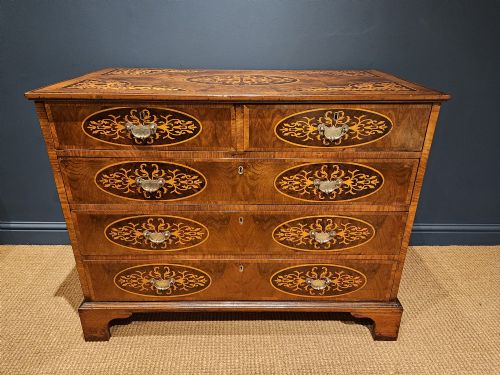
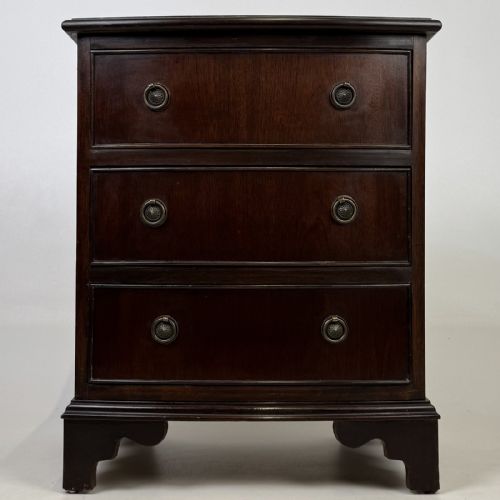
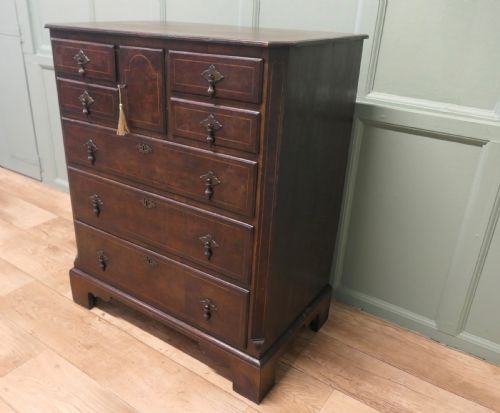
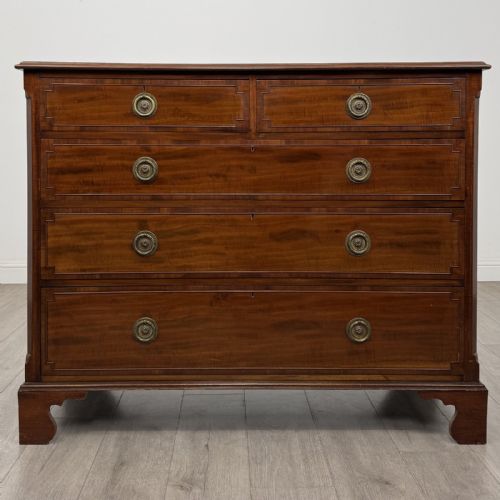
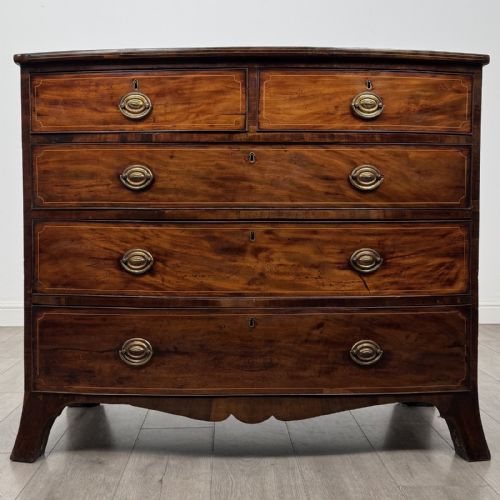
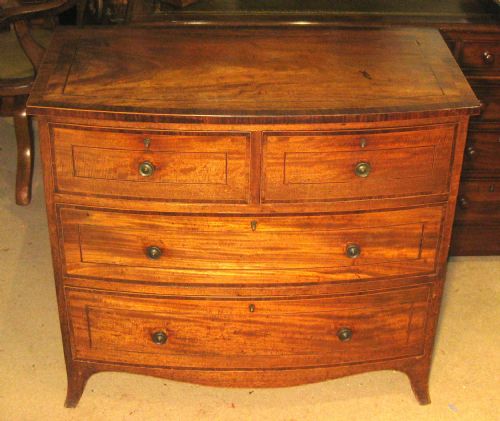
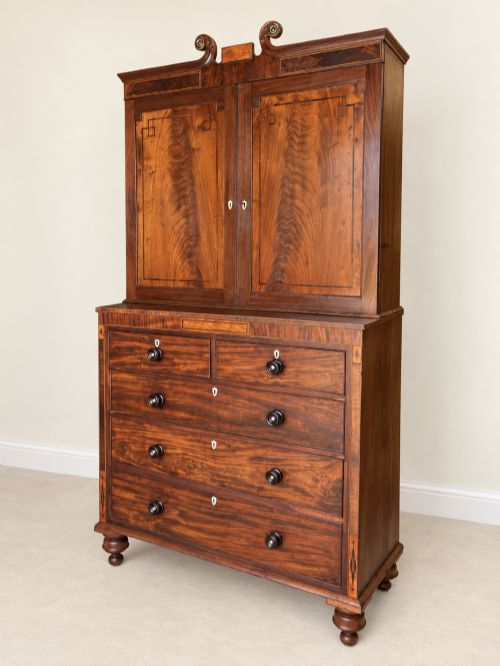
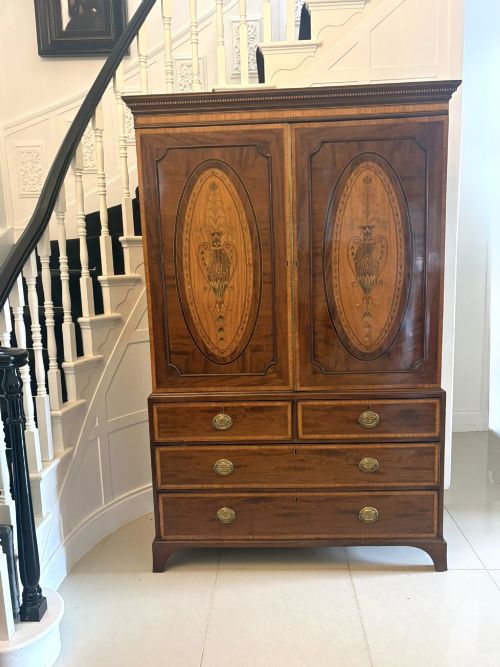
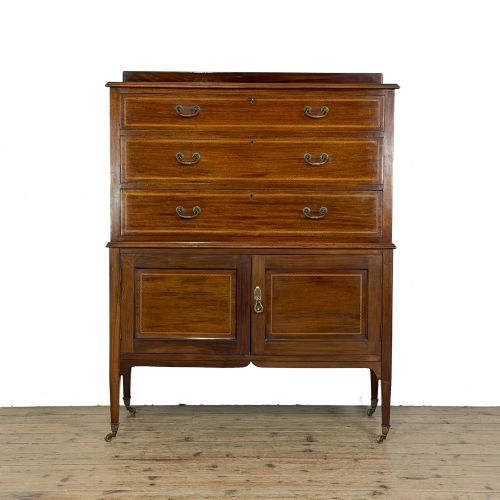
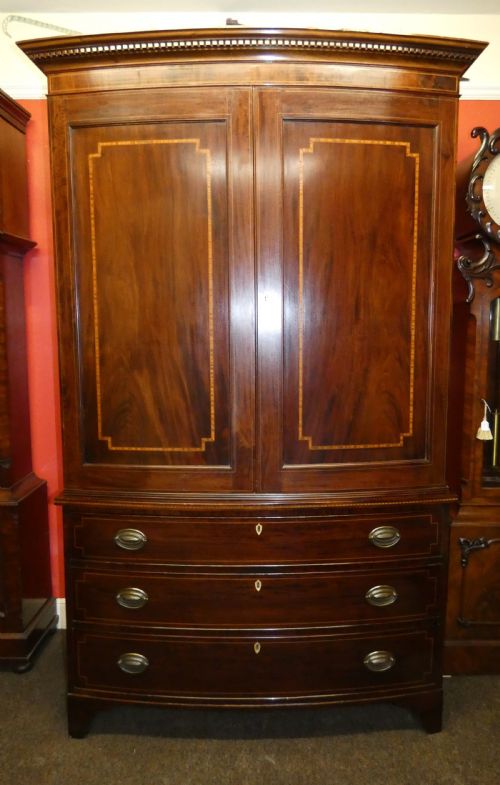
An inlaid bedroom chest encompasses several forms designed for domestic storage, spanning chests of drawers, tallboys, linen presses, and bedside tables. When searching for an inlaid bedroom chest, buyers encounter pieces originating from the eighteenth, nineteenth, and early twentieth centuries, covering Georgian, Victorian, Edwardian, and Regency periods.
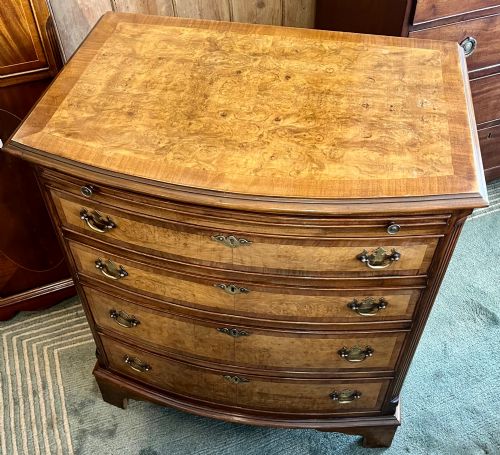
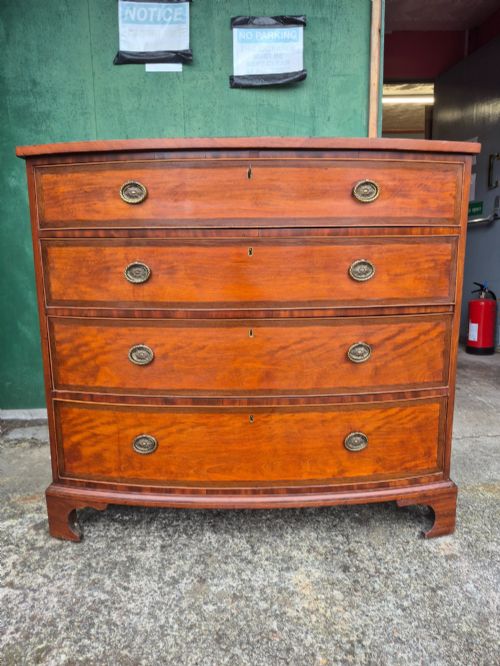
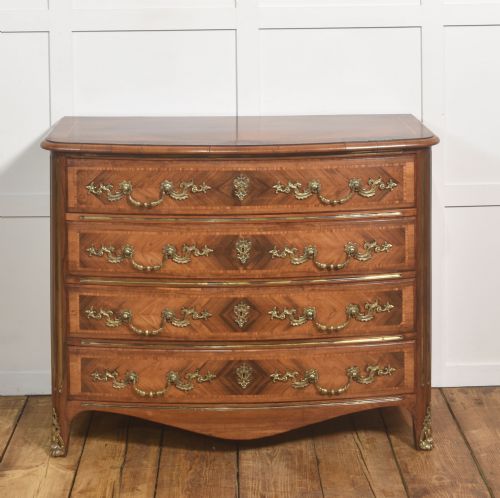
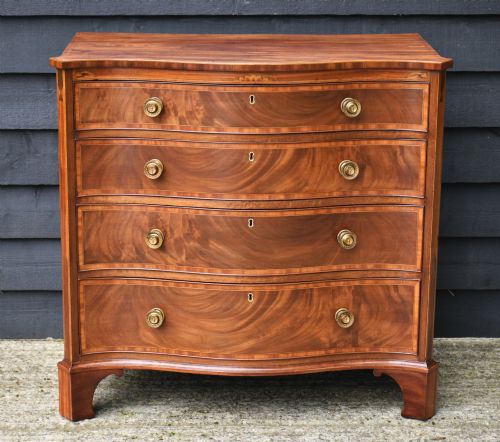
Mahogany and satinwood dominate the selection, frequently enhanced by boxwood and wood inlay, alongside occasional examples in oak, walnut, pine, and cherrywood. The designs range from compact bowfront and serpentine shapes to grand housekeepers wardrobes and tall chests.
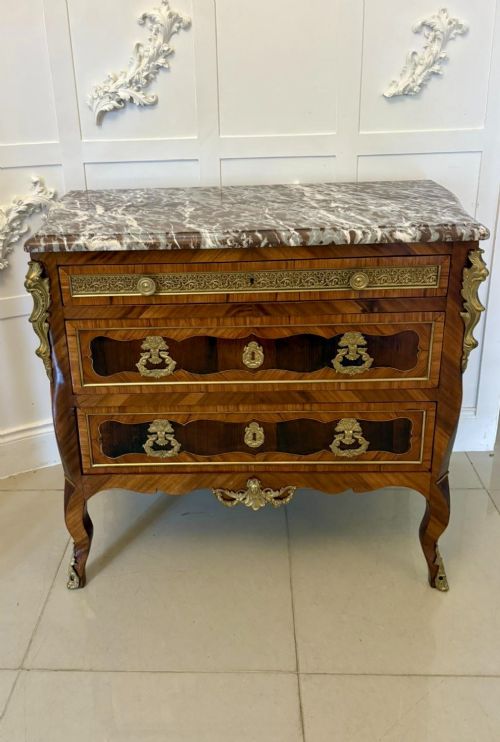
Georgian and Edwardian examples appear frequently, showing regional cabinet traditions from British workshops alongside continental interpretations such as French Louis XV style and North Italian commodes.
Materials and Construction Methods
Cabinetmakers built these carcases primarily using solid mahogany, oak, or walnut, applying fine veneers of satinwood or mahogany to expansive drawer fronts and top panels. Wood inlay and boxwood stringing were meticulously cut and fitted into hand-chased recesses to frame drawer edges and perimeters.
Secondary timbers such as oak or pine appear in drawer linings and carcase backs, reflecting period workshop practices. Brass hardware, including drop handles and escutcheons, was fitted by hand to secure operational longevity.
Listings feature mahogany, satinwood, oak, walnut, and boxwood across Georgian, Victorian, Edwardian, and Regency periods.
Factors That Determine Quality
Quality rests upon the crispness of the inlay work and the harmonious grain selection in the primary timbers, where tighter figuration commands attention. The precision of drawer dovetailing and the smooth movement of each drawer within its opening reveal the original maker's skill.
Proportion and structural integrity separate standard utility pieces from sophisticated cabinetwork, particularly in serpentine and bowfront profiles that demand advanced carpentry.
Druce & Co
The Inlaid Bedroom Chest Glossary
- Inlay
- A decorative technique where pieces of contrasting wood or other materials are inserted into a prepared recess on the surface of the carcase. This method creates flat ornamental patterns and borders across drawer fronts and tops.
- Bowfront
- A convex, curved cabinet front that swells outward toward the centre. This curved shape requires specialised joinery to maintain structural strength.
- Serpentine
- A shaped furniture front featuring a central convex curve flanked by concave sweeps, or vice versa. It demands high cabinetmaking skill to execute cleanly.
- Linen Press
- A tall storage piece comprising upper sliding shelves enclosed by doors, positioned above a chest of drawers base. Originally built for storing folded household linens.
- Tallboy
- A tall chest of drawers made in two stacked sections, providing generous vertical storage while occupying a modest floor footprint.
Inlaid Bedroom Chest: Frequently Asked Questions
What periods do these chests cover?
The pieces span multiple eras, beginning in the seventeenth century and extending through the Georgian, Regency, and Victorian periods into the Edwardian age and early twentieth century.
Each period introduced distinct stylistic preferences, ranging from early oak construction to refined satinwood and mahogany cabinetwork.
How were linen presses used?
Linen presses served as primary storage for household textiles, with upper sliding trays keeping sheets and tablecloths flat and accessible.
The lower drawers provided additional space for clothing within the bedroom or dressing room.
Where should I place a serpentine chest?
A serpentine chest functions effectively as a focal point in a bedroom or hallway, where its curved front catches changing ambient light.
Ensure adequate surrounding floor space to appreciate the sweeping profile without obstruction.
How do I identify boxwood stringing?
Boxwood stringing appears as thin, pale linear inlay framing drawer perimeters and panel edges to create visual contrast against darker mahogany or walnut.
Examining the border closely reveals the distinct pale density of the boxwood timber set flush into the primary surface.