





Industrial Safe Box
These heavy industrial safe box pieces are built to protect valuables with serious metalwork and robust locks.
Industrial Safe Box
When you search for an industrial safe box, you are looking at heavy metal storage containers designed for security and document protection. These objects originate from periods spanning the Victorian era through to the early twentieth century.
The most common examples on this page take the form of cast iron or steel strongboxes, deed boxes, and combination safes. They range from modest cash boxes to substantial workshop and merchant safes.
Origins represented in these listings include English, Scottish, and French workshops. Each piece reflects the robust utility and utilitarian design of its specific working environment.
How they were made
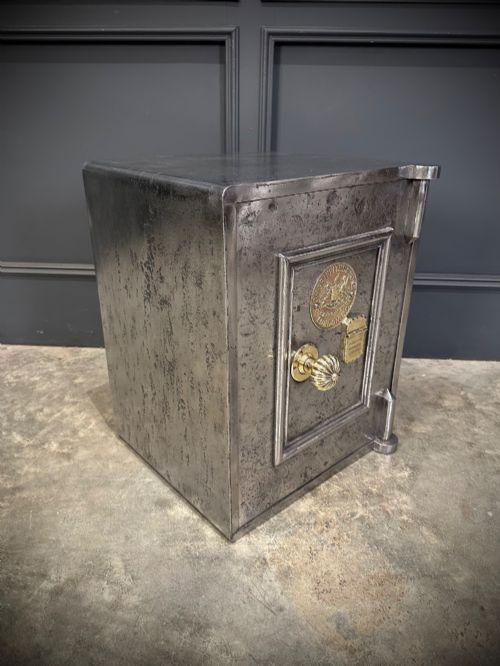
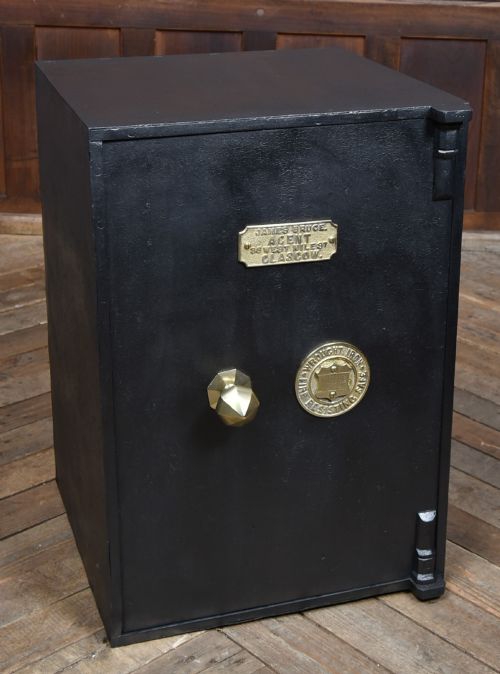
These items rely heavily on durable metals such as cast iron, wrought iron, sheet iron, and steel for their primary construction. Makers frequently incorporated brass for operational components like nameplates, hinges, and intricate locking mechanisms.
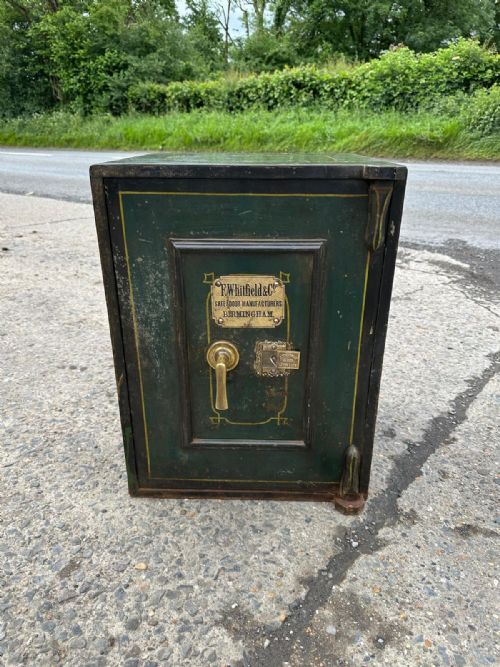
Surfaces often feature painted iron finishes or retained original paint that adds character to the industrial aesthetic. Construction techniques focus on structural strength, utilising heavy plate metal and secure internal locking bolts.
Industrial Safe Box Retail Price Guide 2026
Typical asking prices for industrial safe box among the pieces listed under this phrase on Sellingantiques today, from the lower quarter to the upper quarter. They describe what is for sale here now, not the wider market.
French makers fitted delicate three-dial combinations to heavy iron boxes, proving that even security could use a touch of continental flair.
What varies in quality
Quality in these metal containers depends upon the sophistication of the locking mechanism and the maker's reputation. Elaborate multi-dial combinations or signed brass maker plaques elevate an example above standard utility boxes.
The choice of materials and the thickness of the iron or steel plate dictate the overall substance of the piece. Superior examples retain their original painted surfaces and working keys in functional condition.
James Bruce Glasgow·F Whitfield And Co·Milners Of Liverpool·George Price
The Industrial Safe Box Glossary
- Strongbox
- A heavily reinforced metal box designed to secure valuables and currency against theft and fire. These are typically fitted with complex internal locks.
- Deed box
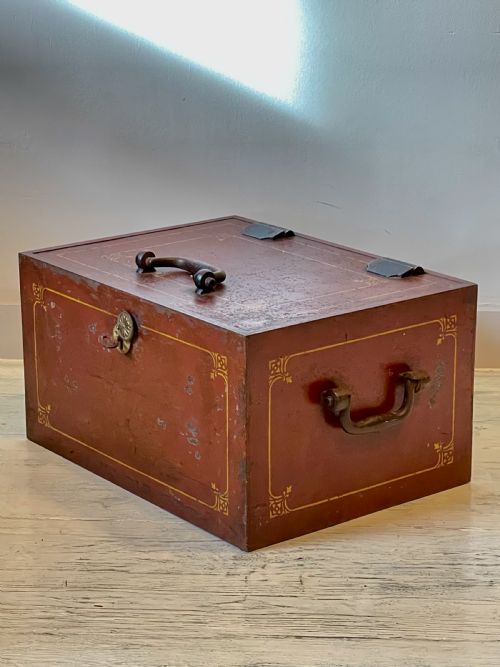
- A lidded metal chest used historically for storing legal documents, land deeds, and important papers. They often feature drop handles for transport.
- Cast iron
- An iron-carbon alloy poured into moulds to create rigid, heavy components with high compressive strength. It forms the body of many Victorian security boxes.
- Combination safe
- A security container unlocked by dialling a sequence of numbers or letters rather than using a traditional key. French workshops produced notable examples.
Industrial Safe Box: Frequently Asked Questions
What is an industrial safe box?
An industrial safe box is a heavy-duty metal container built during the nineteenth and early twentieth centuries to secure valuables, cash, and documents.
These pieces utilise robust materials like cast iron and steel, often featuring specialised locks and makers' badges from periods such as the Victorian era.
How were these metal boxes used?
Businesses, merchants, and goldsmiths used these secure containers to store ledger books, important deeds, and currency within offices or shops.
Smaller deed boxes and cash boxes served for portable storage, while larger floor safes remained stationary in commercial premises.
How do I date a safe box?
Dating relies on the construction materials, hinge styles, painted finishes, and any identifiable maker's nameplates fixed to the exterior.
Pieces from the Victorian period often display heavy cast iron moulding, whereas later twentieth-century examples frequently incorporate sheet steel and combination dials.
Are original keys usually included?
Some pieces retain their original working keys or functional three-dial combinations, while others require specialist attention to operate the locks.
Locks on these historic containers vary from simple lever mechanisms to complex proprietary systems designed by prominent nineteenth-century makers.