






Industrial Metal Stand
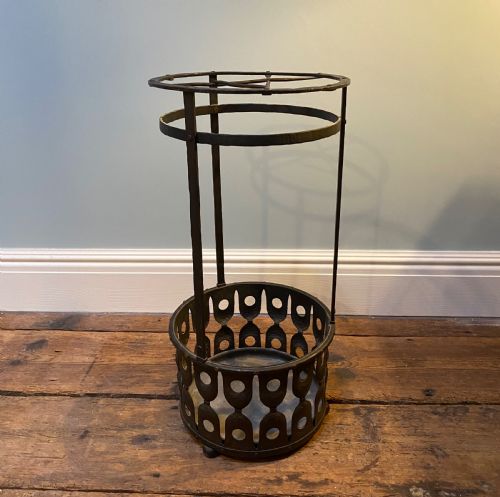
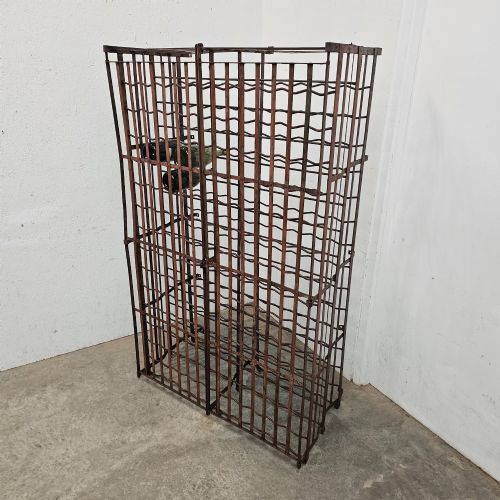
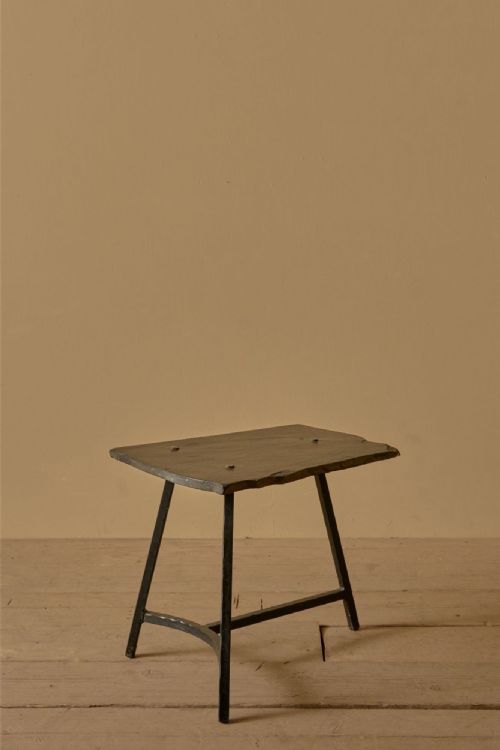
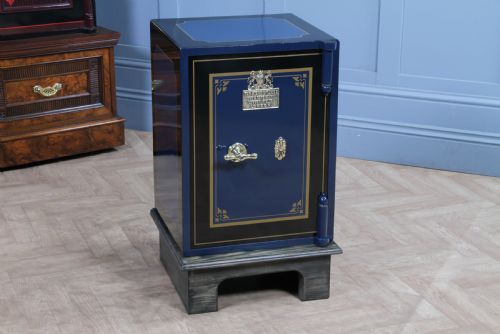
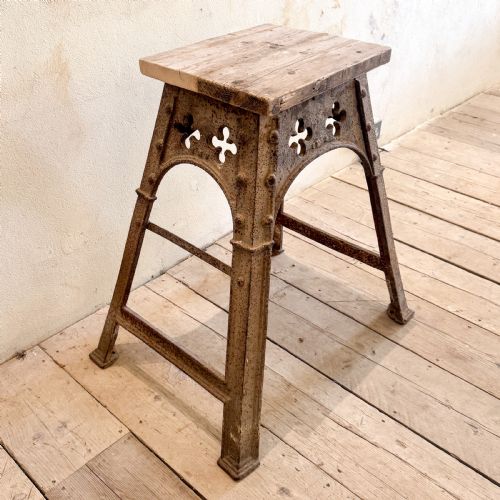
An industrial metal stand brings utilitarian character to a room, offering robust support through exposed rivets, heavy framing, and aged patinas.
Industrial Metal Stand
When searching for an industrial metal stand, buyers encounter a diverse selection of heavy-duty utility furniture originating from workshops, bakeries, and commercial premises across the nineteenth and early twentieth centuries. These items serve functional purposes through sturdy construction and unadorned utility, utilising materials that reflect heavy past deployment.
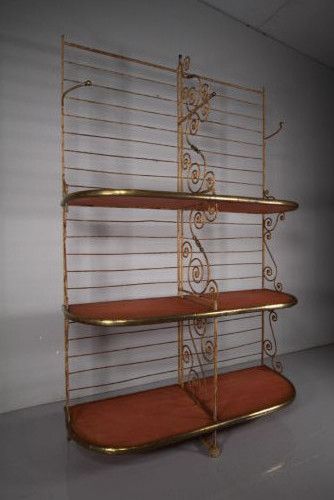
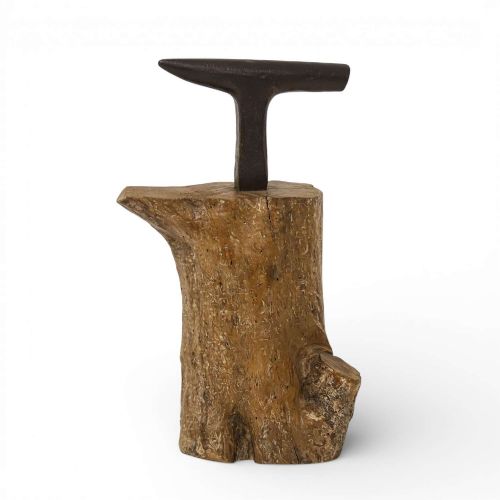
The most frequent examples on this page include baker's racks, shop display stands, and shelving units shaped by Victorian and Edwardian manufacturing methods. Common forms range from scroll-work iron bakery racks and field kitchen dressers to mounted anvils and searchlights.
Origins span British, French, and Scandinavian workshops, incorporating styles such as Victorian Industrial, French Country, and Rustic Farmhouse. Each piece demonstrates how heavy metalwork and timber integration answered practical workspace demands long before the aesthetic caught the eye of interior decorators.
How they were made
Construction relies heavily on forged and cast elements, utilising wrought iron, cast iron, and polished steel to build rigid frames capable of enduring workshop friction. Blacksmiths and metalworkers shaped structural supports by hand or through early industrial methods, fastening components with rivets and iron bands.
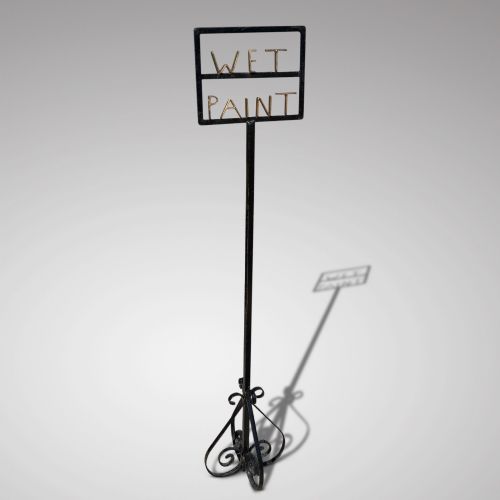
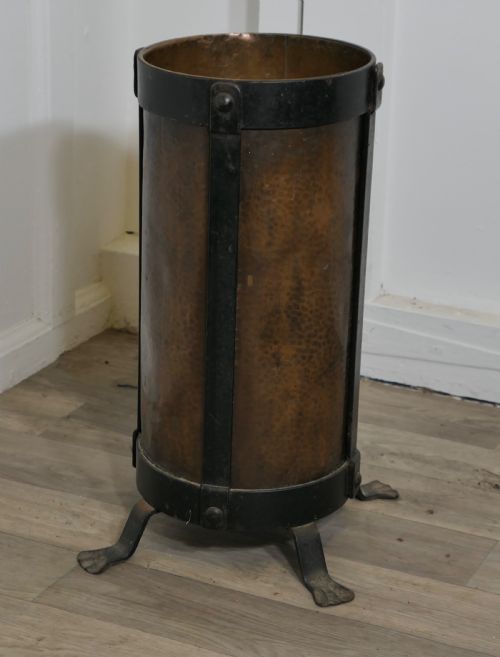
Secondary elements often incorporate fruitwood, general timber, and glass, adding contrast to the dominant metallic structures. Surfaces frequently reveal the evidence of past utility through wet paint traces, copper bindings, and distressed finishes acquired over decades of operational service.
Industrial Metal Stand Retail Price Guide 2026
Typical asking prices for industrial metal stand among the pieces listed under this phrase on Sellingantiques today, from the lower quarter to the upper quarter. They describe what is for sale here now, not the wider market.
Listings span the nineteenth and early twentieth centuries, incorporating materials like fruitwood, copper, cast iron, and polished steel across diverse forms.
What varies in quality
Quality differences emerge in the integrity of the original joins, the weight of the metal stock, and the preservation of the authentic surface patina. Heavier gauge iron and steel frameworks display superior structural resilience compared to lighter, more decorative adaptations.
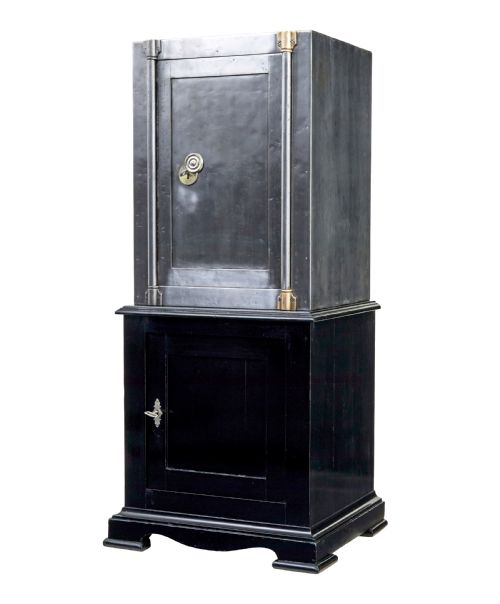
The presence of maker stamps, manufacturer plates, or specific regional assembly characteristics elevates a piece beyond standard utility. Pieces retaining their original configuration - such as unaltered baker's racks or fully restored heavy safes - maintain stronger historical coherence.
The Industrial Metal Stand Glossary
- Wrought iron
- Iron that has been heated and shaped with tools by a blacksmith, recognised by its fibrous texture and resilience. It provides the structural backbone for many historical baker's racks and sign frames.
- Cast iron
- Iron poured into a mould to produce complex shapes, known for its high compressive strength and rigidity. It appears frequently in heavy bases and industrial stands.
- Boulangerie rack
- A French bakery shelving unit designed to cool bread and pastries, typically constructed from iron with multiple wire or slatted shelves. These stands bring significant French Country character to domestic spaces.
- Trench art
- Decorative or utilitarian items made by soldiers, prisoners of civilians from war debris and discarded military materials. Candlesticks created from shell casings are common examples of this resourcefulness.
- Vernacular piece
- An object built by local artisans or tradespeople for a specific practical function rather than following academic design rules. Farrier's anvils mounted on timber trunks fit directly into this category.
Industrial Metal Stand: Frequently Asked Questions
How do I clean an old metal stand?
Remove surface dust using a dry microfibre cloth and gentle brushing around rivets and joints. Avoid harsh chemical cleaners that strip away the historical patina built up over decades of use.
Apply a light microcrystalline wax to bare metal surfaces to protect against future moisture and oxidation without altering the aged appearance.
Can these stands support heavy kitchen items?
Most baker's racks and shelving units were engineered for demanding commercial environments such as French bakeries and field kitchens. Their robust iron and steel construction handles heavy cookware and crockery with ease.
Verify that timber or glass shelves are securely seated within the metal framework before loading heavier items onto upper tiers.
Are these pieces suitable for bathrooms?
Iron and steel stands adapt well to bathroom environments for storing towels and toiletries, provided the room has adequate ventilation. Unsealed or distressed metal can react to persistent moisture by developing active rust.
Check the surface condition regularly and treat any vulnerable areas with a protective clear wax coat to prevent damp damage.
How do I date an industrial metal stand?
Examine the fabrication techniques, such as the transition from hand-hammered wrought iron to machine-rolled steel structural members. Rivets, fastenings, and maker stamps often point to specific manufacturing eras between the mid nineteenth and early twentieth centuries.
Compare the stylistic details - such as Victorian scroll-work or Edwardian proportions - against documented examples from known period workshops and catalogues.