



Industrial Iron Console Table
An industrial iron console table brings robust utility and raw material honesty into a hallway or living space.
Industrial Iron Console Table
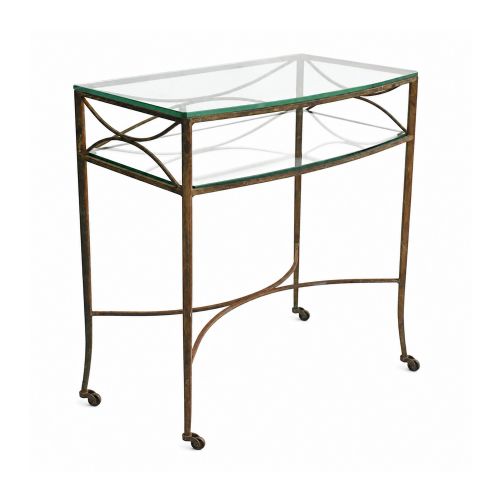
An industrial iron console table combines heavy metal bases with timber or stone surfaces, originating from utilitarian workshop, factory, and commercial contexts. These pieces span periods from the mid-nineteenth century through the 1930s, encompassing Victorian, Edwardian, and later iterations.
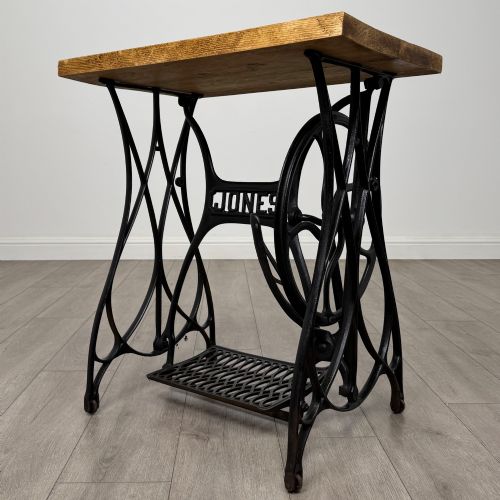
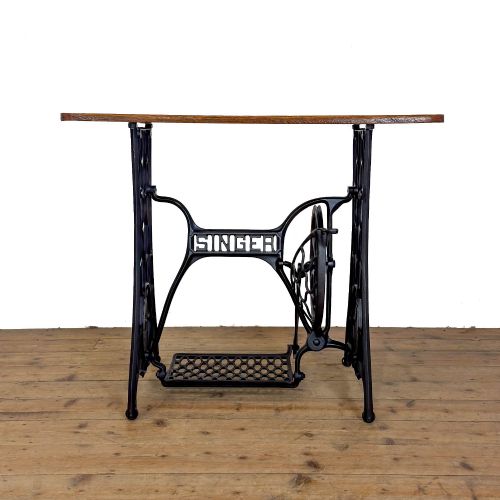
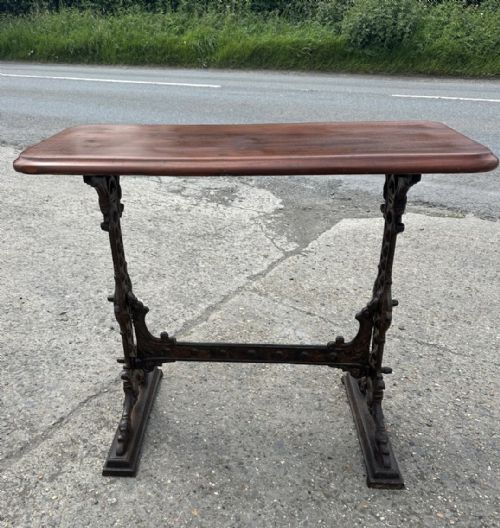
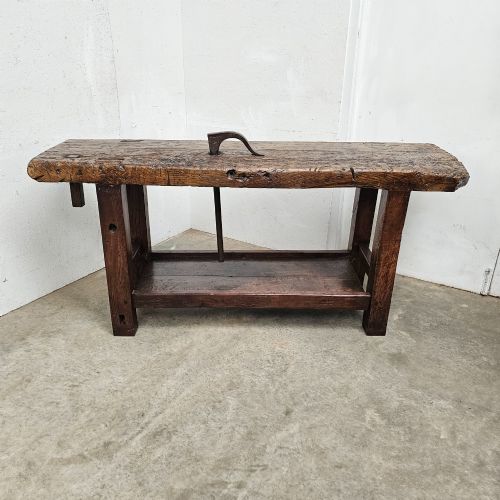
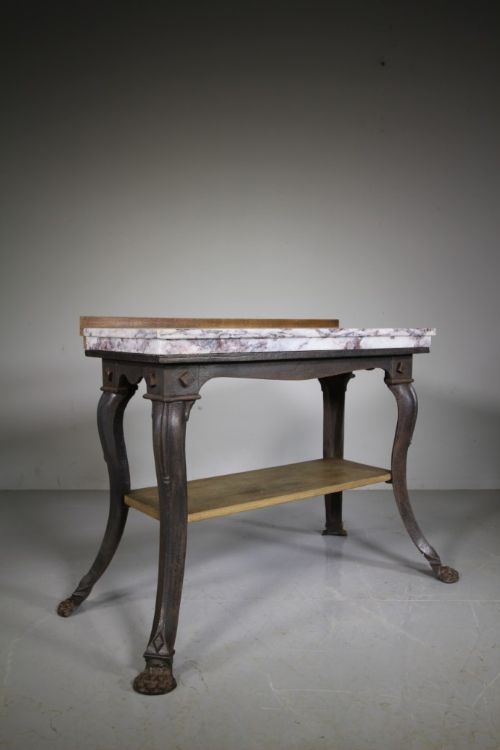
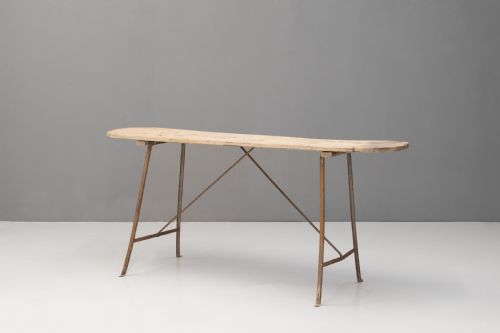
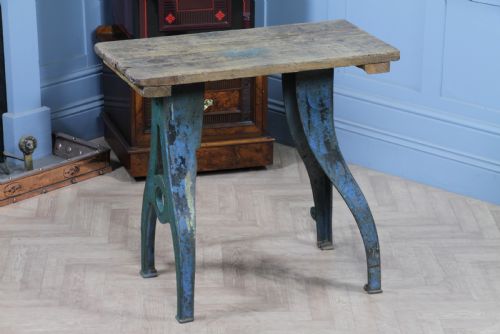
The primary forms found here include repurposed machine bases, workbenches, and pub tables adapted for domestic hallways and living rooms. Iron frames commonly support tops made from oak, pine, mahogany, or marble.
Construction and materials
The structural foundations rely heavily on cast iron and wrought iron, frequently utilising machine components, sewing machine bases, and foundry castings for robust support. These metal elements are paired with solid timber boards or stone slabs.
Wooden elements incorporate oak, pine, and mahogany, while certain pieces feature integrated vices, clamping bars, or folding metalwork mechanisms. Surface treatments range from unpainted patinated metal to timber tops finished with natural grain exposure.
Several tables retain their original sewing machine mechanisms or heavy artisan vices, ready to stitch or clamp long after the factory closed.
Assessing quality
Quality rests upon the integrity of the original construction, whether a piece originated as a dedicated commercial table or was later adapted from industrial machinery. Original pairing of base and top holds greater weight than subsequent combinations.
The substance of the materials used, such as dense marble slabs or thick oak and pine planks, dictates the enduring stability of the table. Fine casting detail on iron bases and uncompromised structural joinery separate superior examples from standard utility items.
The Industrial Iron Console Table Glossary
- Cast iron
- A strong, rigid iron-carbon alloy poured into moulds to create intricate machine bases and table legs. It provides immense weight and structural support.
- Console table
- A long, narrow table designed to stand against a wall, frequently placed in entrance halls or narrow passageways.
- Workbench
- A heavy-duty table used by artisans or craftspeople, typically featuring thick timber tops and integrated vices or clamping mechanisms.
- Pub table
- A tall or sturdy table designed for commercial hospitality use, combining durable metal framing with resilient wooden tops designed to withstand heavy daily wear.
Industrial Iron Console Table: Frequently Asked Questions
What is an industrial iron console table?
An industrial iron console table is a narrow furnishing built with a metal base, often sourced from nineteenth or early twentieth-century workshops, factories, or commercial spaces. These pieces combine heavy iron or cast-iron framing with timber or marble tops.
They serve as practical hallway or living room surfaces, bringing utilitarian character and sturdy construction into domestic interiors.
How do I style an industrial console table?
Place the table against a hallway or living room wall where its narrow profile allows for efficient use of space. Pair the metal and wood textures with simple ceramics, lamps, or books.
Keep surrounding decor complementary to the raw materials, letting the ironwork and aged timber remain the focal point of the arrangement.
Are these tables from the Victorian era?
Many examples date from the Victorian period, alongside Edwardian and 1920s pieces. Listings encompass items produced across the nineteenth and early twentieth centuries.
Checking the specific period details helps identify whether a piece originates from the mid-nineteenth century or later industrial phases.
What materials are used for the tops?
Table tops predominantly feature timber such as oak, pine, and mahogany, alongside solid marble slabs. Some variations incorporate reclaimed boards or specialised work surfaces.
Each material dictates the overall weight and visual character of the console, balancing the heavy iron base underneath.