

Indian Wooden Trunk
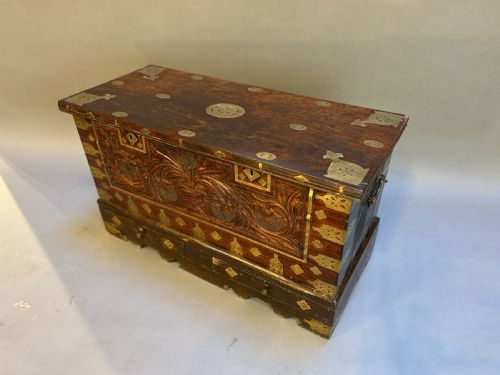
An indian wooden trunk provides robust storage with significant trade history, built in teak, camphor wood and padouk.

Indian Wooden Trunk
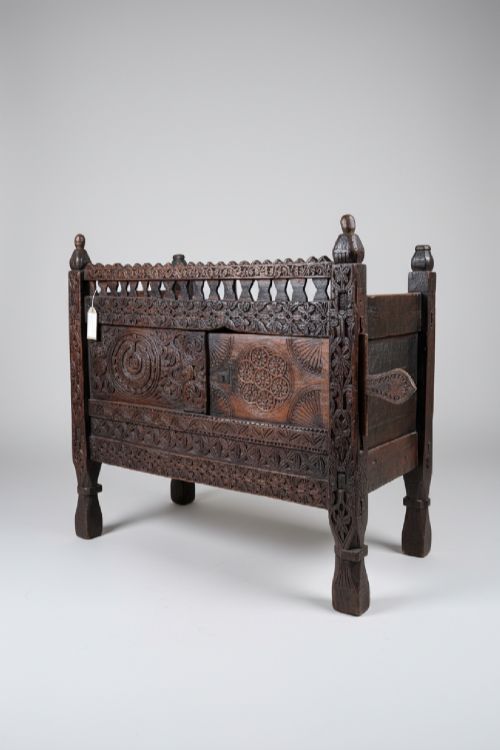
An indian wooden trunk spans utilitarian storage chests, dowry vessels and campaign boxes originating primarily from the nineteenth century. Buyers seek these pieces for their dense timber construction, metal binding and intricate surface decoration.
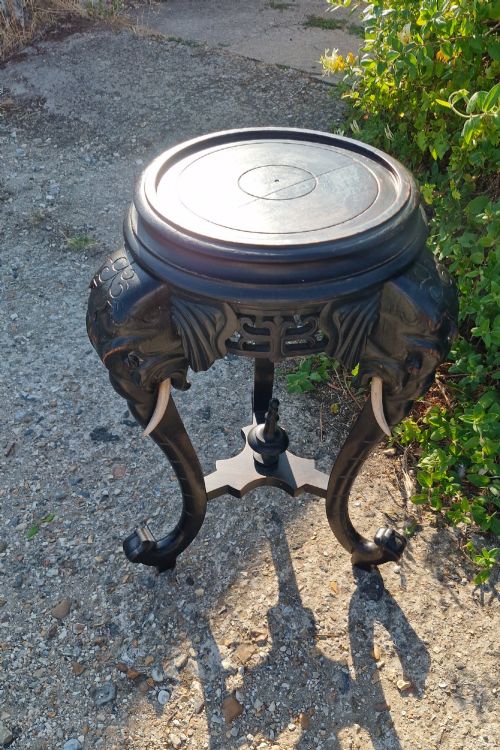
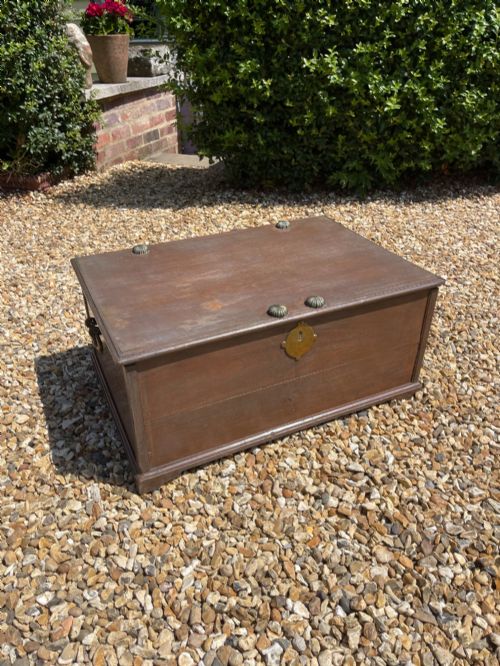
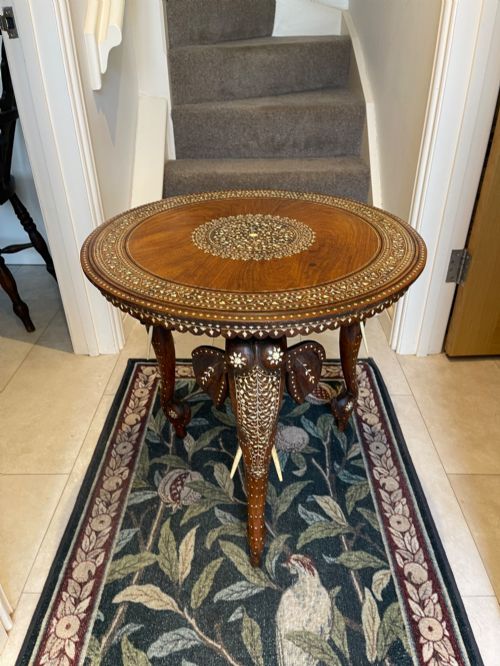
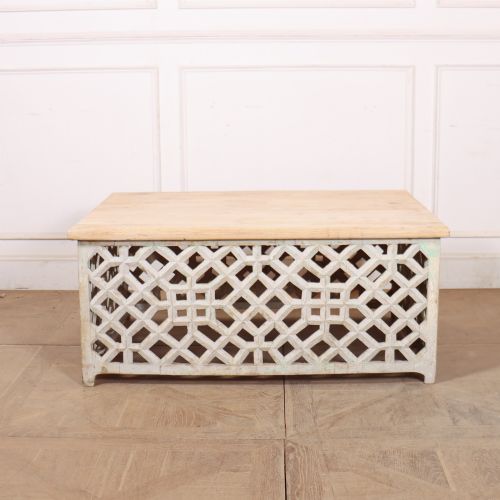
The selection here draws heavily from Anglo-Indian, Victorian campaign and traditional regional workshops. Examples range from heavy merchants chests to smaller blanket boxes and occasional tables shaped like elephants.
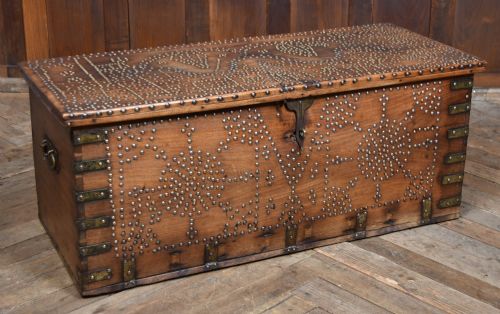
Teak, padouk and camphor wood dominate the material record, often paired with brass studs, iron bands and bone inlay. These forms reflect centuries of maritime trade and domestic marriage traditions across the subcontinent.
How they were made
Carpenters constructed these trunks using dense tropical hardwoods including teak, padouk, rosewood and camphor wood. These timbers resisted humidity and insect damage during long overland and sea journeys.
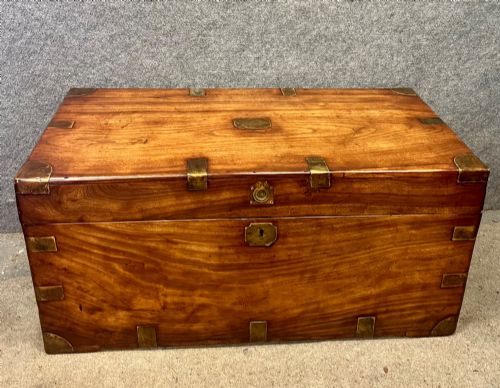
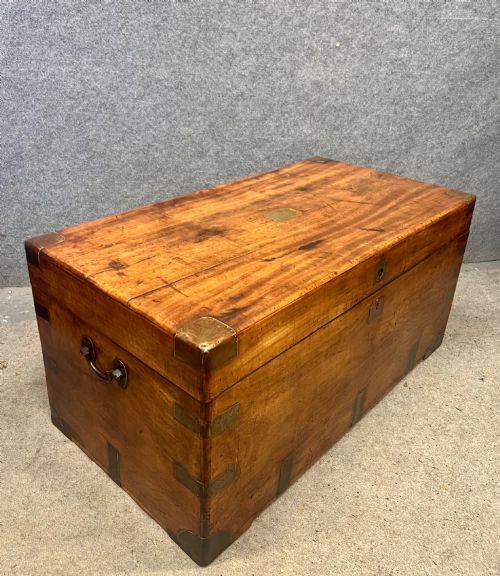
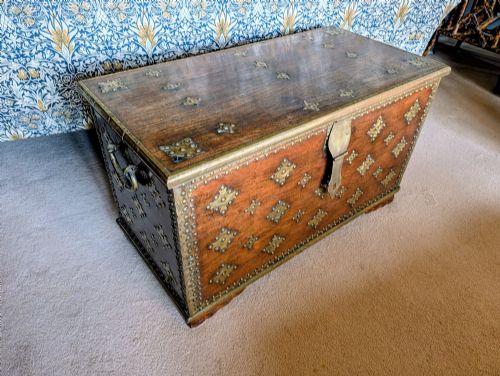
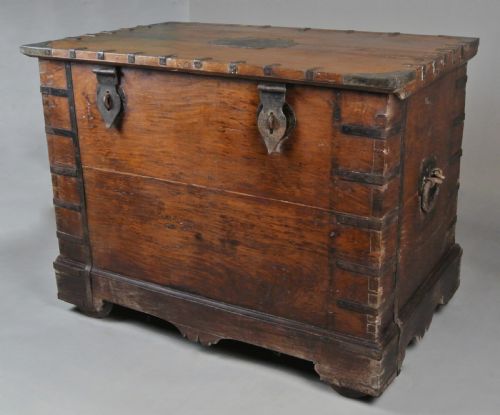
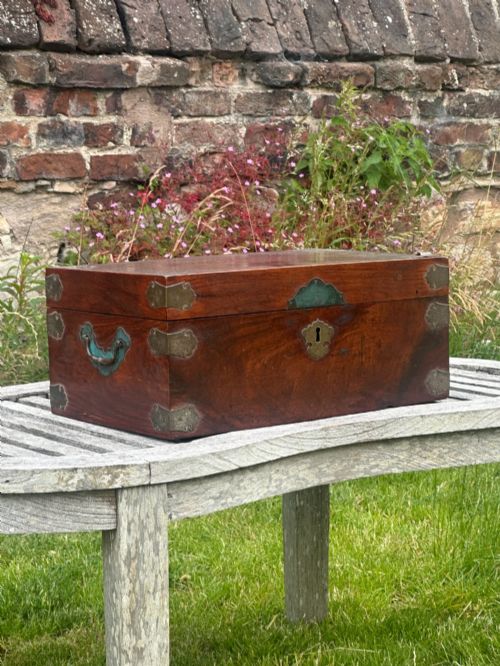
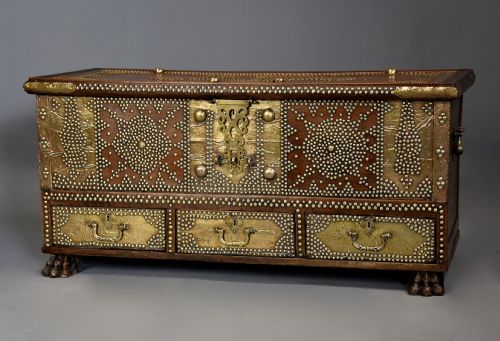
Metal reinforcement defined much of the production, utilising brass straps, decorative studwork and iron bands to secure the corner joints and lid edges. Campaign versions incorporated flush-fitting brass handles for transport by military officers and merchants.
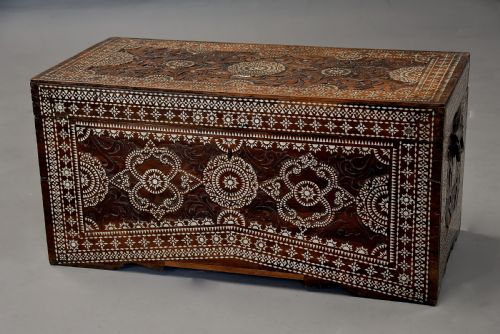
Surface ornamentation involved carved panels, bone inlay and mother of pearl work, particularly in pieces originating from workshops in Hoshiarpur, Bombay and Zanzibar.
Several occasional tables on this page feature painted wooden tusks attached to elephant head supports.
What varies in quality
The integrity of the primary timber and the original metal mountings separate standard storage boxes from exceptional examples. Heavy gauge brass binding and intact corner brackets indicate superior workshop execution.
The complexity of carved detail and inlay work marks the tier of a piece. Dense, crisp carving on panels and legs demonstrates skilled labour rather than hurried commercial production.
Original locks, hinges and carrying handles preserve the historical utility of a trunk. Altered hardware or replaced timber sections alter the standing of a piece within the field.
The Indian Wooden Trunk Glossary
- Campaign trunk
- A portable chest built with recessed brass handles and reinforced corners for transport during military or administrative travel. These pieces disassembled or packed efficiently for movement.
- Dowry chest
- A large ceremonial container made for a marriage settlement, often featuring heavy iron banding or intricate regional carving. Families used these to transport household textiles and valuables.
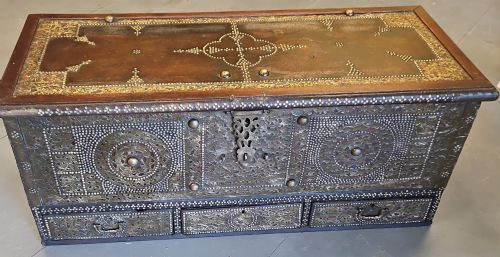
- Zanzibar chest
- A distinct form of trading chest characterised by heavy brass studding, strapwork and a secret compartment within the interior. These pieces travelled extensively along Indian Ocean trade routes.
- Damchiya
- A traditional low storage chest originating from Rajasthan, typically fitted with decorated doors or panels for domestic storage. They formed a central part of rural household furniture.
- Padouk
- A heavy, durable reddish-brown tropical hardwood utilised in maritime and campaign furniture for its dimensional stability. It finished with a deep lustre under traditional wax polishes.
Indian Wooden Trunk: Frequently Asked Questions
How do I date an indian wooden trunk?
Dating relies on construction methods, timber choice and the style of metal fittings. Nineteenth-century pieces typically show hand-cut joinery and heavy brass or iron binding.
Later examples from the early twentieth century often incorporate machine-cut elements and lighter decorative hardware.
What is the difference between a campaign trunk and a dowry chest?
Campaign trunks prioritised portability through flush brass handles and sturdy reinforced corners for travel. Dowry chests served ceremonial domestic functions with heavy iron banding and stationary storage designs.
Campaign versions emerged from military requirements, while dowry chests reflected regional marriage customs.
How should I maintain camphor wood and teak?
Maintain these timbers with periodic applications of natural beeswax to preserve the grain and prevent the wood from drying out. Avoid placing the pieces near direct heat sources or strong sunlight.
Camphor wood naturally retains its aroma, which requires no artificial enhancement.
Where were Zanzibar chests made?
Zanzibar chests were produced in western Indian workshops, particularly in the Bombay Presidency, before being shipped across the Indian Ocean to East Africa and the Middle East. Local craftsmen also assembled them in trading ports using imported Indian hardwoods.
Their defining brass studwork and strapwork reflect this maritime commercial exchange.