

Indian Wooden Furniture
Indian wooden furniture brings together intricate regional carvings and dense exotic timbers suited to both grand country houses and smaller reception rooms.
Indian Wooden Furniture
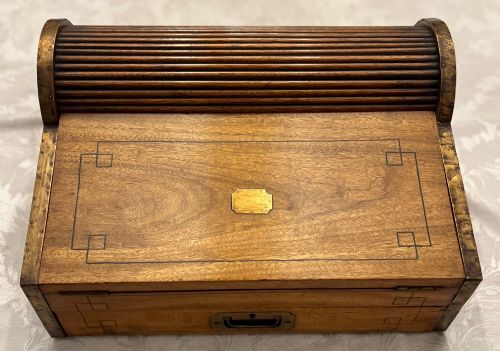
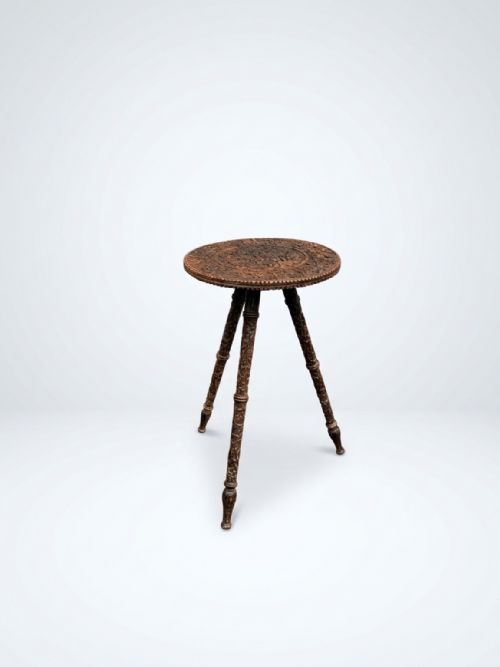
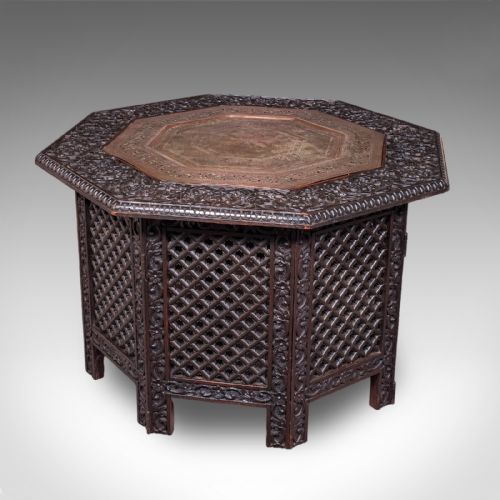
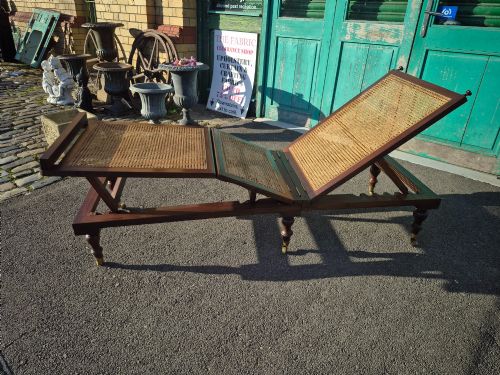
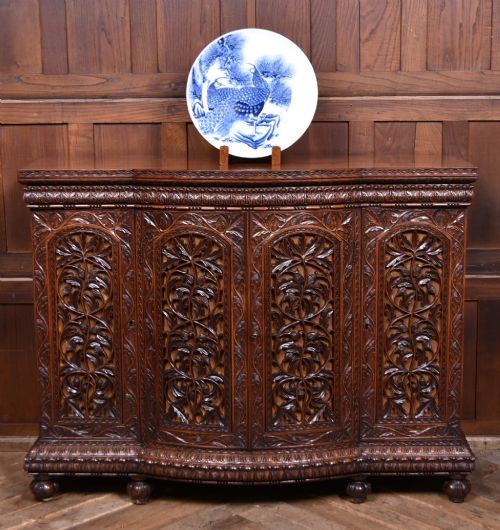
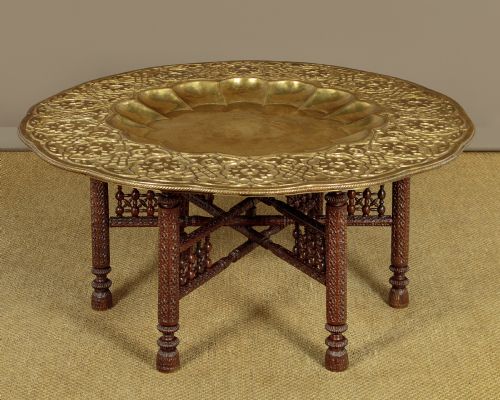
When searching for indian wooden furniture, buyers encounter a diverse range of tables, cabinets, and seating created during the nineteenth and early twentieth centuries. These objects reflect various regional traditions alongside British colonial influences, resulting in distinct forms such as Hoshiarpur tables, campaign writing boxes, and carved sideboards.
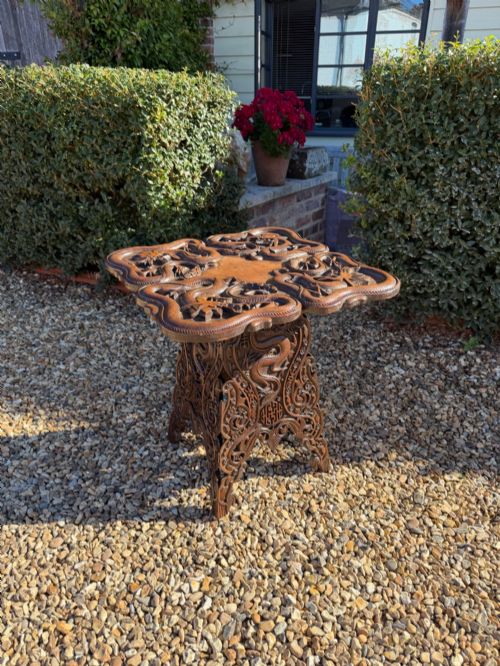
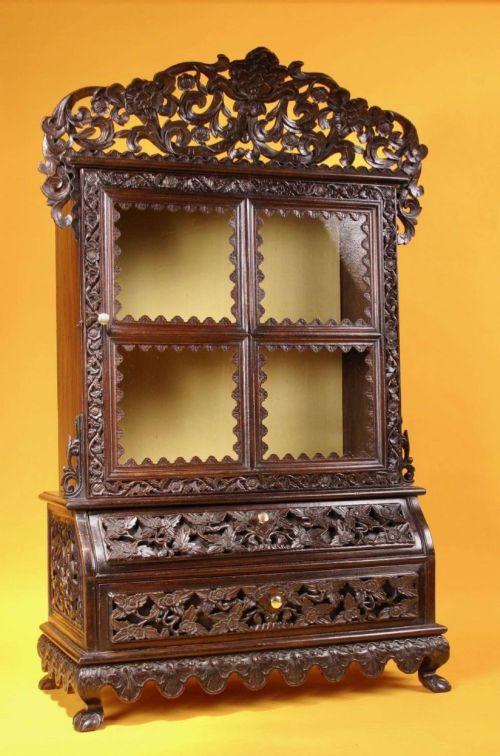
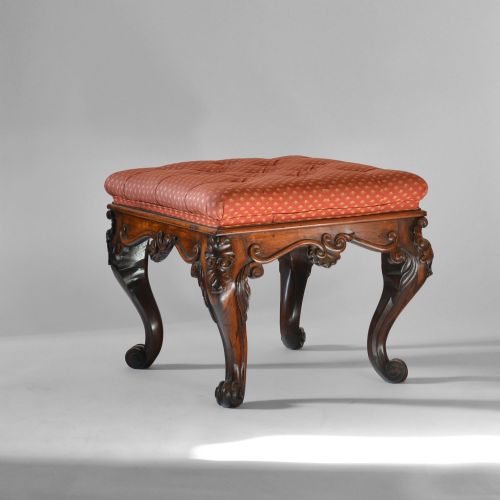
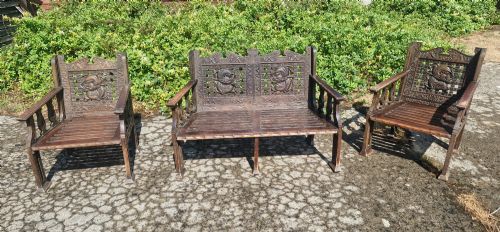
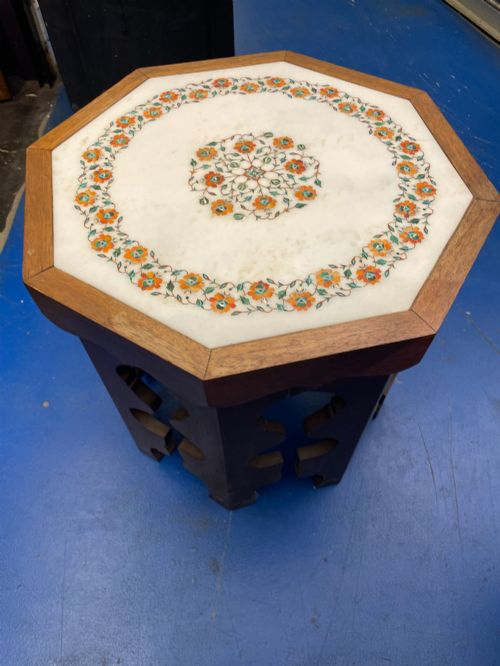
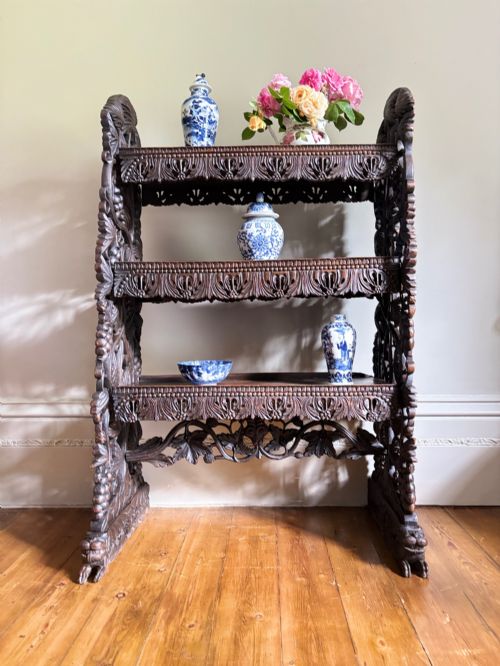
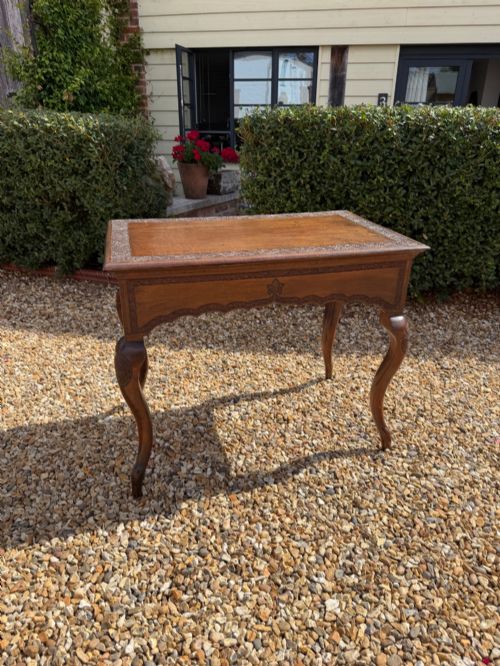
The domestic forms most frequently met on this page include occasional tables, side tables, and multi-tiered buffets suited for display. Storage pieces such as almirahs, trunks, and cabinets also appear regularly, offering practical utility alongside decorative surface work.
Stylistic crossover defines many of these pieces, blending traditional Indian motifs with Anglo-Indian, Moorish Revival, and Ottoman or Syrian design elements. This amalgamation produces characteristic silhouettes that integrate carved foliage, geometric lattice, and figural details.
Materials and construction methods
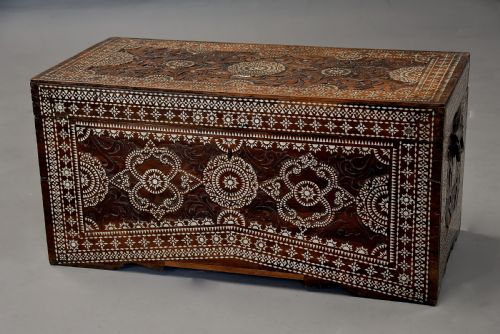
Cabinet makers utilised heavy, durable timbers native to the region, including teak, padouk, rosewood, walnut, and ebony, ensuring structural stability for large items like wardrobes and sideboards. These dense woods provided a stable canvas for deep relief carving and complex joinery.
Surface ornamentation frequently incorporates contrasting materials such as brass, copper, bone, and mother of pearl inlay, alongside intricate wood carving. Artisans combined these decorative elements with structural iron and brass hardware, particularly on campaign pieces and storage chests designed for transport.
Listings incorporate items spanning the Victorian era through the nineteen-thirties, featuring materials like teak, padouk, rosewood, and bone inlay.
Distinctions in craftsmanship and design
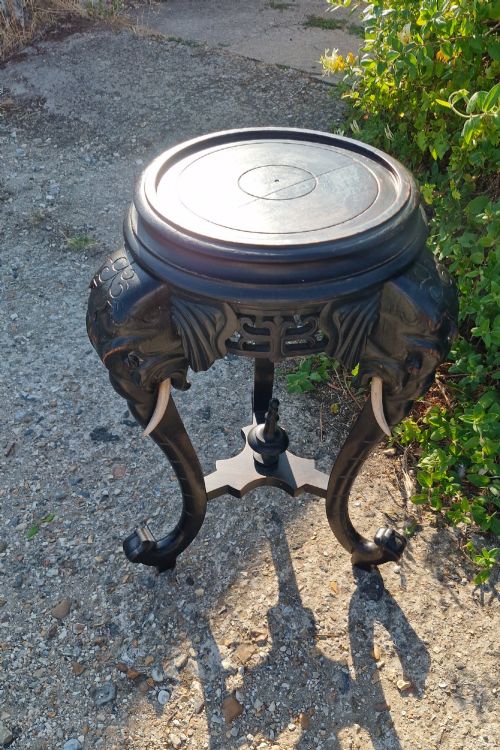
The distinction between standard items and superior examples lies in the depth, precision, and continuity of the hand carving. Pieces featuring crisp relief work, fully integrated figural motifs, and symmetrical geometric patterns represent the highest tier of regional artistry.
Material selection and inlay complexity further separate individual pieces, with dense timbers like solid ebony or padouk commanding attention alongside meticulous multi-material inlay involving brass, bone, and mother of pearl. The coherence between structural form and surface decoration determines the overall success of each item.
The Indian Wooden Furniture Glossary
- Hoshiarpur
- A style of woodwork originating from the Punjab region, noted for dense surface inlay in brass and wire on dense hardwoods. These pieces often feature octagonal or square configurations with intricate geometric patterns.
- Padouk
- A heavy, durable tropical hardwood with a reddish hue used extensively in Anglo-Indian cabinet making. It holds fine detail well under the carver's chisel.
- Campaign style
- Portable furniture designed for military officers or travellers, characterised by folding frames, inset brass handles, and robust construction. These items prioritize modular practicality without sacrificing finish.
- Almirah
- A regional term for a freestanding cupboard or wardrobe used for storage. They frequently display panelled doors and substantial cornices reflecting local architectural traditions.
Indian Wooden Furniture: Frequently Asked Questions
How do I care for antique wooden furniture?
Maintain stable indoor humidity levels and keep pieces away from direct heat sources to prevent the dense timbers from splitting or warping.
Apply natural beeswax occasionally to nourish the surface and preserve the lustre of the hand-carved details without building up heavy chemical residues.
What is Anglo-Indian furniture?
Anglo-Indian furniture refers to pieces made in India by local artisans for British colonial residents or for export to the European market during the nineteenth and early twentieth centuries.
These items combine traditional regional woodworking techniques and native timbers with familiar European forms such as sideboards, desks, and occasional tables.
How are different periods identified?
Dating relies on stylistic markers, construction methods, and material usage recorded across Victorian, Edwardian, and specific decades like the eighteen-eighties or nineteen-twenties.
Earlier nineteenth-century examples often feature solid padouk or rosewood with deep, hand-chiseled relief, while later pieces incorporate contrasting inlay or reclaimed teak.
Were these pieces used in British homes?
Many items were brought back by military personnel, merchants, and officials returning from service abroad, finding a natural home in Victorian and Edwardian drawing rooms.
Their distinctive carved surfaces and exotic woods provided a striking contrast to standard domestic furnishings of the period.