




Indian Papier Mache
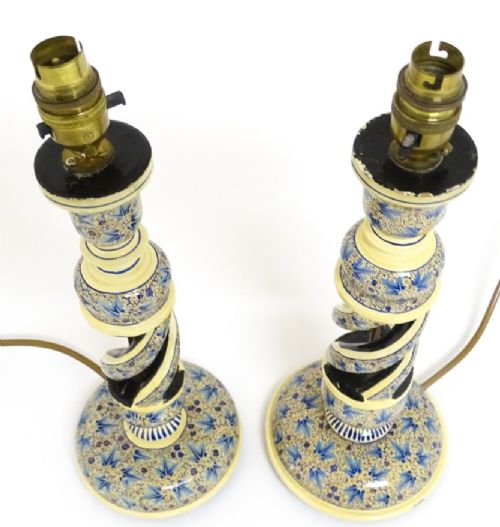
These Indian papier mache pieces bring intricate Kashmiri craftsmanship and vibrant painted surfaces straight into your home.
Indian Papier Mache
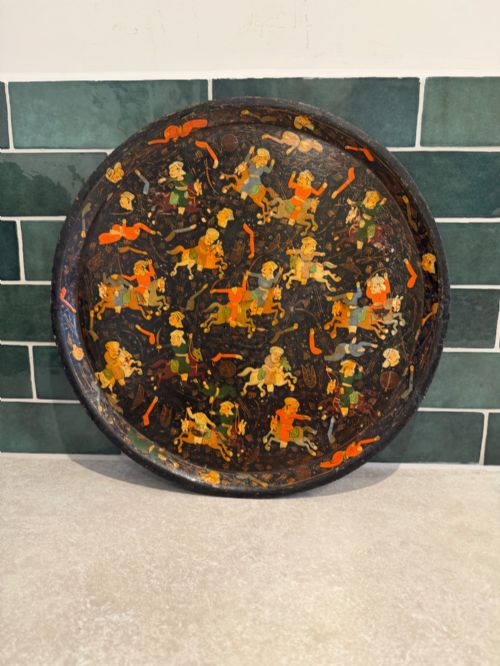
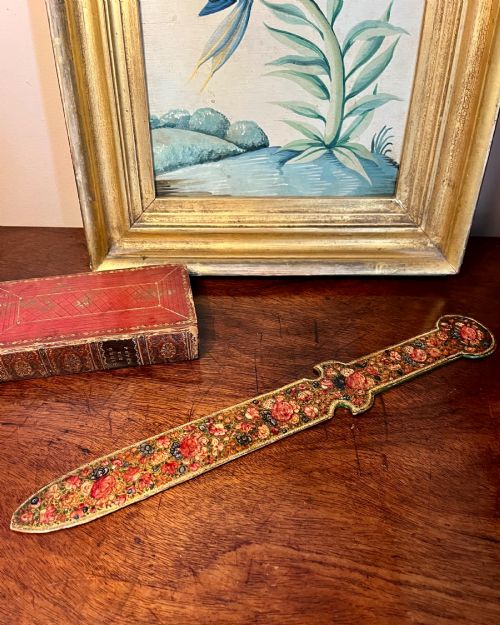
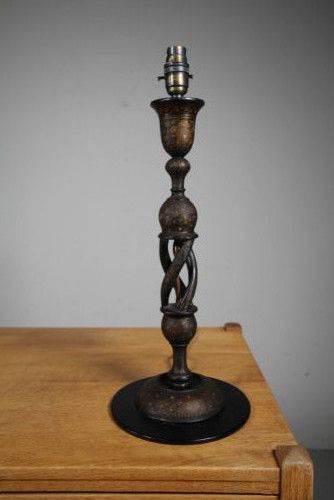
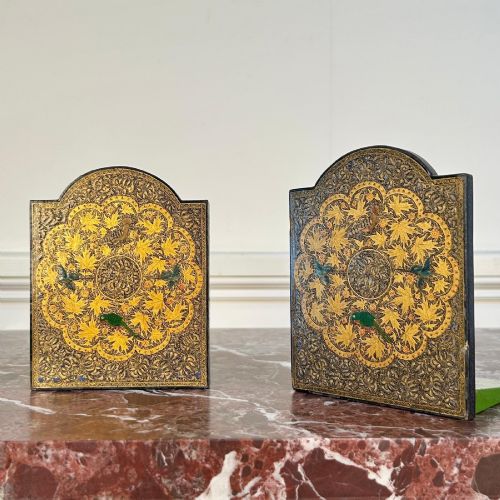
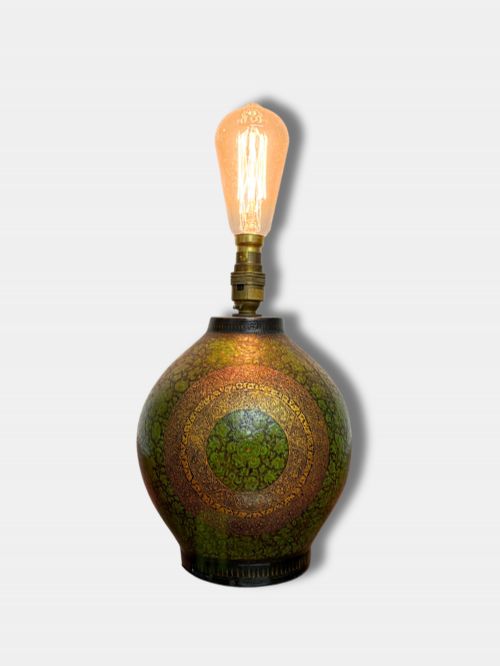
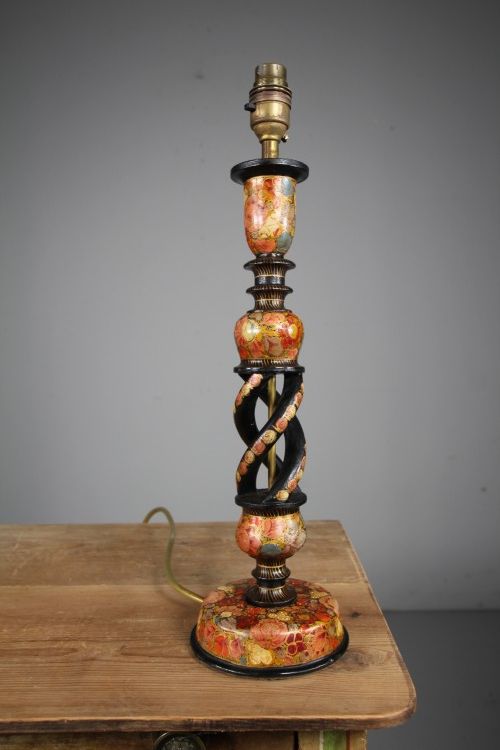
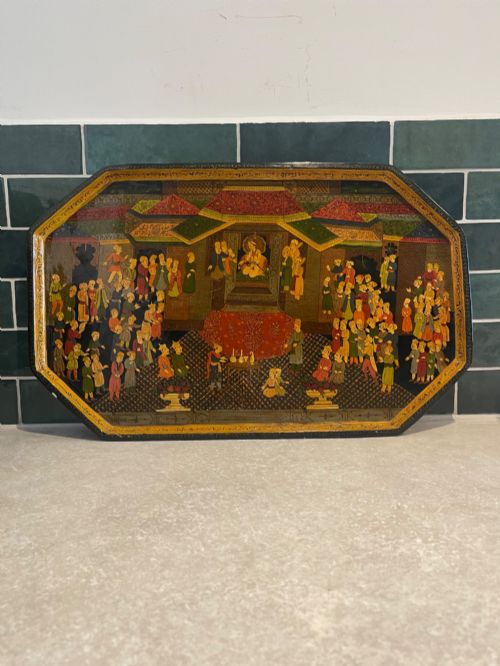
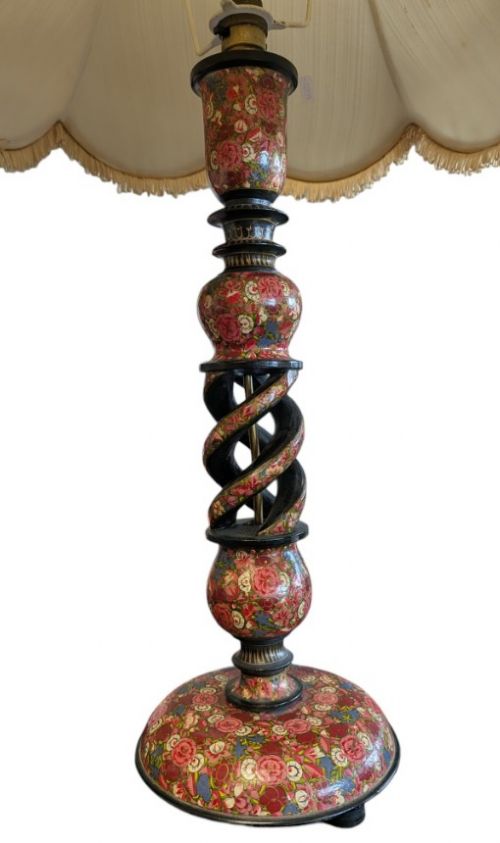
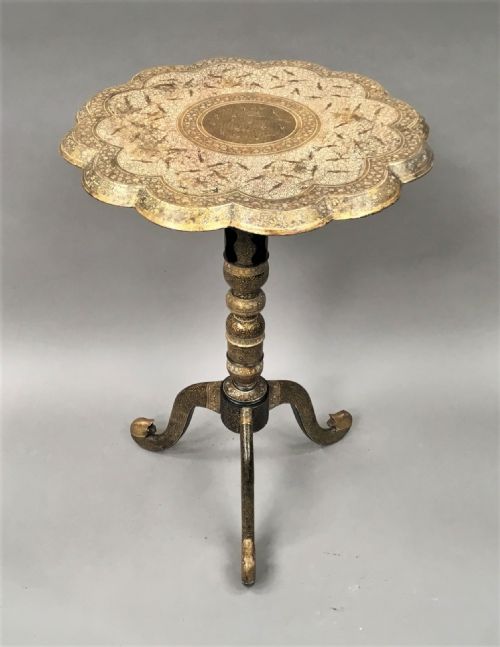
When you search for indian papier mache, you are looking at items primarily originating from Kashmir, spanning the nineteenth century through to the early decades of the twentieth century. These objects range from practical homeware items like table lamps, side tables, and decorative boxes to smaller accessories such as letter openers, bookends, and trays.
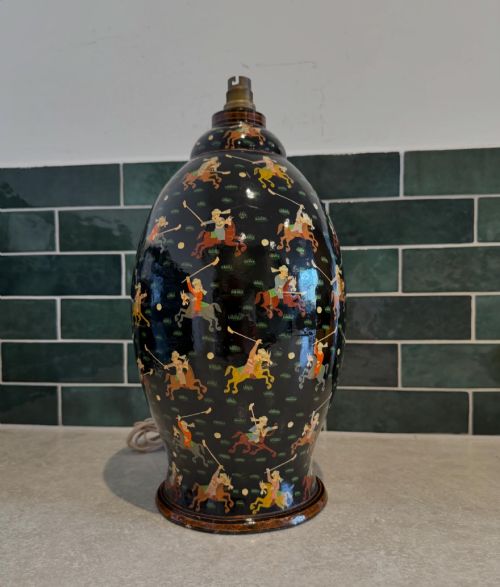
The most common versions met on this page are table lamps and decorative vessels, often displaying traditional Anglo-Indian or Kashmiri folk art styles. They bridge decorative function and intricate artistry, reflecting the rich aesthetic history of Indo-Persian design.
Each piece demonstrates a distinct regional character, utilising forms that suit both traditional and modern interiors. Buyers encounter these items as functional lighting, small occasional furniture, and tabletop accessories.
How indian papier mache pieces were made
Makers constructed these items using papier-mache, wood, and sometimes brass or fabric cores, building up a solid base for decoration. Artisans applied layers of paper pulp over moulds or armatures, creating a durable structure ready to be smoothed and prepared for finishing.
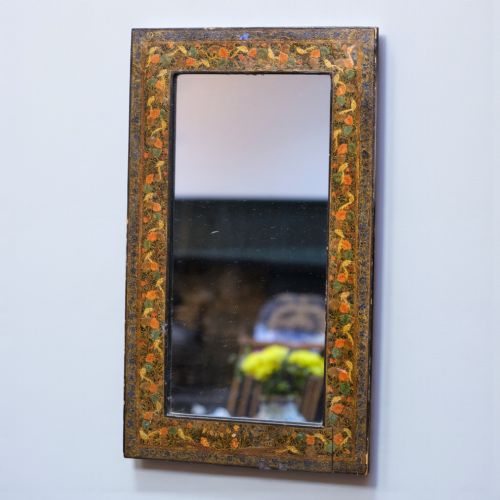
Once the base dried, craftsmen coated the surface in lacquer and pigment, painting detailed floral or geometric motifs by hand in gold, green, and other rich colours. This meticulous hand-painting process produced the distinctive glossy, patterned finishes seen across the Kashmiri and Indo-Persian items.
Indian Papier Mache Retail Price Guide 2026
Typical asking prices for indian papier mache among the pieces listed under this phrase on Sellingantiques today, from the lower quarter to the upper quarter. They describe what is for sale here now, not the wider market.
The site's listings show pieces spanning the 19th century through the 1930s, utilising papier-mache, wood, lacquer, brass, and pigment.
What varies in quality
The precision and intricacy of the hand-painted decoration set the finer examples apart from simpler items, with master painters achieving exceptional detail in floral and foliage motifs. The depth of the lacquer finish and the preservation of the original pigment also dictate the overall sophistication of a piece.
Structural integrity, particularly in functional objects like table lamps, side tables, and lidded pots, influences how well the papier-mache and underlying wood have survived decades of use. Items maintaining crisp painted lines and stable lacquered surfaces represent the upper tier of this craft.
The Indian Papier Mache Glossary
- Kashmiri
- Pertaining to Kashmir, the region famous for producing these distinct painted papier-mache objects and lacquerware. This origin defines the prevailing style and technique across the selection.
- Lacquer
- A clear or coloured protective coating applied over the painted surface to give it a glossy finish and durability. It seals the pigments and protects the delicate hand-painted details.
- Indo-Persian
- A cultural and artistic style blending Indian and Persian design elements, frequently seen in the intricate ornamentation of these pieces. It often incorporates complex floral patterns and gilded highlights.
- Papier-mache
- A composite material consisting of paper pulp or layers of paper bound with adhesive, moulded and dried into solid shapes. It serves as the primary lightweight yet sturdy substrate for the painted decoration.
- Anglo-Indian
- A design style created during the British period in India, combining traditional local craftsmanship with tastes suited for Western homes. Many items on this page reflect this cross-cultural aesthetic.
Indian Papier Mache: Frequently Asked Questions
What is indian papier mache?
These pieces are decorative and functional items made from moulded paper pulp, originating primarily from Kashmir during the nineteenth and early twentieth centuries.
Artisans decorated the papier-mache bases with hand-painted pigments and protective lacquer, creating distinct objects such as table lamps, boxes, and small tables.
How were these items used?
Original owners utilised these pieces for both practical daily tasks and decorative display in homes, ranging from lighting and desk organisation to serving trays.
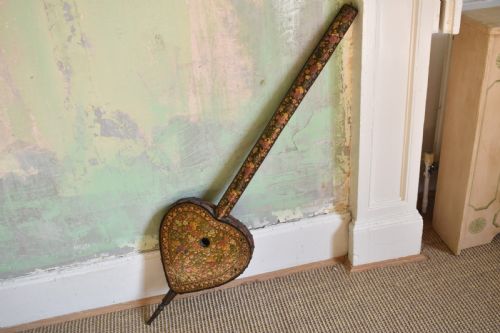
Items like letter openers, ink stands, and fire bellows served specific household functions while adding colourful craftsmanship to interior spaces.
How do I care for papier mache?
Keep these items away from excessive moisture and direct sunlight to protect the delicate lacquer finishes and hand-painted pigments from fading or lifting.
Dust them gently with a dry cloth and avoid harsh cleaning products that might compromise the historic surface materials.