





Impressionist Winter Painting
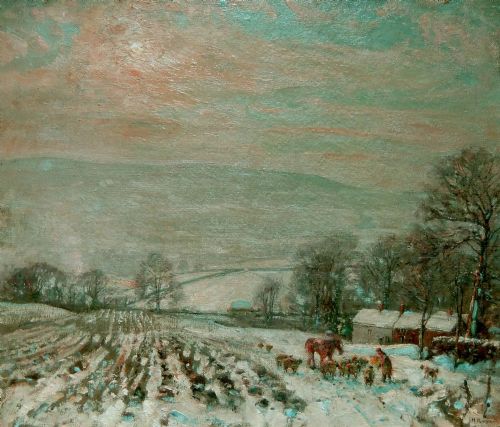
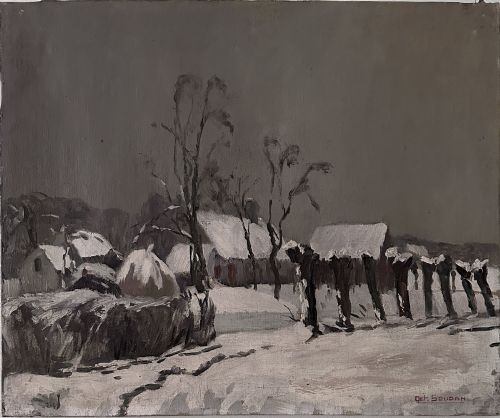
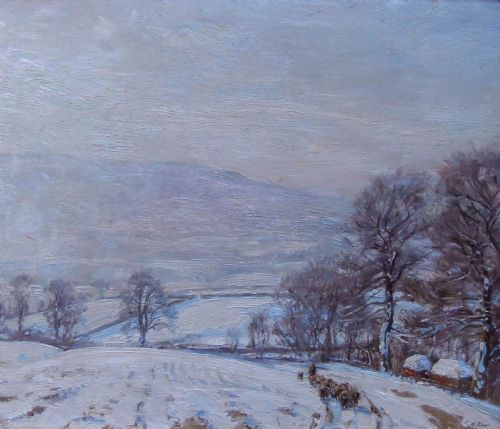
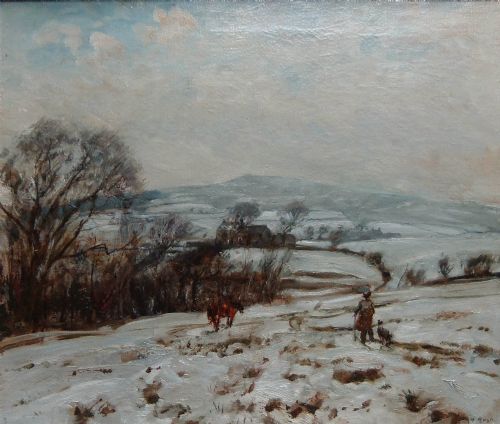
Impressionist winter painting captures cold seasons through loose brushwork and atmospheric light, bringing quiet countryside snow scenes and frosted village streets directly into a room.
Impressionist Winter Painting
An impressionist winter painting brings together snowy landscapes, frost-covered pastures, and village scenes executed in loose, expressive styles. You encounter works originating from British Impressionism, French School, and Realism traditions, capturing rural life and stark weather.
The pieces on this page span the nineteenth century through the mid twentieth century, with strong representation from the 1910s and 1920s. Common subjects include Yorkshire dales, pastoral settings, and European street scenes rendered in muted seasonal palettes.
Most examples appear as framed artworks, ranging from intimate watercolours to substantial canvases. Whether depicting a Yorkshire snow scene or a French harbour in winter, these pieces rely on atmospheric light rather than strict topographical detail.
Assessing quality and depth
Quality rests upon the artist's handling of light and shadow, where confident brushwork conveys the bitter chill and low sun of a winter day. Stronger pieces use colour harmoniously to describe snow without relying on plain white, capturing subtle blues and greys in the drifts.
Composition and provenance elevate certain works, particularly when a painting records a specific named location such as Wharfedale or a recognizable European street. The preservation of the original surface and framing also contributes significantly to the integrity of the piece.
Listings feature works spanning the nineteenth century through the 1960s, executed in oil, watercolour, pastel, and gouache.
Herbert Royle·Ernest Higgins Rigg·William Tatton Winter·Gaston Cornil·Fred Lawson
The Impressionist Winter Painting Glossary
- Impressionism
- A nineteenth century painting style focusing on the visual impression of the moment, particularly shifting light and atmosphere. Artists prioritized loose brushstrokes over meticulous finish.
- Watercolour
- A paint consisting of colour pigments suspended in a water-based solution, typically applied to paper. It allows for translucent washes that suit hazy winter skies.
- Gouache
- An opaque water-based paint that includes a white pigment to create denser, heavier coverage than traditional watercolour. It often appears combined with watercolour in works on paper.
- Pastel
- A dry art medium in the form of a stick, consisting of powdered pigment and a binder. It produces velvety surfaces ideal for soft winter mists.
- Canvas
- A heavy woven fabric stretched across a wooden frame to serve as a durable support for oil paint. It provides a textured foundation for expressive brushwork.
Impressionist Winter Painting: Frequently Asked Questions
How do I date an impressionist winter painting?
Dating relies on stylistic markers, framing conventions, and artist signatures recorded in the work. Many pieces carry dates or point to active periods of the artists involved.
Examining the canvas backing, stretcher bars, and paper types also helps confirm the era of creation.
Where should I hang a winter landscape?
These paintings suit spaces with controlled natural light away from direct sunlight to protect pigments. Placing them against neutral wall colours allows the subtle blues and whites of the snow to stand out.
Ensure the room maintains stable humidity to protect older canvases and paper works.
What is the difference between oil and watercolour winter scenes?
Oil paintings on canvas or board offer heavier textures and deeper layers of pigment that capture the weight of heavy snow. Watercolours on paper provide a lighter, more translucent interpretation of frost and winter atmosphere.
Both mediums were used extensively by artists of the period to render cold weather.
How do I care for antique framed paintings?
Keep the artwork away from direct heat sources and damp environments to prevent warping of the wood and canvas. Dust frames gently with a dry cloth and avoid touching the painted surface directly.
Period frames require careful handling to preserve their original gilding and construction.