




Impressionist Rural Painting
Impressionist rural painting brings the quiet rhythms of countryside life, farmyards, and rustic landscapes directly onto canvas and paper.
Impressionist Rural Painting
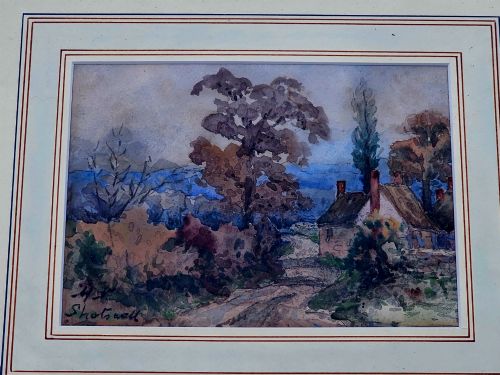
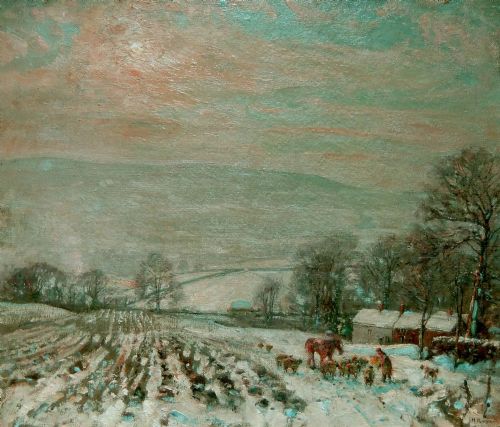
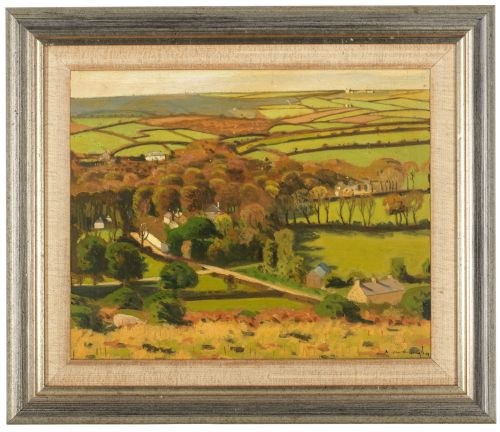
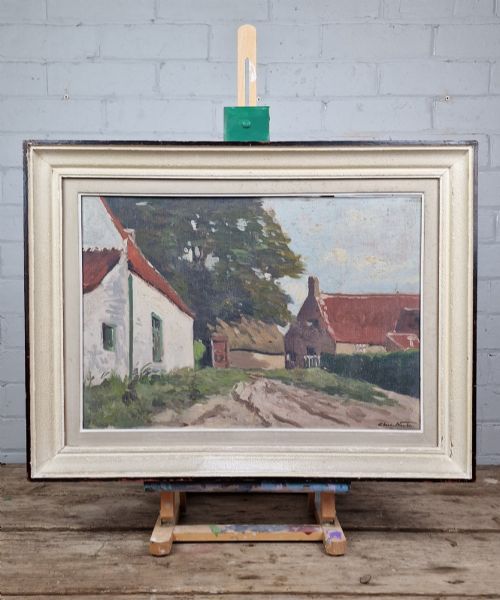
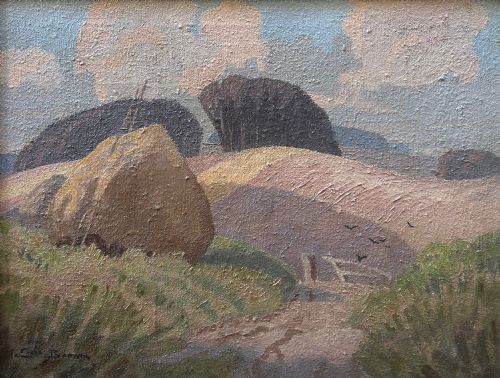
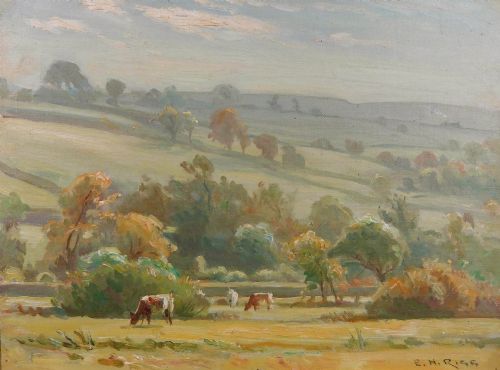
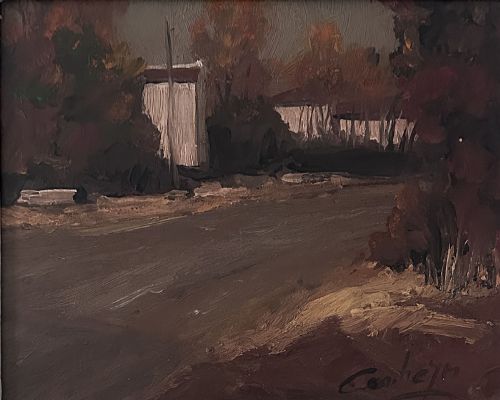
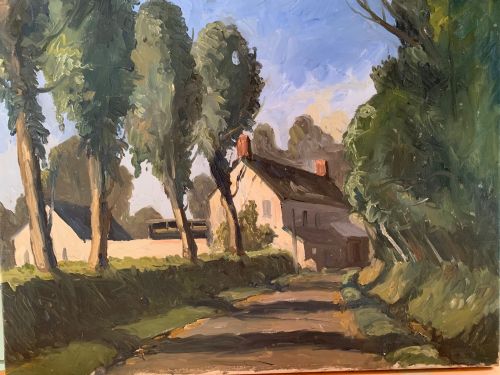
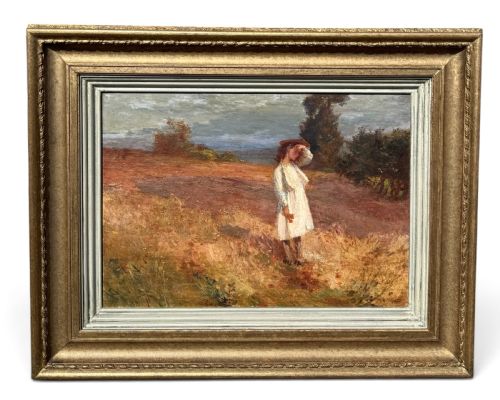
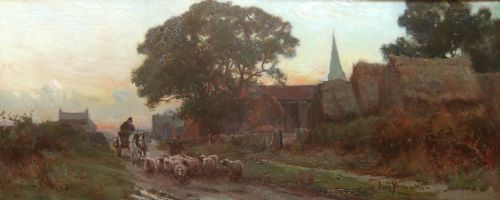
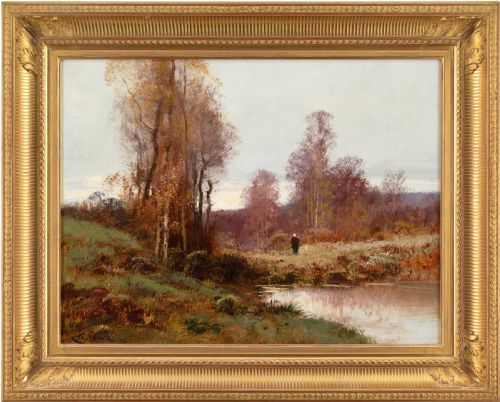
An impressionist rural painting captures country scenes, from quiet farmyards and haystacks to village lanes and working horses, rendered with loose, expressive brushwork. These artworks emerge predominantly from the late nineteenth century through the mid twentieth century, reflecting a sustained artistic interest in agrarian life and regional landscapes.
Buyers examining this selection encounter works executed in oil paint or watercolour, applied to canvas, wood, board, or paper. British Impressionism, Post-Impressionism, and the French School dominate the stylistic range, with regional expressions spanning English, Scottish, French, Italian, and Belgian artistic traditions.
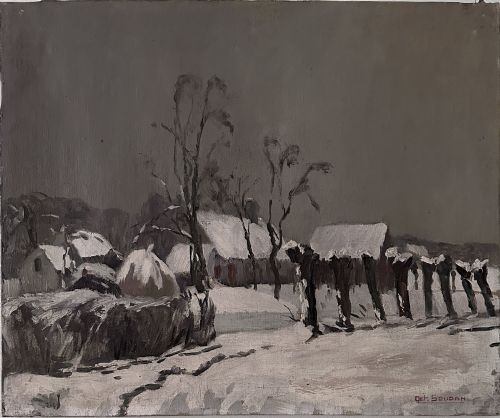
The most frequent subjects include farming cattle, sheep grazing, winter feeds near Yorkshire settlements, and rustic cottages nestled among trees. These pieces translate everyday rural labour and pastoral vistas into vibrant studies of light, atmosphere, and seasonal change.
How they were made
Artists built these compositions primarily using oil paint on canvas or board, alongside delicate watercolours on paper. The medium allowed painters to capture transient effects of natural light across fields, rivers, and farm buildings.
Brushwork remained loose and directional, prioritizing the overall impression of a scene over minute botanical or architectural accuracy. Canvases were frequently mounted in wooden frames, preserving the integrity of the paint surface and providing structural support.
Several canvases preserve the actual dust and quiet atmosphere of farmyards where weary horses once paused at stone water troughs.
What varies in quality
The strength of an impressionist rural painting rests on the artist's command of light, tone, and atmospheric depth within the chosen landscape. Superior examples demonstrate confident, purposeful brush application that organises the composition without relying on rigid lines.
Condition and medium stability also distinguish works, particularly the preservation of the original paint layer on canvas or board without destabilising craquelure or losses. Contextual provenance, such as studio sales or exhibition history, further elevates the standing of specific pieces.
George Graham·Herbert Royle·Robert Morson Hughes·Charles Houben·Eric Brown·Ernest Higgins Rigg·Umberto Volpato·John Horace Hooper·Owen Bowen·Charles Clair·Edgar Woollatt·Harry Freckleton·Raimond Louis Lecourt·William JB Jenkins·Fred Lawson·Reginald Grange Brundrit·William Greaves·Ernest Pile Bucknall·John Atkinson·Willem Anton Alexander Knip·Majorie Hoare·Herbert Royle·Frederick W. Jackson·William Grant Murray·James William Booth
The Impressionist Rural Painting Glossary
- Canvas
- A heavy woven fabric stretched across a wooden frame to serve as a primary painting support for oils.
- Watercolour
- A paint medium consisting of pigment suspended in a water-soluble binder, traditionally applied to paper.
- Post-Impressionism
- An artistic movement following impressionism that extended its use of vivid colour and thick application while emphasising geometric forms or expressive content.
- Board
- A rigid wooden or composite panel utilised as an alternative support to stretched canvas.
Impressionist Rural Painting: Frequently Asked Questions
What subjects appear in these paintings?
These artworks depict countryside subjects including haystacks, farmyards, grazing sheep, working horses, and village snow scenes. Painters focused on the daily routines of rural laborers and the natural landscapes of regions like Yorkshire, Normandy, and various European locales.
The compositions emphasise open fields, river banks, and rural architecture observed under changing seasonal light. Such rural motifs capture a vanishing agrarian lifestyle through expressive brushwork.
Which materials were used by the artists?
Artists utilised oil paint on stretched canvas, wooden panels, or board to build textured, durable compositions. Watercolours on paper also appear frequently among the works, offering lighter, more fluid studies of rural atmosphere.
Wooden frames typically accompany these pieces, protecting the edges of the canvas or paper support. The combination of traditional paints and sturdy supports has ensured the survival of these landscapes over the decades.
How do I date an impressionist rural painting?
Dating relies upon artist biography records, stylistic movements such as British Impressionism or Post-Impressionism, and any inscribed dates or signatures on the canvas or reverse. Victorian and early twentieth-century pieces often reflect specific regional schools or dated exhibition frames.
Examining the materials, including the type of canvas weave, stretcher bars, and framing methods, provides further chronological clues. Comparing the signature style against known active years of painters narrows the production period.
How do I display these paintings at home?
Display these works away from direct sunlight and excessive moisture to protect oil paint layers and watercolours on paper. Proper wall placement ensures the canvas or framed panel remains secure and visually balanced within a room.
Choosing a suitable room setting involves pairing rustic or impressionist landscapes with neutral walls that complement their natural colour palettes. Traditional wooden frames enhance the artwork while separating the canvas visually from the surrounding wall.