



Impressionist Flower Canvas
Impressionist flower canvas works capture fleeting botanical colour in oil paint, offering buyers lively domestic scenes and vibrant garden studies from past decades.
Impressionist Flower Canvas
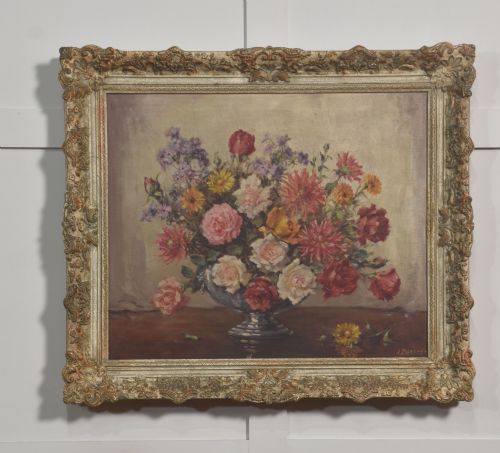
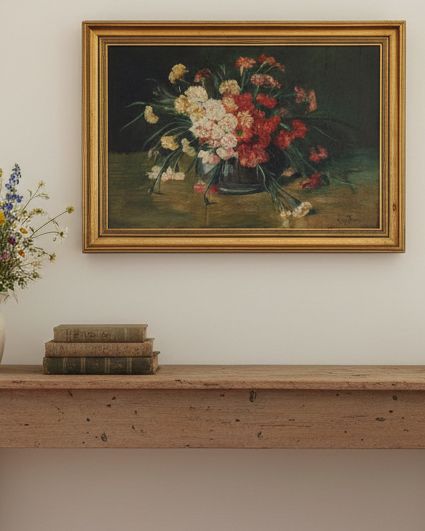
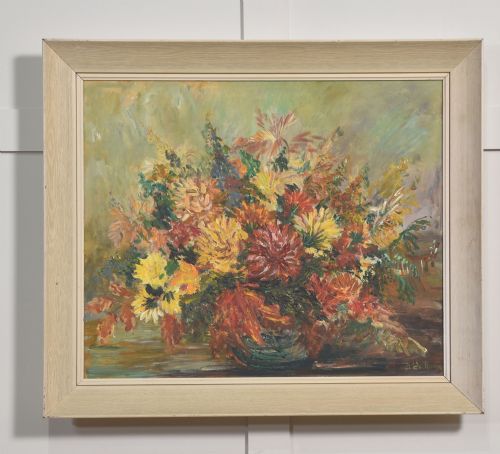
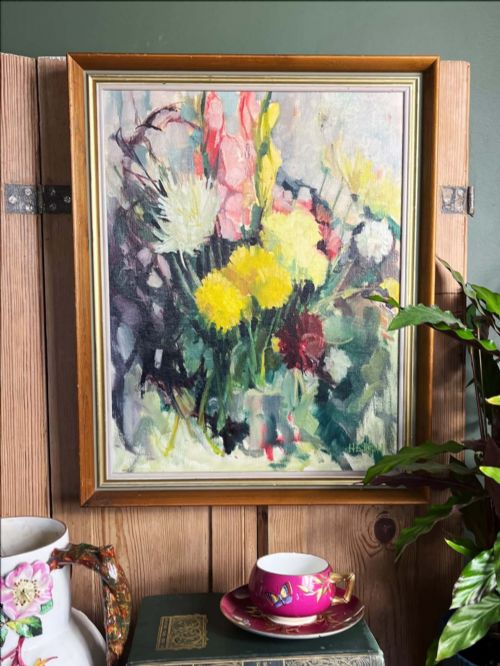
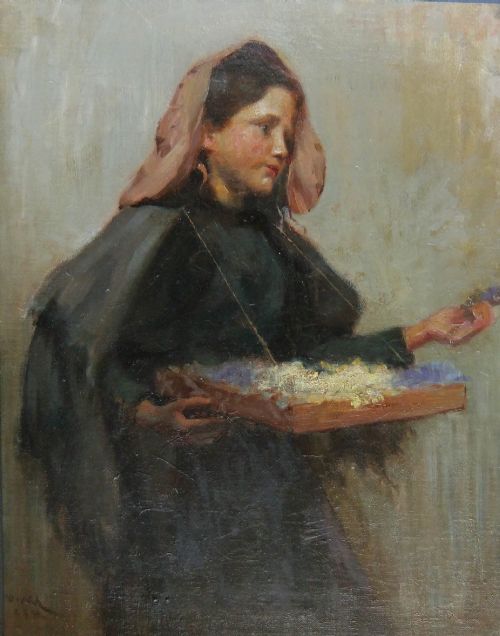
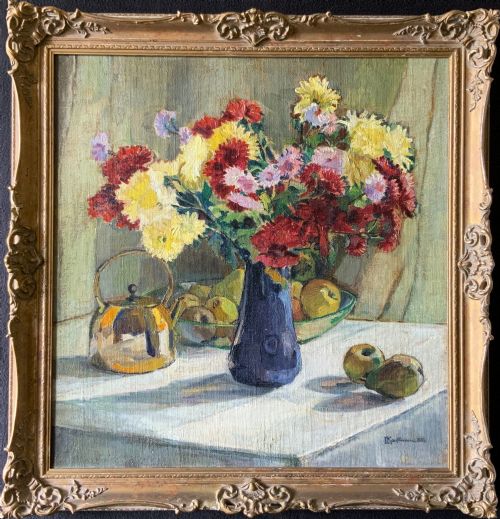
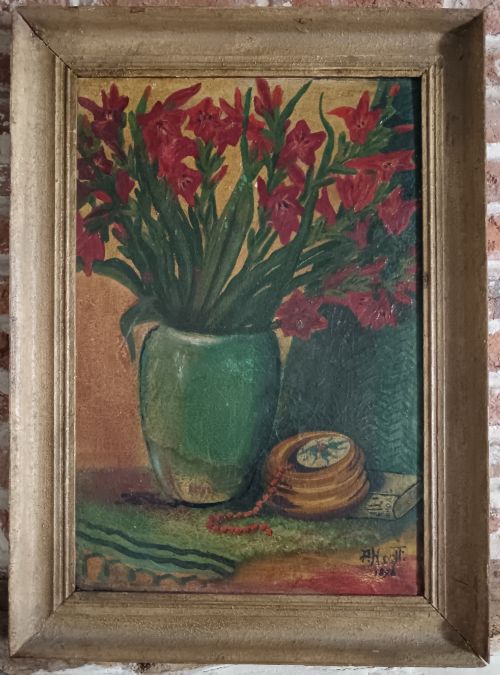
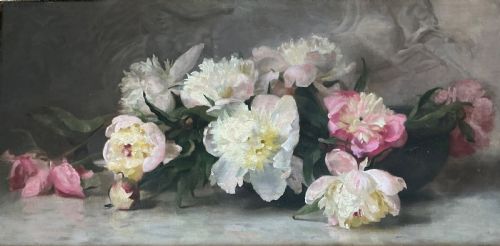
An impressionist flower canvas centres on loose brushwork and vibrant pigments, capturing botanical subjects through light and atmosphere rather than rigid botanical precision. Buyers searching this phrase meet an array of works spanning from the late nineteenth century through the mid-twentieth century, featuring domestic floral displays and garden views.
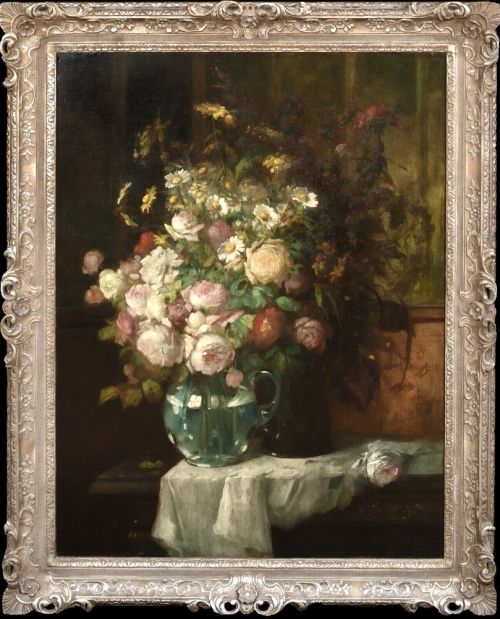
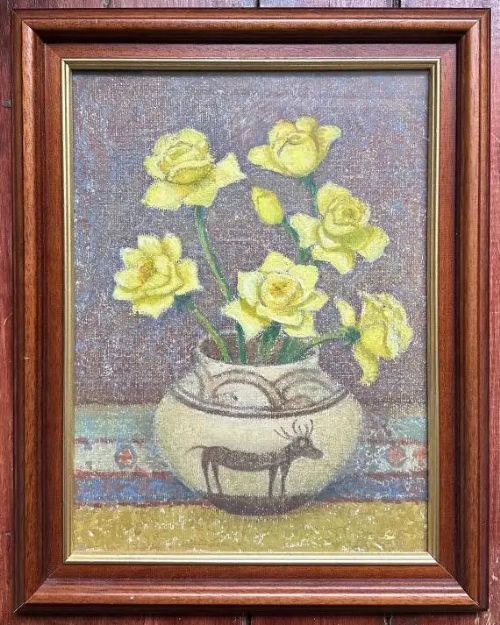
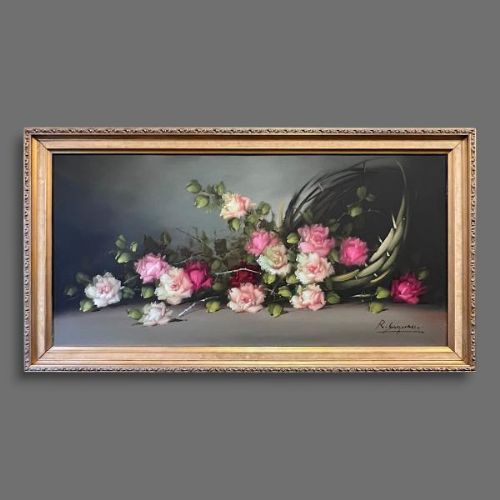
The prevalent forms on this page include oil paintings on canvas and board depicting roses, peonies, anemones, and mixed floral arrangements in vases or baskets. These pieces reflect regional schools ranging from British Impressionism to continental European and Staithes group painting traditions.
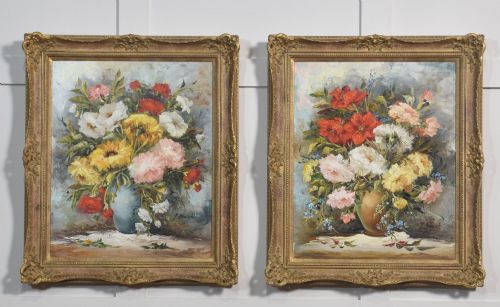
Many examples incorporate interior settings or window views, placing floral arrangements within the daily life of the artist's studio or domestic rooms. The selection includes individual studies alongside paired decorative panels executed in oils during the Edwardian, Art Deco, and mid-century periods.
Materials and technique
Artists built these compositions primarily using oil paint applied to woven canvas supports, sometimes utilising wooden boards or panel bases for smaller studies. The medium allowed for thick impasto applications, visible brushstrokes, and rapid blending of pigments to capture shifting natural light.
Frames frequently incorporate wood, gesso, and gold leaf or gilt finishes, reflecting the decorative standards of the period in which the canvas was painted. These protective surrounds range from simple mouldings to ornate ornamented frames contemporary with the artwork.
The listings span from the nineteenth century through the 1960s, featuring oil paint on canvas and board within traditional and gilt frames.
Factors determining quality
Quality in these oil paintings rests upon the confidence of the brushwork, the handling of light, and the compositional balance within the floral arrangement. Superior works demonstrate an assured treatment of colour harmony and spatial depth that elevates a simple vase of flowers into a compelling study.
The integrity of the original canvas support, the stability of the oil paint layer, and the appropriateness of the framing contribute significantly to the standing of an individual piece. Works retaining their original period frames and unlined canvases generally command greater consideration among collectors.
I. Berezny·D. L. Williams·Konstantin Stoitzner·Emma Fordyce MacRae·Manuela Bonati·William Watt Milne·Owen Bowen·Gertrude Hayes·Amile Coppieters·Florence Hess·Ernest Higgins Rigg·Sir Matthew Smith·Maud Frances Eyston Sumner·Elizabeth T. Sutcliffe·William Thomas Wood·Henry D'Arcy Hart
The Impressionist Flower Canvas Glossary
- Impressionism
- A nineteenth-century painting style focusing on accurate depiction of light and its changing qualities rather than fine detail. Painters utilised rapid, visible brushstrokes to convey the immediate visual sensation of a scene.
- Impasto
- The process of laying paint thickly on a canvas so that it stands out from the surface. This technique creates a textured, three-dimensional effect that catches natural light in domestic interiors.
- Still life
- A work of art depicting mostly inanimate subject matter, typically commonplace objects which may be either natural or man-made. Floral subjects dominate this category within the available selection.
- Provenance
- The chronological history of the ownership of a piece, establishing its authenticity and origin. Documentation often traces back through previous exhibitions, dealers, or artist estates.
Impressionist Flower Canvas: Frequently Asked Questions
How do I date an impressionist flower canvas?
Dating relies on stylistic markers, framing methods, and stretcher construction. Artists working in the late nineteenth and early twentieth centuries often employed specific canvas weaves and pigments distinct from later mid-century practitioners.
Signatures, exhibition labels on the reverse, and biographical details of the painter provide further chronological anchors. Comparing the handling of the subject against dated comparative works helps narrow the period of execution.
Where should I hang these oil paintings?
These works suit dining rooms, drawing rooms, and hallways where natural daylight enhances the impasto texture and vibrant floral pigments. Placing them away from direct sunlight preserves the oil paint from premature drying and fading.
Pairing a floral canvas with period furnishings creates a cohesive interior aesthetic. Ensure the hanging wall provides adequate structural support for framed wood and canvas assemblies.
What is the difference between British and French impressionism?
British impressionism often retains a tonal restraint and a deep connection to domestic garden traditions, reflecting local atmospheric conditions. French works from similar periods frequently push palette saturation and optical mixing further.
Staithes group painters, for instance, combined plein-air methods with northern light, whereas continental peers experimented with pointillist application or modernist interior integration.
How do I care for an antique oil painting?
Maintenance involves keeping the canvas in stable environmental conditions away from excessive humidity and temperature fluctuations. Dusting should be performed gently with a soft, dry brush without applying pressure to the paint surface.
Avoid using liquid cleaners or chemical solvents on the oil paint or gilt frames. Professional conservators should handle any structural repairs, canvas re-tensioning, or surface cleaning.