


Impressionist Figurative Artwork
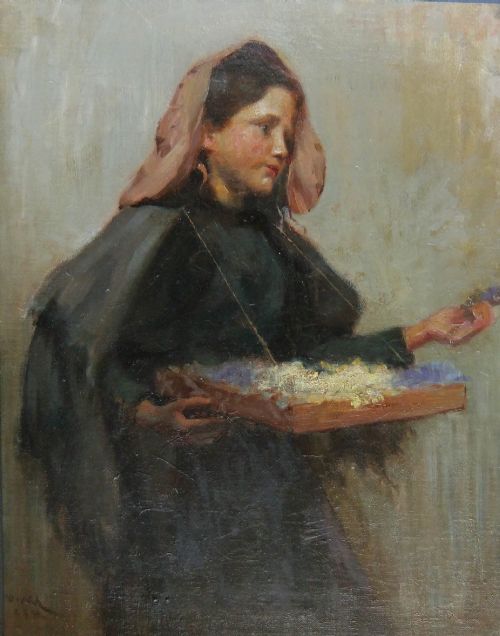
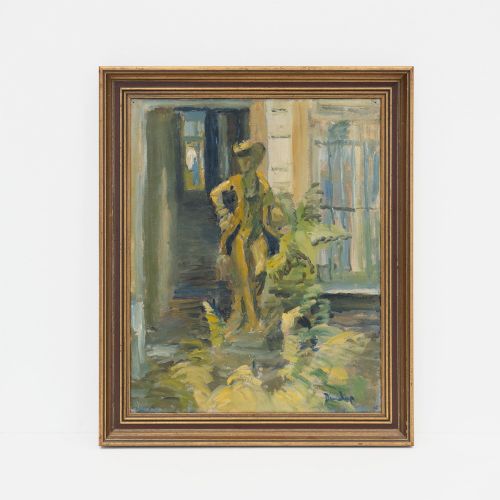
Impressionist figurative artwork captures people in everyday moments through loose brushwork and a focus on natural light.
Impressionist Figurative Artwork
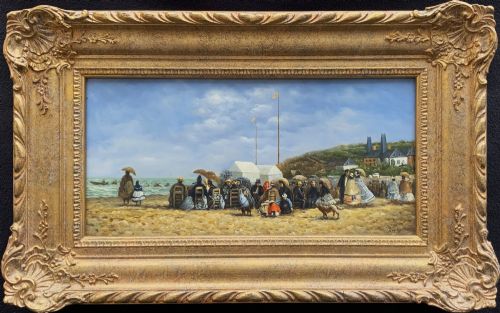
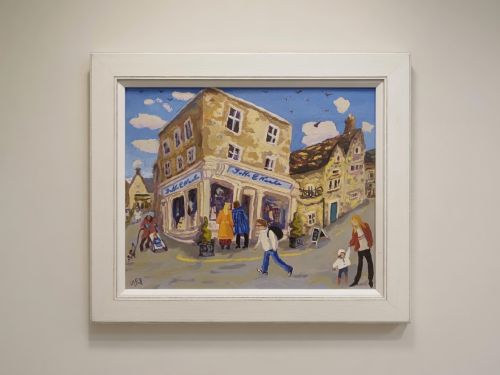
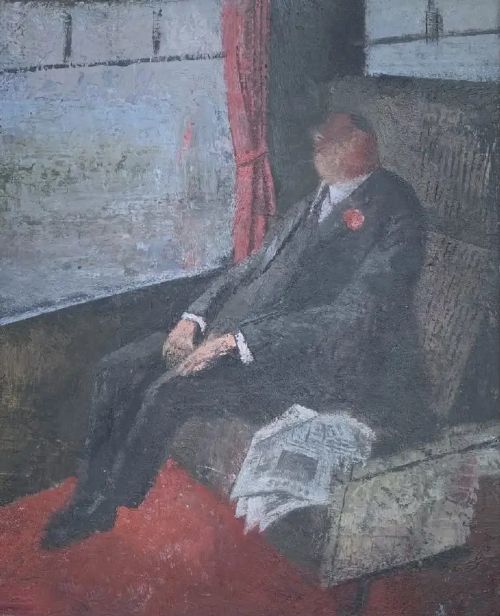
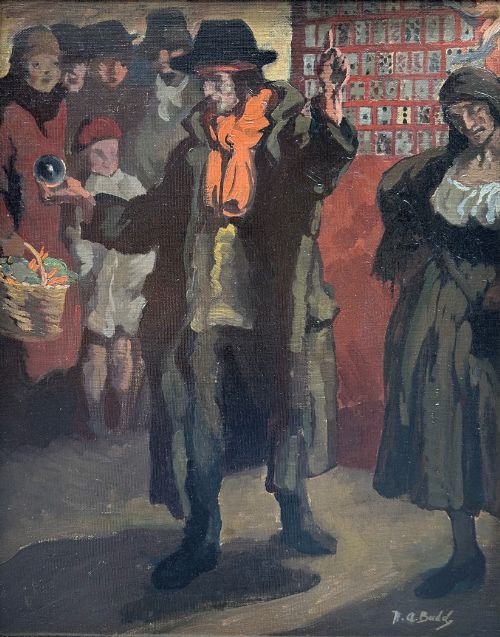
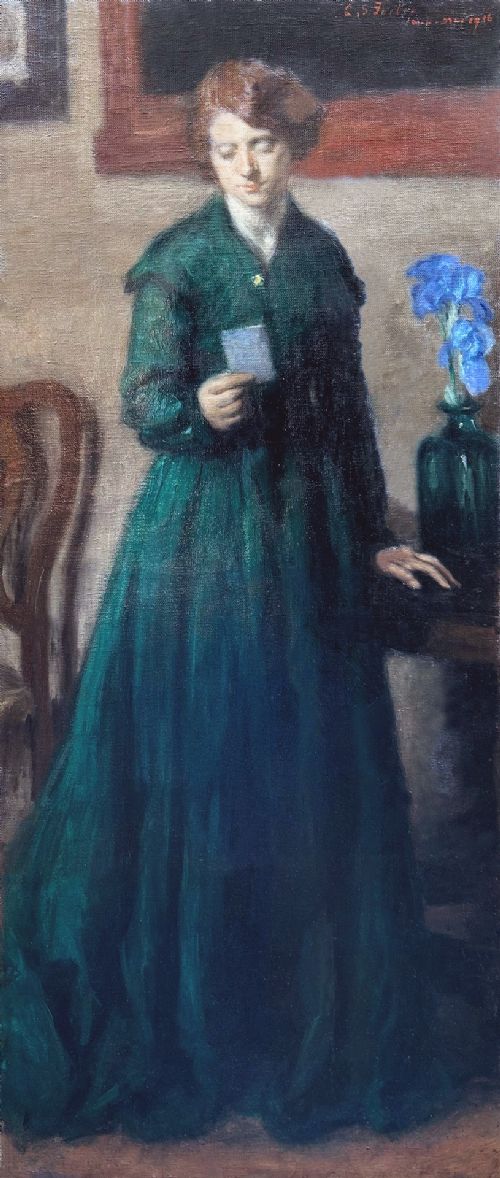
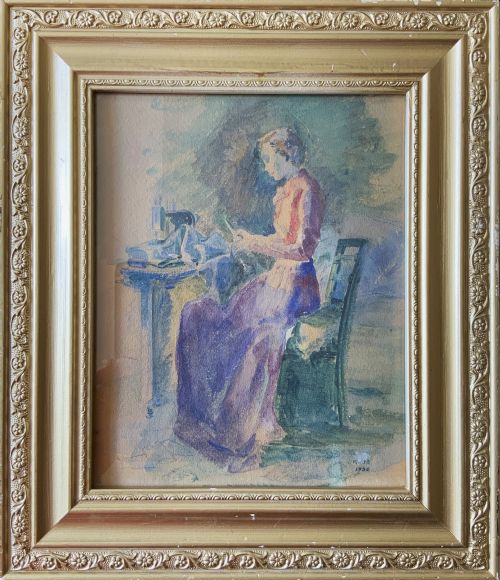
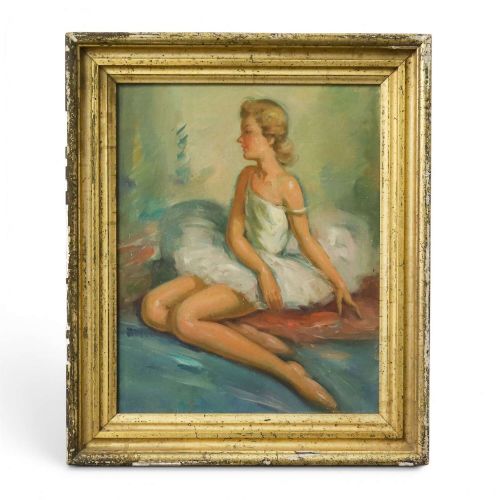
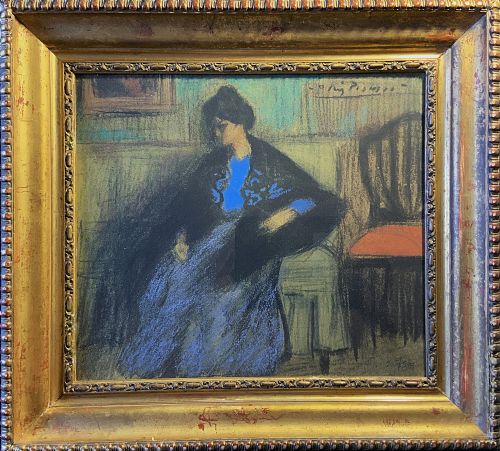
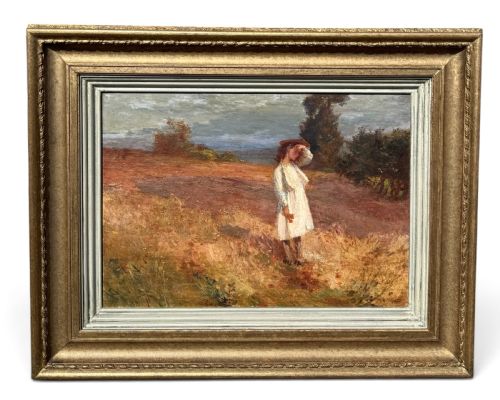
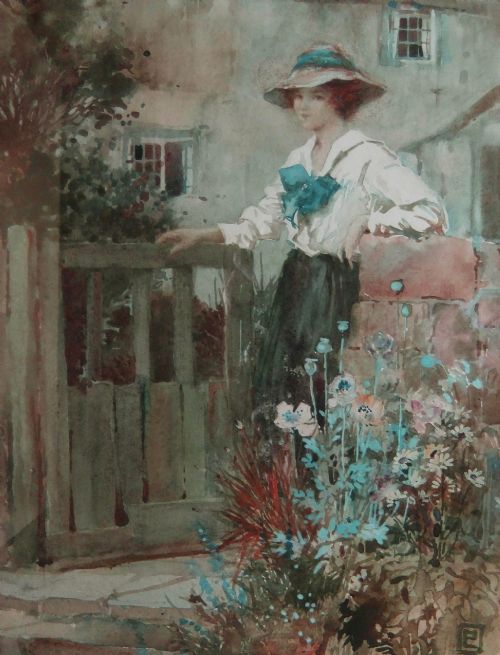
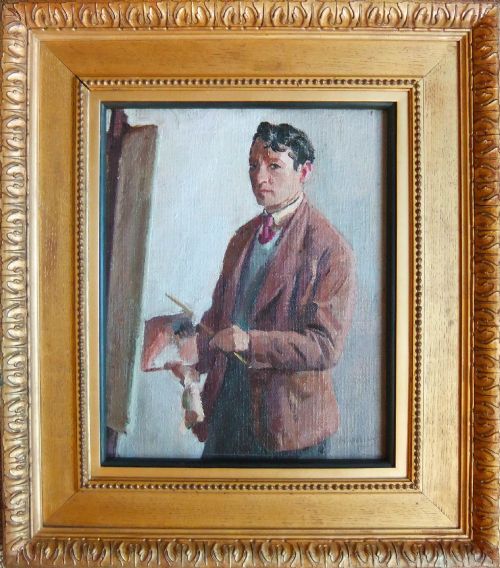
Impressionist figurative artwork centres on human subjects, ranging from solitary portraits of readers and seamresses to gatherings on beaches and in gardens. These pieces span from the late nineteenth century through to the mid-twentieth century, capturing domestic scenes, bathers, and dancers in oil paint and watercolour.
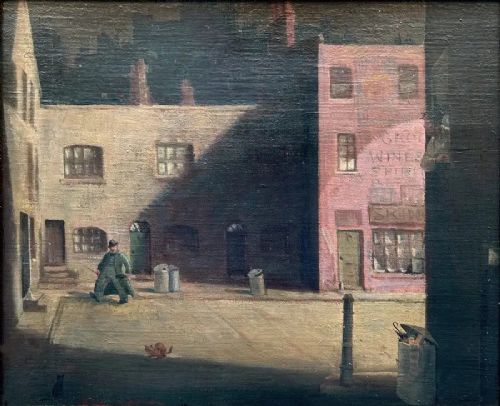
The most common examples encountered here rely on oil on canvas or paper support, often housed within period frames including gilt wood. Painters from British, French, Italian, and Belgian backgrounds dominate the selection, bringing varied regional approaches to light and brushwork.
Subject matter reflects personal interactions and quiet pastimes, such as tea hours, cottage gates, and children playing. The focus remains on human posture and expression rendered through broken colour rather than strict academic precision.
Materials and technique
Artists applied oil paint and watercolour onto stretched canvas, wooden panels, and heavy paper to build layered surfaces of tone and texture. Brushstrokes remain visible and directional, prioritising the immediate capture of light over blended finish.
Framing materials such as gilt wood complement the painted compositions, often showing period wear that accompanies works dating from the nineteenth and twentieth centuries.
Listings feature works created across several decades, ranging from nineteenth-century watercolours to mid-century oil paintings.
Distinctions in execution
Quality rests on the confidence of the brushwork and the artist's ability to convey gesture and mood with minimal detail. Stronger works balance the treatment of light across the human figure with the surrounding atmosphere.
Preservation of the original paint layer and the character of the period frame influence the overall integrity of the piece. Works that retain their unlined canvas and clear provenance offer a more direct connection to the maker's hand.
Lucy Pratt·Francisco Sancha·Herbert Ashwin Budd·Charles Stuart Forbes·Percy Lancaster·Philip Naviasky·William Watt Milne·Ronald Ossory Dunlop·Rodolphe Soiron·A McDonald·Raymond Moritz·Henri Vincent-Anglade·Frans Gailliard·Harry Freckleton·Attilio Toro·Gabriel Dauchot·Rowland Henry Hill·Kershaw Schofield·Florence Hess·Emil John Hess·Jean Hippolyte Marchand·Albert Guillaume·Roland Batchelor·Jeffrey Pratt
The Impressionist Figurative Artwork Glossary
- Post-Impressionism
- A stylistic development following impressionism that retains visible brushwork while exploring bolder forms and emotional depth. Artists pushed beyond pure optical recording towards structured personal expression.
- Oil on Canvas
- Pigment mixed with drying oils applied to a woven fabric support stretched over a wooden frame. This method allows for thick impasto and subsequent reworking.
- Watercolour Painting
- Pigments suspended in a water-soluble vehicle applied to paper. The technique relies on the white of the paper to provide luminosity through translucent washes.
- Luminism
- An American and European painting style focusing on the effects of light on landscape and figures. Soft atmospheric hazes take precedence over sharp outlines.
- Lithograph
- A printmaking process based on the antipathy of oil and water, utilising a flat stone or metal plate. Artists draw directly onto the surface to produce multiple impressions.
Impressionist Figurative Artwork: Frequently Asked Questions
What defines impressionist figurative artwork?
These works focus on people engaged in daily activities, rendered through rapid, visible brushstrokes rather than smooth, academic finishes. The emphasis lies on capturing transient effects of light and mood.
Subjects include readers, bathers, dancers, and family gatherings set indoors or in natural landscapes.
How should I care for an oil painting on canvas?
Keep the artwork away from direct sunlight and steady sources of extreme heat to prevent the canvas from sagging and the paint from cracking. Dust the surface gently with a soft, dry brush without applying pressure.
Avoid using water or chemical cleaners on the paint surface or the gilt wood frame.
How do I date a mid-century portrait?
Dating relies on stylistic markers, clothing fashions, framing materials, and any signatures or inscriptions on the reverse of the canvas or paper. Mid-century works often adopt looser modernist interpretations of the human form.
Examine the stretcher bars and nails for signs of age that align with the mid-twentieth century.
What is the difference between oil and watercolour in these pieces?
Oil paint provides a heavier body that allows for textured brushwork and deep colour saturation on canvas or panel. Watercolour uses translucent washes on paper, offering a lighter, more immediate feel.
Both mediums were employed by impressionist artists to capture fleeting moments of human life.