

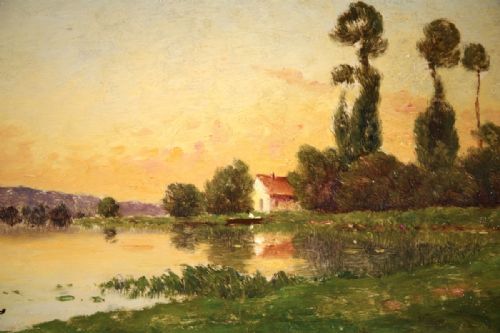


Impressionist Country Artwork
Impressionist country artwork captures rural life and landscapes through loose brushwork, predominantly spanning the early twentieth century.
Impressionist Country Artwork
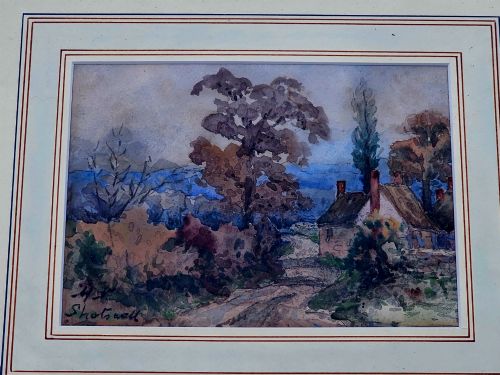
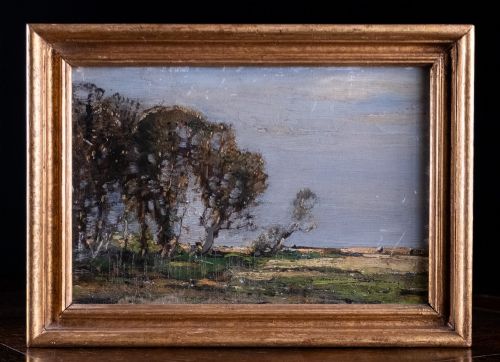
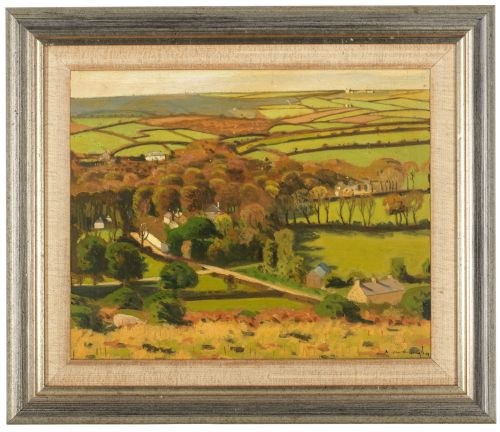
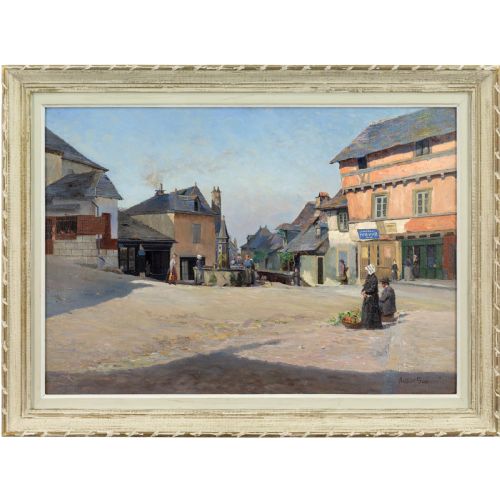
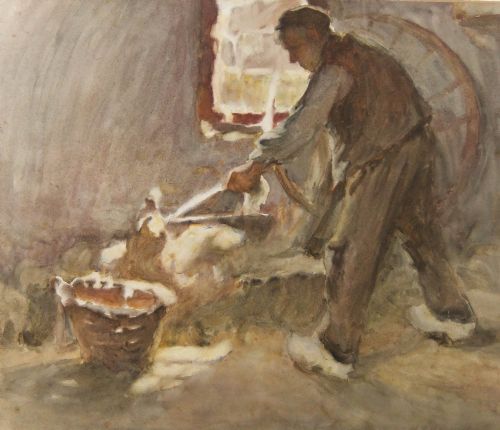
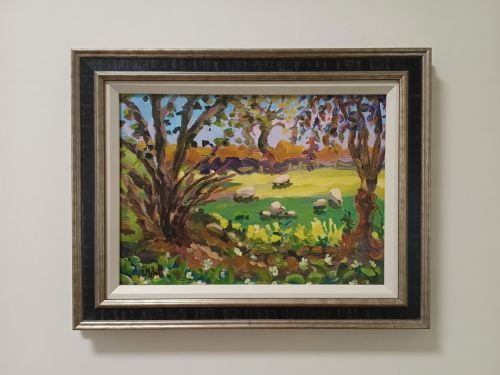
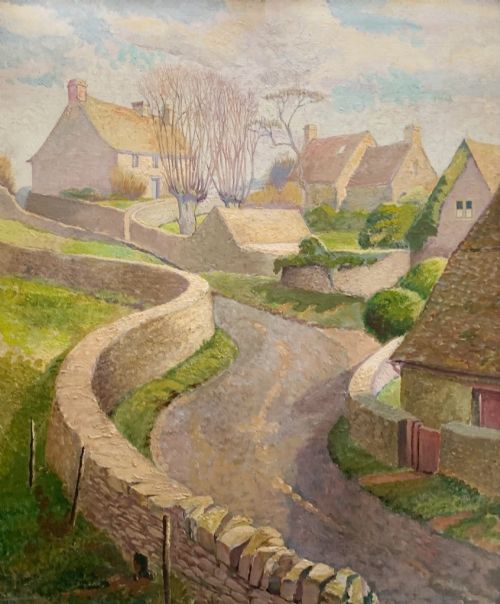
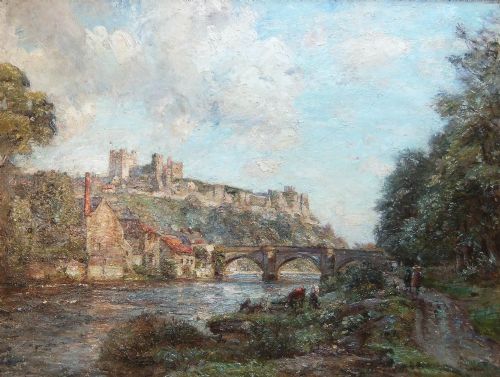
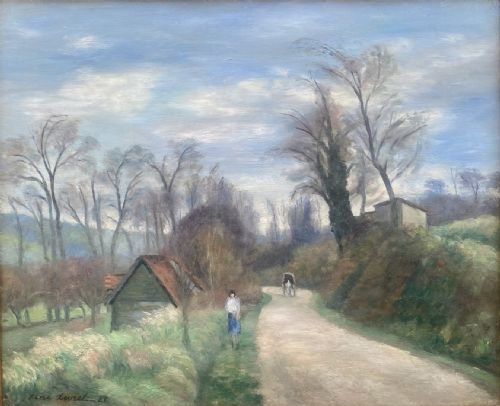
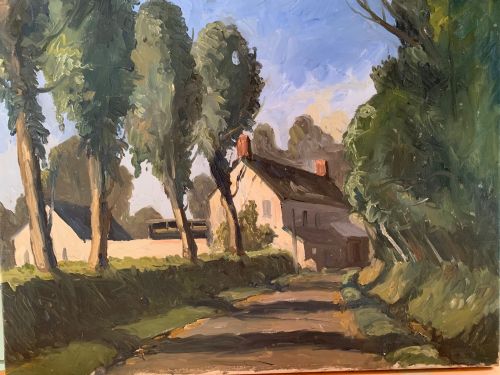
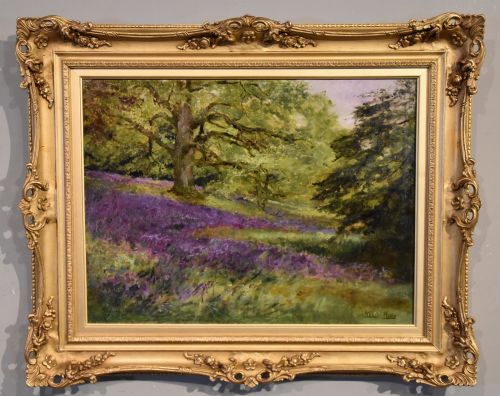
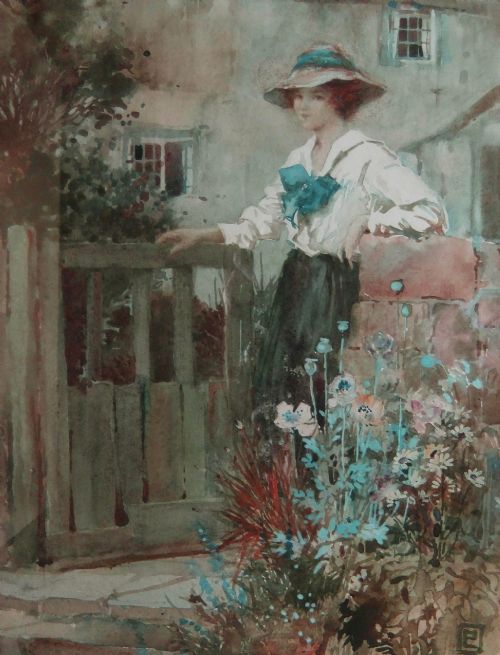
Impressionist country artwork brings together rural scenes, farmyards, and river landscapes executed in British Impressionism, Post-Impressionism, and Barbizon School styles. These pieces range from intimate watercolours to large oil paintings on canvas and wood panel.
Collectors frequently encounter works produced during the Edwardian era and the interwar decades up to the mid-twentieth century. The subjects focus on natural light, cottage gardens, and pastoral settings across English and French regions.
The category encompasses both finished studio paintings and plein air studies created on location. Makers utilised various supports including paper, board, and canvas to record rural topography.
Materials and technique
Artists applied oil paint and watercolour across canvas, wood panels, and heavyweight paper to capture shifting natural light. The handling relies on visible brushstrokes and layered pigments rather than rigid academic precision.
Supports range from traditional stretched canvas and prepared wood board to glass-framed watercolour paper. Painters worked both outdoors on site and inside studios using preparatory sketches.
Listings span from the 19th Century through the 1960s, featuring canvas, paper, wood, and oil paint.
Distinctions in quality
Quality rests upon the confidence of the brushwork and the artist's ability to render light and atmosphere convincingly across the composition. Stronger examples display deliberate tonal control within the pastoral subject matter.
The preservation of the original surface and framing context influences the integrity of the piece. Works retaining clear provenance and studio origins carry greater historical weight.
Kershaw Schofield·Robert Morson Hughes·Arthur Gue·Henry Silkstone Hopwood·Lucy Pratt·Herbert Royle·Rene Levrel·Henry Yeen King·Percy Lancaster·Hubert Wellington·Henri Jaques Delpy·Edgar Woollatt·Charles Walter Simpson·Harry Freckleton·William JB Jenkins·Ernest Higgins Rigg·Arthur Reginald Smith·Owen Bowen·William Greaves·Ernest Pile Bucknall·Rowland Henry Hill·John Atkinson·Henri Joseph Harpignies
The Impressionist Country Artwork Glossary
- Plein air
- Painting executed outdoors directly in front of the subject to capture transient natural light and weather conditions. This method defines much of the impressionist approach to rural landscapes.
- Post-Impressionism
- An artistic movement following impressionism that explored emotional resonance and structural form through bolder colour and defined outlines. Painters retained the outdoor subject matter while experimenting with technique.
- Barbizon School
- A French movement focused on realistic landscape painting rooted in observation of nature and peasant life. These works heavily influenced later British and continental impressionist artists.
- Board
- A rigid wooden or composite panel used as a painting support instead of woven fabric. Artists applied priming directly to the surface before laying down oils.
Impressionist Country Artwork: Frequently Asked Questions
What defines an impressionist country artwork?
These pieces focus on rural scenery, farms, and villages rendered through expressive brushwork and an emphasis on natural light. The style prioritises the overall visual atmosphere over minute topographical detail.
Most examples date from the late nineteenth century through the mid-twentieth century, reflecting changing approaches to landscape painting in Britain and France.
How do watercolours differ from oils in this period?
Watercolour paintings utilise pigments suspended in water applied to paper, often resulting in lighter, more transparent washes. Oil paintings employ pigment bound in drying oil on canvas, board, or wood, allowing for heavier impasto and richer textures.
Both mediums were used concurrently by artists recording rural scenes and village architecture.
How should I care for vintage oil paintings?
Keep paintings away from direct sunlight, extreme temperature shifts, and high humidity to protect the canvas and paint layers. Dust the surface gently with a soft, dry brush without applying pressure.
Avoid using water or chemical cleaners on the painted surface or the backing.
How can I identify the date of a piece?
Look for artist signatures, dates inscribed on the front or reverse, and exhibition labels attached to the frame or stretcher bars. Stylistic elements and framing materials also offer clues to the decade of production.
Archival records and artist catalogues raisonnés help confirm the active years of the painter.