



Impressionist Coastal Scene Art
Impressionist coastal scene art captures the shifting light and atmosphere of harbours, beaches, and fishing villages through loose brushwork.
Impressionist Coastal Scene Art
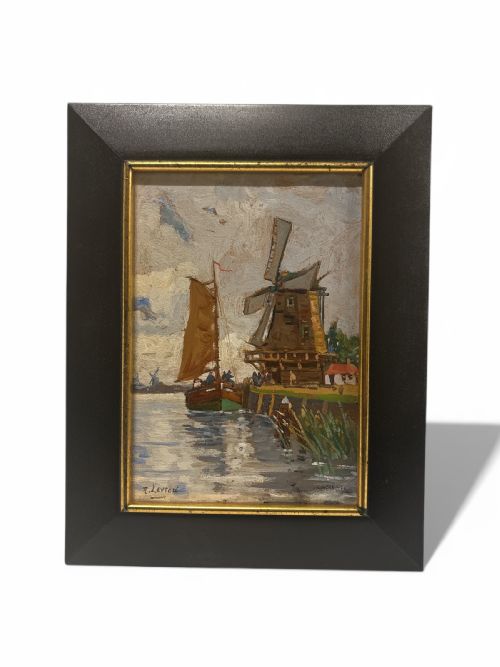
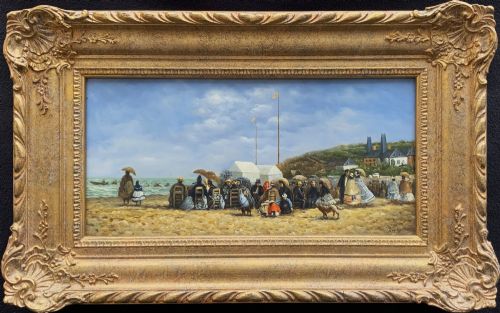
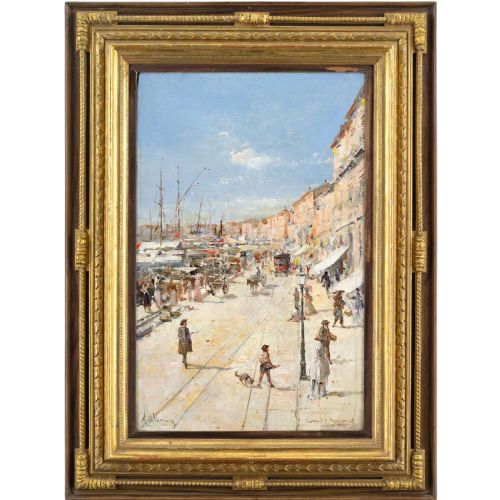
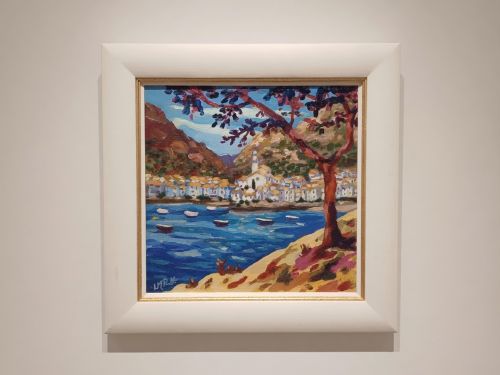
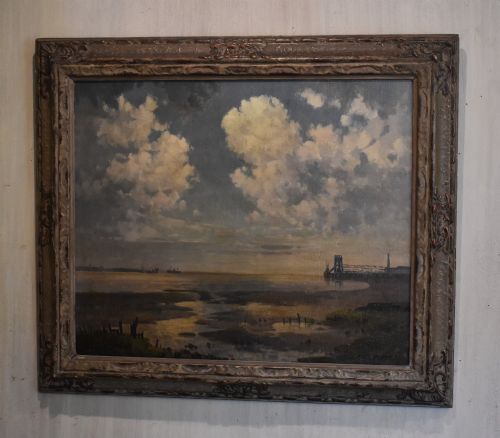
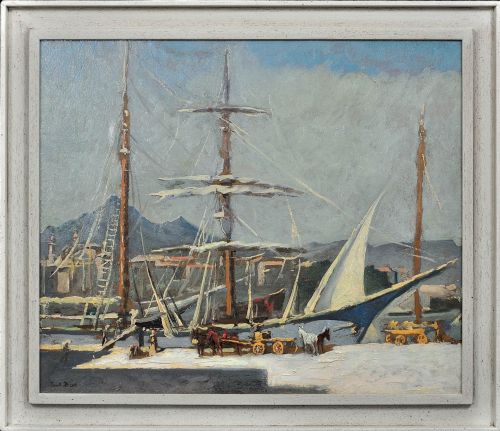
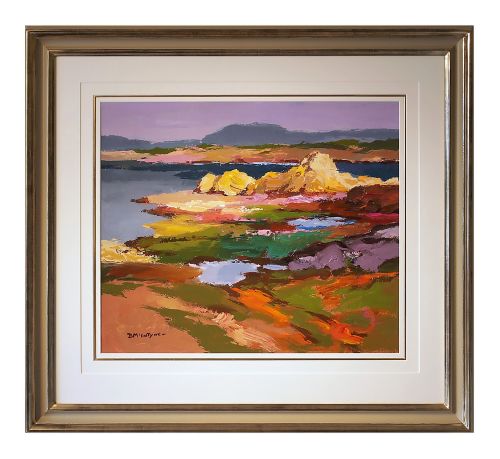
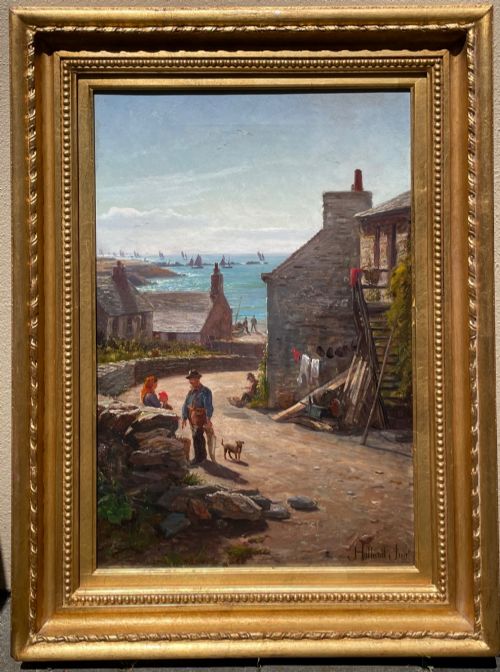
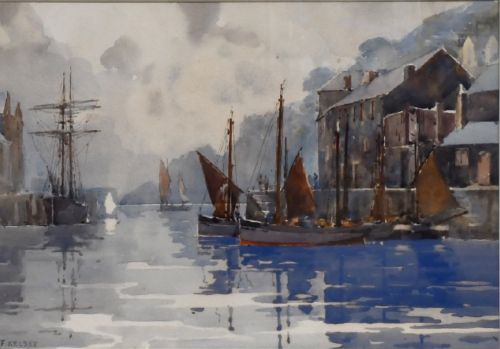
Impressionist coastal scene art encompasses oil paintings, watercolours, and works on canvas or paper depicting maritime subjects, harbours, and shores. These pieces record scenes from Cornwall, Scotland, France, and Italy across the nineteenth and twentieth centuries, reflecting regional artistic movements such as the Newlyn School and British Impressionism.
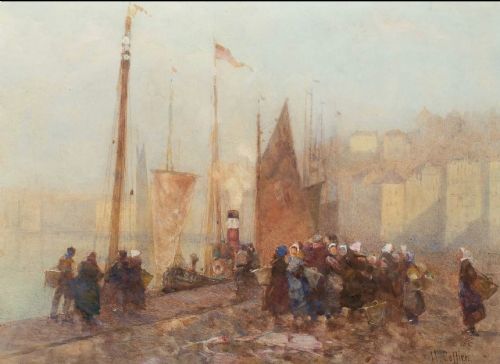
Buyers frequently encounter works executed in oil paint or watercolour that portray local fishermen, boats at low tide, and seaside gatherings. The selection spans Victorian examples up to mid-century modern interpretations, documenting harbour life and coastal topography through varied painterly approaches.
Materials and Technique
Artists painted primarily with oil paint on canvas or wood panels, alongside watercolours applied to paper. These mediums allowed painters to capture outdoor light and atmospheric conditions directly on location.
The technique relies on visible brushstrokes and rapid application of pigment to render water, sky, and coastal architecture without rigid academic finish.
Several canvases record the exact moment when French seaweed gatherers hauled their heavy harvest from the shore at low tide.
Distinctions in Quality
Quality rests in the handling of light, brush control, and the artist's ability to convey movement in water and atmosphere. Stronger examples demonstrate confident pigment placement and balanced composition over mere photographic recording.
The distinction also lies in provenance and attribution, where works signed by known regional painters carry greater art-historical weight than anonymous student pieces.
William Banks Fortescue·Augusto Alberici·Paul Bret·Hector Caffieri·Donald McIntyre·Gyrth Russell·William Lee Hankey·Sir David Murray·Ralph Todd
The Impressionist Coastal Scene Art Glossary
- Newlyn School
- An art colony based in Cornwall during the late nineteenth and early twentieth centuries that focused on plein-air painting of local fisherfolk and coastal life. Members worked directly from nature to capture authentic working conditions.
- Watercolour
- A paint consisting of pigment suspended in a water-based solution, typically applied to paper. It offers translucent washes that suit rapid coastal sketches and atmospheric skies.
- Post-Impressionism
- An art style following Impressionism that extended its use of vivid colours and thick paint while emphasising geometric forms or expressive content. It bridges traditional representation and modern abstraction.
- Plein Air
- The practice of painting outdoors to capture the actual light and transient qualities of a landscape or seascape. Artists recorded changing weather conditions directly beside the subject.
Impressionist Coastal Scene Art: Frequently Asked Questions
What subjects appear in these coastal scenes?
These works depict harbours, fishing boats, beach gatherings, and maritime landscapes from various coastal regions in Britain and Europe.
Common motifs include low tide scenes, seaweed gatherers, and vessels unloading their catch in ports like St Ives or Boulogne.
How do oil and watercolour works differ?
Oil paintings utilise heavy pigments on canvas or wood, allowing for thick impasto texture and layered reworking of the surface. Watercolours employ translucent washes on paper to achieve lighter, immediate effects of sea and sky.
Both mediums were used outdoors to capture changing coastal light.
Where were these paintings created?
Many pieces originate from established coastal art colonies and fishing ports in Cornwall, Yorkshire, Scotland, and the Isle of Man. Other works record continental harbours in France, Italy, and Sicily.
Artists travelled to these locations specifically to paint maritime communities and working boats.
How should I frame and display them?
Original frames often reflect the period of the painting, whether simple wood mouldings or more ornate Victorian surrounds. Displaying them away from direct sunlight protects both watercolour paper and oil pigments from fading over time.
Maintaining stable room humidity preserves the integrity of canvas and wooden panels.