


Impressionist Coastal Art
Impressionist coastal art captures the transient light and atmosphere of shorelines through loose brushwork and vibrant pigments.
Impressionist Coastal Art
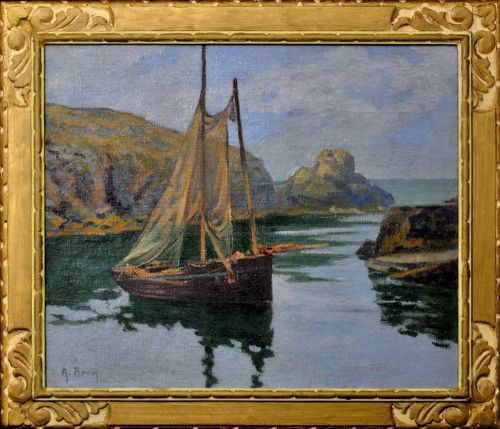
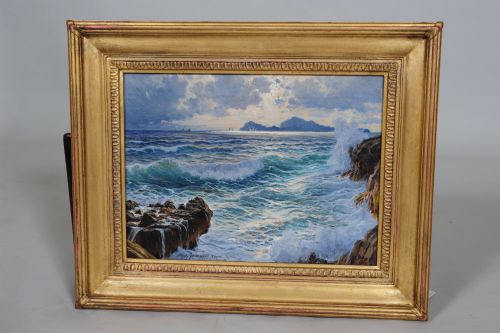
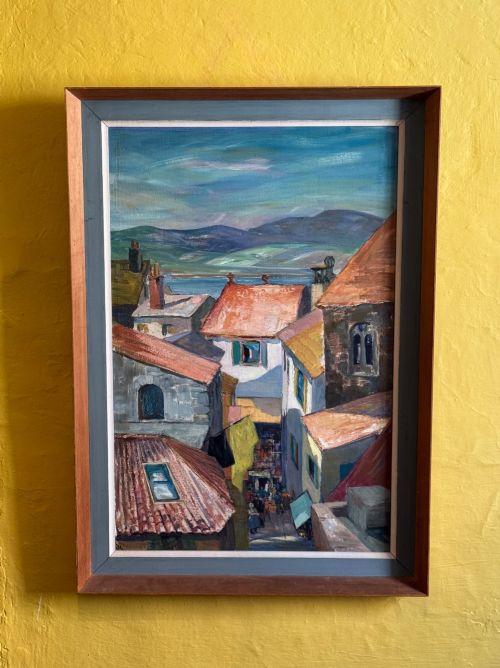
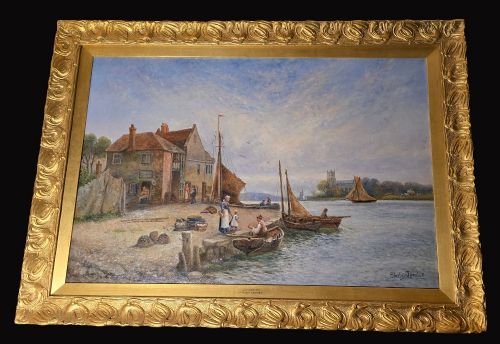
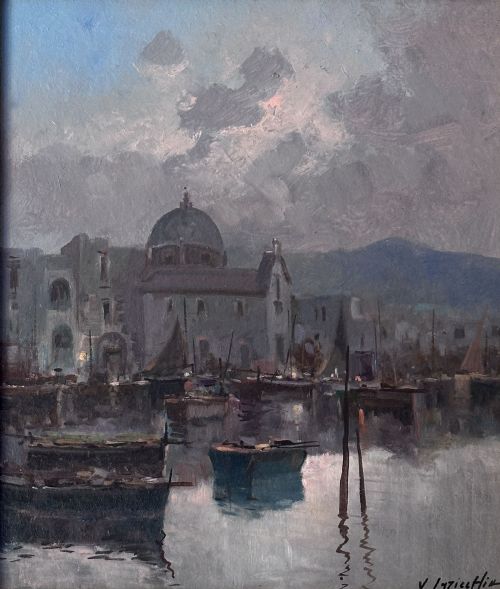
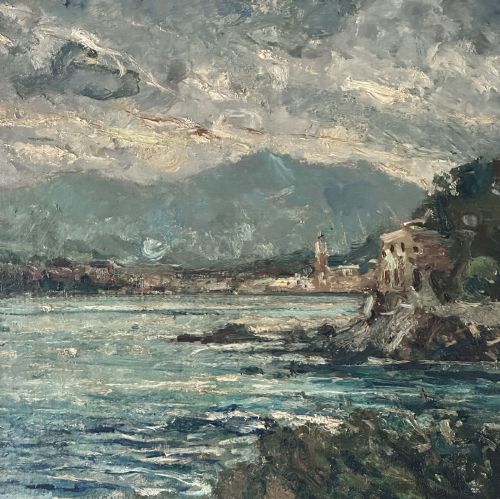
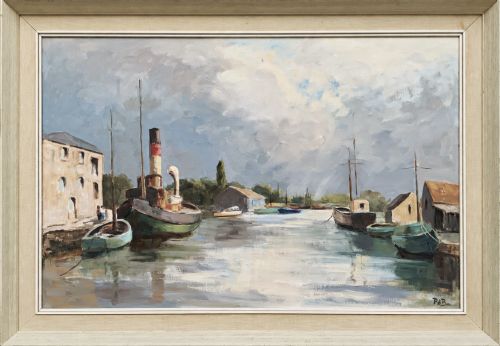
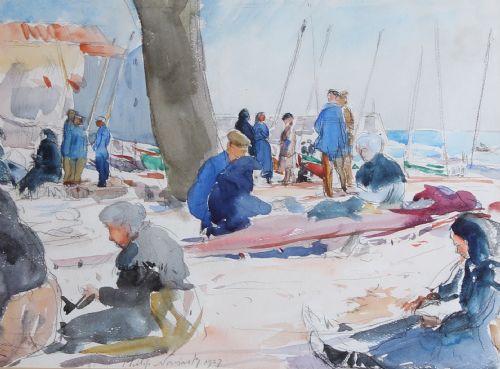
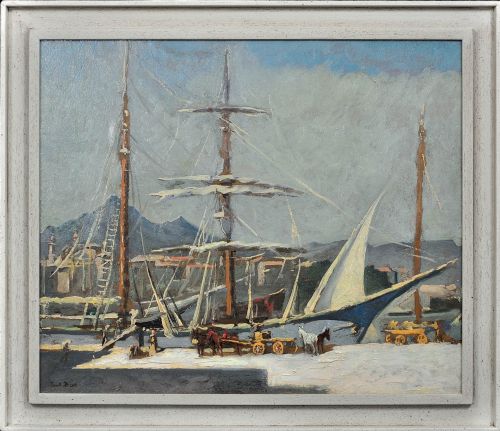
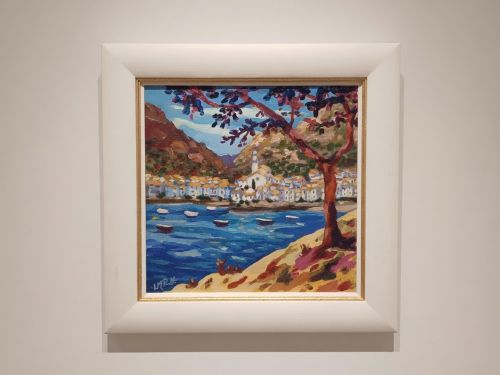
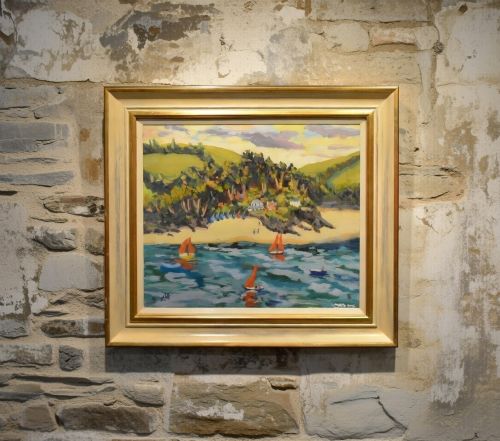
Impressionist coastal art focuses on marine views, harbours, beaches, and cliffs executed primarily during the late nineteenth and mid-twentieth centuries. Works span British and French traditions, capturing maritime activity and coastal landscapes through the lens of modernism.
Most pieces encountered on this page originate from the Edwardian era through the nineteen-sixties. Oil paintings on canvas or board dominate the selection, alongside watercolours on paper depicting locations from Cornwall to the Mediterranean.
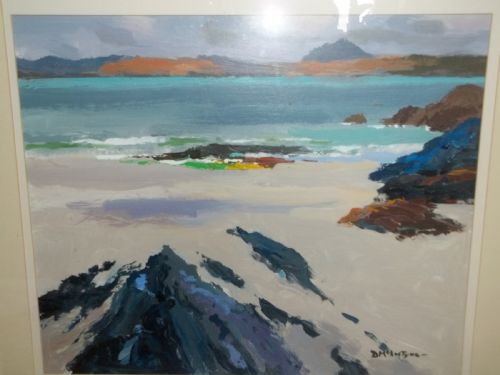
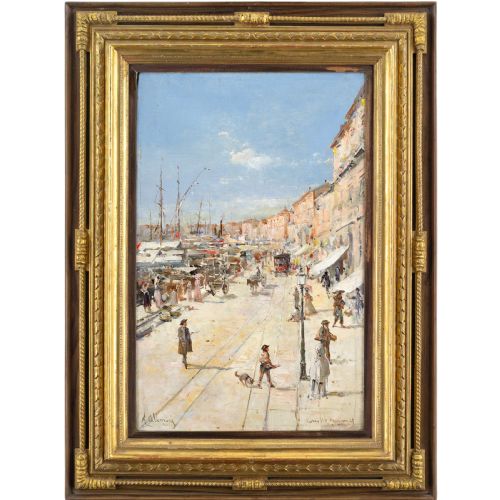
Subjects range from bustling fishing ports and unloading ships to quiet stretches of sand and calm seas on the shoreline. Artists utilise en plein air techniques to record changing atmospheric conditions directly from nature.
Materials and Techniques
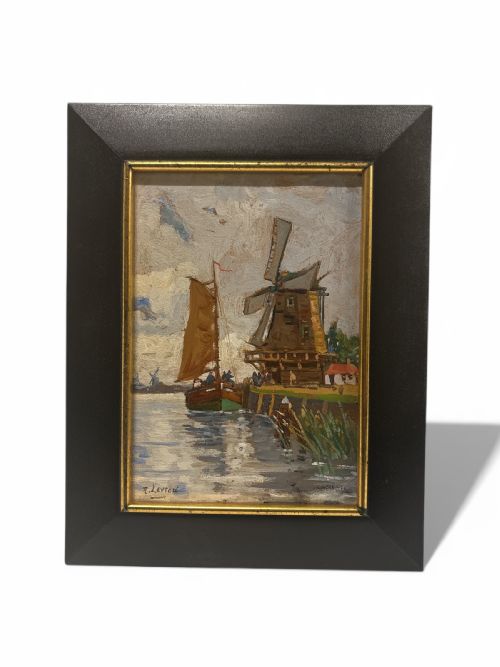
Artists apply oil paint or watercolour onto supports such as prepared canvas, wood panels, board, and heavy paper. Brushwork varies from thin washes of watercolour to thick, textured oil applications that build physical depth on the surface.
En plein air execution allows painters to work outdoors directly facing the subject to capture immediate visual impressions of light and weather. Many works are housed in period wooden frames that complement the painting style.
Impressionist Coastal Art Retail Price Guide 2026
Typical asking prices for impressionist coastal art among the pieces listed under this phrase on Sellingantiques today, from the lower quarter to the upper quarter. They describe what is for sale here now, not the wider market.
Listings feature works spanning the nineteenth century through the nineteen-sixties, utilising oil paint, watercolour, canvas, wood, and paper.
Assessing Quality
Quality rests upon the artist's ability to command light, atmosphere, and spatial depth with confidence in brush handling. Stronger works demonstrate a cohesive palette and assured composition that convey the specific mood of a coastal location.
Lesser examples may rely on formulaic execution or static draughtsmanship without capturing the vitality of the marine environment. The relationship between the painted medium and the chosen support dictates the longevity and visual impact of each piece.
Philip Naviasky·Donald McIntyre·Sidney A. Court·William Banks Fortescue·Augusto Alberici·Lucy Pratt·Clive Browne·Paul Bret·Hector Caffieri·Ethel Sands·Cecil Allan Mould·Erich Mercker·John Holland·Raymond Moritz·Joseph Edward Hennah·Edward Matthew Elliott·Louis Suire·Gustave Vidal·Gyrth Russell·Jean-Baptiste Olive·Raymond Picque·William Lee Hankey·George Turland Goosey·Norman Lloyd·Edward Seago
The Impressionist Coastal Art Glossary
- En plein air
- Painting outdoors to observe landscape and light conditions directly. This method encourages rapid execution to catch shifting shadows.
- Post-Impressionism
- An artistic movement following Impressionism that explores deeper emotional and structural expression. Artists reject strict naturalism in favour of bolder forms and colours.
- Watercolour
- A paint consisting of pigment suspended in a water-based solution applied to paper. It relies on the white of the paper to show through translucent washes.
- Canvas
- A closely woven fabric used as a surface for oil painting. It is typically stretched over a wooden frame before application.
- St Ives School
- An artist colony based in Cornwall known for producing significant marine and coastal works. Painters gathered there to interpret the unique coastal light.
Impressionist Coastal Art: Frequently Asked Questions
What subjects appear in impressionist coastal art?
These works depict harbours, beaches, cliffs, and estuaries with boats, fishermen, and coastal architecture. Scenes range from bustling ports in France and Sicily to quiet shores in Cornwall and Yorkshire.
Artists record everyday maritime life alongside wide expanses of sea and sky under varying weather conditions.
How do these paintings capture light?
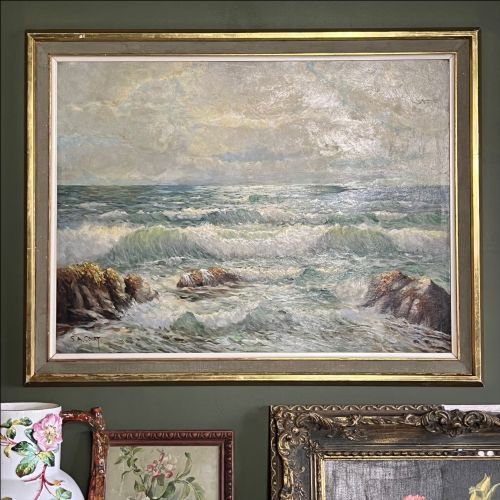
Painters utilise rapid brushstrokes and contrasting colour palettes to reflect the bright glare off water and wet sand. Working outdoors enables them to record the exact transient effects of sunlight.
Thick applications of oil paint enhance texture, allowing the surface to catch ambient light in the room.
Where were these coastal scenes painted?
Locations span British coasts including St Ives, Cornwall, Staithes in Yorkshire, and Dorset alongside French destinations such as Normandy, Brittany, and the Côte d'Azur. Mediterranean ports in Italy also feature prominently.
Artists travelled extensively to coastal colonies to find dynamic subject matter.
How do I date a piece?
Dating relies on recorded artist lifespans, exhibition dates, stylistic markers of Impressionism and Modern British art, and framing materials. Signatures and title inscriptions on the reverse provide further clues.
Mid-century works show different colour harmonies and board supports compared to late nineteenth-century watercolours.