

Impressionist Canvas Art
Impressionist canvas art brings vibrant oil painting into a room through textured brushwork and natural light.
Impressionist Canvas Art
Impressionist canvas art consists of oil paintings created on stretched fabric support, spanning periods from the nineteenth century through the mid-twentieth century and later.
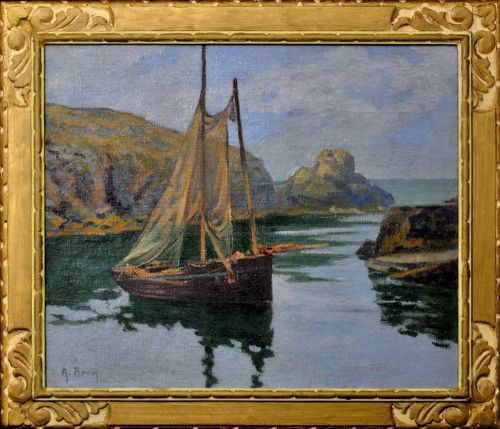
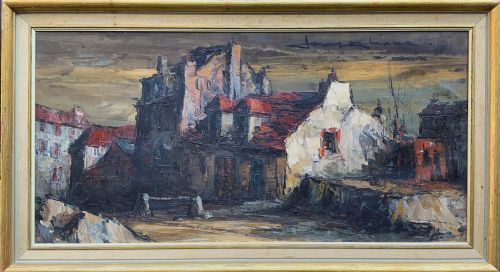
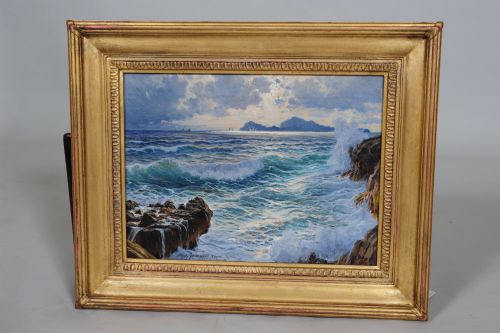
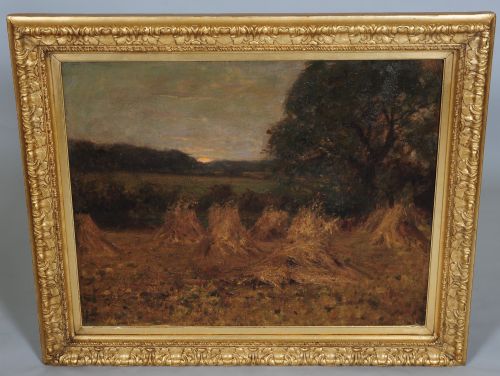
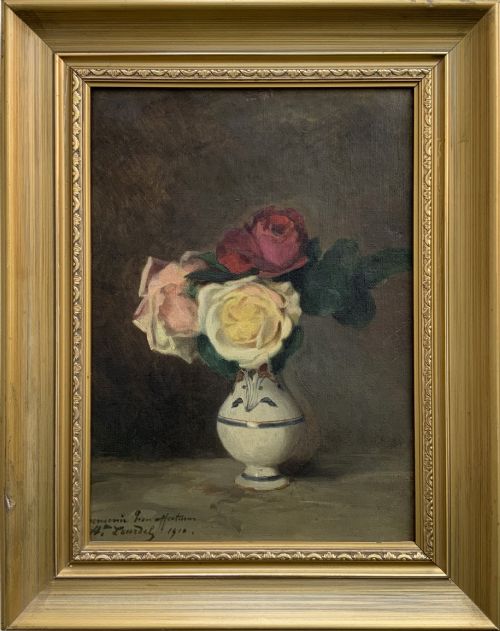
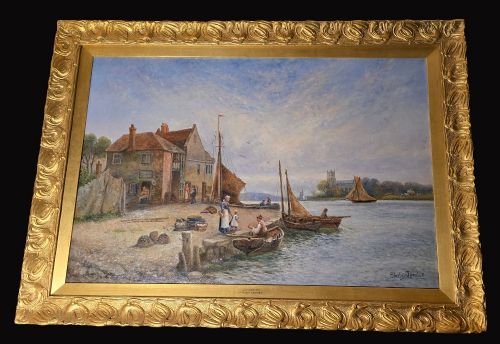
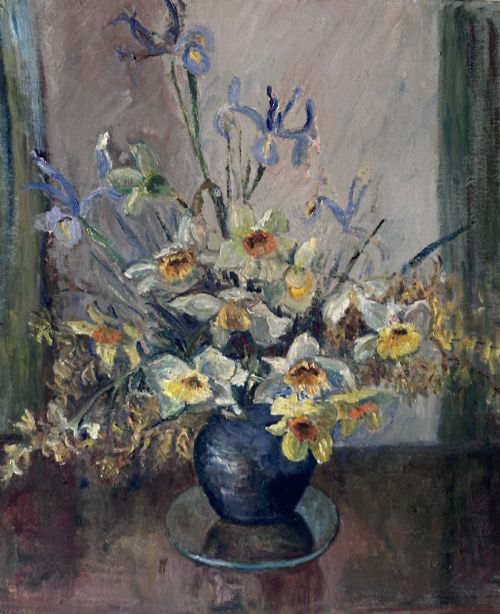
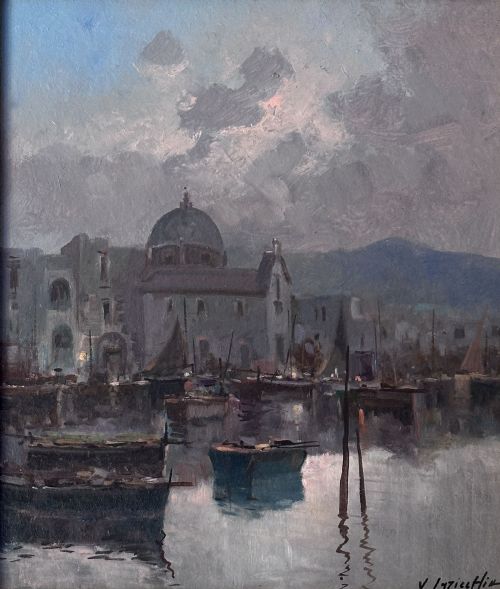
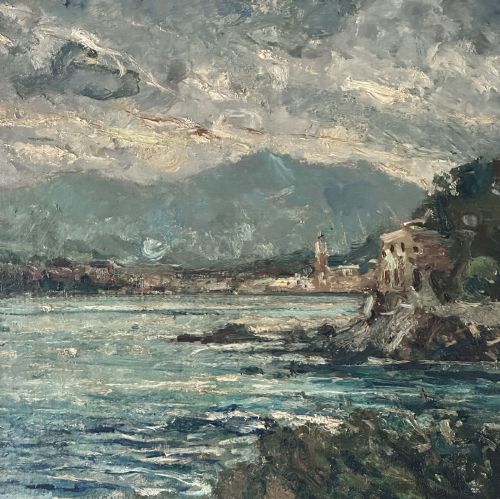
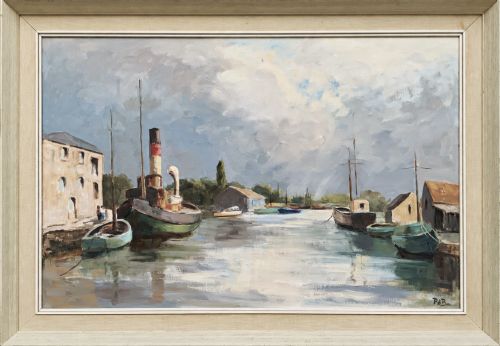
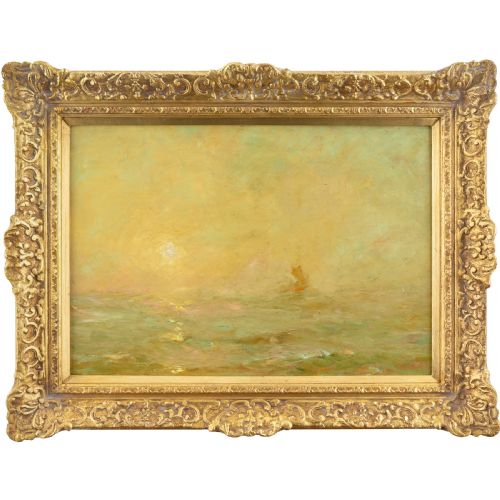
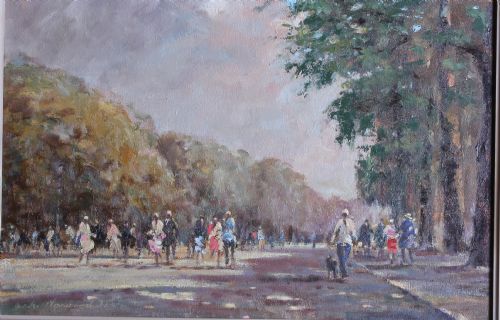
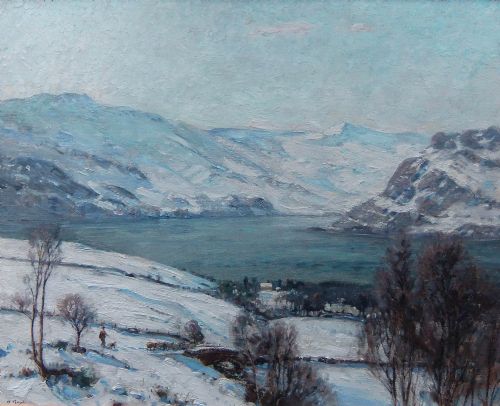
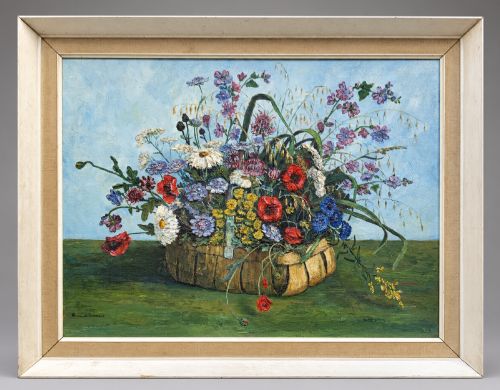
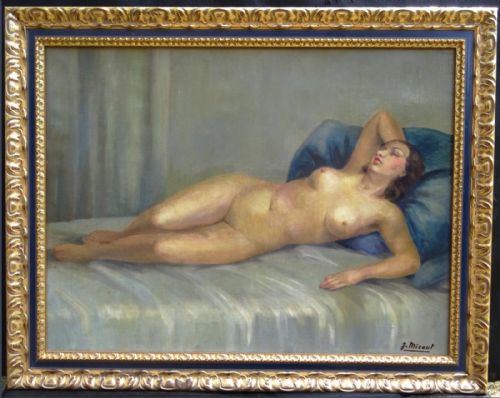
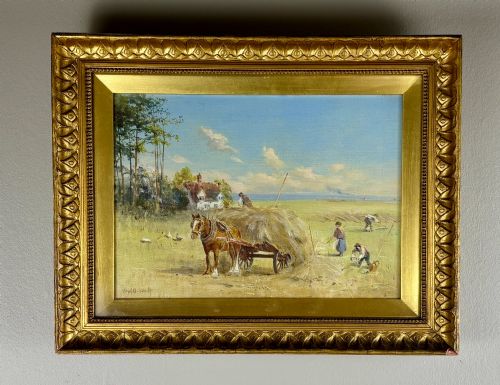
The works appearing on this page span British Impressionism, Post-Impressionism, and Mid-Century Modern styles, capturing landscapes, marine scenes, portraits, and still lifes.
Buyers meet pieces originating from various European and British schools, often housed in period wooden or gilt frames.
Materials and Technique
Artists painted primarily with oil paint applied to woven canvas supports, sometimes utilising wooden boards as alternative backing materials.
Makers built surface texture using thick brushstrokes, working with oil pigments that captured shifting natural light and atmospheric conditions.
Many surviving works retain their original timber surrounds, frequently enhanced with gold leaf, gilt, or painted wooden finishes.
Impressionist Canvas Art Retail Price Guide 2026
Typical asking prices for impressionist canvas art among the pieces listed under this phrase on Sellingantiques today, from the lower quarter to the upper quarter. They describe what is for sale here now, not the wider market.
Listings feature oil on canvas works spanning the nineteenth century through the 1960s, alongside pieces created later than 1960.
Evaluating Quality
Quality rests upon the confidence of the brushwork and the artist's ability to render light and movement convincingly across the canvas surface.
The harmony of the composition and the preservation of the original paint layer distinguish finer examples from standard decorative works.
Sushila Singh·Willem J Palman·Hugh Barry-Scott·Hans Harlander·Arthur Wardle·Eugène-Louis Gillot·George Houston·Herbert Royle·Robert Morson Hughes·James Kay·Augusto Alberici·Gabriel Mathieu·Arthur Gué·John Lübschitz·Lucy Pratt·Antonio DeVity·Paul Bret·Konstantin Stoitzner·Emma Fordyce MacRae
The Impressionist Canvas Art Glossary
- Canvas
- A heavy woven fabric used as a support surface for oil painting. It is typically stretched tightly over a wooden frame before the artist begins.
- Oil Paint
- A slow-drying paint made by mixing pigments with oils such as linseed. This medium allows for rich colour blending and textured impasto effects.
- Gilt Wood
- Timber carved or assembled and coated with a thin layer of gold leaf or metallic paint. It frequently forms the decorative frame surrounding an oil painting.
- Post-Impressionism
- An art movement extending the stylistic approaches of impressionism while rejecting its limitations. Artists prioritised symbolic content and heavier geometric structures.
- Impasto
- A technique where paint is laid onto a canvas in very thick areas. This makes brush or palette-knife marks clearly visible to the viewer.
Impressionist Canvas Art: Frequently Asked Questions
What is impressionist canvas art?
Impressionist canvas art comprises oil paintings executed on fabric supports that focus on light, brushwork, and everyday subjects.
These works span the nineteenth and twentieth centuries, capturing landscapes, seascapes, and still lifes.
How should I hang these paintings?
These works require wall space away from direct sunlight and damp conditions to protect the oil paint and canvas.
Matching the frame, whether gilt wood or simple timber, to the room helps integrate the piece into an interior.
How do I identify the period?
Dating relies on stylistic clues, framing methods, and signatures recorded by the artist on the canvas or stretcher.
Records often link specific painters to eras such as the Edwardian period or mid-century modern movements.
Were these always framed?
Most oil paintings on canvas were fitted with wooden or gilt frames to protect the edges and complete the composition.
Frames frequently date from the same era as the painting itself, though some pieces acquired replacement surrounds later.