

Impressionist Art Painting
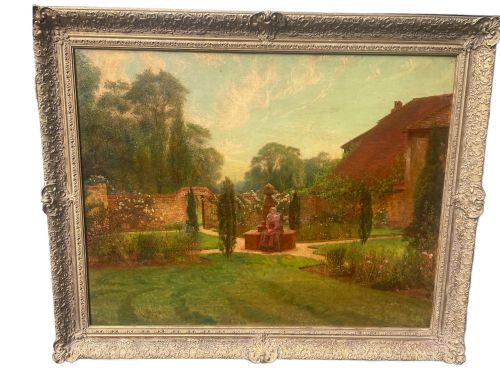
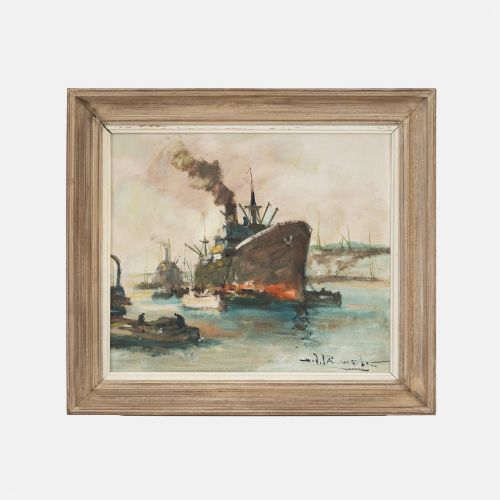
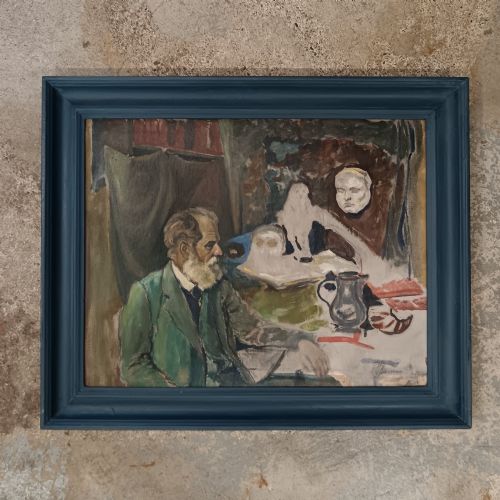
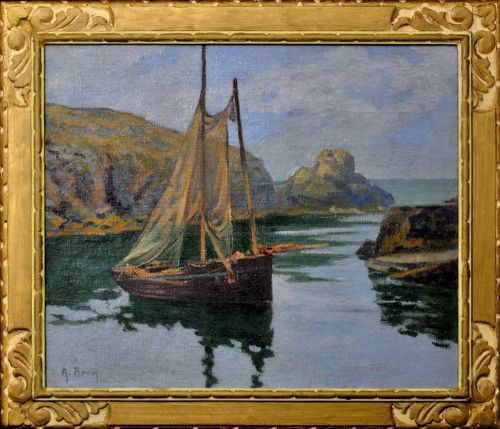
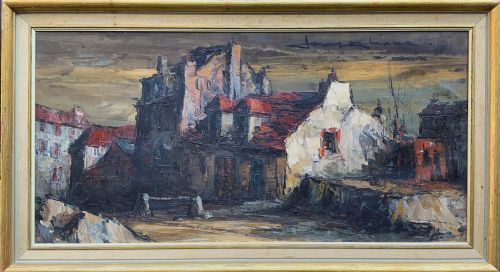
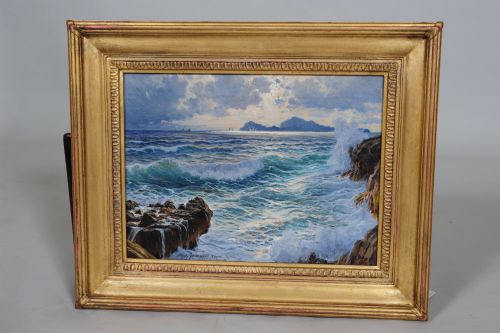
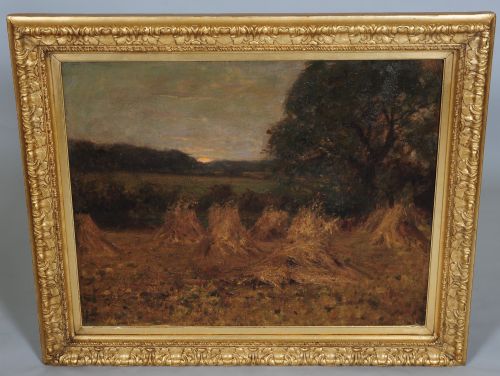
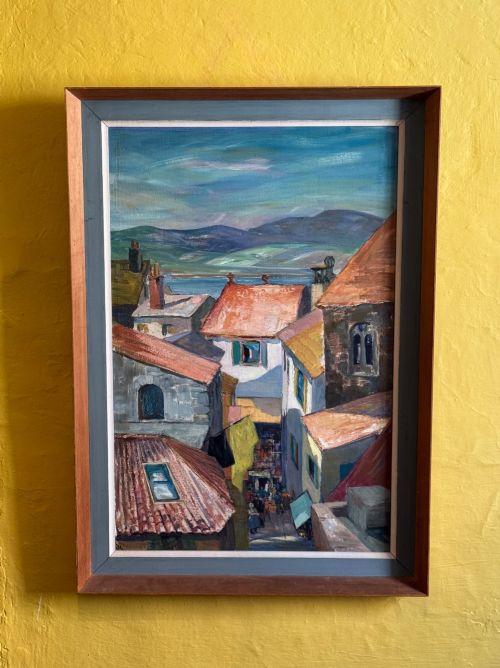
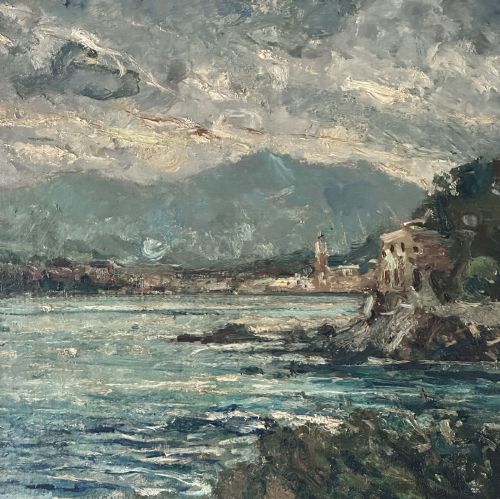
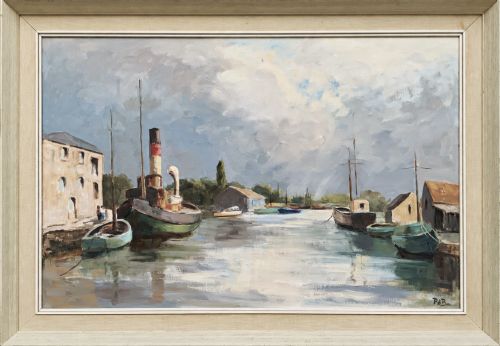
Impressionist art painting brings together 19th century, Edwardian, and mid-century works executed in oil and watercolour.
Impressionist Art Painting
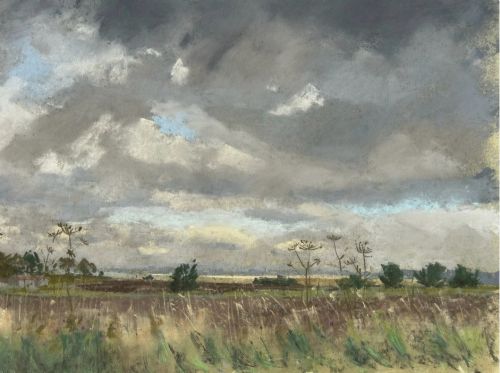
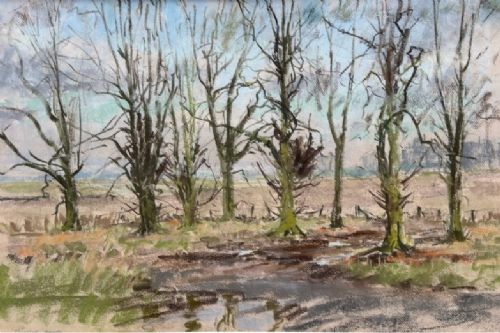
Buyers browsing an impressionist art painting selection encounter original oils on canvas, oils on board, and watercolour paintings originating from the nineteenth century through the mid-twentieth century, including later mid-century pieces.
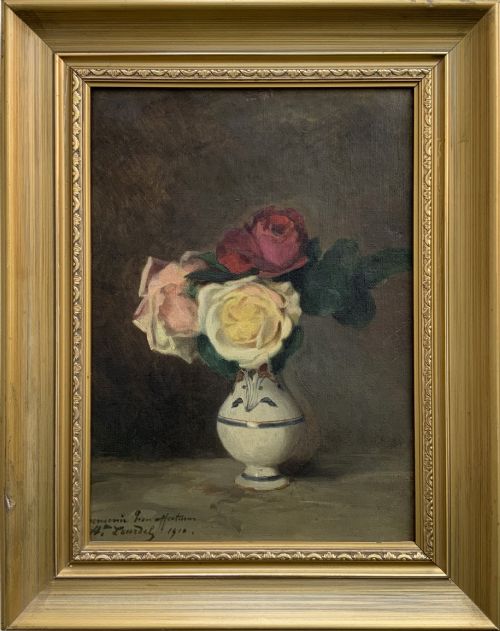
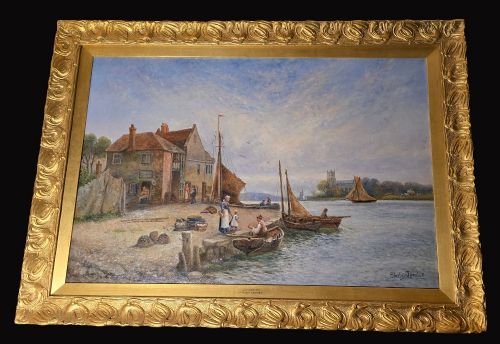
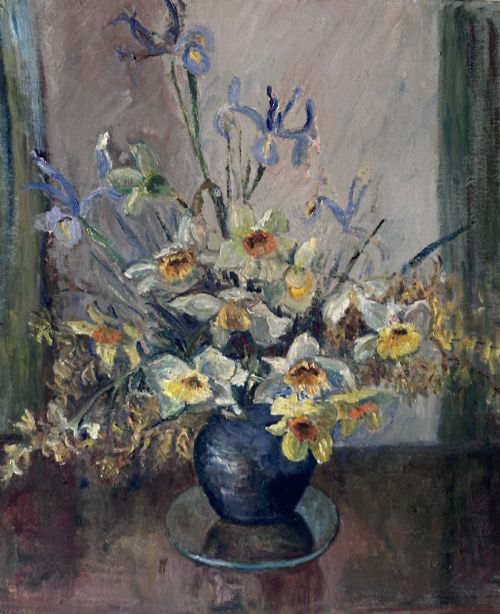
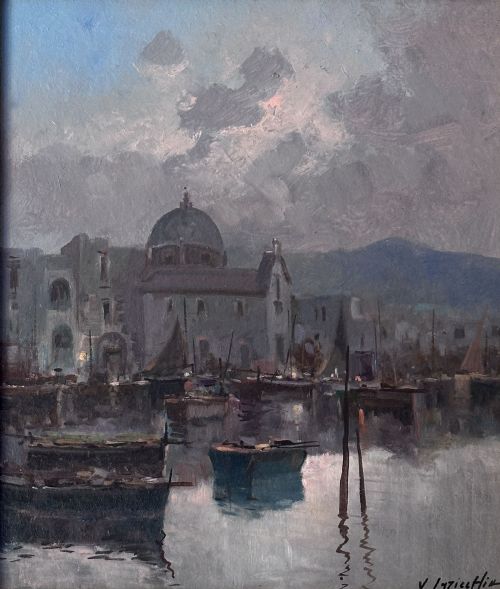
The subjects span coastal marine scenes, landscapes, townscapes, portraits, and floral still lifes created under various movements such as British Impressionism, Post-Impressionism, and British Realism.
Most examples date from the early twentieth century, capturing plein air light and domestic or natural settings through visible brushwork.
How they were made
Artists painted primarily with oil paint or watercolour applied to stretched canvas, wooden board, or paper supports.
Many works incorporate en plein air techniques to capture natural light outdoors, often mounted within wooden or gilt frames.
Impressionist Art Painting Retail Price Guide 2026
Typical asking prices for impressionist art painting among the pieces listed under this phrase on Sellingantiques today, from the lower quarter to the upper quarter. They describe what is for sale here now, not the wider market.
Support materials recorded across the inventory include canvas, wood, paper, and traditional oil paint.
What varies in quality
Quality rests in the handling of light, brushwork energy, and compositional balance rather than the mere presence of a signature or frame.
Works showing confident application of pigment on canvas or board outrank stiffer, more rigid student pieces from the same periods.
Philip Naviasky·Herbert Royle·Sir David Murray·Sushila Singh·Willem J Palman·Hugh Barry-Scott·Donald McIntyre·R Leyton·George Graham·Hans Harlander·Arthur Wardle·I Berezny·Eugène Louis Gillot·Sidney A Court·Kershaw Schofield·George Houston·D L Williams·William Banks Fortescue·Robert Morson Hughes·James Kay·Augusto Alberici·Gabriel Mathieu·Arthur Gué·Henry Silkstone Hopwood·Charles Houben
The Impressionist Art Painting Glossary
- Oil on Canvas
- Pigment suspended in drying oil applied to a woven fabric support. This method allows for rich texture and deep colour layering.
- Watercolour
- Water-soluble pigment paint applied to paper. It creates transparent washes that rely on the white of the paper for luminosity.
- En Plein Air
- The act of painting outdoors to capture direct natural light and atmospheric conditions. Artists embraced this method to record transient visual effects.
- Post-Impressionism
- An artistic movement following impressionism that extended its use of vivid colours and thick brush strokes while adding bolder geometric structures.
- Gilt
- A thin layer of gold leaf or gold paint applied to wooden frames. It provides a reflective decorative border for the artwork.
Impressionist Art Painting: Frequently Asked Questions
How do I care for an oil painting?
Keep the piece away from direct sunlight and dramatic humidity changes to protect the canvas and wooden stretcher.
Dust the surface gently with a dry, soft brush and avoid using water or chemical cleaners on the pigment.
What is the difference between oil and watercolour?
Oil paint uses a drying oil binder that sits on top of canvas or board, allowing for thick textures and gradual blending.
Watercolour uses water-soluble binders on paper, producing transparent washes that require glass framing for protection.
How can I tell the period of a painting?
Examine the materials of the stretcher, frame, and canvas support alongside any artist signatures and recorded dates.
Stylistic markers such as Edwardian realism or mid-century abstract tendencies also point to specific decades.
Where should I hang a landscape painting?
Select an interior wall with stable temperature and indirect lighting to preserve the integrity of the paint and paper.
Pair the scale of the artwork with the surrounding wall space to ensure balanced visual weight in the room.