



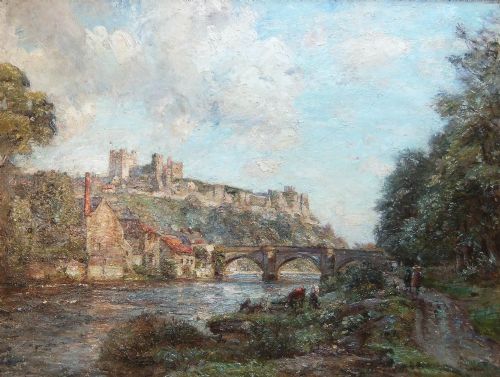
Impasto Canvas Art
Impasto canvas art brings thick, tactile texture and rich colour to your walls, transforming a standard painted surface into a deeply dimensional focal point.
Impasto Canvas Art
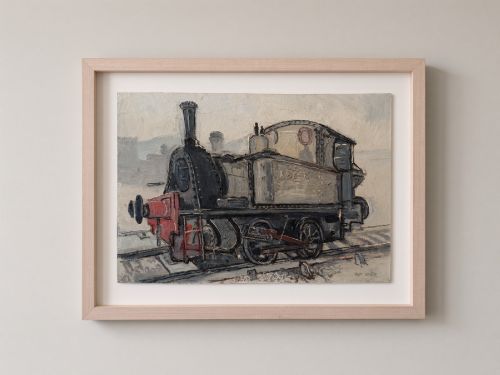
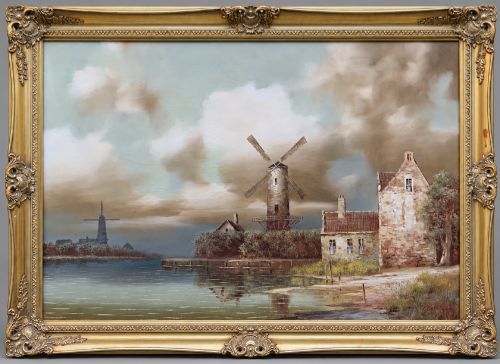
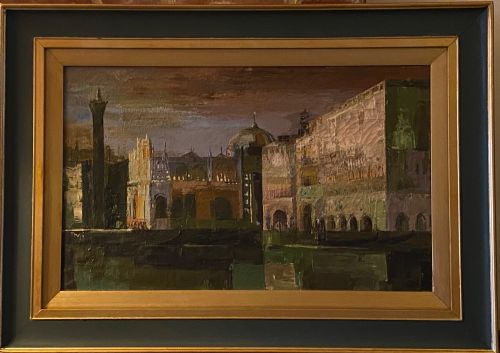
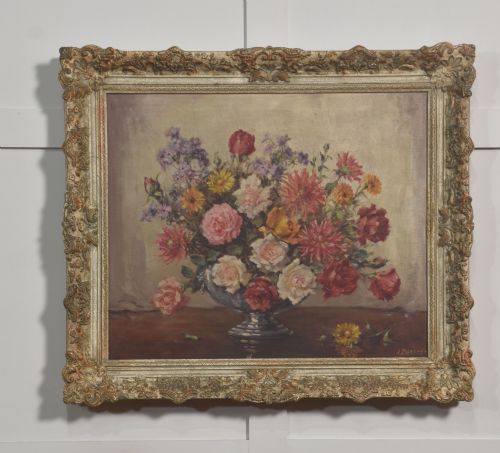
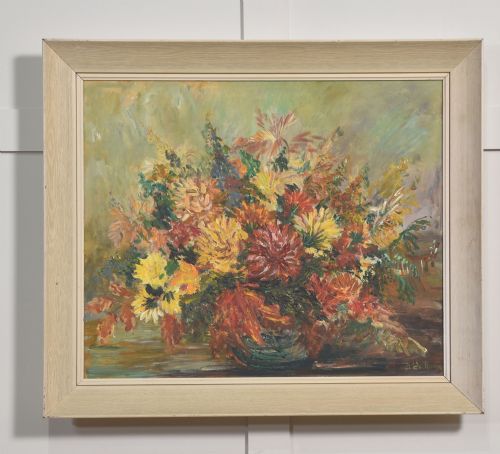
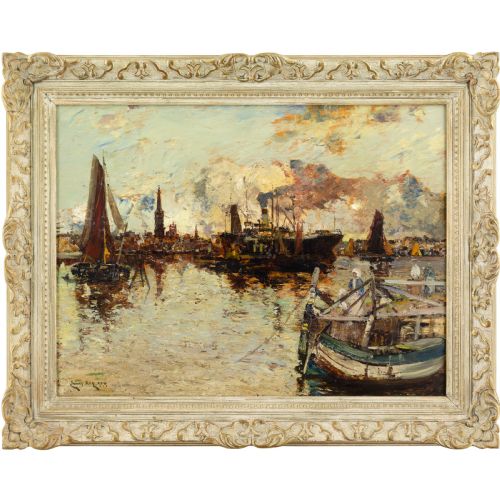
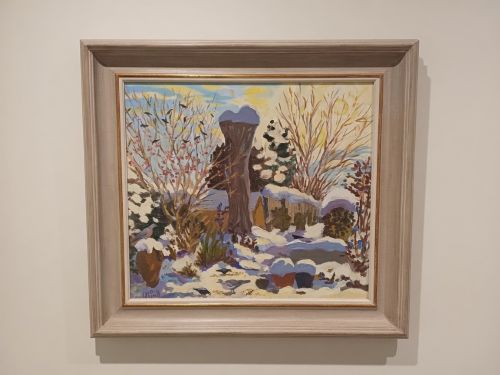
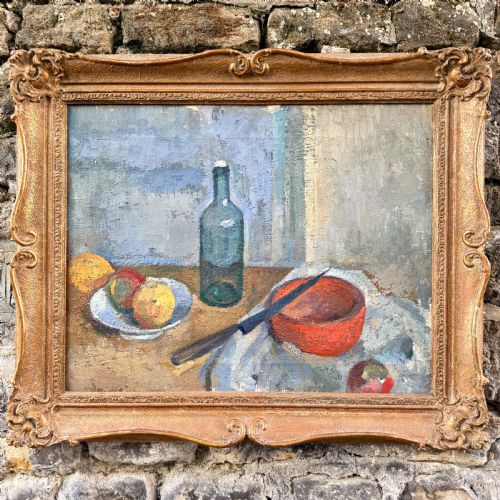
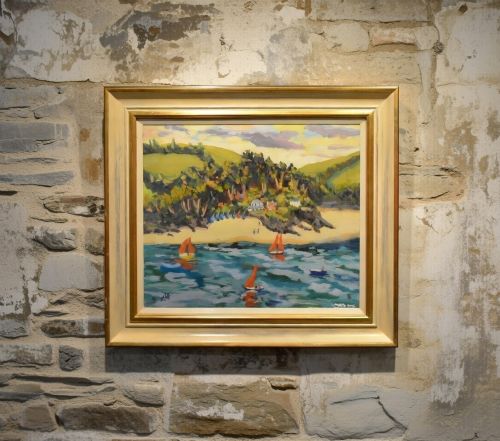
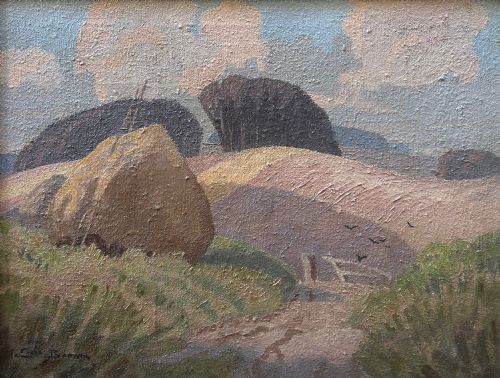
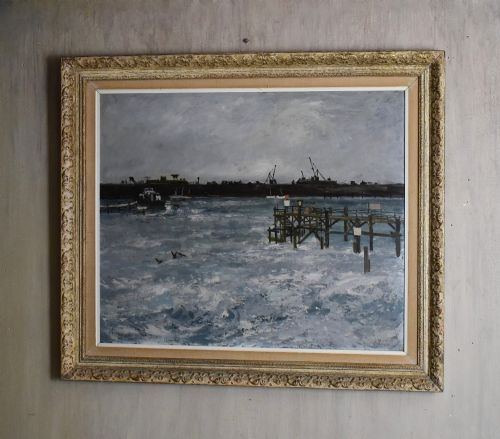
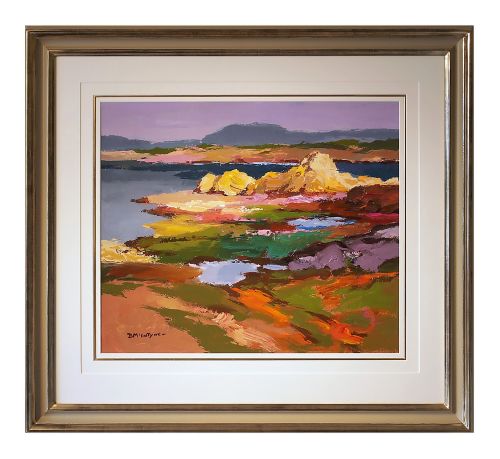
Impasto canvas art encompasses textured paintings where thick pigment stands proud of the support, creating tangible depth that catches the light. The pieces collected here span the twentieth century, with a strong representation of mid-century expressionism, impressionism, and post-impressionism.
Most examples you encounter on this page date from the nineteen-fifties and sixties, alongside earlier twentieth-century works. Common subjects range from coastal harbours and industrial townscapes to floral still lifes and abstract cityscapes.
The primary supports are canvas and board, frequently housed within period gilt wood frames that complement the heavy application of oil paint. Artists utilise the physical body of the paint to describe form, light, and movement with tangible vigour.
Distinctions in quality
Quality rests in the purposeful control of the thick medium, where the heft of the paint serves the composition rather than obscuring it. Superior pieces demonstrate a confident rhythm in the knife or brush work, giving structural integrity to landscapes, figures, and abstracts alike.
The harmony between the canvas surface and the framing contributes to the overall integrity of the piece. Well-preserved paint layers with stable drying characteristics distinguish the finer works from those showing compromises in handling.
Styles represented across the inventory include British Impressionism, Post-Impressionism, Expressionism, and Mid-Century Modern.
Fred Yates·Sushila Singh·Kenneth Cozens·James Kay·Lucy Pratt·Peter Brannan·Donald McIntyre·Herbert Royle·Ronald Ossory Dunlop·Elisabeth Bardon·Jean Baptiste Olive·Raymond Picque·Gaetan Dumas·Gabriel Dauchot·Cecil Rochfort D Oyly John·Mercedes Legrand·Baruch Shalom Oskotsky·Caroline Burnett
The Impasto Canvas Art Glossary
- Impasto
- A technique where oil paint is laid onto a canvas or board in very thick applications, standing out from the surface so that texture is clearly visible.
- Oil on canvas
- A traditional painting method utilising pigments suspended in drying oils, spread across a woven fabric support stretched over a wooden frame.
- Post-Impressionism
- An art movement developing roughly from the late nineteenth century into the mid-twentieth century, extending impressionist themes while rejecting its limitations for expressive depth.
- Gilt wood
- Timber frames covered with a thin layer of gold leaf or metallic gilt, commonly used to frame oil paintings from various twentieth-century periods.
- Board
- A rigid flat panel, such as wood or composition board, utilised as an alternative surface to stretched fabric for oil painting.
Impasto Canvas Art: Frequently Asked Questions
What defines impasto canvas art?
Impasto canvas art is defined by the thick application of oil paint where the physical brush or knife strokes remain prominent on the surface. This technique creates a three-dimensional quality that catches light and shadow independently of the painted subject.
Most examples found here date from the twentieth century, executed on canvas or board by artists working within impressionist and modernist traditions.
How should I hang these paintings?
These works require sturdy wall fixings due to the combined weight of the wooden stretcher, thick oil paint, and often substantial gilt wood frames. Ensure the hanging wire and wall hooks match the weight capacity of the individual piece.
Position the painting away from direct heat sources and strong, prolonged direct sunlight to protect the oil pigment and canvas substrate over time.
How do I care for thick paint surfaces?
Dust accumulation in the recesses of thick paint can be gently managed with a very soft, dry artist's brush or feather duster. Avoid using damp cloths, chemical cleaners, or pressured air directly on the textured surface.
Maintaining a stable room temperature and moderate humidity prevents the canvas and thick oil layers from experiencing stress or cracking.
How do I identify mid-century pieces?
Mid-century works often feature distinct stylistic traits from the nineteen-fifties and sixties, including abstracted townscapes, bold colour palettes, and expressive knife work. The materials, framing styles, and signatures corresponding to known twentieth-century painters provide additional context for dating.
Examining the reverse of the canvas or board frequently reveals historical framing notes, artist inscriptions, or gallery labels from the period.