





Impasto Architectural Wall Art
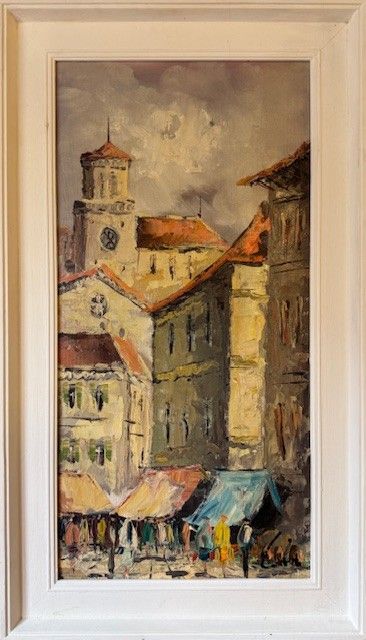
Impasto architectural wall art brings tangible depth to cityscapes and buildings, using heavy paint surfaces that invite the eye across textured streets and historic facades.
Impasto Architectural Wall Art
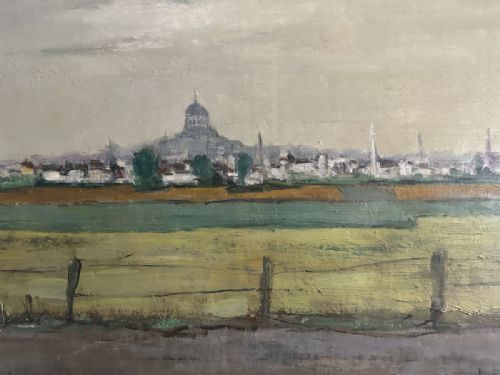
Impasto architectural wall art consists of painted scenes depicting buildings, bridges, markets, and cityscapes created with heavy, raised applications of paint. These works capture urban subjects ranging from Parisian streets and French market squares to German canals and Venetian views.
The pieces appearing on this page span several decades of the twentieth century, drawing from the nineteen-twenties through to the nineteen-sixties. Artists utilise approaches rooted in mid-century impressionism, expressionism, and post-impressionism to render urban forms with bold texture.
Buyers encountering these selections will find oil paintings rendered on canvas, board, and wood supports. Many are housed within frames featuring gilt moulding or gilded wood, which complement the substantial application of paint on the surface.
How these pieces were made
Makers build up thick layers of oil paint using brushes or palette knives on canvases and boards made of wood. This heavy application leaves distinct ridges and tool marks that sit proud of the picture plane.
Surfaces receive structural definition through these raised pigment applications, turning painted architectural elements like cathedral walls, bridges, and houses into physical reliefs. Canvases and wooden panels provide the rigid foundation necessary to support the heavy weight of dried oil paint.
Listings feature works created across several decades, specifically highlighting the years 1920, 1940, 1950, and 1960.
What varies in quality
Quality rests upon how effectively the heavy pigment builds the sense of three-dimensional space within the architectural subject. Stronger examples use the thickness of the paint to describe light hitting stone facades and bustling streets with clarity.
The handling of the brush and knife dictates the vitality of the urban scene, distinguishing works with confident, purposeful texture from those with flat application.
Lilian Colbourn·Caroline Burnett·E A Minardo·Emanuele Cappello
The Impasto Architectural Wall Art Glossary
- Impasto
- A technique where paint is laid onto a canvas in very thick layers, usually thick enough that the brush or painting-knife strokes are visible. This method allows the paint to stand proud of the surface.
- Oil on Canvas
- A painting execution where oil-based pigments are applied to a stretched woven fabric support. This combination offers durability and a flexible ground for heavy paint application.
- Post-Impressionism
- An art movement extending the styles of impressionism while rejecting its limitations, focusing on extended symbolic use of form and colour. Works in this vein often emphasise bold outlines and expressive brushwork.
- Gilt Moulding
- A decorative framing element covered with a thin layer of gold leaf or gold-coloured finish. It provides a reflective border that contrasts with the textured paint surface within.
Impasto Architectural Wall Art: Frequently Asked Questions
What is impasto architectural wall art?
These works are oil paintings on canvas or board that depict buildings, cityscapes, and streets using exceptionally thick layers of paint. The physical build-up of pigment gives the architectural elements a tangible, three-dimensional quality.
Subjects typically include European urban scenes such as French markets, Parisian houses, and Venetian canals created across the early and mid-twentieth century.
How do I choose the right piece?
Consider the specific architectural subject and the era that appeals to your space, noting whether you prefer the looser touch of impressionism or the bolder strokes of expressionism. The texture of the paint and the character of the supporting frame also shape the visual impact.
Pay attention to how the artist uses heavy paint to capture light and form on buildings and bridges within the composition.
How should I hang these heavy paint works?
Ensure your wall fixings are secure and rated for the combined weight of the wooden support and the thick layers of oil paint. Solid picture hooks matching the weight of the piece will keep the artwork stable.
Position the painting where room lighting can strike the textured surface at an angle, highlighting the raised impasto strokes on the buildings.
How do I care for oil paintings with heavy texture?
Keep the painted surface free from dust by gently brushing with a soft, clean implement designed for artworks. Avoid using liquid cleaners or cloths that might catch on the raised ridges of paint.
Display the works away from direct sunlight and excessive temperature fluctuations to protect both the oil paint and the underlying canvas or board.