




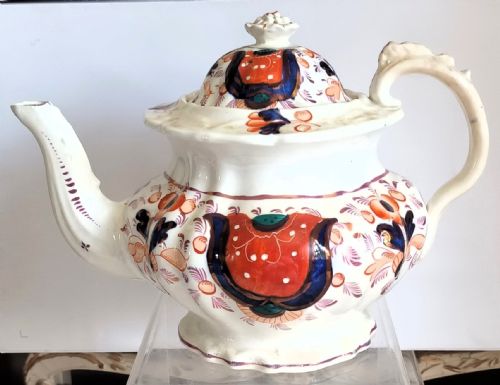
Imari Porcelain Pottery
These imari porcelain pottery pieces bring together vibrant traditional palettes and detailed forms that collectors prize for display.
Imari Porcelain Pottery
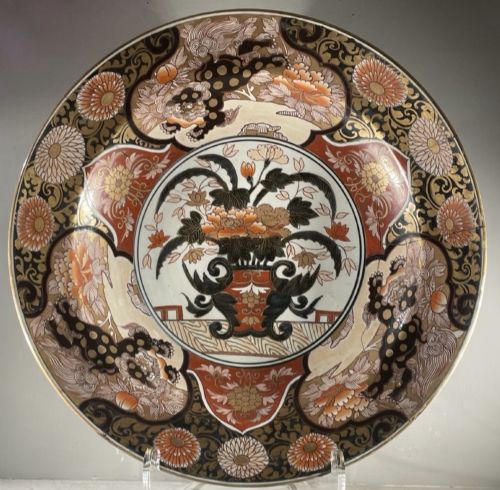
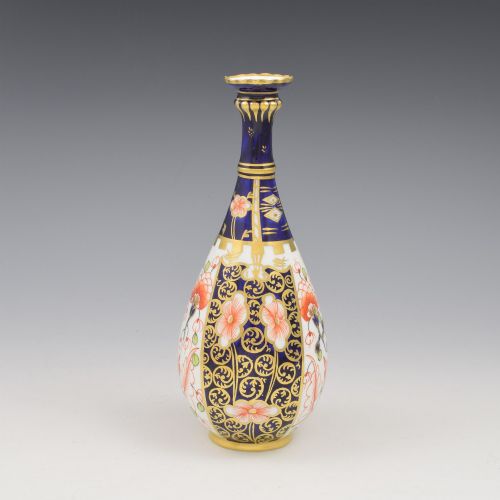
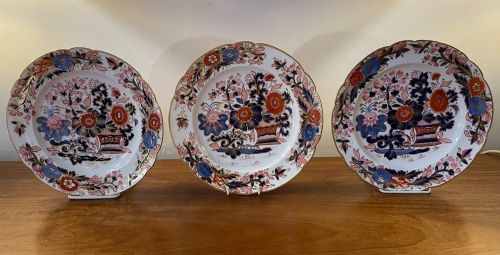
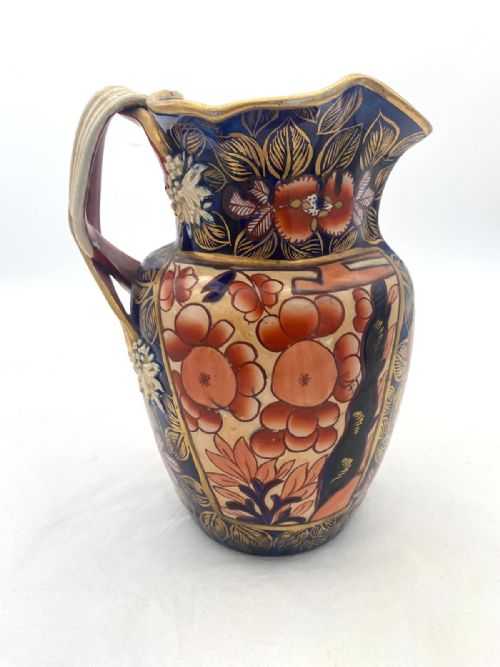
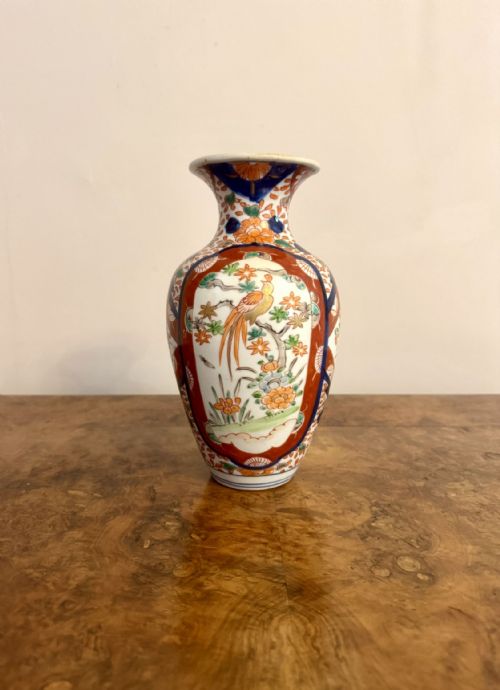
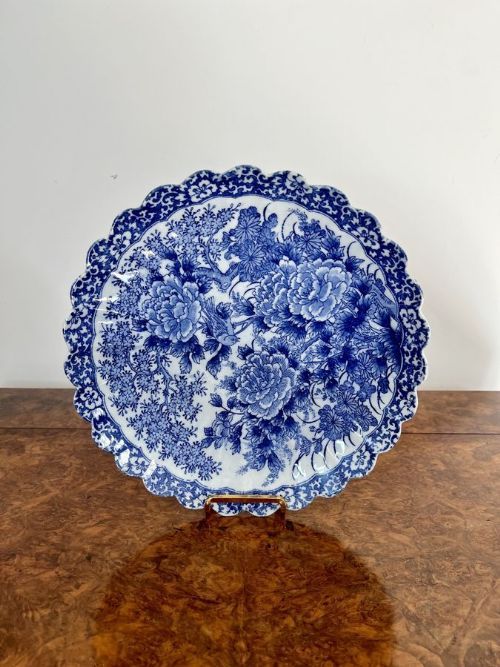
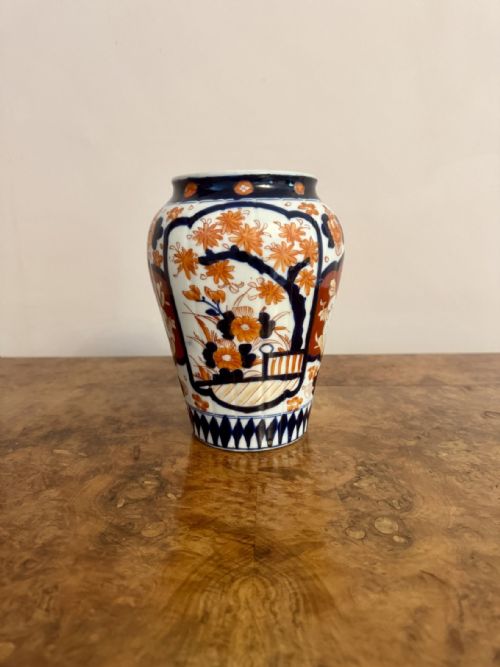
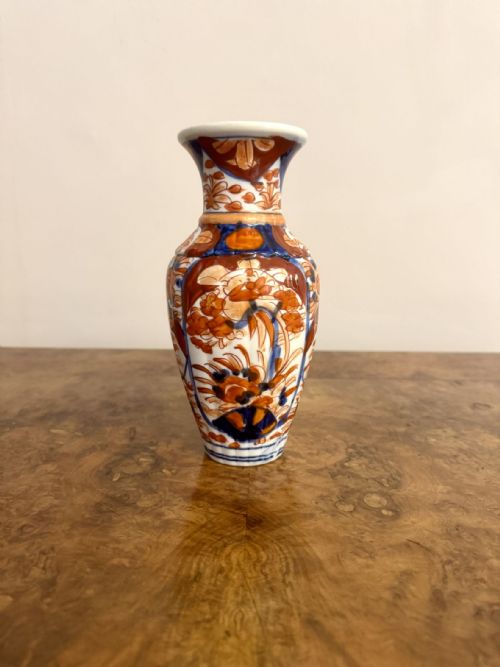
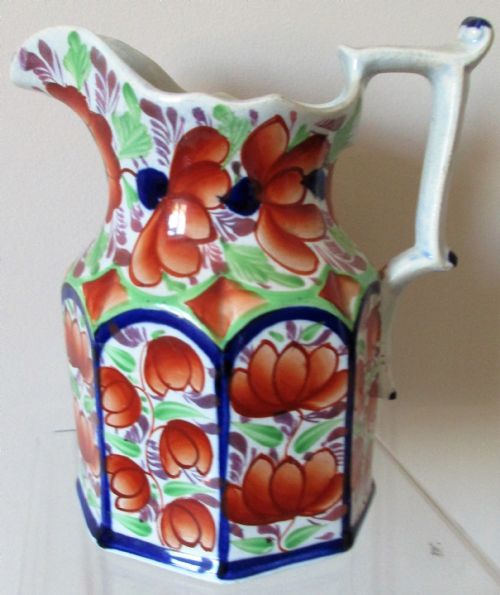
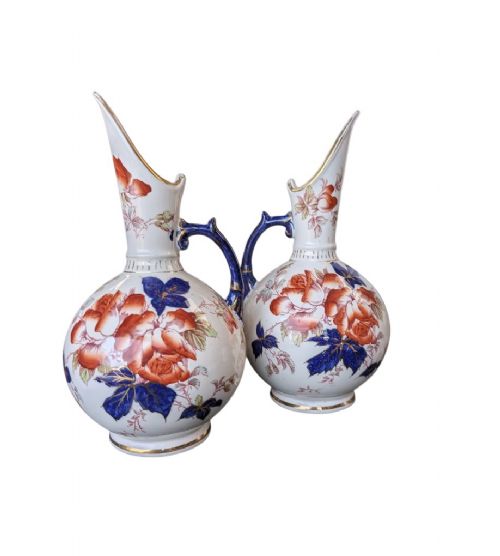
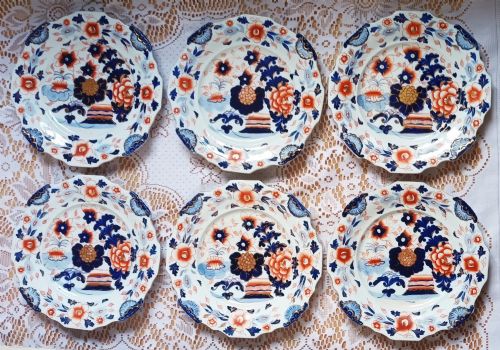
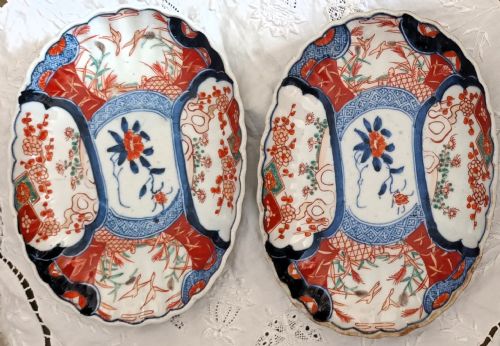
When you search for imari porcelain pottery, you encounter a distinct blend of Japanese origin pieces from the Meiji period alongside British interpretations from English factories. The selection spans vases, decorative chargers, plates, bowls and jugs reflecting both traditional export designs and domestic adaptations.
Japanese examples often feature hand-painted cobalt blue and iron red alongside gold leaf accents, while English potteries produced their own robust ironstone and earthenware versions using the familiar Imari palette. Most items date from the nineteenth and early twentieth centuries, offering a range of domestic forms from large floor-standing vessels to small dishes.
How they were made
Potters shaped these objects from porcelain, ironstone and earthenware, applying cobalt blue underglaze decoration before firing. Overglaze enamels in red and green, alongside supplementary gilding, were added in subsequent low-temperature firings to build up the characteristic layered appearance.
English factories utilised ironstone china and heavy earthenware bodies to create durable tableware and jugs, while Japanese kilns focused on refined porcelain and large ceramic chargers formed with scalloped or hexagonal edges.
Imari Porcelain Pottery Retail Price Guide 2026
Typical asking prices for imari porcelain pottery among the pieces listed under this phrase on Sellingantiques today, from the lower quarter to the upper quarter. They describe what is for sale here now, not the wider market.
What varies in quality
The precision of the hand-painting dictates the visual strength of each piece, distinguishing hurried factory output from carefully rendered brushwork on floral and exotic bird motifs. Crisp detail in the gilding and consistency in the glaze finish reveal the skill applied during the final firing stages.
Substantial physical presence, such as the scale of large floor-standing vases or heavy chargers, contributes to the desirability of certain items alongside well-preserved enamel colours that retain their original brightness.
Royal Crown Derby·Mason's Ironstone·Keeling and Co·Ridgways China·Mintons
The Imari Porcelain Pottery Glossary
- Imari palette
- A decorative scheme typically employing underglaze cobalt blue, iron red, and supplementary gold leaf or enamel colours.
- Ironstone
- A durable type of heavy earthenware or semi-vitrified ceramic developed in nineteenth-century England as a robust alternative to porcelain.
- Charger
- A large decorative plate or round dish primarily intended for display on a wall or sideboard rather than daily dining use.
- Meiji Period
- A Japanese historical era lasting from 1868 to 1912, associated with increased export of decorative arts including porcelain and pottery.
Imari Porcelain Pottery: Frequently Asked Questions
How do I tell Japanese Imari from English Imari?
Japanese pieces usually employ fine porcelain bodies with traditional motifs like exotic birds and floral panels rendered in distinct iron red and cobalt blue.
English versions often use heavier ironstone or earthenware ceramics, adapting the familiar palette for domestic tableware and decorative jugs.
What is the Imari palette?
The palette is defined by the combination of underglaze cobalt blue and iron red, frequently enhanced with gold leaf or colourful enamel highlights.
This distinct colour combination was exported from Japan and subsequently adopted by various nineteenth-century English potteries.
Are these pieces suitable for everyday use?
While nineteenth-century ironstone plates and jugs were built for practical service, many decorative dishes and vases feature delicate overglaze enamels and gilding.
Collectors generally treat older porcelain and decorated pottery with care, often displaying them as decorative bowls, chargers, or vases rather than using them daily.
How do I date an antique Imari piece?
Dating relies on identifying factory backstamps, ceramic bodies such as ironstone versus porcelain, and stylistic indicators associated with periods like the Meiji era.
Shape forms, such as hexagonal vases or scalloped plates, also offer clues to the era of production during the nineteenth and early twentieth centuries.