


Imari Patterned Ceramic Bowl
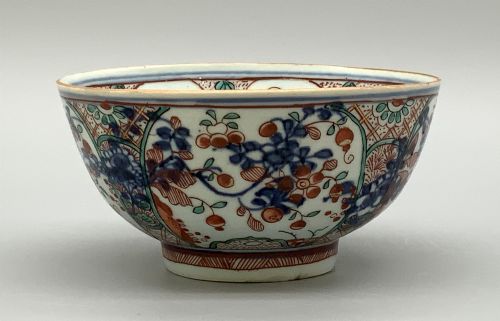
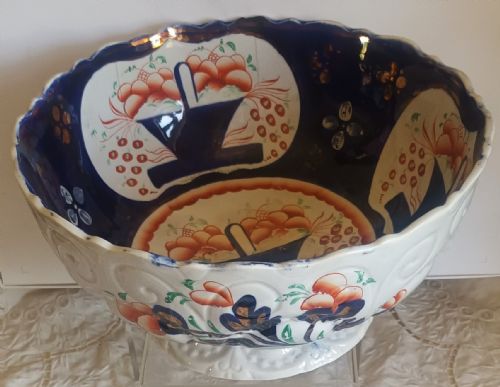
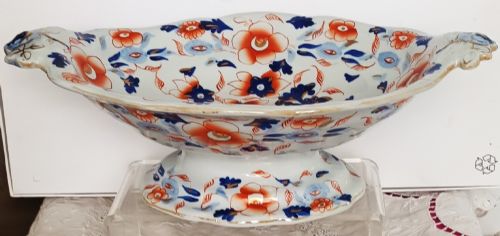
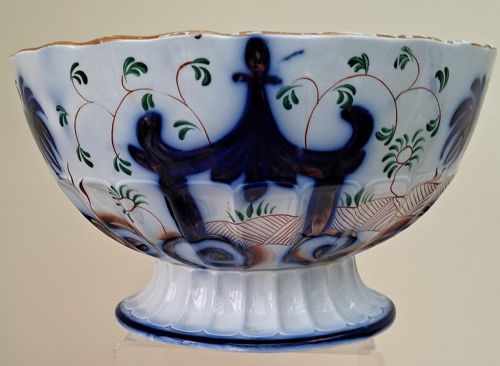
An imari patterned ceramic bowl brings rich cobalt blue and iron red ironstone, porcelain, and earthenware into a room.
Imari Patterned Ceramic Bowl
When you search for an imari patterned ceramic bowl, you encounter a variety of forms ranging from decorative footed vessels and comports to tureens and sugar bowls. These pieces span from the late seventeenth century through the Georgian and Victorian eras, reflecting diverse international influences.
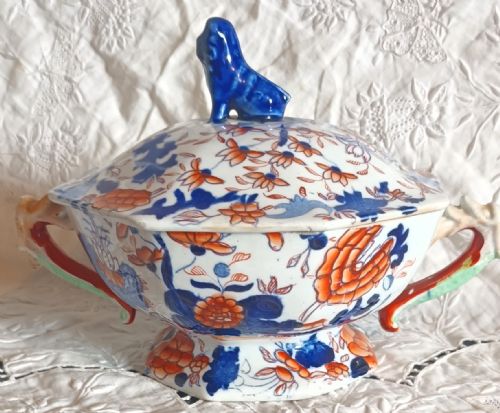
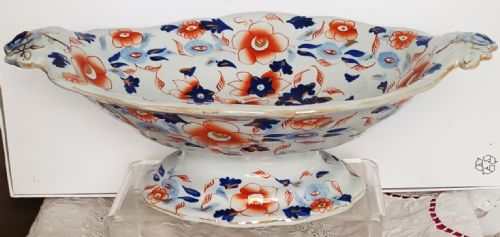
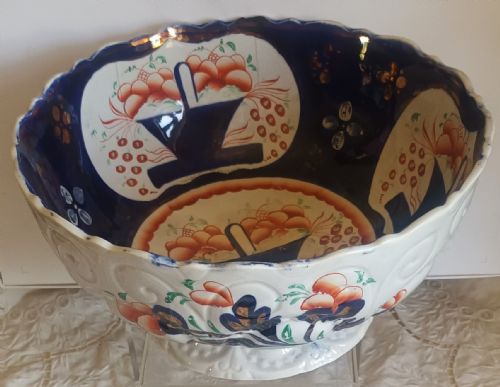
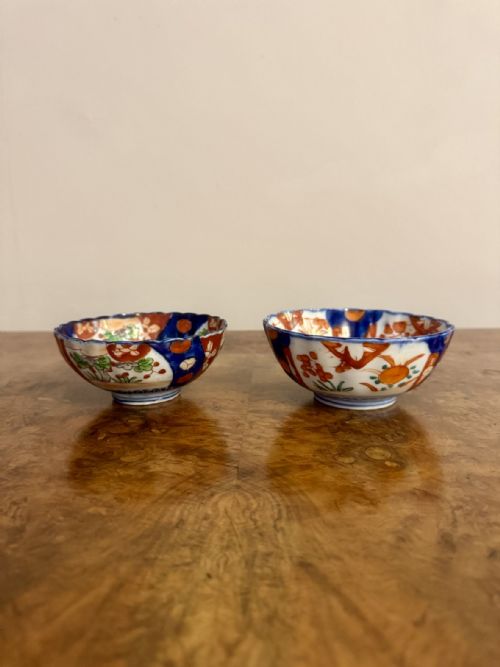
The selections available here lean heavily toward nineteenth-century English ironstone pieces bearing Japanese and Chinese inspired designs, alongside Japanese examples from the Edo period and later. Forms include large pedestal bowls, covered tureens, and smaller domestic tea service bowls.
Each vessel demonstrates how potters adapted classic cobalt and red palettes for Western and Eastern markets alike. They function both as decorative centerpieces and as sturdy, practical tableware.
How they were made
Potters shaped these vessels from ceramic, earthenware, ironstone, and porcelain before applying detailed underglaze blue and overglaze enamel colours. Many examples incorporate lavish applications of gold leaf to accentuate the intricate painted motifs.
Makers utilised durable ironstone and fine porcelain bodies to create footed bowls, comports, and tureens capable of withstanding daily use. Firing techniques evolved across the seventeenth, eighteenth, and nineteenth centuries, producing both delicate oriental bodies and heavier English earthenware forms.
Listings span from the 17th century through the Georgian and Victorian eras up to 1920, using ironstone, porcelain, and earthenware.
What varies in quality
The distinction between standard domestic wares and top-tier examples lies in the precision of the hand-painted enamel work and the lavishness of the gilding. Finer pieces display crisp cobalt blue underglazes paired with densely applied gold leaf that remains bright and intact.
Form and structural complexity also dictate quality, separating simple earthenware basins from finely potted porcelain dishes and footed ironstone comports with elaborate handles or covers.
Mason’s Ironstone·Flight Barr And Barr·Royal Crown Derby·Richard Ginori
The Imari Patterned Ceramic Bowl Glossary
- Imari
- A style of ceramic decoration originating in Japan, characterised by a palette of cobalt blue, iron red, and gilt highlights. European factories frequently copied this distinct aesthetic.
- Ironstone
- A durable type of heavy earthenware patented in the nineteenth century. It provided a strong, opaque body suitable for large bowls and tureens.
- Comport
- A decorative footed bowl or dish elevated on a pedestal. It was traditionally used for serving fruit or sweets at the dining table.
- Enamel
- Opaque glass used as a coloured decoration over the glazed ceramic surface. It allows for vibrant reds and greens in imari patterns.
- Kangxi
- A Chinese imperial period spanning the late seventeenth and early eighteenth centuries. Porcelains from this era heavily influenced later imari designs.
Imari Patterned Ceramic Bowl: Frequently Asked Questions
How do I date an imari bowl?
Dating relies on identifying the underlying ceramic body, such as heavy ironstone versus fine porcelain, alongside the stylistic markers of the period. Georgian and Victorian English pieces often feature registration marks or specific maker stamps on the underside.
Earlier Japanese and Chinese examples display distinct potting characteristics and palette traits typical of the seventeenth and eighteenth centuries. Examining the wear on the foot rim also provides clues to the age of the vessel.
Can I use these bowls daily?
Many nineteenth-century ironstone and ceramic bowls were built robustly for practical household service. Their durable bodies handle gentle everyday use quite well when treated with proper care.
However, pieces featuring delicate overglaze enamels and gold leaf require hand washing to preserve the painted decoration. Storing them away from abrasive surfaces keeps the glaze intact.
What is the difference between Japanese and English imari?
Japanese imari pieces originate from Arita and typically feature traditional Edo period motifs executed on fine porcelain bodies. The palette focuses on rich cobalt blue and iron red with characteristic regional styling.
English imari, produced during the Georgian and Victorian eras by factories like Mason's and Royal Crown Derby, adapts these oriental colour schemes onto sturdy ironstone or earthenware. These Western interpretations often incorporate bold Chinoiserie patterns and heavy gilding.
How were these bowls originally used?
Footed bowls and comports served primarily as table centerpieces for presenting fruit, sweetmeats, or dessert courses during formal meals. Covered tureens and vegetable dishes held hot foods on nineteenth-century dining tables.
Smaller bowls functioned within tea services for sugar or waste, while decorative basins adorned sideboards and rooms. Many large examples doubled as ornamental display pieces in affluent homes.