




Imari Pattern Ironstone Plates
These imari pattern ironstone plates combine robust ceramic bodies with vibrant eastern-inspired decoration, offering durable service for your table.
Imari Pattern Ironstone Plates
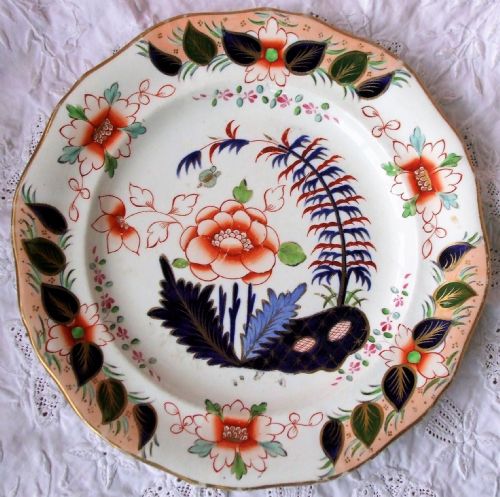
When you search for imari pattern ironstone plates, you find sturdy ceramic tablewares produced primarily during the nineteenth century. These pieces span Georgian, Regency, and Victorian eras, often taking the form of plates, serving dishes, and dinner services.
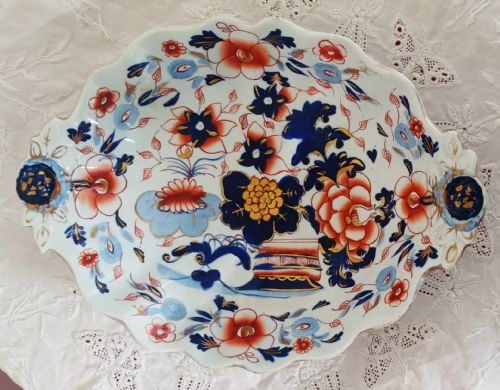
The objects on this page range from individual decorative plates to large sets of plates and serving platters. Makers utilise traditional ironstone china alongside specific patterns like Japan, Old School House, Water Lily, and Grasshopper.
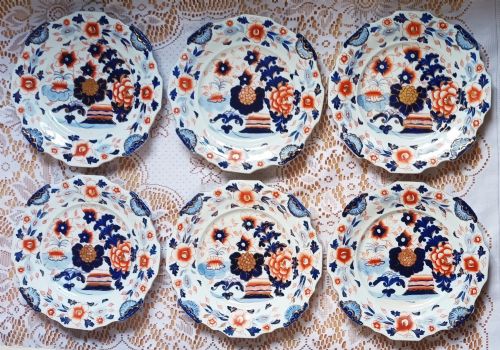
Most examples originate from English potteries working within established periods such as 1850 and the Regency era. Buyers frequently encounter sets of six plates alongside individual comports, dishes, and larger dinner services.
What Varies in Quality
The precision of the hand-painted enamel and the preservation of the gold leaf separate finer examples from standard production. Crispness in the transfer-printed outlines under the glaze indicates careful execution by the pottery.
The weight, density, and consistency of the ironstone body vary across different manufacturers and decades. Complete sets with matching patterns and intact gilding command greater attention than mismatched or heavily worn services.
Imari Pattern Ironstone Plates Retail Price Guide 2026
Typical asking prices for imari pattern ironstone plates among the pieces listed under this phrase on Sellingantiques today, from the lower quarter to the upper quarter. They describe what is for sale here now, not the wider market.
Listings feature ironstone china and ceramic plates spanning the Georgian, Regency, and Victorian periods.
John Davenport of Longport·John Ridgway·Mason
The Imari Pattern Ironstone Plates Glossary
- Ironstone
- A heavy, durable type of ceramic patented in the nineteenth century to rival porcelain. It provides a robust body for domestic tablewares.
- Imari
- A decorative style inspired by Japanese export wares, typically featuring cobalt blue, iron red, and gold. This palette defines the visual character of these plates.
- Comport
- A raised dish or bowl used for serving fruit or sweet items at the table. These sit on a pedestal base above the standard plate level.
- Ashet
- A Scottish and northern English term for a large oval serving platter or dish. These form part of larger nineteenth-century dinner services.
- Gilding
- The application of gold leaf or gold paint to ceramic surfaces for decoration. It highlights borders, motifs, and handles on ironstone pieces.
Imari Pattern Ironstone Plates: Frequently Asked Questions
Are imari pattern ironstone plates suitable for daily dining?
These ceramic pieces were originally built for heavy household use and remain robust enough for careful dining today. Their durable ironstone bodies handle regular placement on the table without difficulty.
However, the presence of hand-applied enamel and gold leaf means hand washing preserves the decoration best. Modern dishwashers can dull the historic pigments and wear away the gilt highlights over time.
How do I date a set of ironstone plates?
Dating relies on examining the maker marks stamped into the ceramic base, alongside the style of the transfer print and enamel colours. Regency and Georgian examples often display heavier ironstone bodies and distinct hand-painted touches.
Victorian services tend to show greater standardisation in their production methods and pattern registration numbers. Comparing the specific pattern name, such as Grasshopper or Old School House, helps narrow the production window.
What is the difference between imari and japan patterns?
Both terms describe decorative schemes inspired by East Asian imports, featuring iron red, cobalt blue, and gilding. In nineteenth-century English ceramics, potteries used these names interchangeably for similar aesthetic arrangements.
Specific patterns like Water Lily or Old School House introduce distinct floral or architectural motifs while retaining the same rich palette. The primary variation lies in the specific drawing of the motifs rather than the fundamental colour scheme.
How should I display or store ironstone plates?
Plates can be displayed on plate racks, in wall cabinets, or used flat on sideboards to showcase their vibrant enamels. Stacking them requires protective felt or cloth dividers between pieces to prevent scratching the glaze and gilding.
Keeping them away from direct, harsh sunlight prevents the enamel colours from fading over many years. Proper spacing in a stable cabinet ensures the ceramic edges remain free from chips.