
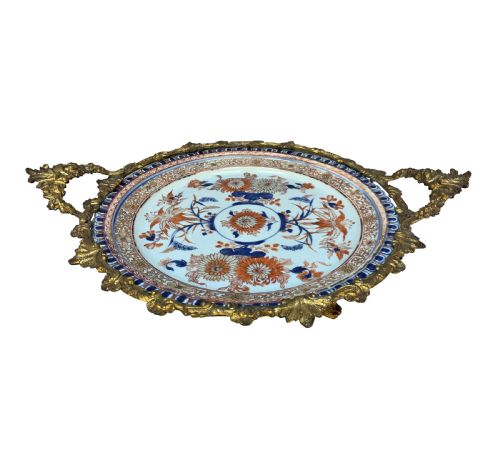

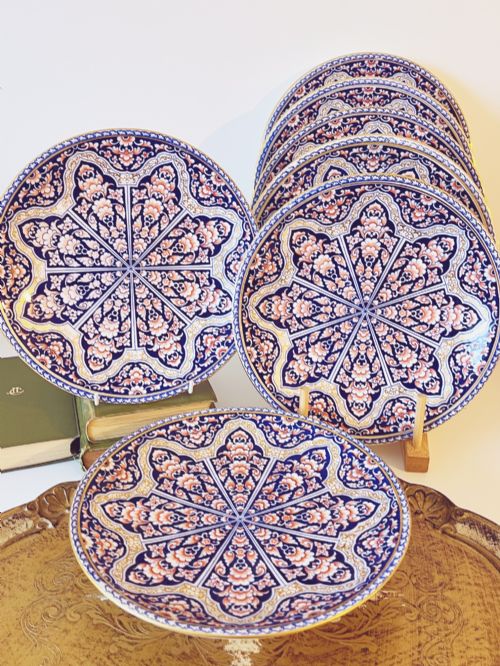
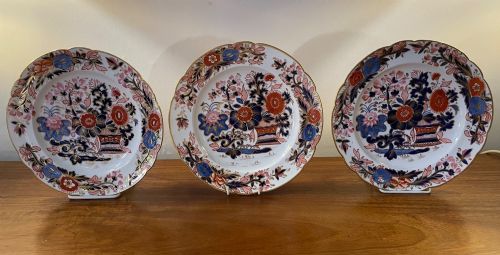



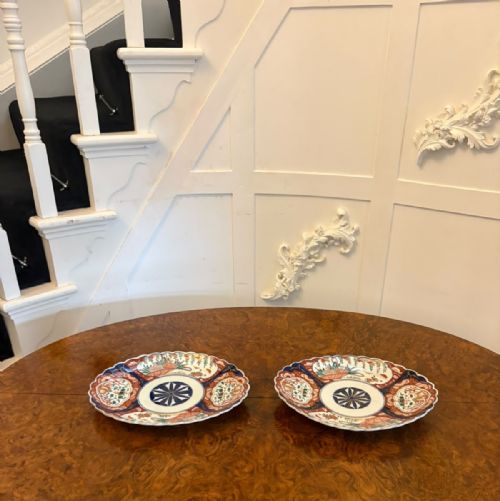
Imari Ceramic Plate
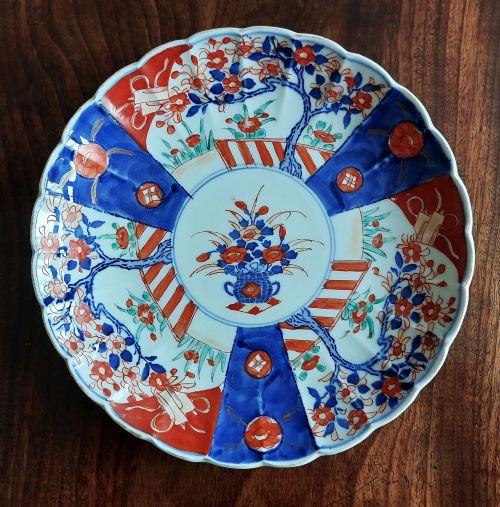
An imari ceramic plate brings vibrant iron-red, cobalt blue, and gilt palettes into a room, offering centuries of ceramic history.
Imari Ceramic Plate
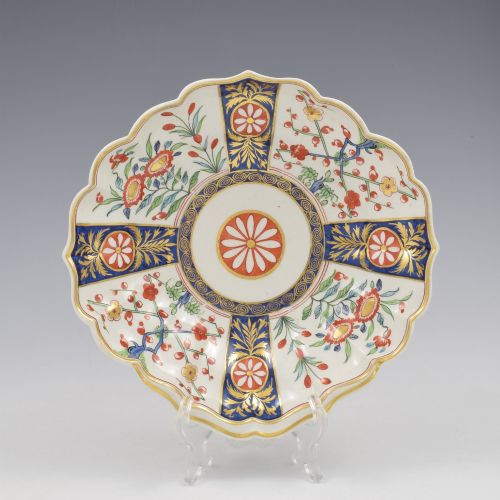
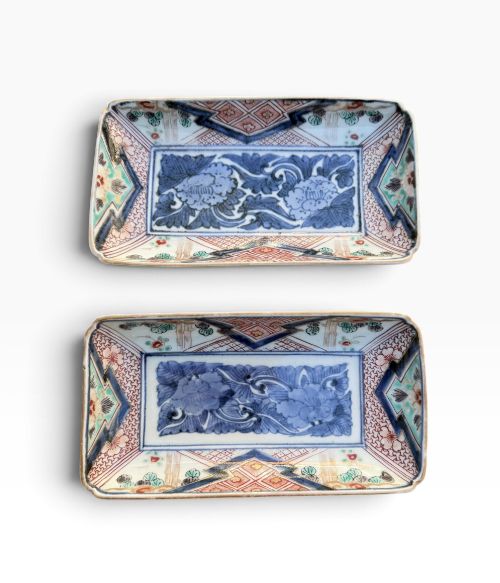
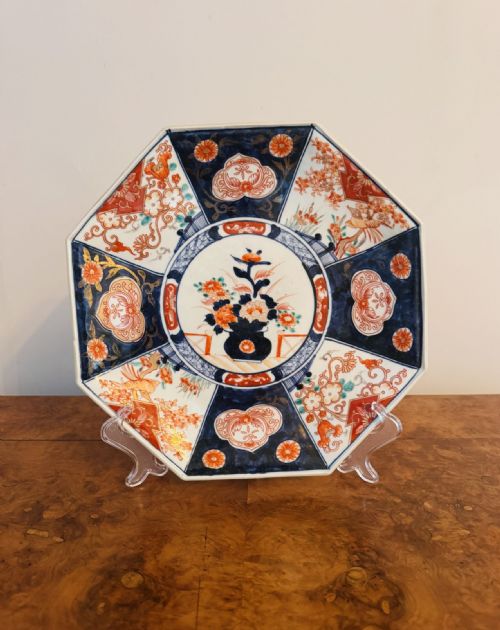
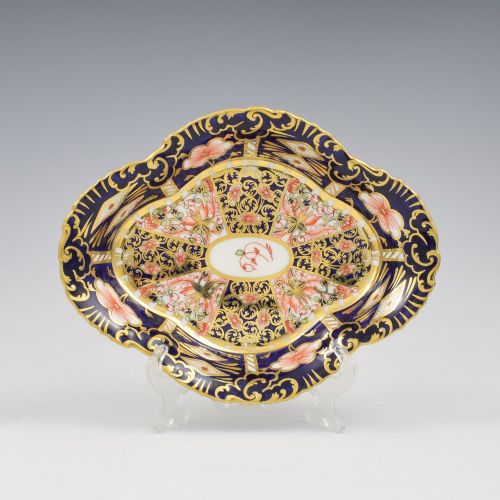
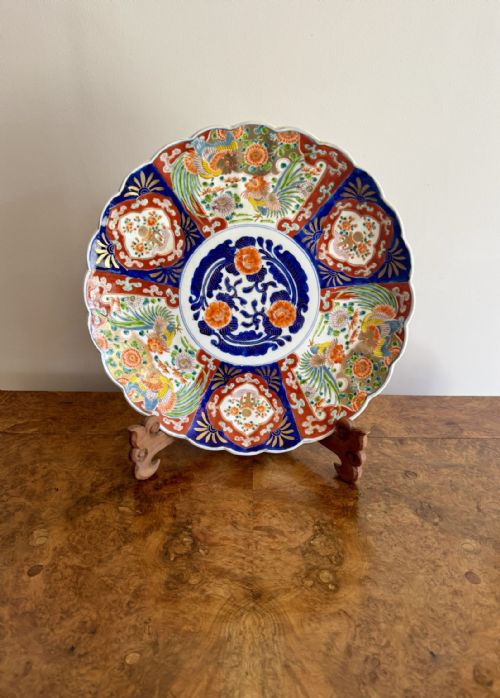
When you search for an imari ceramic plate, you encounter distinctive East Asian and European tableware spanning the eighteenth century to the early twentieth century. These pieces appear as decorative plates, dishes, chargers, and complete dessert services intended for display or formal dining.
Materials and Technique
Potters shaped these objects from porcelain, ironstone, and earthenware before applying underglaze cobalt blue pigment and overglaze enamel colours. Many examples incorporate gold leaf and detailed gilding to highlight the intricate surface patterns.
Firing techniques required multiple stages to set the durable body, fix the cobalt underglaze, and melt the delicate enamel and gold layers onto the surface.
Materials range from fine porcelain and earthenware to rich applications of enamel, gold leaf, and glaze.
Quality Variations
The distinction between standard pieces and top-tier examples rests upon the precision of the hand-painting and the richness of the enamel and gilding work. Superior items display crisp cobalt definition, carefully aligned iron-red motifs, and lavish gold leaf applications that remain intact across the surface.
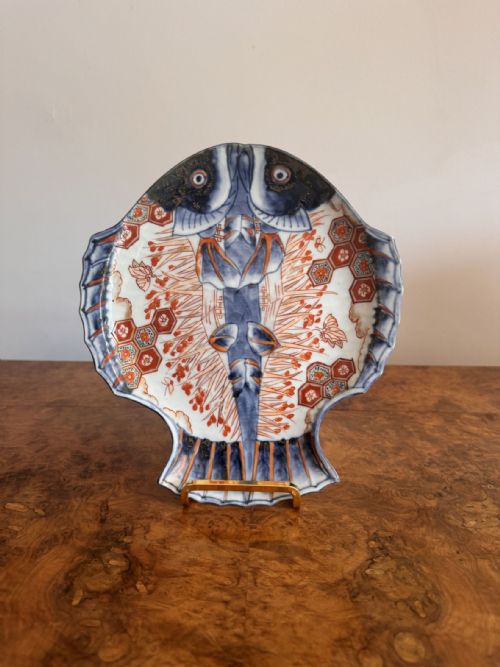
Form and moulding also dictate distinction, with unusual shapes like hexagonal edges, fish forms, or large scale chargers demanding greater skill from the potter and painter than standard round plates.
Royal Crown Derby·Hicks and Meigh·John Davenport of Longport·Wedgwood
The Imari Ceramic Plate Glossary
- Imari palette
- A decorative colour scheme characteristically combining underglaze cobalt blue, iron-red enamel, and gold leaf. This distinct palette originated in Japan and was subsequently copied by European factories.
- Charger
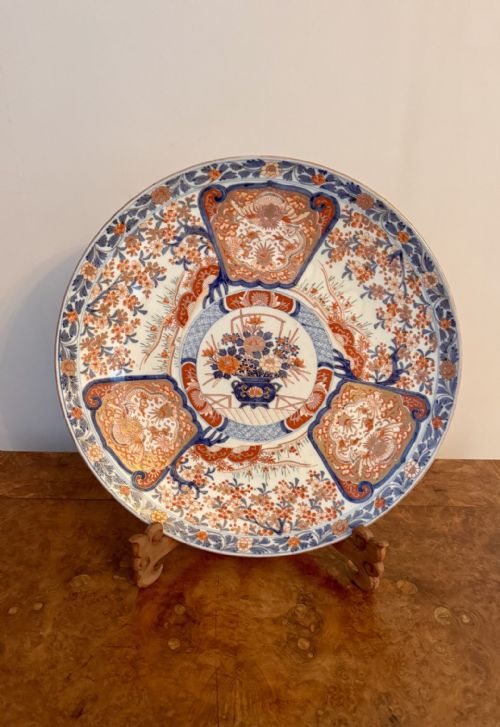
- A large decorative plate or dish traditionally used for ceremonial display rather than daily dining. These substantial pieces highlight detailed painting across a wider surface area.
- Ironstone
- A heavy, durable type of earthenware developed in nineteenth-century England to imitate porcelain. It provides a strong body for colourful enamel transfer printing and hand-painting.
- Meiji Period
- The era in Japanese history lasting from 1868 to 1912, marked by increased export of decorative arts to Western markets. Many surviving plates originate from this prolific manufacturing period.
- Comport
- A raised dish or stand used in dessert services to elevate fruit or sweetmeats above the table surface. These often form part of larger matched dining sets.
Imari Ceramic Plate: Frequently Asked Questions
How do I identify a Japanese Imari plate?
Japanese examples typically feature dense floral and geometric motifs executed in iron-red and cobalt blue, frequently enhanced with gold leaf on a porcelain body. Many date from the Meiji period and display characteristic Japanese aesthetic influences.
European imari-style plates often use ironstone or earthenware bodies and adapt the traditional colour scheme onto Georgian or Victorian forms.
Were these plates meant for dining?
While smaller plates and dessert service components saw actual use at the dining table, larger chargers and decorative dishes were primarily intended for display on sideboards or walls.
Their vibrant enamel and gilt surfaces meant owners often prized them as decorative objects rather than utilitarian tableware.
What is the difference between Imari and blue and white porcelain?
Standard blue and white porcelain relies solely on cobalt blue pigment under the glaze. Imari ceramics add contrasting iron-red enamel and gold leaf over the glaze for a multi-coloured effect.
This polychrome technique creates a much busier and more opulent surface pattern than simple blue and white wares.
How should I display an antique charger?
Large chargers work well on sturdy plate stands placed on sideboards, mantels, or within cabinets where the surface details remain visible. Wall mounting requires specialised plate hangers designed to distribute the weight evenly across the rim.
Keep pieces away from direct sunlight to preserve the vibrancy of the red enamels and gold leaf.