



Hukin Heath Silver Plate
These items of hukin heath silver plate span functional barware and serveware shaped by notable Victorian, Edwardian, and Art Deco designs.
Hukin Heath Silver Plate
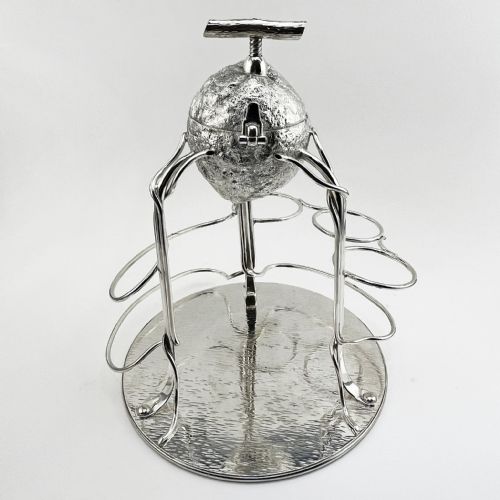
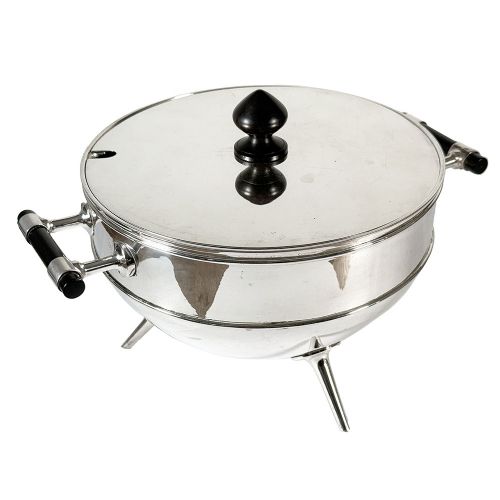
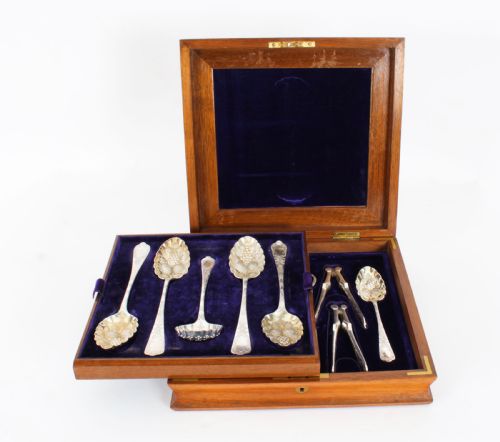
When you examine hukin heath silver plate, you encounter functional objects created for the dining table, sideboard, and bar. The selection ranges from claret jugs and cocktail shakers to toast racks, tureens, and desk sets spanning the Victorian era through the 1930s.
The version you are most likely to meet on this page is a silver plated serving piece or bar accessory from the late nineteenth or early twentieth century. These include both utilitarian vessels and elaborate vessels incorporating cut glass, ebonised wood, and velvet.
Materials and methods
Makers utilised electroplated nickel silver as the primary metallic base, coating a durable white metal alloy with a layer of pure silver. This technique provided the visual weight and lustre of solid silver while allowing for complex forms.
Combination pieces integrated glass, cut crystal, and ebonised wood into the metal framework. Glass bodies on claret jugs and preserve jars were often etched, while handles and accents employed contrasting timber or organic decorative motifs.
Listings feature periods spanning the Victorian era, Edwardian period, and the 1930s, alongside materials including silver plate, cut glass, and ebonised wood.
Factors that distinguish examples
The distinction between standard production items and superior pieces rests on the presence of specific designer collaboration and decorative ambition. Objects designed by Christopher Dresser exhibit strong modernist or geometric geometries that diverge from standard floral ornamentation.
Execution of subsidiary materials also separates examples, such as the clarity of cut glass bodies, the preservation of ebonised wood elements, and the crispness of cast mounts depicting leaves, acorns, or figural subjects.
Hukin and Heath·Christopher Dresser
The Hukin Heath Silver Plate Glossary
- Electroplated Nickel Silver
- A base metal alloy of copper, nickel, and zinc coated with a thin layer of pure silver through an electrolytic process. This method became standard for durable tableware from the mid-nineteenth century onward.
- Tantalus
- A locking wooden or metal frame holding decanters with their stoppers secured in place, preventing access to the contents without a key. Named for the mythological figure, it was a common bar accessory.
- Toast Rack
- A table accessory formed of parallel metal arches designed to hold slices of toast upright and prevent them from becoming soggy. Victorian and Edwardian examples often incorporated a central carrying loop.
- Claret Jug
- A pouring vessel specifically intended for red wine, typically featuring a silver plated mount, handle, and hinged lid attached to a glass or crystal body. Many incorporate aesthetic or modernist styling.
- Tureen
- A deep covered bowl used for serving soups, vegetables, or entrees at the dining table. These pieces often feature matching stands or warming bases.
Hukin Heath Silver Plate: Frequently Asked Questions
What is hukin heath silver plate?
Hukin and Heath was a prominent manufacturing silversmith firm based in Birmingham and London, known for producing high quality electroplated nickel silver tableware and decorative objects.
The firm operated from the nineteenth century well into the twentieth century, gaining particular renown for innovative collaborations with designer Christopher Dresser during the aesthetic and modernist periods.
How do I identify pieces by Christopher Dresser?
Christopher Dresser designs for the firm typically feature stark geometric lines, minimalist frames, and functional industrial forms that anticipated modernist design by decades.
Look for stamped maker marks alongside patent numbers or model numbers that correlate with the firm's documented production catalogues from the 1880s and 1890s.
How were cocktail shakers and barware used?
Barware items such as cocktail shakers, lemon squeezers, and spirit flasks were utilised in the preparation and serving of mixed drinks during the Edwardian period and the 1930s Art Deco era.
These pieces combined practical internal strainers and tight-fitting lids with decorative silver plated exteriors suited for display on home bars and sideboards.
How should I care for silver plate?
Electroplated items require gentle cleaning with specialised silver polish and a soft cloth to avoid wearing through the thin silver layer to the nickel brass base underneath.
Store pieces in dry environments away from direct sunlight, and avoid using harsh abrasive cleaners or soaking items with wooden or velvet components.