


Howard Sons Style Couch
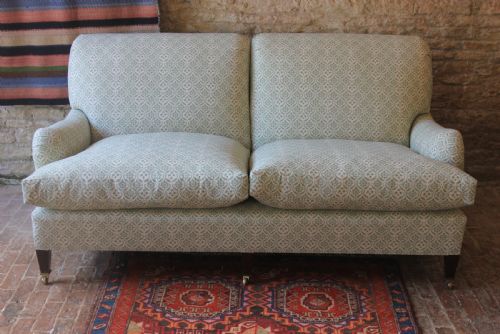
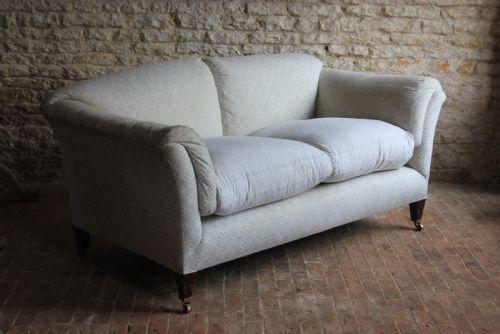
A howard sons style couch brings deep English country house comfort to a room, offering low sprung seats and generous proportions built for long lounging.
Howard Sons Style Couch
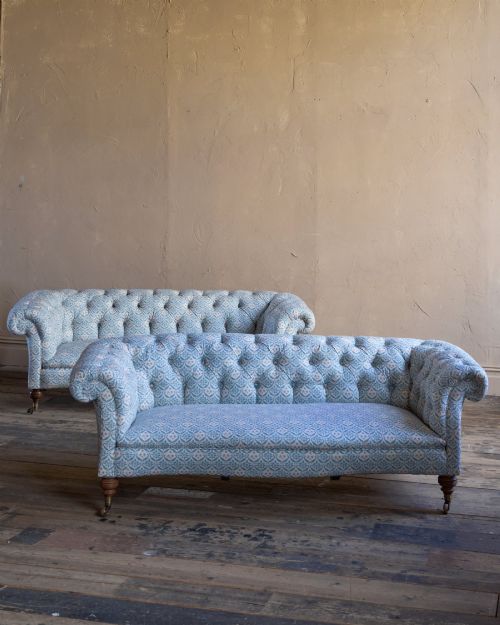
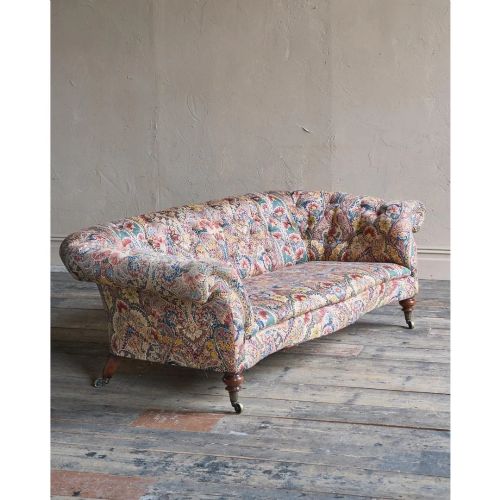
A howard sons style couch encompasses deep-seated Victorian and Edwardian upholstered furniture, ranging from serpentine chesterfields to reclining daybeds. These pieces trace back primarily to the nineteenth century, though variations appear across later decades including the twentieth century.
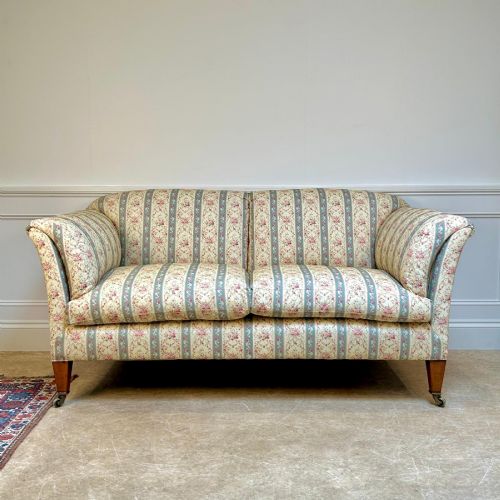
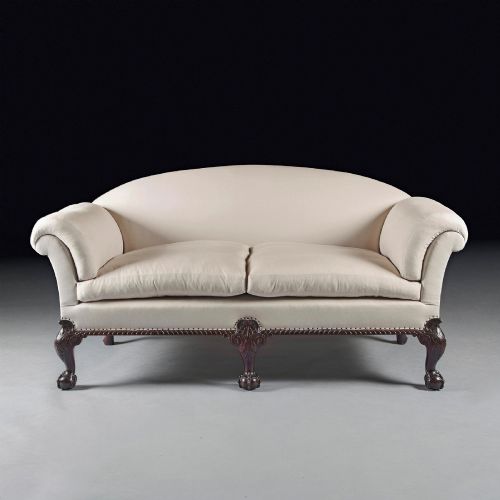
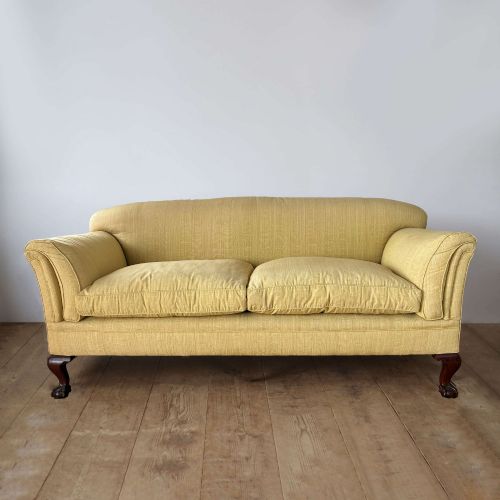
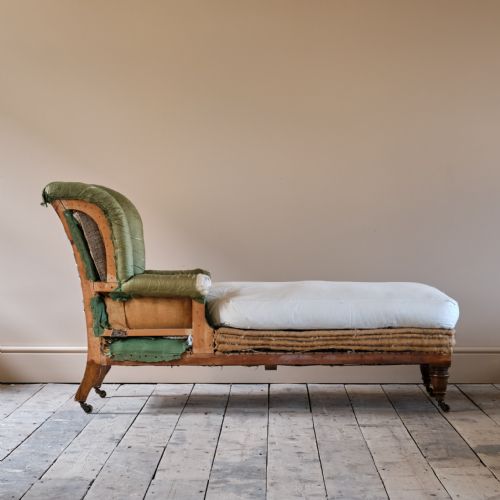
The selections on this page feature diverse forms such as daybeds, chaise longues, and large settees. Many carry specific nineteenth-century design markers like ball and claw feet or aesthetic movement influences.
Makers and workshops of the period utilised robust frames to support heavy internal spring systems, creating the signature low slouch. Buyers encounter everything from standard chesterfield silhouettes to wingback and daybed variants.
How they were made
Frames combine structural timbers such as mahogany, walnut, and general hardwood to provide a sturdy foundation for extensive upholstery. Woodwork often remains hidden beneath layers of fabric, though exposed elements appear on feet and legs.
Upholstery relies on traditional textiles including cotton, hessian, and specific ticking fabric, often secured over complex internal springing. Brass details and castors frequently finish the feet, particularly on nineteenth-century pieces.
Listings feature pieces spanning the Victorian and Edwardian periods, utilising mahogany, walnut, brass, and traditional ticking fabric.
What varies in quality
The integrity of the internal stuffing and spring suspension dictates the resilience of the seat over decades of use. Superior examples maintain a balanced resistance that supports the body without sagging prematurely.
The proportion of the arms and the sweep of the back determine the visual elegance of the silhouette. Finer pieces demonstrate careful attention to wood turning on the legs and precise alignment of fabric patterns.
Howard and Sons·Howard & Sons
The Howard Sons Style Couch Glossary
- Chesterfield
- A large upholstered sofa traditionally featuring arms and back of the same height. This form offers deep seating suited to relaxed lounging.
- Hessian
- A coarse woven fabric made from hemp or jute used historically as an internal scrim for upholstery. It provides a stable base for stuffing layers.
- Ticking
- A closely woven cotton or linen material traditionally used to cover mattress and sofa stuffing. Original ticking adds authenticity to period pieces.
- Chaise longue
- An upholstered chair with a long seat that allows the user to recline with legs extended. These items combine seating and resting functions.
- Serpentine
- A curved line resembling a snake, used to describe the undulating front rail of a sofa. This shape softens the geometric lines of heavy seating.
Howard Sons Style Couch: Frequently Asked Questions
What is a howard sons style couch?
A howard sons style couch is a deep, sprung upholstered seating piece originating from the nineteenth or early twentieth century. These sofas prioritise relaxed comfort through low profiles and generous cushioning.
They often feature traditional materials like ticking fabric, hessian, and hardwood frames. The style ranges from classic chesterfields to daybeds and chaise longues.
How do I identify a nineteenth century piece?
Nineteenth century pieces typically display solid hardwood frames made from mahogany or walnut, often fitted with brass castors. The upholstery methods rely on traditional stuffing and heavy spring coils rather than modern foam.
Stylistic cues such as aesthetic movement details or ball and claw feet also point towards this earlier Victorian origin.
Where should I place a daybed?
Daybeds work well in studies, reading rooms, or large living spaces where flexible lounging options are useful. Their low backs and extended seats allow them to sit comfortably in the middle of a room without blocking light.
Ensure there is enough clear floor space around the piece to accommodate the extended length for reclining.
What fabrics were used originally?
Original upholstery frequently utilised sturdy cotton, patterned chintz, or heavy ticking fabric supported by hessian underneath. These textiles were chosen for durability and to withstand the active internal springing.
Many surviving pieces retain their original fabric or have been recovered in traditional weaves that respect the aesthetic.