


Vintage Brass Castor Sofa
These vintage brass castor sofa pieces combine heavy timber frames with period upholstery, offering both deep seat comfort and distinct historical character.
Vintage Brass Castor Sofa
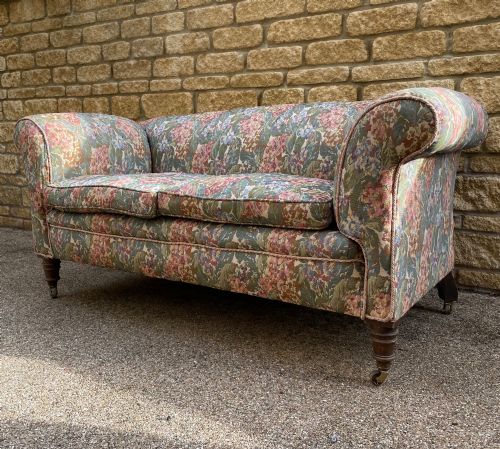
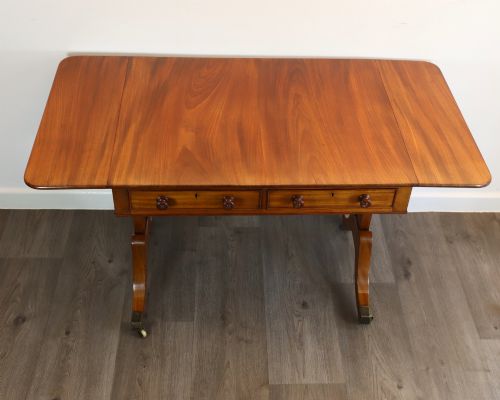
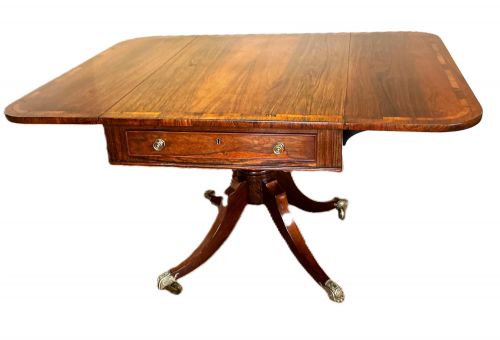
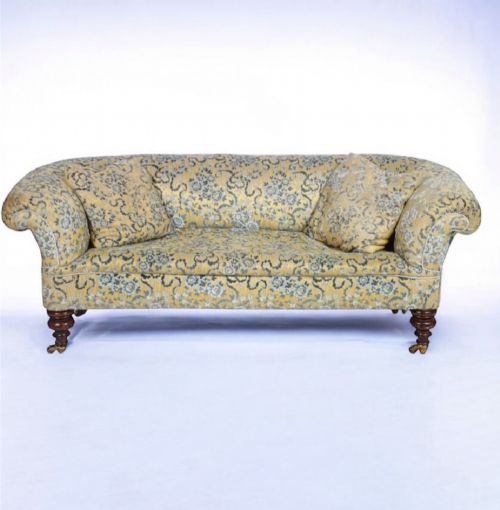
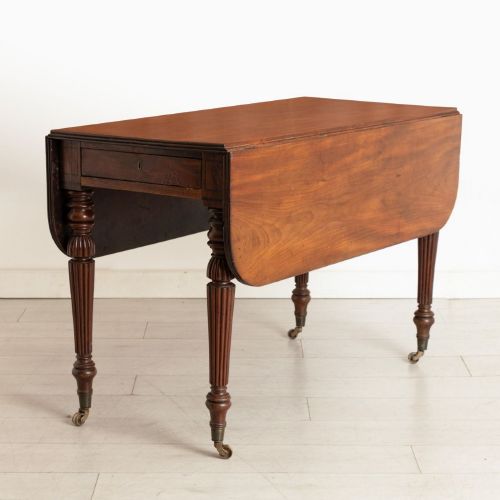
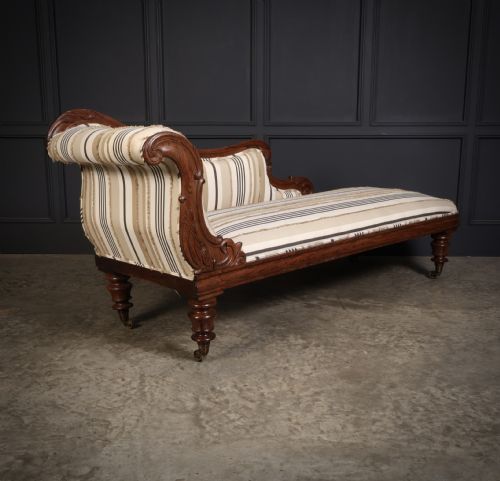
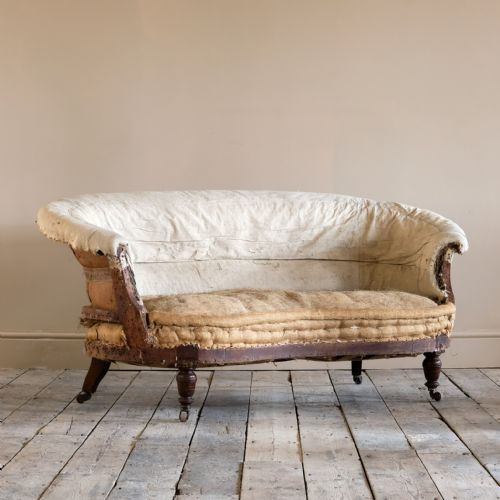
A vintage brass castor sofa brings together upholstered seating and sturdy mobility, spanning the Victorian, Edwardian, and Regency periods. These items typically feature timber frames mounted on small metal wheels designed to protect floor coverings during repositioning.
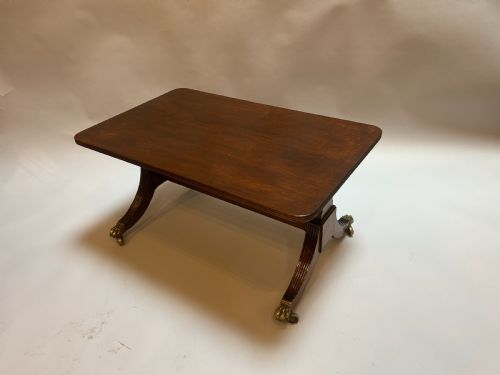
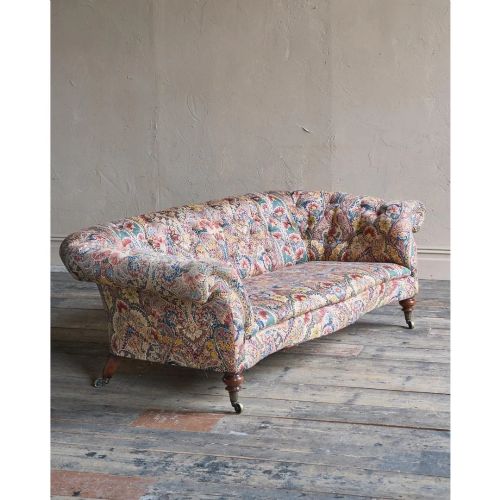
Buyers encounter various related formats, from traditional drop arm two-seaters to deep-sprung Chesterfield designs. Associated occasional and sofa tables also appear frequently in the selection, though the core focus remains on upholstered seating.
Origins stretch across English country house traditions and urban workshops of the nineteenth and early twentieth centuries. Each piece displays the hallmarks of its specific decade, whether through turned wooden legs or elaborate sprung upholstery.
Materials and construction methods
Makers utilised dense hardwoods such as mahogany, walnut, and rosewood for the structural frames, ensuring long-term durability. These timbers were often hand-turned or polished to a deep lustre.
Cast brass components form the functional feet, secured firmly to the base of the legs to allow smooth movement across carpets and wooden floors. The metal hardware ranges from simple plain cups to more decorative cast designs.
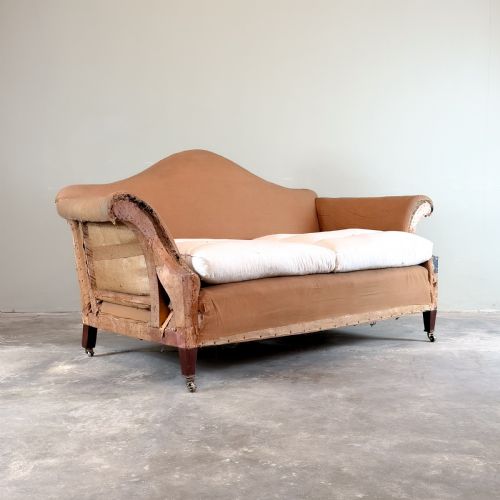
Upholstery layers typically involve traditional stuffings covered in calico, velvet, or patterned fabric. Skilled artisans built up the seat depth using coil springs and webbing before applying the final decorative textile.
These polite little wheels allow your sofa to glide across the room like an ocean liner seeking a sunnier harbour.
Distinctions in quality and execution
The integrity of the internal wooden frame and the original joinery dictate the overall standard of the piece. Solid hardwood construction with robust corner blocks separates superior seating from lighter, less durable alternatives.
The precision of the brass castor mechanism and its secure attachment to the leg reveal much about the original maker's intent. High-grade cast brass shows clean casting lines and moves freely without excessive play in the axle.
The quality of the upholstery execution, including hand-stitched details and resilient springing, marks out the finer examples. Retaining branded upholstery markings or stamps further elevates the standing of a piece.
Howard and Sons·Andrew Thomson and Sons·Hampton and Sons·William Birch
The Vintage Brass Castor Sofa Glossary
- Castor
- A small wheel mounted on a swivel assembly attached to the base of furniture legs for ease of movement. These are frequently cast in brass on nineteenth-century seating.
- Chesterfield
- A large, deeply upholstered sofa traditionally featuring rolled arms and back of the same height. Many examples incorporate traditional buttoning or disciplined pleating.
- Chaise Longue
- An upholstered long chair or day bed designed for reclining, often featuring a single raised end. These pieces combine wooden frames with sprung seats and heavy fabric coverings.
- Drop Arm
- A movable arm mechanism on a sofa that can be lowered to convert the seating into a day bed. This clever mechanical feature adds versatility to period upholstery.
- Calico
- A plain-woven unbleached textile often used as the inner lining or foundation layer beneath top upholstery fabrics. It provides a stable base for traditional stuffing materials.
Vintage Brass Castor Sofa: Frequently Asked Questions
How do I clean antique brass castors?
Use a soft cloth to gently remove surface dust from the metal components without applying harsh chemical polishes. Take care to avoid getting cleaning agents onto the surrounding fabric or wood.
Regular light dusting helps preserve the original patina of the brass over time. Excessive polishing can strip away the aged finish that collectors value.
Are these sofas suitable for daily use?
Many period sofas feature robust internal frames and supportive coil springs that accommodate everyday sitting. However, older textiles may require careful handling or reupholstery to withstand heavy modern wear.
Checking the stability of the joints and the condition of the webbing ensures the piece remains structurally sound. Professional maintenance can easily reinforce older frames for contemporary living.
How do I identify a Victorian sofa?
Victorian seating often displays heavier proportions, darker hardwood frames, and deep buttoned upholstery. Look for turned wooden legs fitted with heavy brass castors supporting generous seat depths.
Stylistic cues span from ornate carved rosewood to simpler mahogany frameworks. The integration of drop arms or sprung backs also points towards this era of manufacture.