


Howard Sons Seating
Howard sons seating brings together deep-sprung armchairs and sofas defined by generous comfort and restrained Victorian upholstery.
Howard Sons Seating
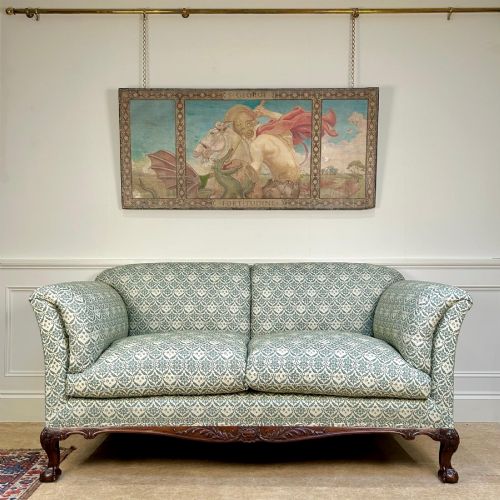
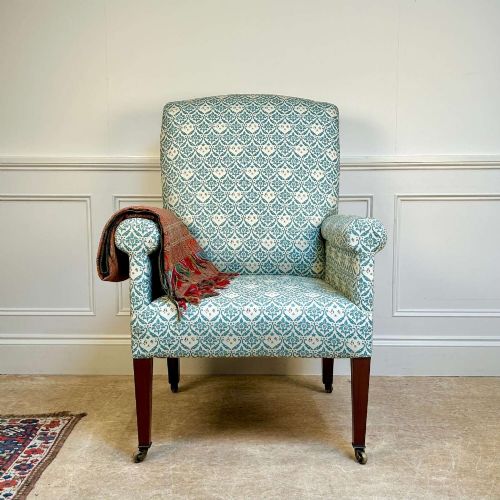
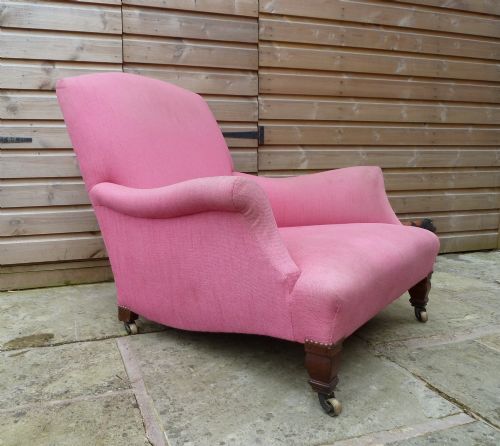
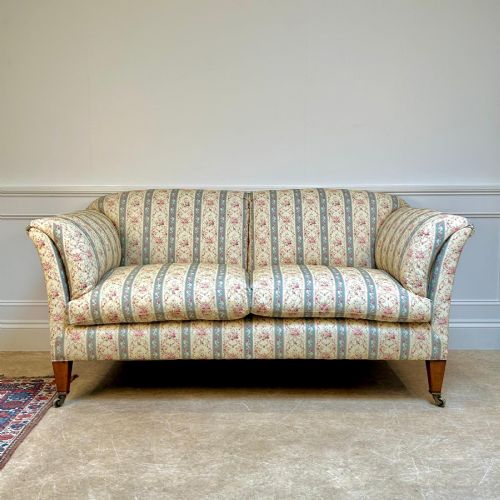
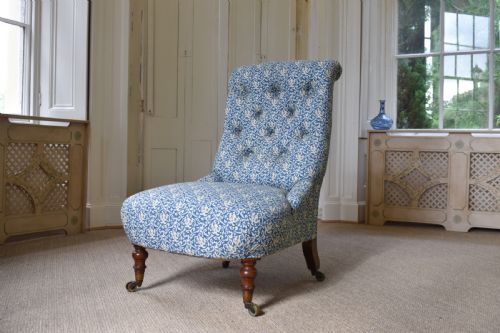
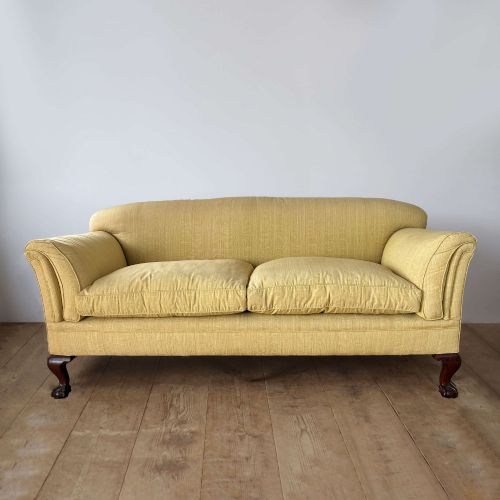
When you search for howard sons seating, you encounter nineteenth-century and Edwardian armchairs, sofas, and slipper chairs originating from English workshops. The selection centres on signature club chairs, Bridgewater armchairs, and named models such as the Chaplin, Ingleby, Portarlington, Grafton, and Leeds.
You also meet numerous pieces built in the recognisable Howard style, alongside related nineteenth-century seating by makers such as James Shoolbred and Trollope and Sons. These items span the Victorian and Edwardian eras, utilising traditional forms designed for country house drawing rooms.
Construction and materials
Frames are constructed from sturdy hardwoods like mahogany, walnut, and general hardwood, providing a rigid internal skeleton for heavy upholstery. Brass castors frequently support the legs, whilst the visible woodwork remains secondary to the sprung interior.
Upholstery relies on traditional stuffing layers enclosed in calico and cotton, often finished in ticking or buttoned leather. The structural integrity depends upon complex internal coil springing that delivers deep, resilient seating.
Howard Sons Seating Retail Price Guide 2026
Typical asking prices for howard sons seating among the pieces listed under this phrase on Sellingantiques today, from the lower quarter to the upper quarter. They describe what is for sale here now, not the wider market.
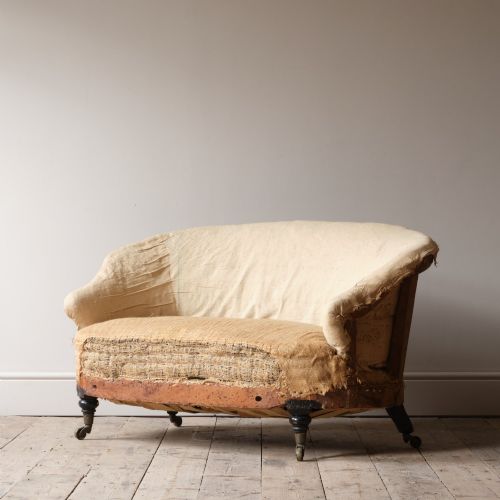
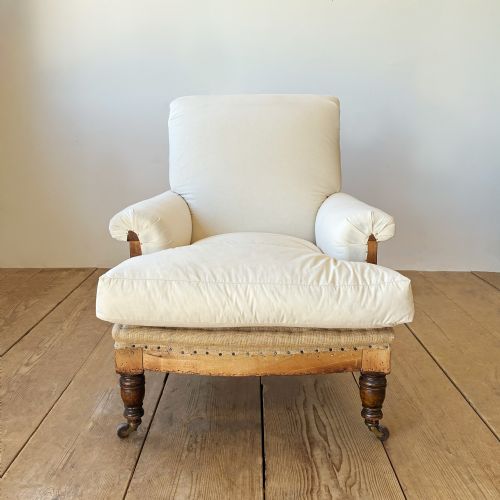
Several armchairs arrive straight from country house estates wearing their original grey ticking, having witnessed centuries of fireside lounging.
Judging quality in traditional seating
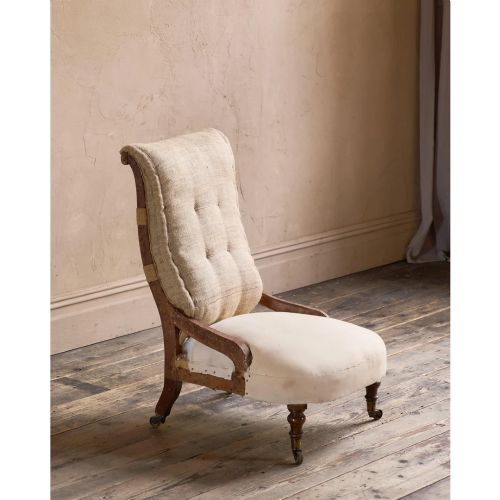
Quality rests upon the preservation of the original internal webbing and spring suspension, which dictates the resilience and posture of the chair. Untouched nineteenth-century ticking and foundational calico carry more weight than later re-coverings.
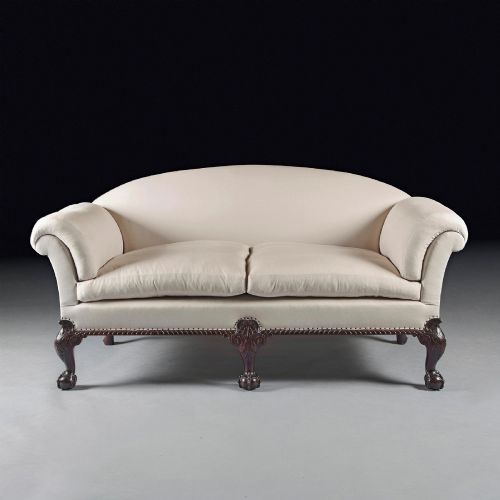
The refinement of the timber frame, whether carved walnut with ball and claw feet or simple turned legs with brass castors, separates standard workshop production from exceptional examples.
Howard and Sons·James Shoolbred·Trollope and Sons
The Howard Sons Seating Glossary
- Bridgewater armchair
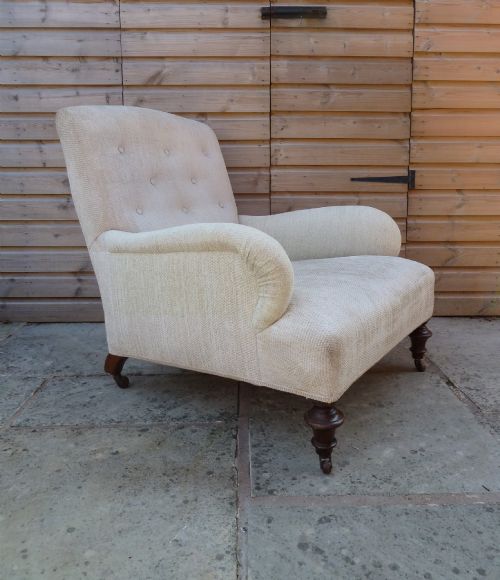
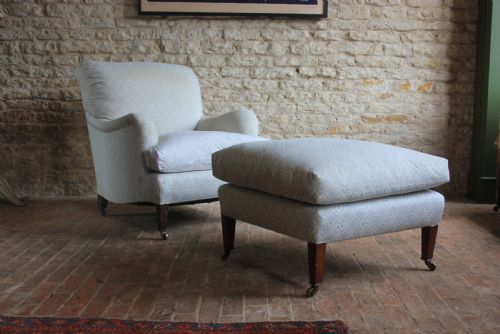
- An armchair design characterised by low rolled arms, a deep seat, and turned wooden legs fitted with castors. This form represents one of the most recognisable outputs of nineteenth-century upholstery workshops.
- Calico
- A plain-woven cotton fabric used historically as the foundational inner cover beneath top upholstery. It holds the stuffing and springs tightly in place before decorative fabric is applied.
- Ticking
- A heavy, durable cotton or linen fabric featuring a woven stripe pattern, traditionally utilised to enclose mattress and furniture stuffing. It is frequently seen on authentic country house armchairs.
- Button back
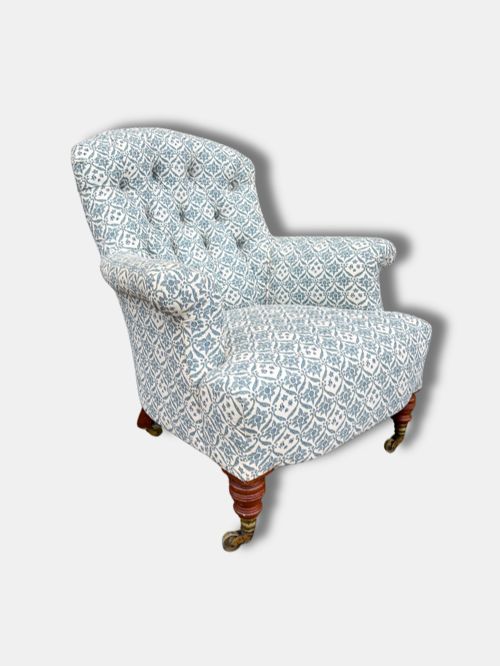
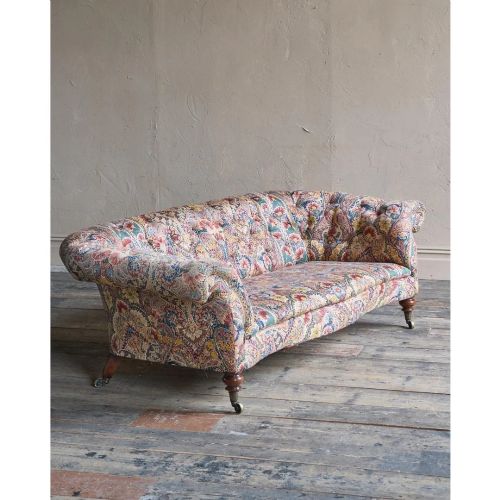
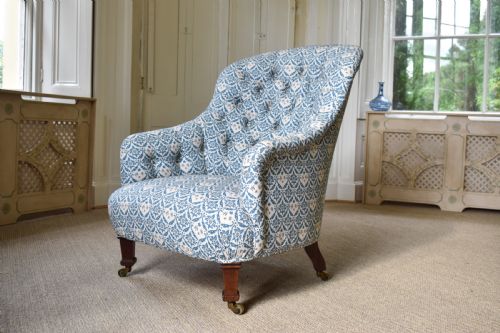
- An upholstery technique where depressions are formed across the backrest by stitching through the padding to secure buttons at regular intervals. This creates a diamond pattern that pulls the fabric taut.
- Ball and claw
- A furniture foot design representing a bird's talon clutching a ball, carved into timber legs. It appears on revival pieces and select nineteenth-century frames.
Howard Sons Seating: Frequently Asked Questions
How do I spot pieces in the Howard style?
Pieces built in the style emulate the characteristic low arms, deep seats, and turned legs with brass castors typical of the Victorian period. They offer similar comfort without bearing the original maker's marks.
Inspect the frame construction and upholstery techniques to determine the approximate age and origin.
Where were these chairs originally used?
These comfortable armchairs and sofas were staples of nineteenth-century English country house libraries, drawing rooms, and studies. Their generous padding suited relaxed domestic spaces.
Today, they adapt easily to modern living rooms as statement seating pieces.
Are original ticking covers desirable?
Original ticking and calico linings are highly valued by collectors because they preserve the authentic patina and history of the piece. They indicate that the upholstery layers have remained undisturbed.
Many buyers choose to use them uncovered or protected with a loose slipcover.