
Horse Portrait in Frame
When you search for a horse portrait in frame, you are looking at centuries of equine art captured in oil, pastel and print.
Horse Portrait in Frame
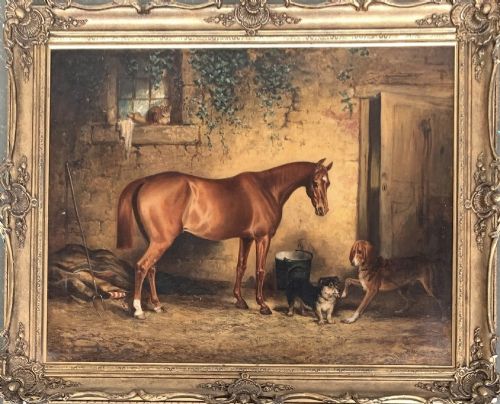
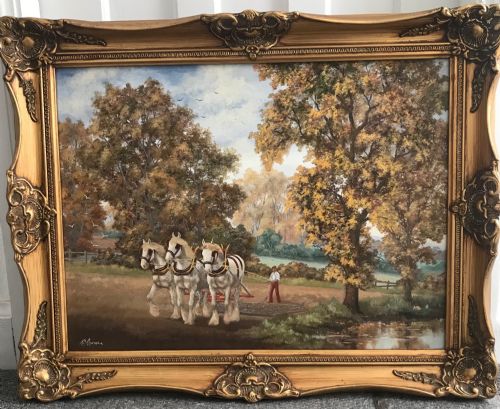
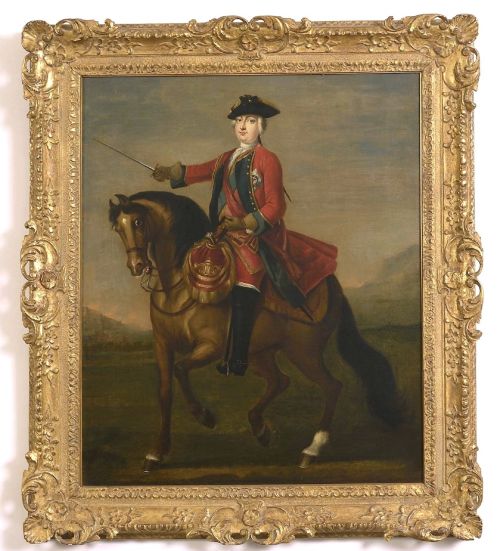
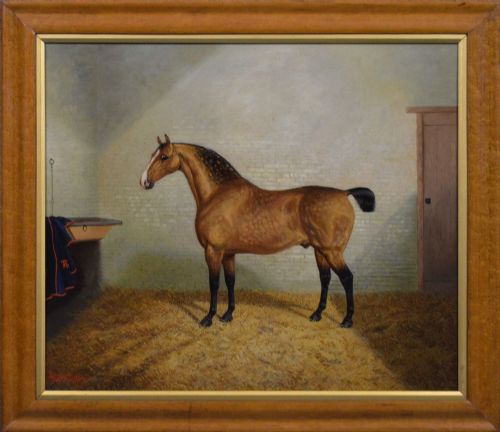
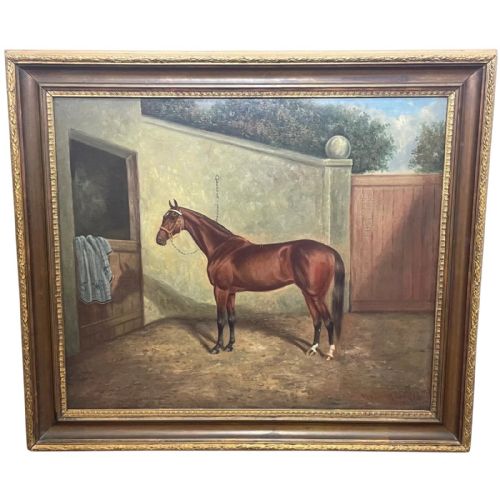
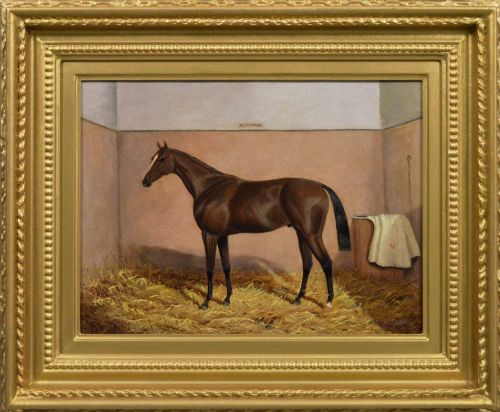
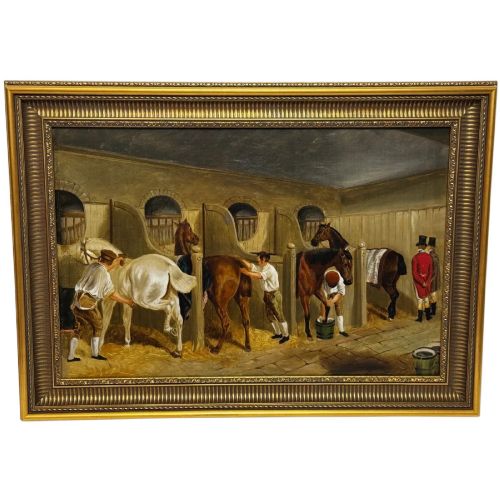
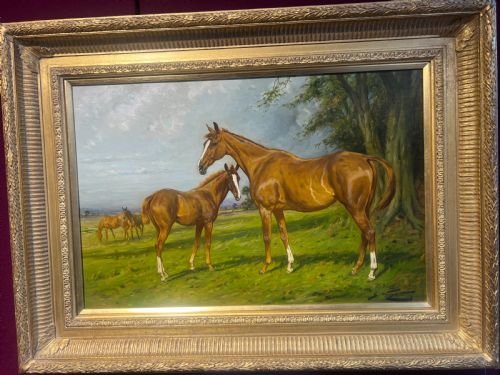
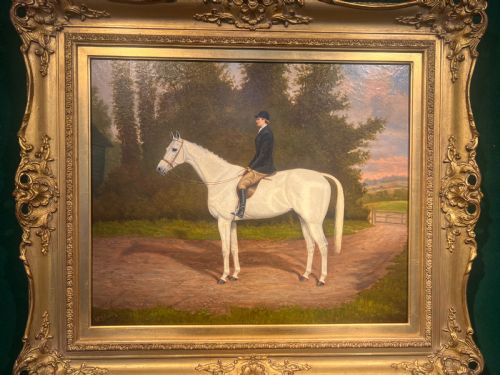
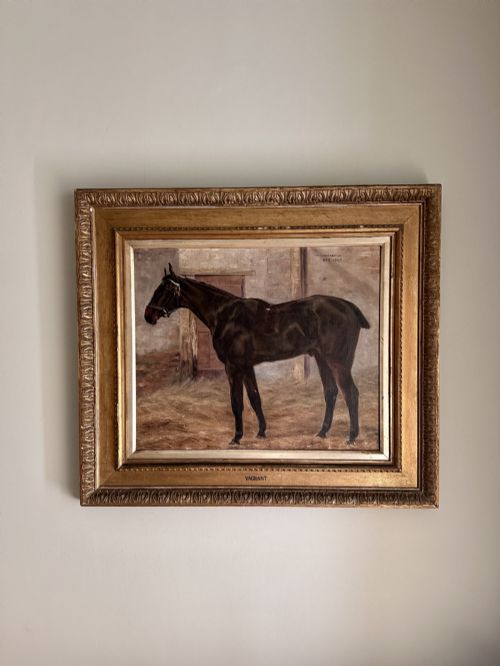
A horse portrait in frame brings centuries of equine art into domestic spaces, ranging from intimate studies of individual hunters and racehorses to broader rural and sporting scenes. The selection spans the eighteenth, nineteenth and twentieth centuries, capturing animals in stables, landscapes and racing contexts.
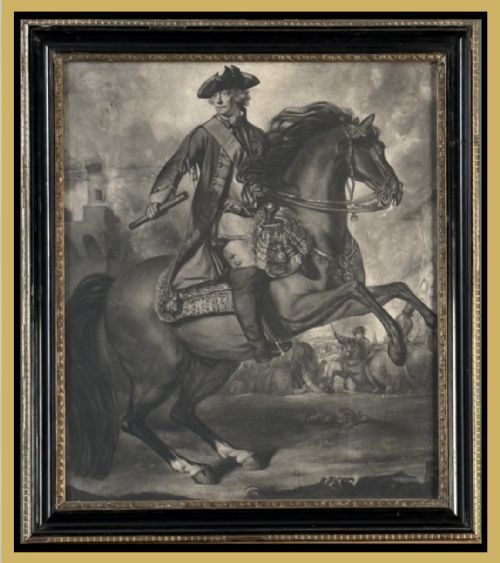
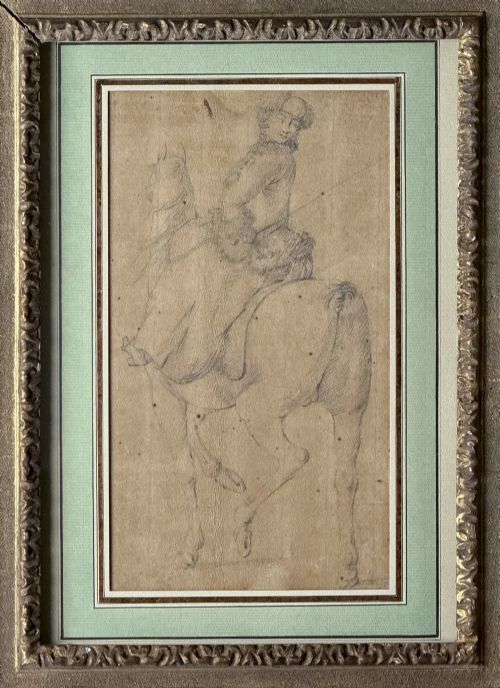
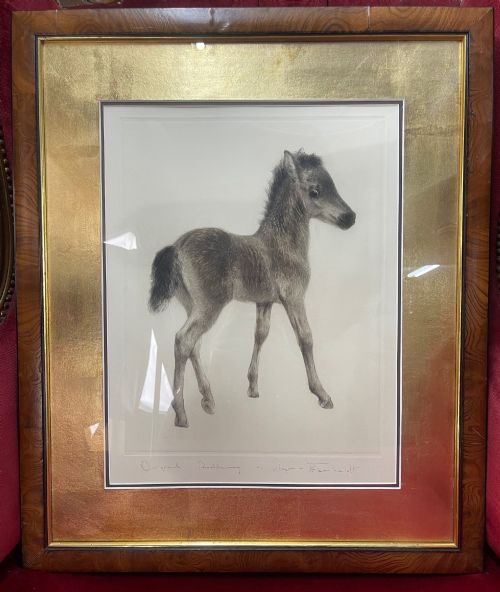
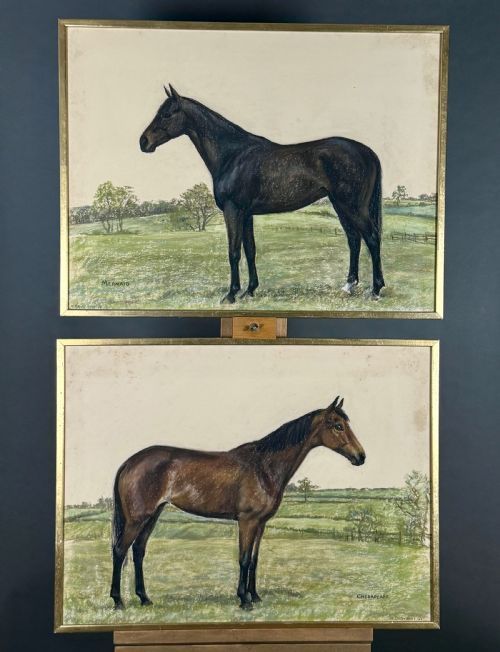
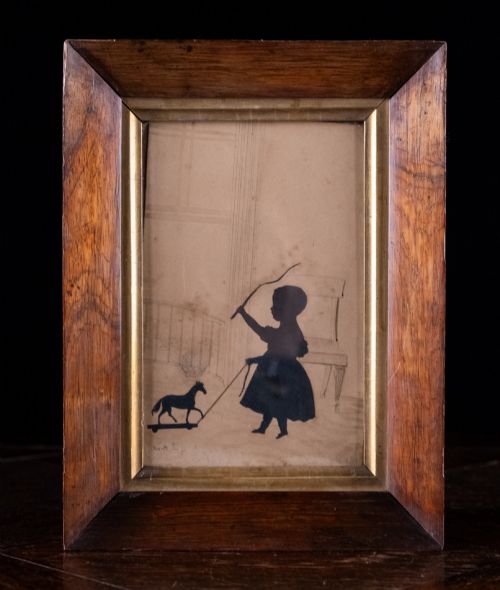
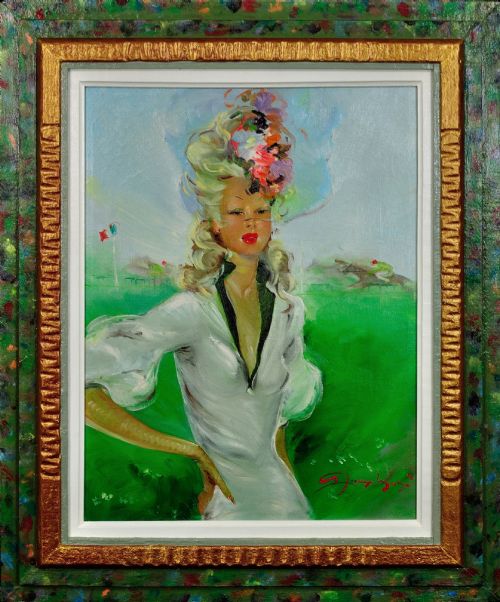
Victorian sporting art dominates the offerings, alongside Georgian works and mid-twentieth-century pieces. Buyers encounter oil paintings on canvas and panel, alongside pastels on paper, watercolours and early drypoint prints, each housed in period wooden or gilt frames.
How they were made
Makers utilised oil paint on canvas or wooden panel to build rich depths of colour for coats and musculature, applying fine brushwork to capture the light on a bay, grey or chestnut hide. Pastels and watercolours on paper offer softer textures, often fixed behind glass within decorative surrounds.
Frames themselves form an integral part of the construction, employing carved wood and giltwork to complement the subject matter. These surrounds vary from heavy moulded Victorian giltwood to simpler wooden frames suited to earlier drawings and later mid-century works.
Several equine subjects bear the names of forgotten Victorian race winners, forever immortalised in heavy giltwood.
What varies in quality
The anatomical accuracy and proportion in rendering the animal separate standard decorative works from master studies. Artists who understood equine conformation managed to convey both the physical power and the specific character of named racehorses or hunters.
The integrity of the original surface and the harmony of the framing also influence the piece. Works retaining their untouched nineteenth or eighteenth-century giltwood frames carry greater historical cohesion than those paired with later replacements.
Henry Barraud·Edward Fisher·Kurt Meyer Eberhardt·Albert Clark·Augustin Edouart·John Ferneley Senior
The Horse Portrait in Frame Glossary
- Giltwood
- Wood carved and coated with a thin layer of gold leaf or gilt powder. This finish is typical of traditional frames designed to catch and reflect light in period interiors.
- Oil on Canvas
- Pigment mixed with drying oil applied to a woven fabric stretched across a wooden frame. This medium allowed artists to achieve deep tones and subtle blending for animal coats.
- Mezzotint
- A printmaking process of the tonal method, enabling the creation of subtle gradations of light and shade. It was frequently utilised for reproducing portraits of notable figures and animals.
- Drypoint
- A printmaking technique where an image is scratched directly into a metal plate with a sharp needle. This produces rich, velvety burrs that hold ink for atmospheric lines.
Horse Portrait in Frame: Frequently Asked Questions
How do I identify the age of a horse portrait?
Examine the canvas preparation, stretcher bars, and the style of the framing materials. Earlier works from the Georgian and Victorian periods often feature hand-carved wooden frames and specific pigment characteristics.
Look for inscriptions, artist signatures, or labels on the reverse of the canvas or panel. Archival records and provenance notes frequently link named racehorses to specific nineteenth-century racing years.
Where were these equine portraits displayed originally?
These artworks traditionally hung in country houses, estate libraries, and sporting lodges. They celebrated prized hunters, winning racehorses, and beloved family pets.
Equestrian commissions also decorated the offices and studies of trainers, owners, and cavalry officers. They served as both personal mementos and displays of social standing in rural communities.
How should I care for an antique oil painting?
Keep the artwork away from direct sunlight and sources of extreme heat or dampness. Stable room temperatures prevent the canvas and wooden frame from warping or cracking over time.
Dust the surface gently with a soft, dry brush and avoid using water or chemical cleaners on the paint. Professional conservators should handle any deep cleaning or structural repairs.
What is the difference between an oil and a pastel?
Oil paintings utilise pigment bound in drying oil on canvas or panel, offering deep colour saturation and a durable surface. They capture the glossy sheen of a horse coat with heavy impasto or smooth glazes.
Pastels consist of powdered pigment pressed into sticks, applied directly to paper to create a soft, velvety texture. These delicate works require glass protection to prevent the pigment from smudging.