
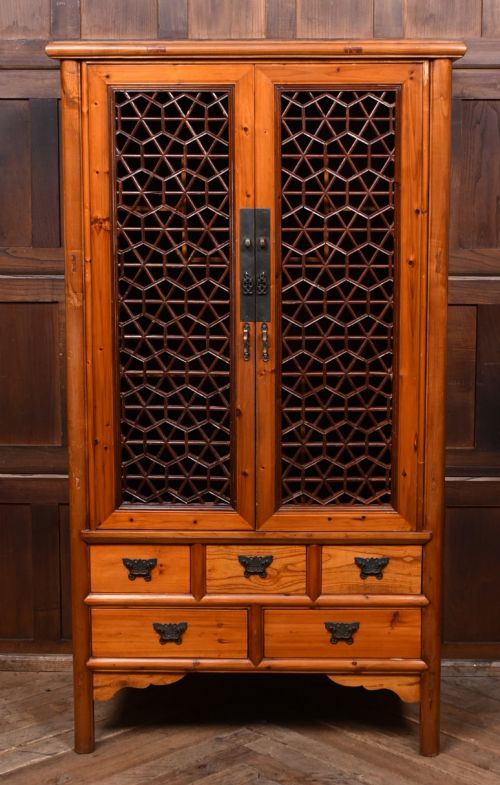


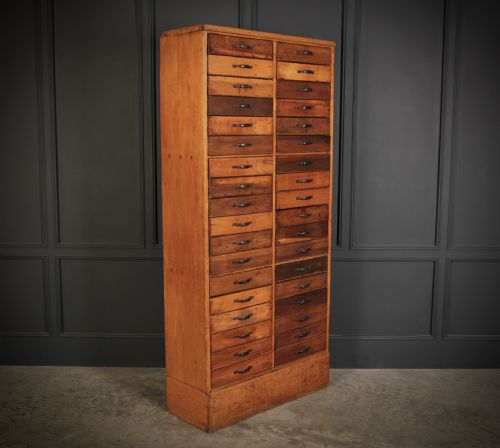


Honey Wood Cupboard
A honey wood cupboard brings warmth and natural grain into a room, spanning rustic pine larders to elegant maple armoires.
Honey Wood Cupboard
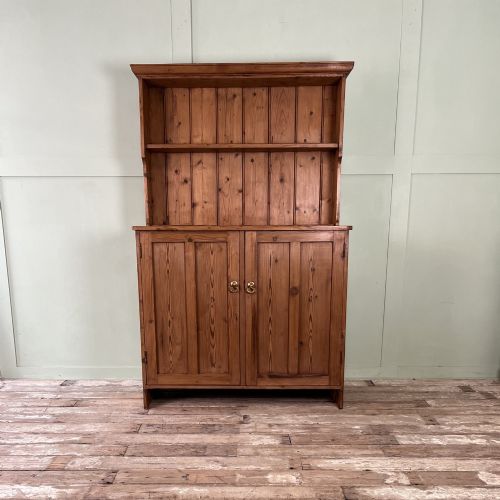
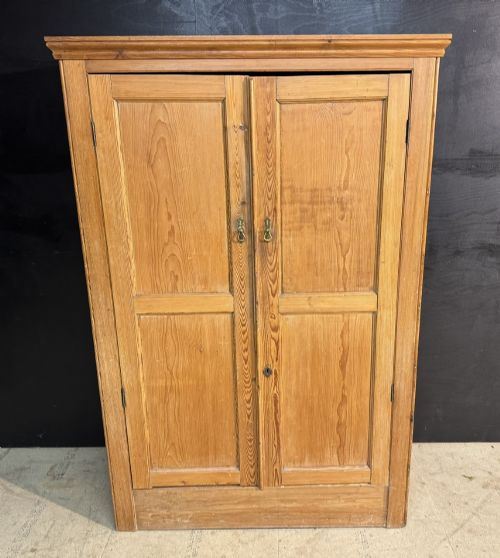
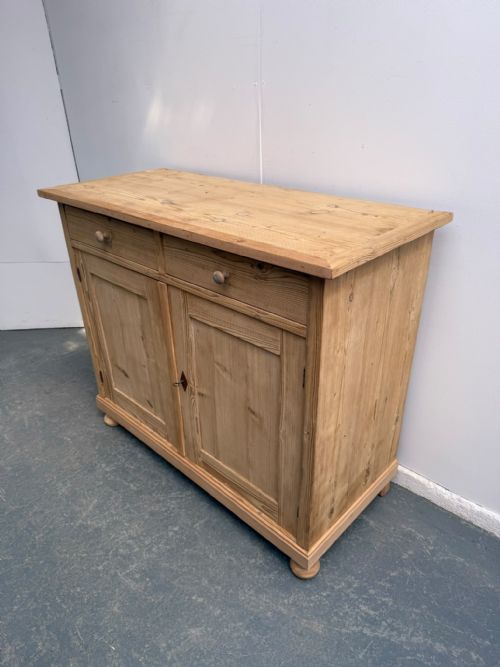
A honey wood cupboard encompasses a diverse range of storage furniture built from lighter timber tones, appearing across periods from the Georgian era through to the twentieth century. When exploring honey wood cupboard options, buyers encounter everything from tall larder storage and bedside cabinets to large wardrobes and kitchen dresser bases.
The selection ranges across several notable styles including Victorian country pieces, French provincial designs, and Japanese Meiji examples. Materials vary considerably, utilising pine, birch, fruitwood, satinwood, and birds eye maple to achieve that distinctive warm, honeyed palette.
Materials and Construction
Makers utilised solid timbers such as pine, birch, and fruitwood, often selecting figured varieties like birds eye maple and burr elm for decorative presence. These foundational woods were shaped into sturdy cupboards, armoires, and dressers using traditional joinery appropriate to their regional origins.
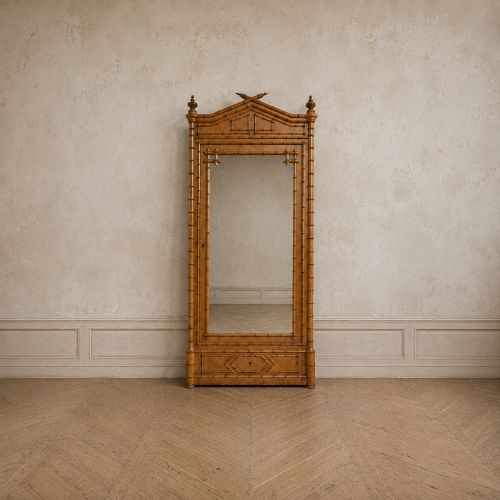
Hardware played a functional and visual role, incorporating brass and iron fittings, glass panels, and occasionally marble tops on washstand variants. Surfaces were left in natural timber grains, stripped to bare pine, or occasionally finished with faux bamboo detailing.
Some nineteenth-century makers went to great lengths to carve solid wood into convincing bamboo stalks, proving that Victorian makers loved a clever botanical illusion.
Assessing Quality and Character
Quality rests in the selection of the timber grain, where highly figured veneers like birds eye maple or burr elm elevate a piece beyond standard utility. The integrity of the construction, from the weight of the timber to the precision of the joinery, dictates the enduring stability of each cabinet.
Proportion and origin further distinguish individual examples, separating simple provincial work from sophisticated cabinet-making by established firms. Original hardware, intact glass, and untouched surface patination contribute significantly to the character of the piece.
Otto Schulz for Boet·Maple and Co
The Honey Wood Cupboard Glossary
- Bird's eye maple
- A figure in maple wood where the grain swirls around small spots resembling bird eyes. This decorative pattern appears frequently in fine nineteenth-century cabinet work.
- Larder cupboard
- A tall storage piece traditionally designed for food preservation with ventilated doors. These utilitarian items now serve widely for general kitchen and dining storage.
- Dresser base
- The lower portion of a kitchen or dining dresser featuring drawers and cupboards without upper shelving. They provide robust surface space and enclosed storage.
- Faux bamboo
- A decorative technique where hardwood is carved or turned to resemble natural bamboo stalks. This style gained popularity during the late nineteenth-century aesthetic movement.
- Haberdashery chest
- A multi-drawer cabinet originally utilised in retail shops for storing textiles and small garments. Their numerous shallow drawers make them practical for modern organisation.
Honey Wood Cupboard: Frequently Asked Questions
What woods count as honey wood?
The category includes light and warm-toned timbers such as pine, birch, satinwood, fruitwood, and maple. These woods naturally exhibit golden and amber hues that deepen with age and wax finishing.
Different species offer distinct grain patterns, ranging from the knotty charm of rustic pine to the intricate figuring found in birds eye maple and burr elm.
How do I date an older cupboard?
Dating relies on observing construction methods, timber preparation, and the prevailing style of the period. Georgian and early nineteenth-century pieces often display hand-sawn timbers and specific joinery techniques distinct from later Victorian production.
Hardware styles, secondary woods used in drawer linings, and overall proportions also provide clear indicators of whether a piece originates from the Regency, Victorian, or Edwardian eras.
Can I use a larder cupboard in a bedroom?
Deep shelving and generous height make larder cupboards highly adaptable for storing folded clothing, linens, or accessories in a bedroom. Their substantial internal capacity offers practical storage while introducing rustic architectural character to the space.
Many examples function effectively as standalone wardrobes or linen presses once internal configurations are adapted to modern wardrobe requirements.
How should I care for timber surfaces?
Maintaining honey wood requires regular dusting with a soft, dry cloth and occasional application of natural beeswax to nourish the grain. Avoiding direct sunlight and excessive heat prevents the timber from drying out or splitting over time.
Keeping the surface properly waxed enhances the natural golden tones and protects the wood from everyday wear without sealing it beneath modern synthetic varnishes.