
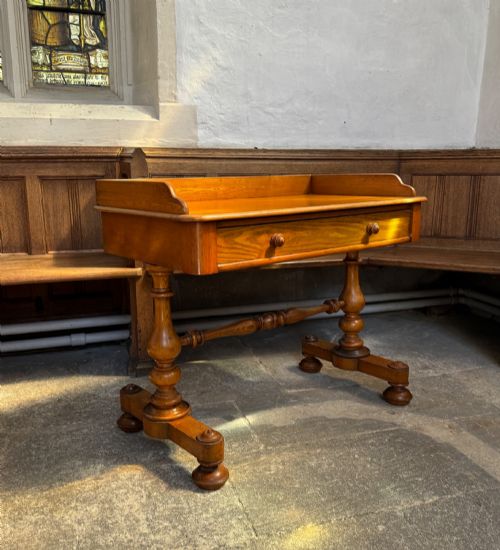
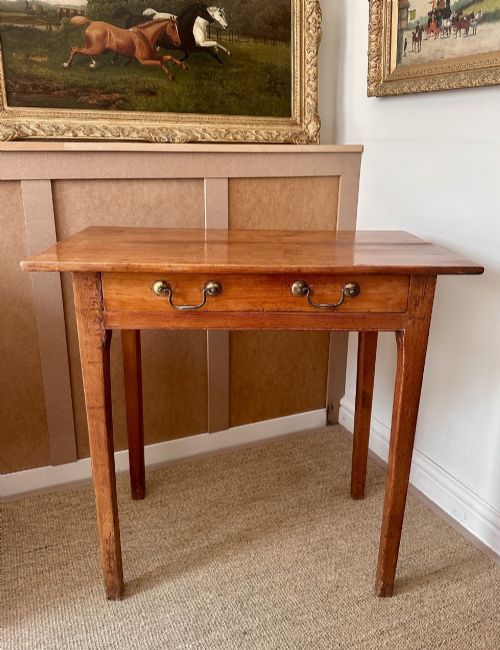
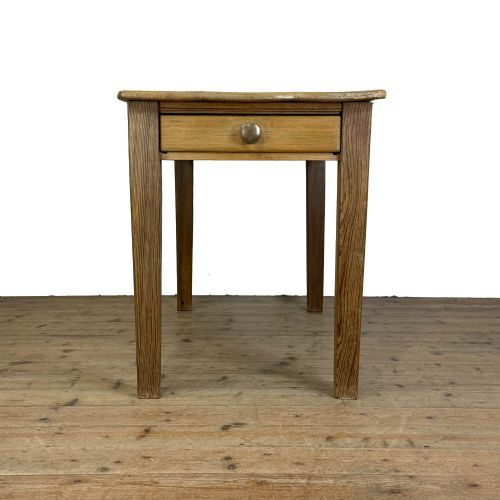
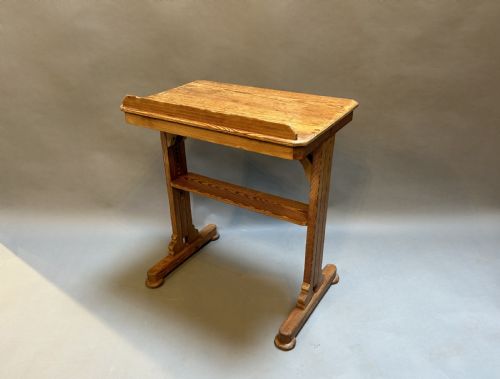





Honey Pine Writing Table
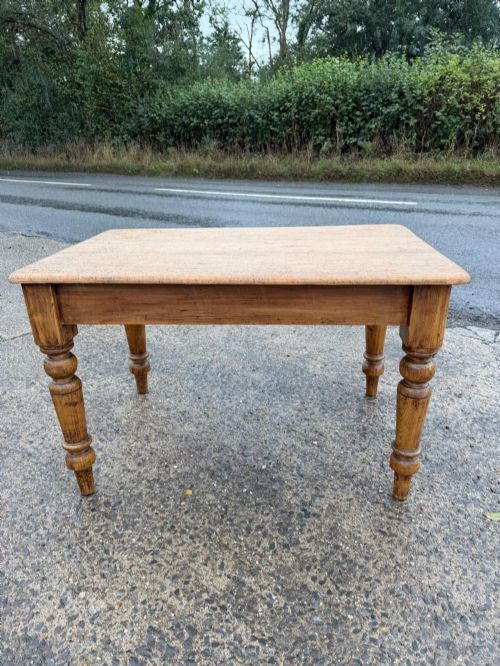
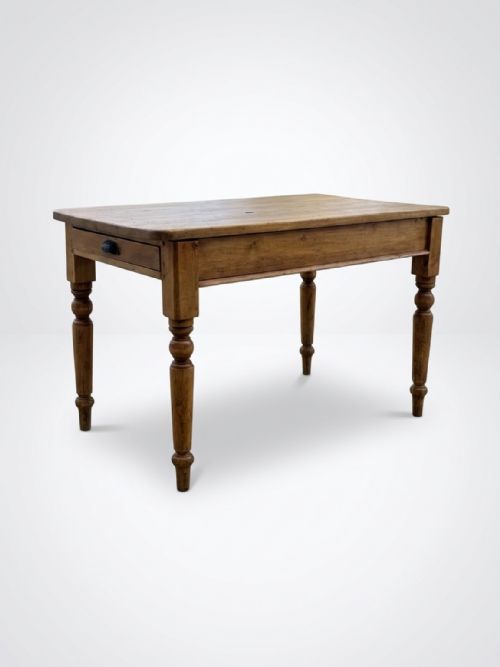
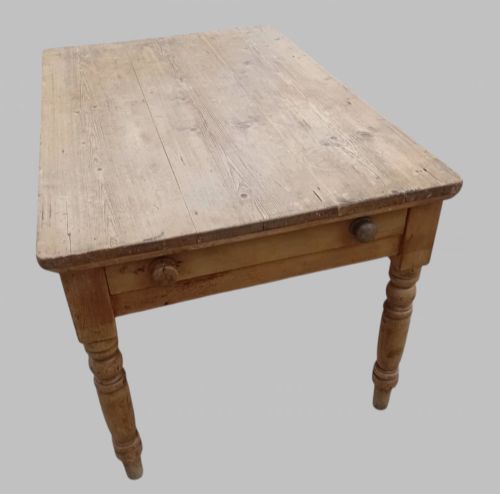
These honey pine writing table examples bring together nineteenth-century utility and warm timber grain for a practical workspace.
Honey Pine Writing Table
A honey pine writing table typically emerges from the nineteenth century, spanning Victorian and Edwardian periods with robust forms. These pieces often arrive from farmhouse or vernacular traditions, bringing straightforward proportions to domestic interiors.
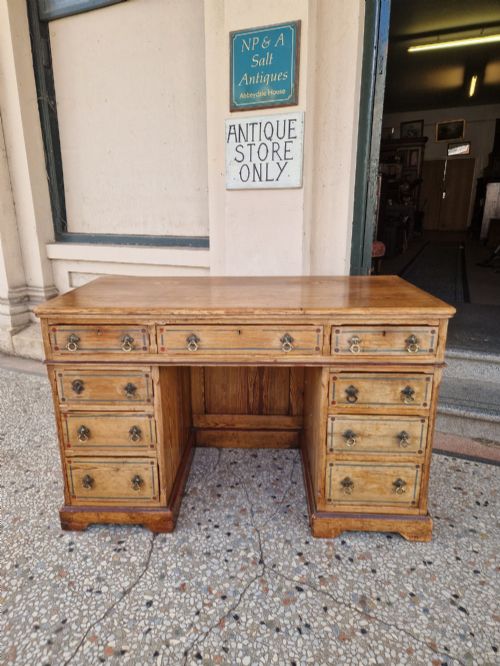
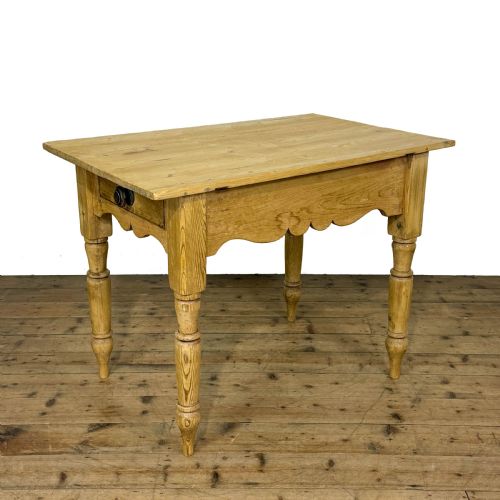
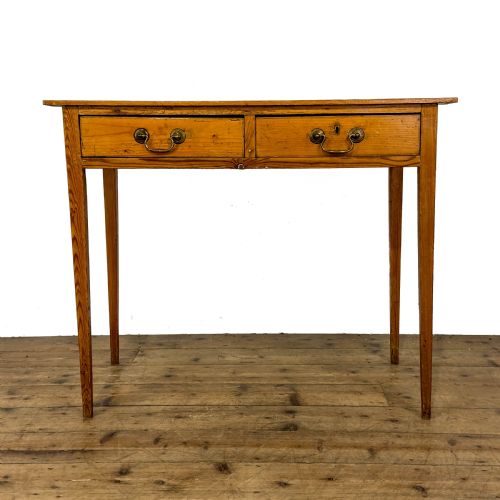
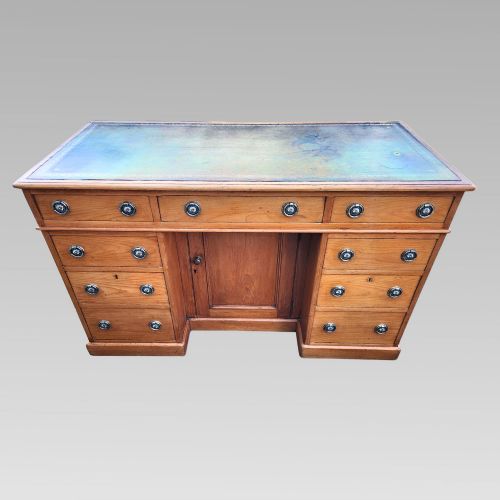
You will encounter single-drawer side formats, pedestal partners desks, and compact kneehole designs within this selection. The honey tones develop naturally through age and exposure, distinguishing these working surfaces from formal mahogany or walnut furniture.
How they were made
Makers utilised solid pine and pitch pine timbers, building carcasses with dovetailed drawer construction and turned or squared legs. Brass hardware frequently appears on handles and drawer pulls, adding functional contrast to the warm wood.
Many examples incorporate leather writing surfaces inset into the top, while others retain traces of original paint or natural waxed finishes. Construction methods prioritise daily utility, employing sturdy joinery designed to withstand decades of practical service.
Many a Victorian clerk spilled ink upon these very boards, leaving ghostly traces of past administrative toil deep within the grain.
What varies in quality
The distinction between standard utility items and finer pieces lies in the choice between ordinary pine and dense pitch pine timbers. Superior examples feature heavier construction, sophisticated pedestal configurations, and well-executed joinery rather than basic board assemblies.
Proportion and intact original fittings elevate certain models above simpler vernacular tables. The retention of fitted desk interiors, secondary drawers, and uncompromised structural timber separates exceptional specimens from everyday workshop output.
The Honey Pine Writing Table Glossary
- Pitch pine
- A dense, resinous variety of pine timber known for its durability and prominent grain pattern. It appears frequently on heavier nineteenth-century desks and washstands.
- Kneehole desk
- A writing table featuring a central recess for the user's legs, flanked by pedestals of small drawers. This form provides substantial storage while maintaining a compact footprint.
- Frieze
- The horizontal architectural band directly beneath the tabletop, frequently housing one or more storage drawers in these tables. Drawer placement here is characteristic of nineteenth-century side and writing desks.
- Partners desk
- A large double-sided writing table designed for two people to work opposite one another. These robust pieces often incorporate banks of drawers on both sides.
Honey Pine Writing Table: Frequently Asked Questions
What is a honey pine writing table?
A honey pine writing table is a nineteenth-century desk or work table constructed from pine timber that has acquired a warm, golden patina over time. These pieces range from simple single-drawer side tables to substantial pedestal partner desks.
Most examples originate from Victorian or Edwardian domestic and farmhouse settings, built for everyday writing and administrative tasks rather than formal display.
How do I care for antique pine furniture?
Caring for antique pine involves maintaining a stable indoor environment away from direct heat sources and strong sunlight, which can dry out the timber. Regular dusting with a soft cloth and occasional application of appropriate beeswax helps preserve the finish.
Avoid excessive moisture on the wood surface, particularly around inset leather writing panels or unsealed joints. Gentle handling ensures the historic wax and natural patina remain undisturbed.
Where were these tables used?
These tables served in various domestic and institutional spaces, including farmhouse kitchens, Victorian studies, bedrooms, and offices. Their modest scale made them adaptable for parlour correspondence or estate management.
Pedestal and partners variants tended to occupy larger studies or libraries, while single-drawer side tables functioned flexibly across different rooms of the house.
How do I distinguish pitch pine from ordinary pine?
Pitch pine is noticeably heavier and harder than standard white or yellow pine, featuring a higher resin content and darker, more dramatic grain figuring. It resists dents more effectively and often displays a reddish-amber hue.
Furniture makers selected pitch pine for pieces requiring greater structural strength, such as heavy pedestal desks and institutional washstands.
What periods do these tables date from?
The pieces available span the nineteenth and early twentieth centuries, primarily clustering in the Victorian era between eighteen-fifty and nineteen-hundred. You will also find occasional Edwardian utility items and early twentieth-century examples.
Stylistic markers range from simple rustic farmhouse designs to Arts and Crafts interpretations and Gothic-influenced washstands.