


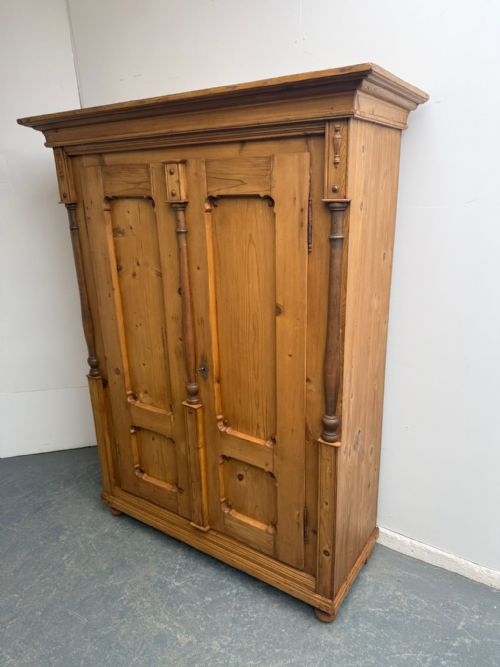


Honey Pine Clothes Cupboard
A honey pine clothes cupboard brings domestic warmth and honest grain to a bedroom, offering sturdy storage rooted in period craftsmanship.
Honey Pine Clothes Cupboard
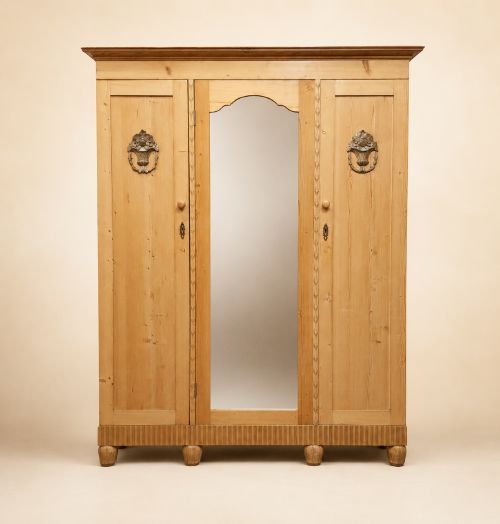
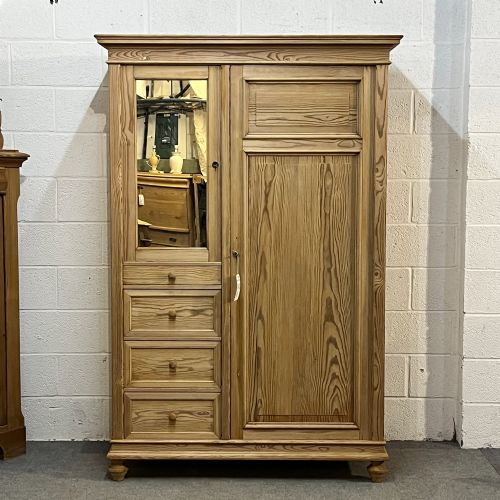
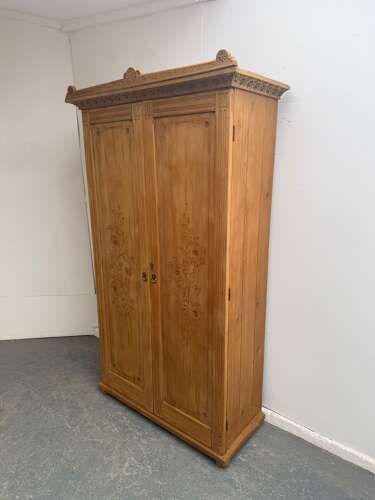
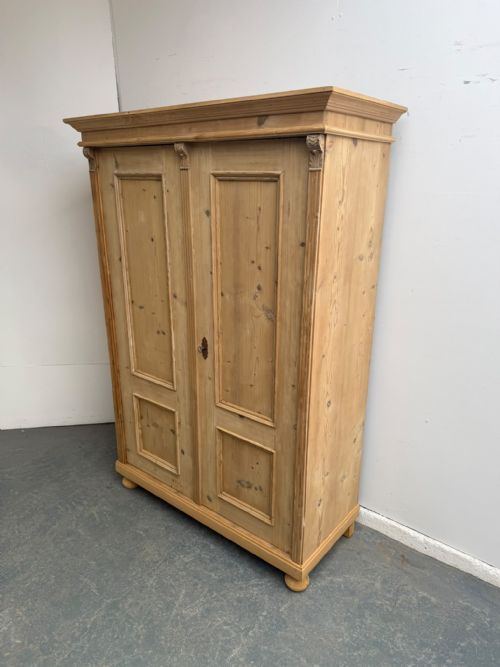
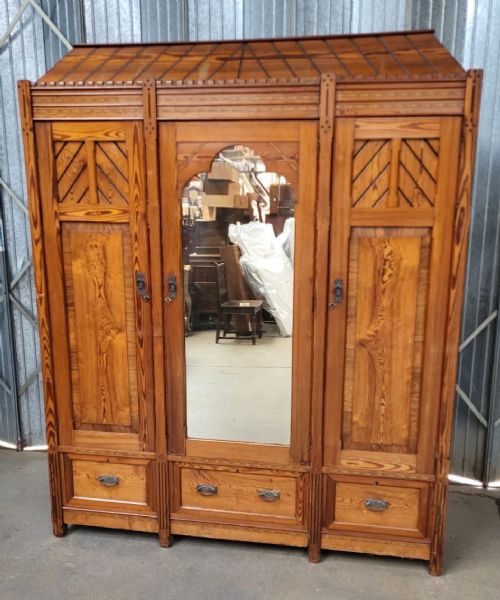
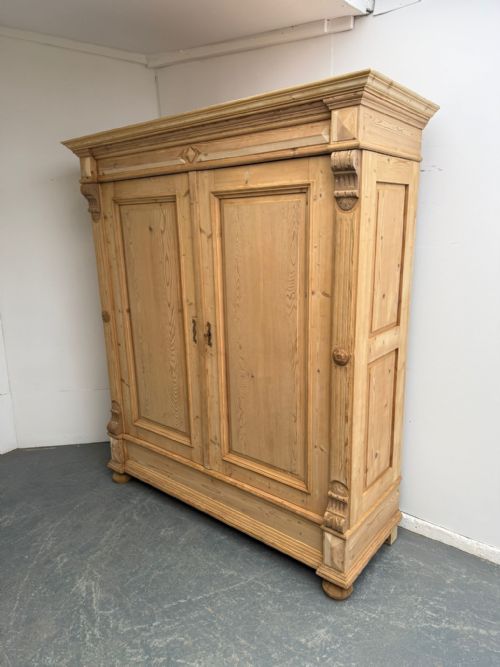
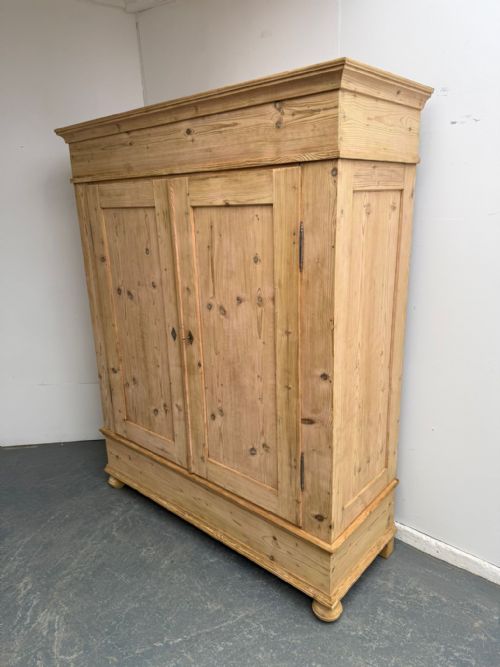
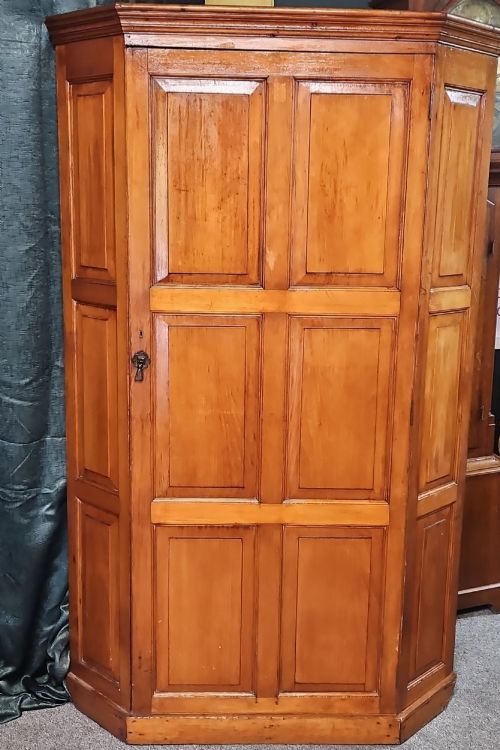
When you search for a honey pine clothes cupboard, you encounter substantial timber furniture built to store garments and linen across several historical eras. These pieces range from modest two-door bedroom wardrobes to expansive triple configurations and tall compactum units.
The selections span Georgian, Victorian, and Arts & Crafts periods, alongside country interpretations from the 1930s. Most examples on this page adopt traditional wardrobe and storage cupboard formats, often finished with wax or left prepared for paint.
Hungarian and English origins appear among the stock, reflecting diverse regional proportions and detailing. Buyers frequently select these cupboards for their generous internal capacity and the golden hue of aged softwood.
How they were made
Makers constructed these cupboards primarily using solid pine and pitch pine timbers, selected for their straight grain and workable nature. Many larger examples utilised knockdown construction principles, allowing bulky carcasses to be disassembled for transport into rooms.
Hardware additions included brass, iron, and metal handles, hinges, and hanging fittings that complemented the timber body. Surfaces received wax treatments to nourish the wood, while specific examples incorporated glass mirrors or ceramic details.
Some Hungarian hall wardrobes arrived as single-piece arrivals, daring modern doorways with their generous proportions.
What varies in quality
Quality in these cupboards rests on the grade of the timber and the integrity of the joinery rather than ornamental excess. Superior pieces display thoughtful construction, such as panelled doors that remain square and drawers that run smoothly within their frames.
The depth of the honey tone and the condition of the surface finish distinguish ordinary storage from exceptional examples. Furthermore, sophisticated details like carved mouldings, inlay work, or columned pilasters elevate the presence of period pieces.
The Honey Pine Clothes Cupboard Glossary
- Compactum
- A multi-functional wardrobe combining hanging space with internal drawers and compartments. This configuration maximises storage within a single footprint.
- Knockdown
- A piece engineered to dismantle into separate panels and sections for easier transport and installation. Such designs were essential for moving large furniture up narrow stairwells.
- Pitch pine
- A dense, resinous variety of pine known for its durability and distinct figured grain. It often appears in robust Victorian furniture.
- Linen press
- A tall storage piece traditionally used for flat linens, featuring upper cupboard doors and lower drawers. Interiors typically house sliding trays rather than hanging rails.
- Waxed pine
- Timber treated with natural wax to protect the surface and develop a warm sheen over decades. This finish highlights the natural knots and grain patterns of the wood.
Honey Pine Clothes Cupboard: Frequently Asked Questions
Are these wardrobes easy to assemble?
Many period examples feature knockdown construction, meaning the carcass dismantles into manageable panels for transport.
Buyers should check how the sections lock together and whether original bolts or fixings remain intact.
Can I paint a waxed pine cupboard?
Numerous pieces arrive prepared specifically for painting or waxing, allowing you to adapt the finish to your interior.
Proper preparation requires removing old wax layers to ensure modern primers and paints adhere correctly to the softwood.
What is the difference between a wardrobe and a compactum?
A standard wardrobe focuses primarily on vertical hanging space behind full-length doors.
A compactum integrates internal drawers, shelves, and hanging sections into one unified piece of furniture.
How do I care for waxed pine furniture?
Maintain the finish by applying natural beeswax periodically and buffing the surface with a soft cloth.
Keep timber furniture away from direct heat sources and strong sunlight to prevent the wood from drying out or warping.