

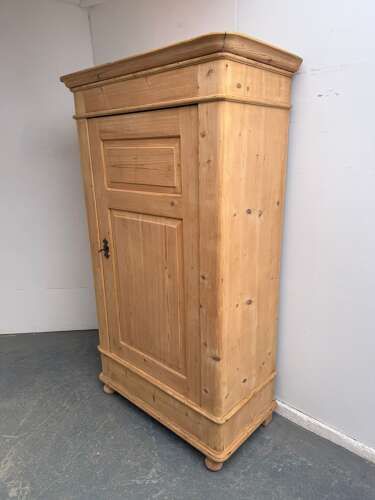
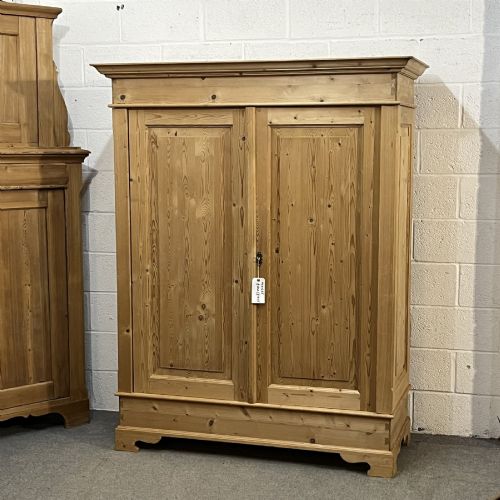
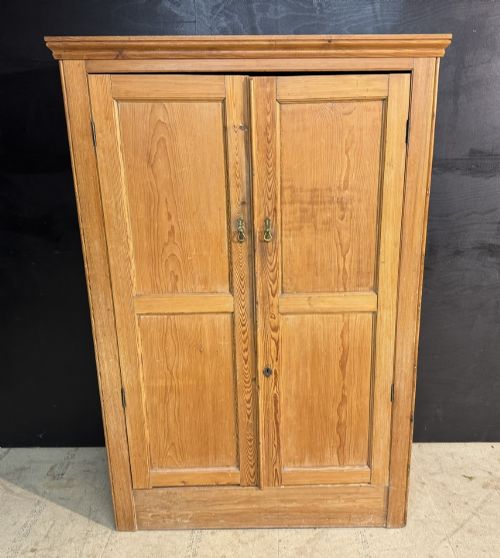
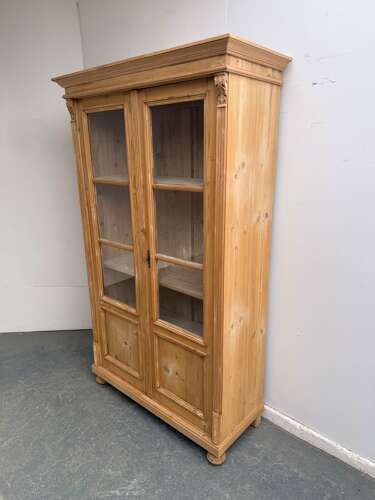
Honey Pine Armoire
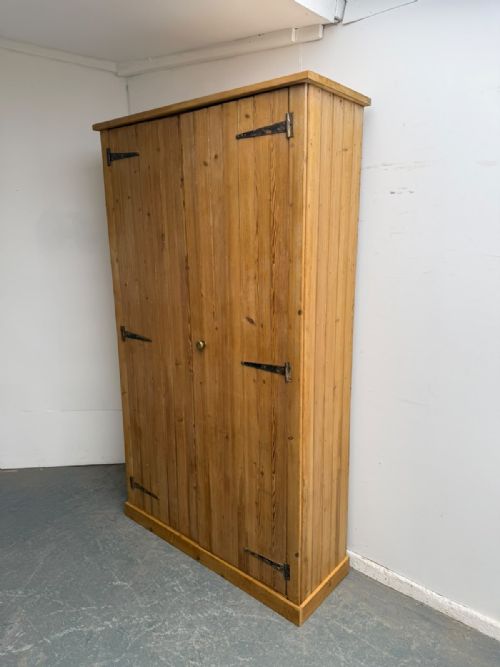
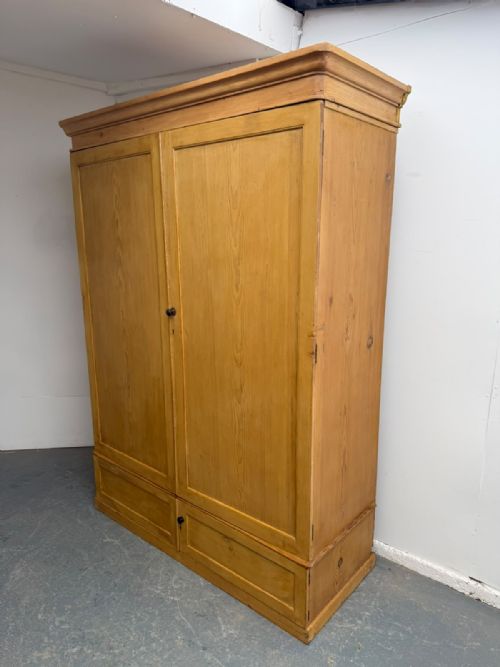
A honey pine armoire brings warmth and generous storage to a room, offering practical utility through sturdy timber construction and time-worn character.
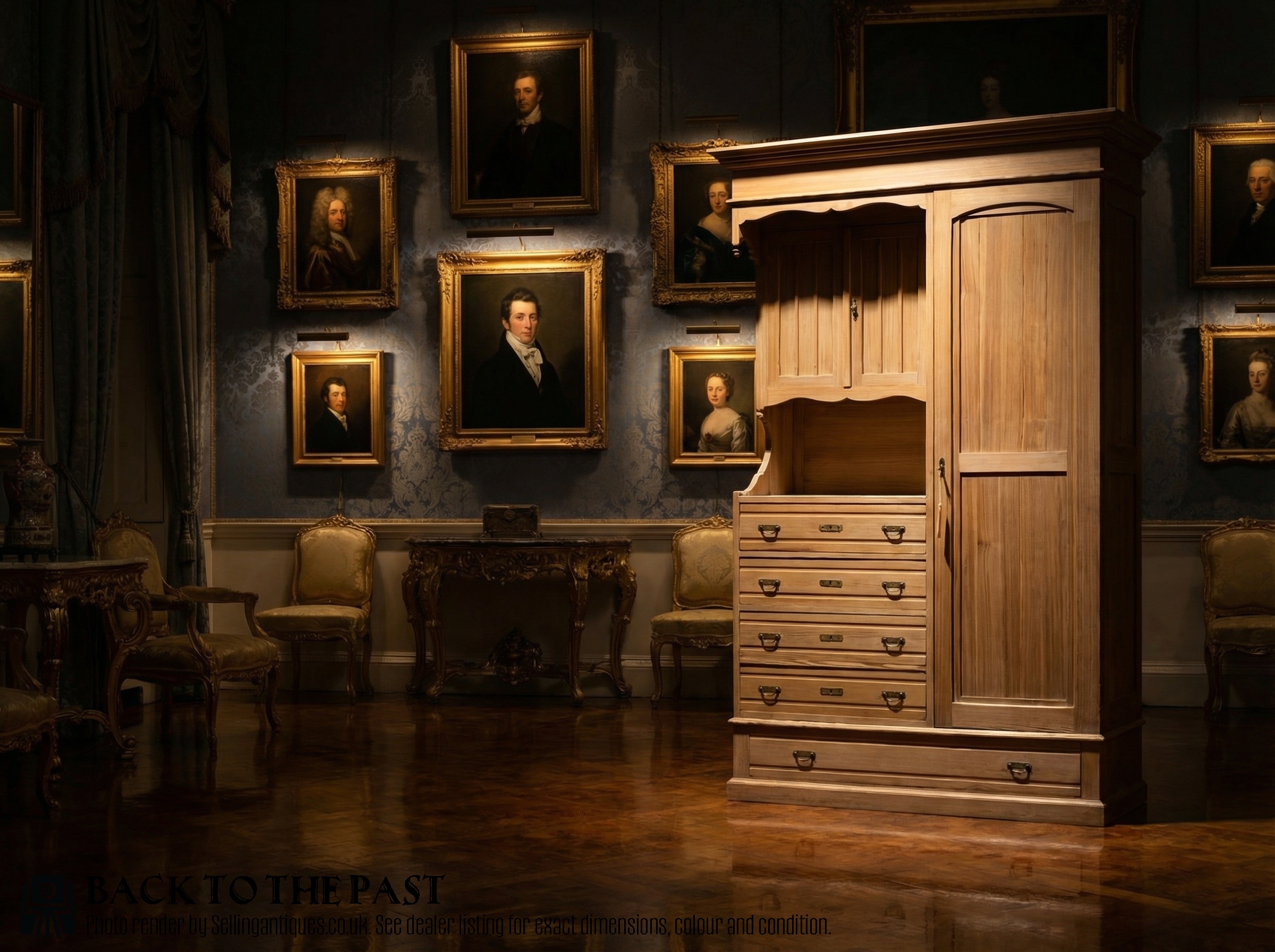
Honey Pine Armoire
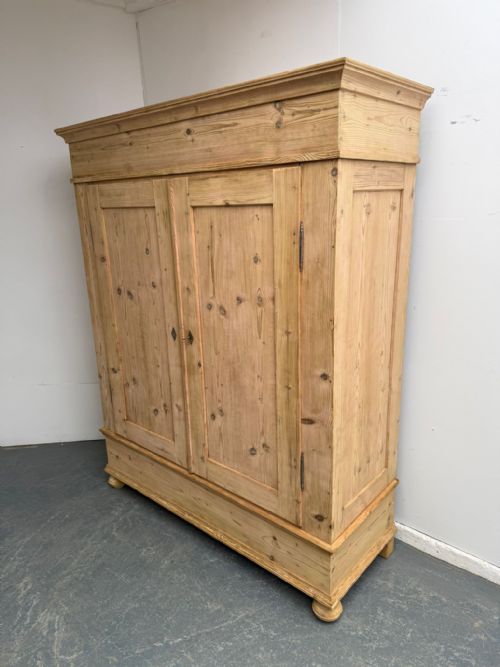
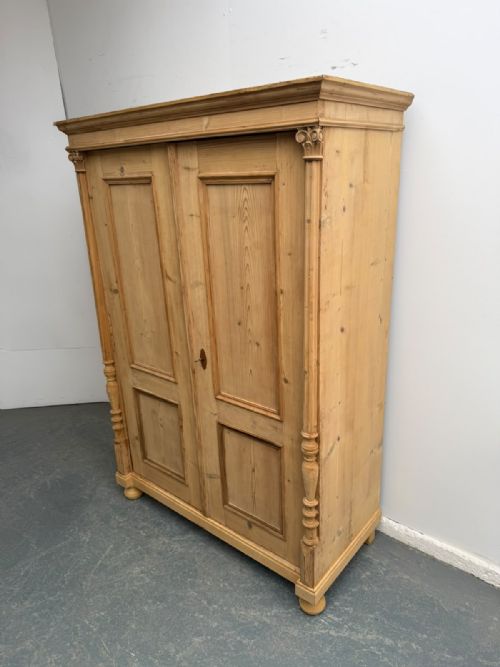
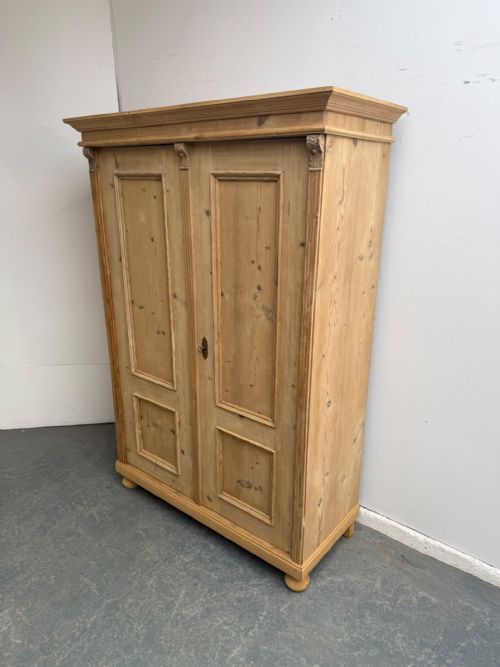
A honey pine armoire serves as a substantial storage piece, encompassing wardrobes, linen presses, and large cupboards designed for domestic utility. These pieces originate primarily from the Victorian and Georgian periods, alongside early twentieth-century examples spanning 1900 to 1930.
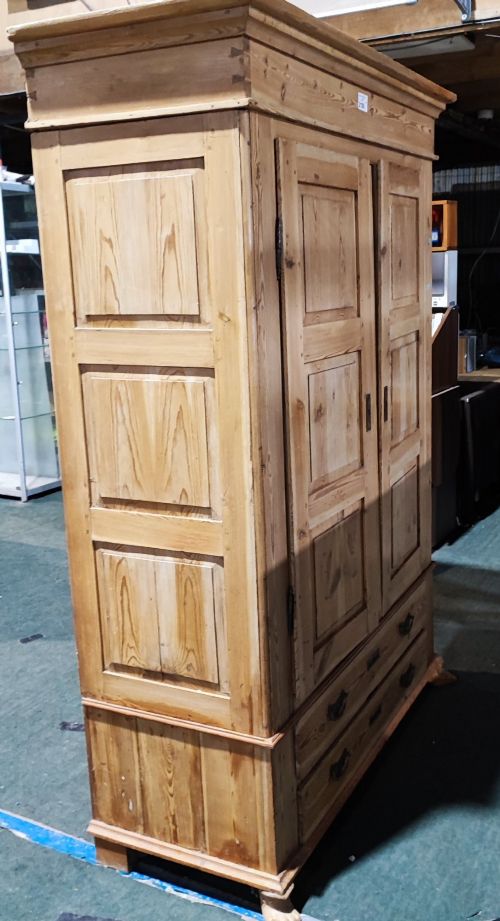
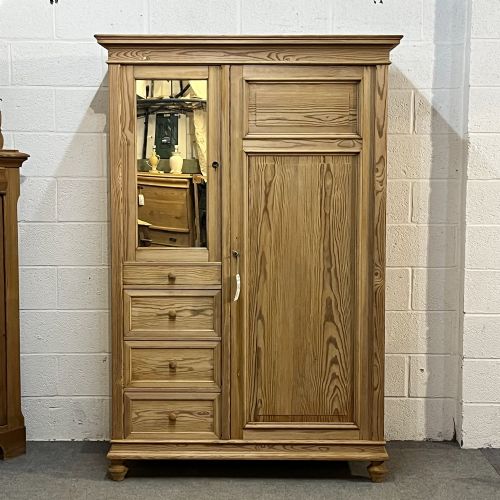
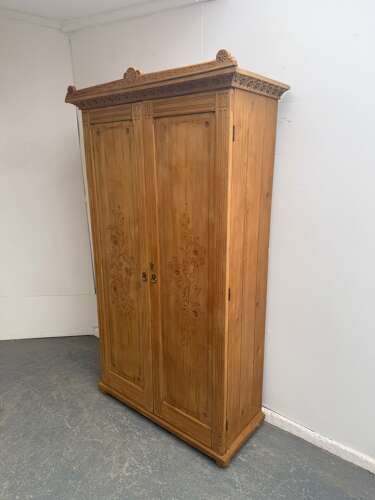
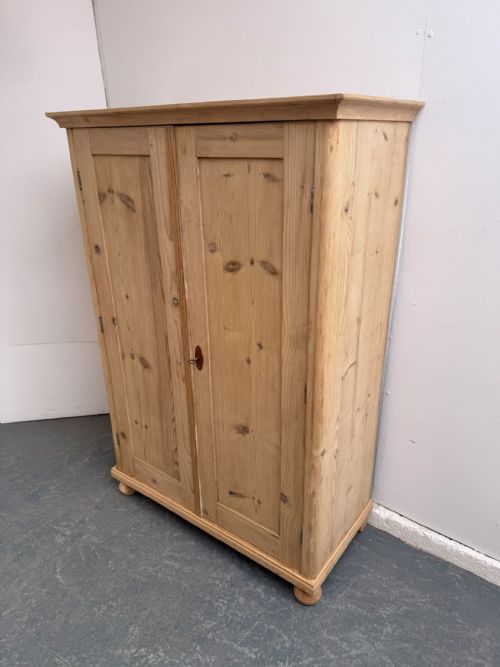
The honey pine armoire most frequently encountered here is a two-door knockdown wardrobe or storage cupboard, often finished with a warm wax or prepared for painting. Buyers also find specialised forms including compactum wardrobes with drawers, corner cupboards, and hall wardrobes.
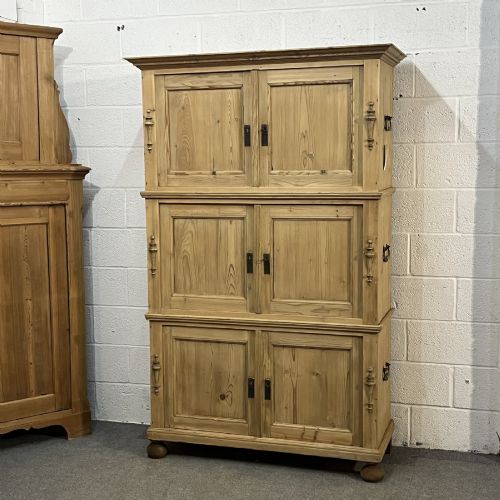
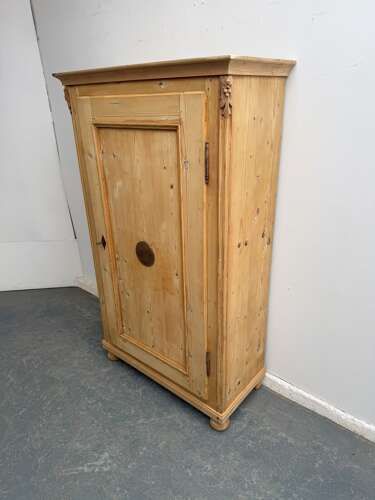
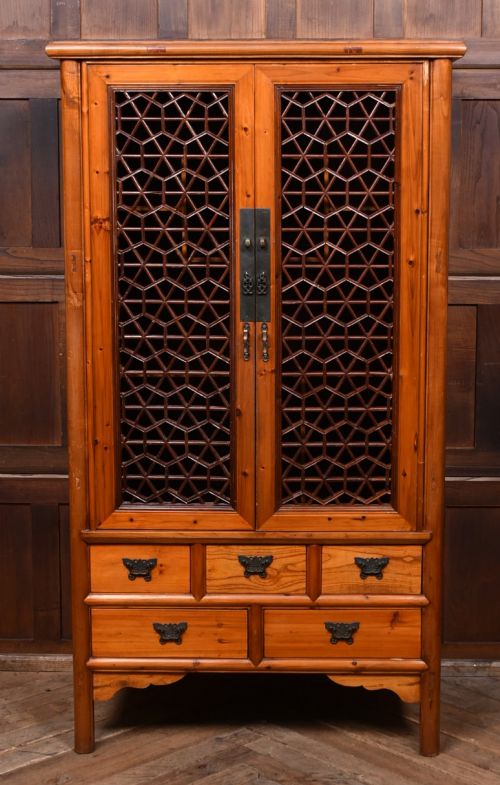
Origins stretch from classic English workshops to continental examples, including genuine Hungarian pieces and specific regional variants. The forms range from single-door child's wardrobes to massive wide multi-piece cupboards with integrated drawers.
Materials and construction
Makers utilised solid pine, pitch pine, and cedar for the primary framework, supplemented by iron, brass, and glass for hardware, hinges, and lead light panels. Pitch pine offered a denser grain, while standard pine provided a reliable, workable surface for waxing or painting.
Construction techniques frequently involved knockdown formats, allowing large wardrobes and linen presses to dismantle into manageable sections for transport and installation. Joinery relied on traditional methods to support heavy doors and internal shelving or hanging space.
Honey Pine Armoire Retail Price Guide 2026
Typical asking prices for honey pine armoire among the pieces listed under this phrase on Sellingantiques today, from the lower quarter to the upper quarter. They describe what is for sale here now, not the wider market.
Storage formats range from single-door child's wardrobes to four-piece bedroom units and larder cupboards.
Distinctions in quality
Quality rests in the integrity of the timber, the precision of the knockdown construction, and the preservation of original architectural details like columns, carving, or inlay work. Superior examples combine balanced proportions with sound structural timber that takes a smooth wax finish evenly.
Maple & Co.
The Honey Pine Armoire Glossary
- Knockdown
- A method of furniture construction designed to allow large wardrobes and cupboards to be fully dismantled into modular sections for ease of transport.
- Linen Press
- A dual-purpose storage piece combining upper shelving for household linen with lower drawers for smaller garments. It represents a heavier, more formalized domestic cupboard.
- Compactum
- A fitted wardrobe containing a combination of hanging space, internal drawers, and shelving within a single unified footprint. This layout maximises storage efficiency in smaller bedrooms.
- Pitch Pine
- A dense, resinous variety of pine known for its prominent grain pattern and durability. It provides a harder wearing surface than standard soft pine.
Honey Pine Armoire: Frequently Asked Questions
How do I assemble a knockdown wardrobe?
Knockdown wardrobes dismantle into separate panels, cornices, bases, and internal components to facilitate movement through tight spaces. Assembly typically involves interlocking sections, dowels, or internal bolts that secure the frame without requiring permanent gluing.
Ensuring the piece rests on a level surface before tightening the fixings prevents door misalignment and allows the timber doors to swing truly within their frames.
What is the difference between an armoire and a linen press?
An armoire focuses primarily on vertical hanging space for garments, enclosed by one or two tall doors. A linen press incorporates internal shelving in the upper section intended specifically for flat textiles and linens, frequently paired with drawers below.
While both share a commanding presence, the internal configuration reflects their original domestic purposes in storing different types of household items.
Should I wax or paint my pine cupboard?
Many pieces are offered in a raw state ready to wax or paint, allowing the finish to be tailored to modern interiors. Waxing feeds the timber, deepens the honey tone, and highlights the natural grain and knots of the pine.
Painting provides a clean, solid finish that suits lighter spaces, though traditionalists prefer a clear or tinted wax to preserve the historic character of the wood.
How do I date an antique pine wardrobe?
Dating relies on architectural styling, construction methods, and hardware signatures associated with periods like the Georgian and Victorian eras, or the Arts and Crafts movement. Georgian pieces often display deeper cornices and specific proportions, while Victorian examples introduce heavy knockdown mechanisms and pitch pine construction.
Makers' marks, when present, provide a direct link to specific firms operating around 1900 or earlier.