


Honey Brown Table
These pieces sold as a honey brown table span centuries of timber construction, offering warmth and utility for any room.
Honey Brown Table
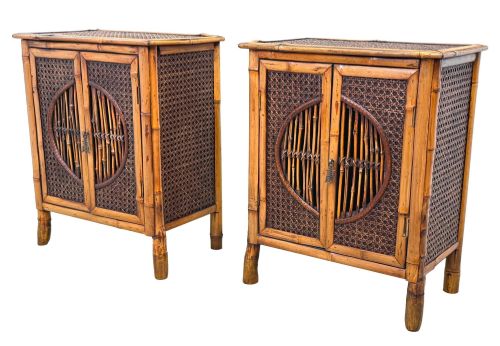
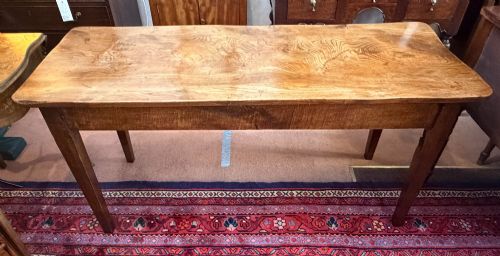
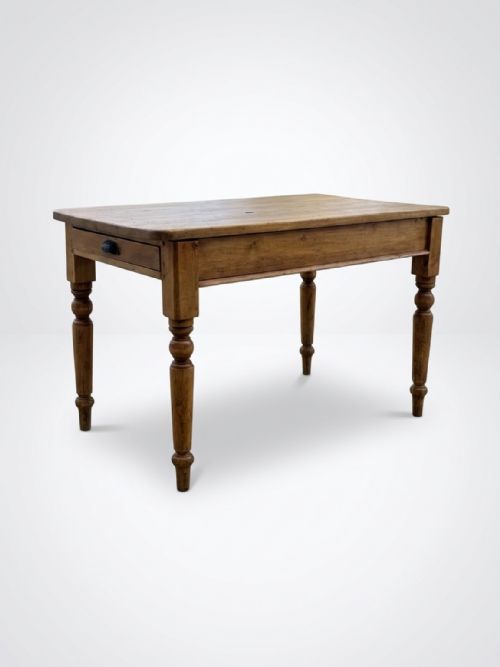
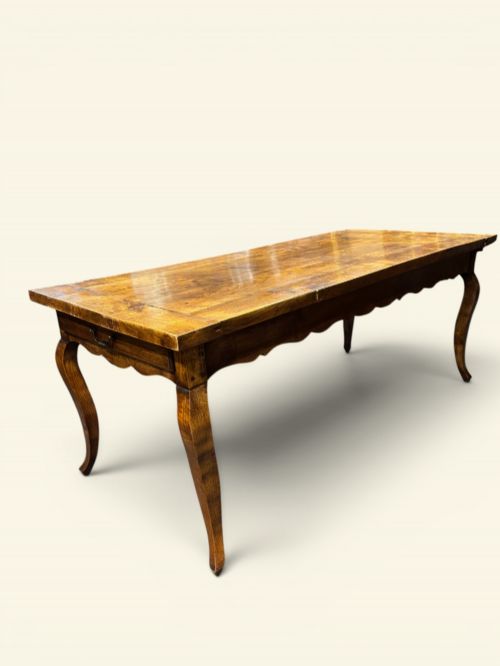
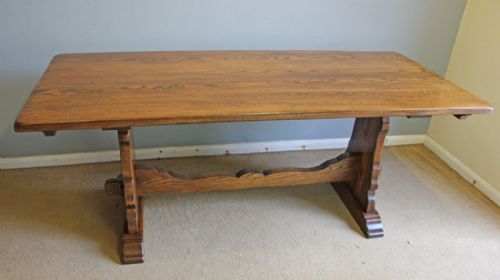
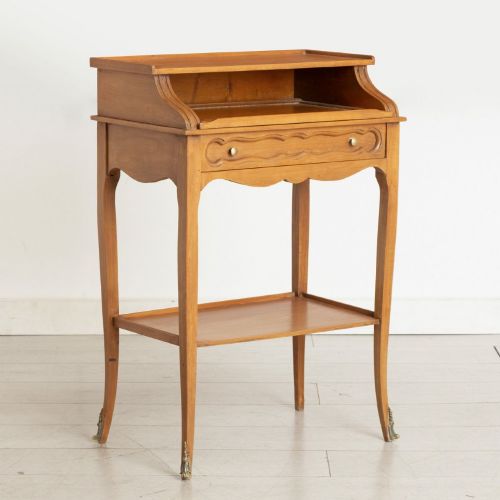
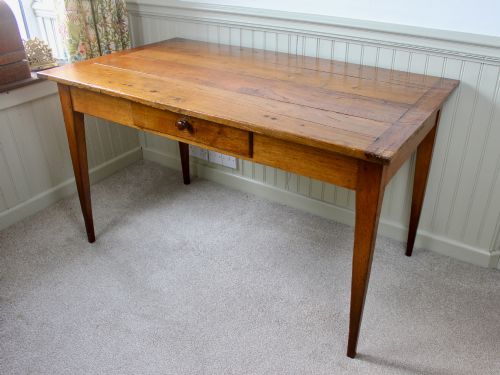
A honey brown table encompasses everything from robust dining surfaces to compact writing desks and side tables, appearing across multiple eras. Buyers browsing this search phrase frequently encounter practical farmhouse tables alongside occasional designs and occasional serving pieces.
The material palette runs through various woods, notably oak, fruitwood, elm, and pine, often exhibiting rich honey-toned patinas developed over generations. Pieces range from large French provincial dining formats to smaller side tables and nests.
Originating predominantly from the eighteenth and nineteenth centuries, these items bring historic character into contemporary spaces. They serve functional roles while displaying the honest construction methods of their respective periods.
How they were made
Construction relies heavily on solid timbers such as oak, fruitwood, elm, and pine, shaped by hand using traditional joinery techniques. Makers utilised local hardwoods and softwoods to build robust frames, trestles, and refectory bases designed for daily labour.
Surfaces often show the natural grain and warmth of the wood, enhanced through centuries of use rather than heavy factory finishes. Additional details like brass hardware or occasional satinwood veneers appear on finer writing tables and occasional pieces.
A secret bread slide hidden beneath the table top proves that historical bakers took their crumb management very seriously indeed.
What varies in quality
Quality rests in the integrity of the timber selection and the honesty of the construction, distinguishing humble utility from refined cabinetwork. Heavier woods like oak and elm offer structural endurance, while fruitwood and satinwood bring softer warmth and finer grain patterns.
Proportion and restrained detail separate standard regional items from more considered examples, such as those incorporating bread slides or specialised writing surfaces. The depth of the natural patina and the preservation of the original timber finish dictate the visual appeal of each piece.
Heal's
The Honey Brown Table Glossary
- Refectory table
- A long, narrow dining table originally designed for monastic dining halls. These heavy timber surfaces rest on sturdy trestles or four-legged frames connected by stretchers.
- Fruitwood
- Timber sourced from fruit-bearing trees such as cherry, pear, or apple. It yields a warm, dense surface prized for its distinctive grain and honey-hued ageing.
- Bread slide
- A pull-out wooden shelf integrated beneath the top of a farmhouse table. Historically used for cooling bread or expanding workspace in busy kitchens.
- Dresser base
- A lower cabinet featuring drawers and cupboards, serving as a sideboard or serving surface. These heavy pieces provide substantial storage beneath a flat timber top.
- Étagère
- A set of open shelves or tiers used for displaying small objects or serving. These light occasional pieces emerge in nineteenth-century interiors.
Honey Brown Table: Frequently Asked Questions
What defines a honey brown table?
A honey brown table is a wooden surface from periods like the eighteenth or nineteenth century, displaying natural timber tones rather than painted finishes.
These pieces range from large kitchen dining tables to small writing desks and occasional tables made of oak, fruitwood, pine, or elm.
How do I care for antique timber?
Keep wooden surfaces away from direct heat sources and sudden humidity changes to prevent the timber from splitting or warping.
Apply natural beeswax occasionally to nourish the grain and protect the patina without sealing the wood beneath synthetic layers.
Where were these tables used?
Many examples originated in farmhouse kitchens, workshops, and provincial dining rooms where heavy daily work took place.
Smaller writing desks and occasional tables served in parlours, bedrooms, and drawing rooms for correspondence and display.
How can I tell the period?
Examine the construction marks, timber selection, and joinery methods visible beneath the table top and around the frame.
Earlier eighteenth-century pieces often show hand-sawn tool marks and pegged joints, whereas nineteenth-century items introduce machine-cut elements and varied hardware.