





Historical Watercolours
Historical watercolours bring centuries of pigment on paper, portrait miniatures and maritime scenes into focus for collectors.
Historical Watercolours
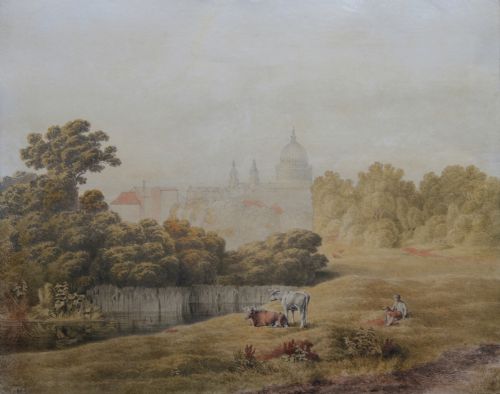
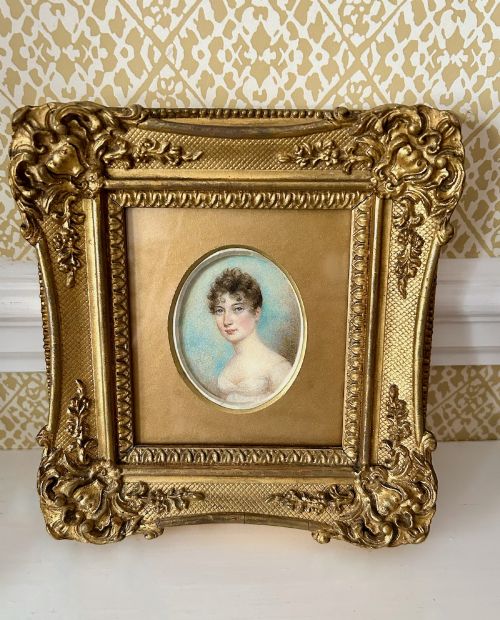
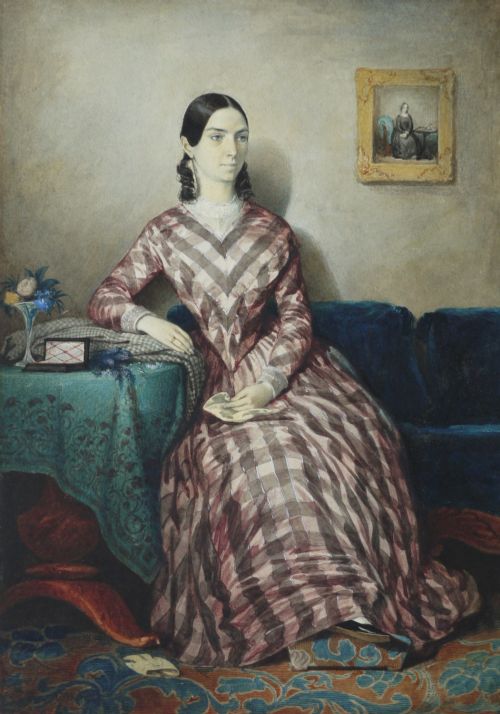
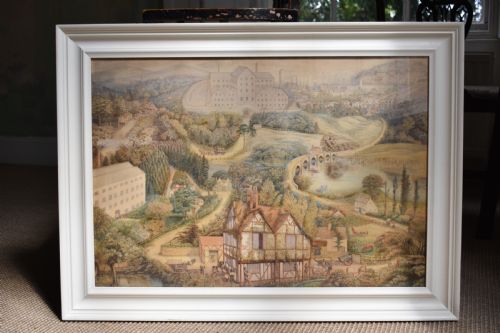
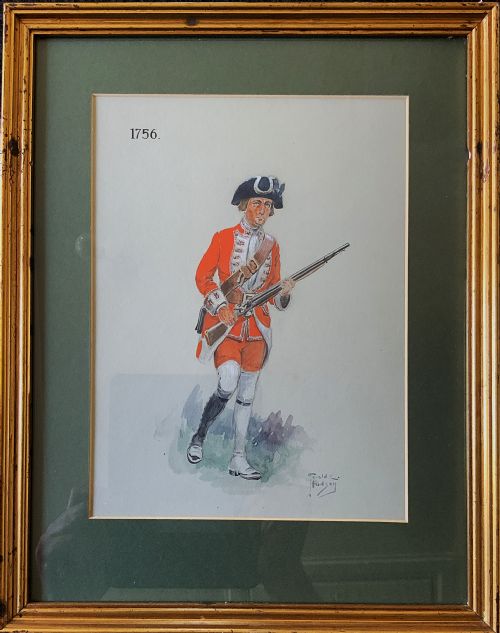
Historical watercolours encompass framed paintings, topographical drawings and delicate portrait miniatures executed across the Georgian, Regency and Victorian eras. Buyers seeking historical watercolours will encounter diverse subjects ranging from military uniforms and naval vessels to Yorkshire landscapes and intimate likenesses.
The selection leans heavily toward nineteenth-century works, alongside pieces stretching back to the eighteenth century and forward into the twentieth century. These paintings preserve past moments through the skilled application of pigment and wash upon paper.
How They Were Made
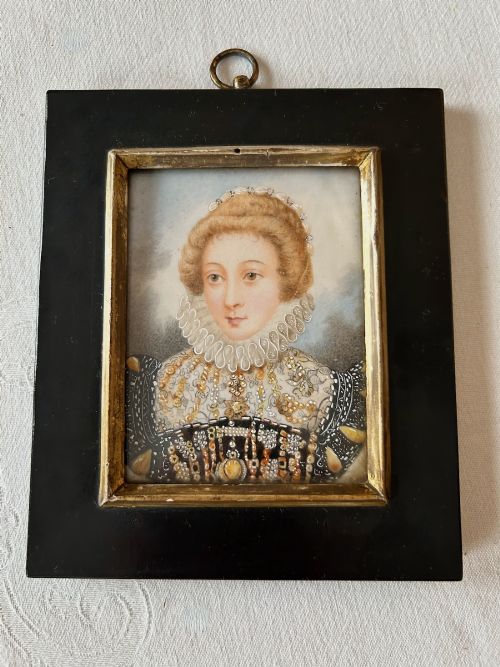
Artists worked primarily with watercolour pigment and ink applied to paper supports, occasionally incorporating bodycolour for opacity. Finished pieces were typically protected behind glass and housed within wooden frames, sometimes featuring gilt ornamentation or ebonised surrounds.
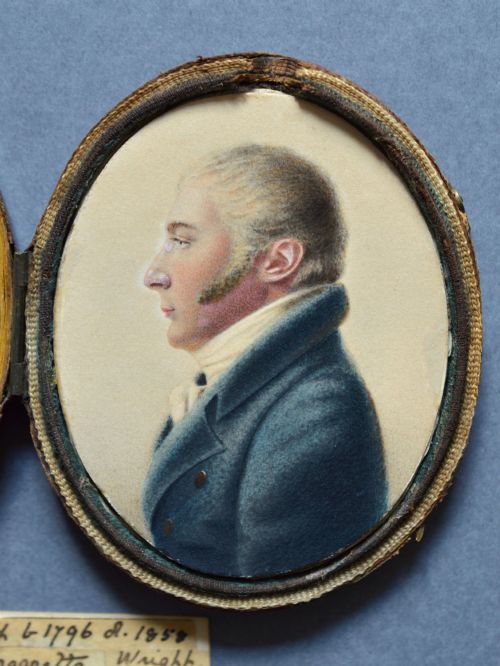
Portrait miniatures required exceptional precision, frequently painted on small surfaces and mounted within cases or on gilt metal stands. The interplay of transparent washes allowed the luminosity of the paper to illuminate the composition.
Among the military portraits hides a meticulous study of a three-month-old infant, proving that stern expressions were not solely reserved for adults.
What Varies In Quality
Condition of the paper and vibrancy of the surviving pigment also govern desirability. Pieces that retain their original framing materials and surface clarity command greater appreciation among collectors.
Alessandro Cittadini·Henri Fradelle·Vincenzo D’Esposito·Samuel Owen·George Cattermole
The Historical Watercolours Glossary
- Watercolour
- A painting method where fine pigment is suspended in a water-soluble binder and applied to paper. This medium allows for translucent washes that let the white of the paper shine through.
- Portrait Miniature
- A small, highly detailed painting, usually depicting a person, created during the eighteenth and nineteenth centuries. These works were often carried or kept in folding cases and gilt metal stands.
- Wash
- A thin, transparent layer of diluted watercolour pigment or ink spread evenly across paper. It provides background tones, skies and shadows in historical compositions.
- Ebonised Wood
- Timber treated to imitate ebony, commonly utilised for dark, polished picture frames. This finish provides a stark, contrasting border for nineteenth-century works on paper.
- Topographical Watercolour
- An accurate visual record of a specific place, townscape or building. These works served as historical documents before the widespread adoption of photography.
Historical Watercolours: Frequently Asked Questions
How should I display historical watercolours safely?
Keep these works away from direct sunlight to prevent the watercolour pigments from fading over time. Maintaining stable indoor humidity also protects the fragile paper supports from warping or foxing.
Housing them behind conservation-grade glass further shields the delicate ink and pigment from environmental pollutants. Proper framing ensures these delicate pieces survive for future generations to study.
What subjects appear in historical watercolours?
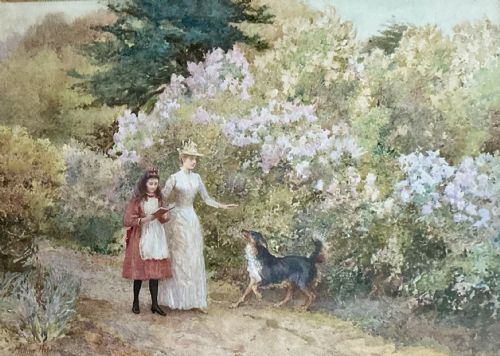
The subjects range widely from military portraits and naval vessels to serene river landscapes and townscapes. Artists also recorded domestic interiors, historical battle scenes and intimate likenesses of society figures.
Topographical views offer windows into past urban and rural environments. Each genre reflects the prevailing artistic tastes of its respective period.
How do I date a historical watercolour?
Dating relies heavily on costume details, architectural styles and signature research where artists are identified. The paper type and framing materials also provide valuable clues to the era of production.
Comparative analysis with known works from the same decade helps narrow down the timeline. Period inscriptions on the reverse of the paper often record the sitter or location.
What is the difference between a miniature and a painting?
Miniatures are executed on a significantly smaller scale, intended for intimate viewing or portable display rather than hanging on a wall. They require microscopic precision in the brushwork to capture facial likenesses.
Larger watercolours utilise broader washes and expansive compositions designed for framed wall display. Both categories employ similar pigment techniques on paper supports.