
Historical Wall Portrait Painting
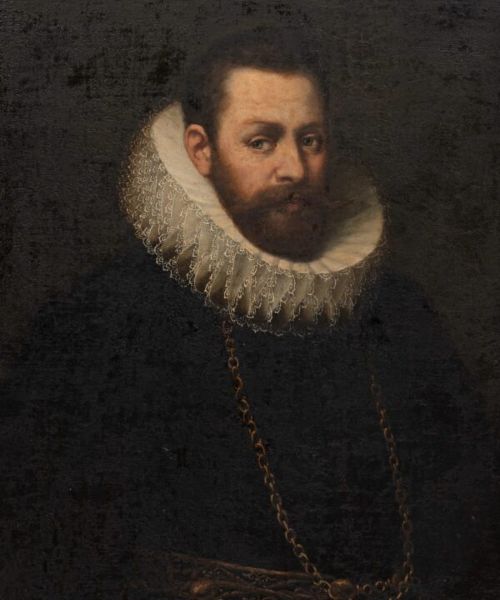
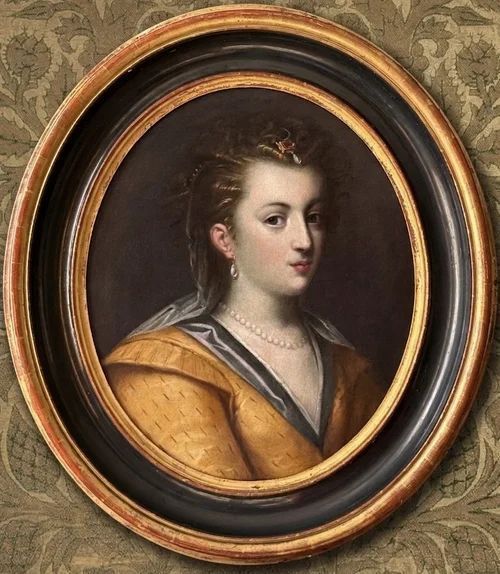
A historical wall portrait painting brings centuries of recorded identity into a room, preserving the likenesses of officers, merchants, and nobility on canvas.
Historical Wall Portrait Painting
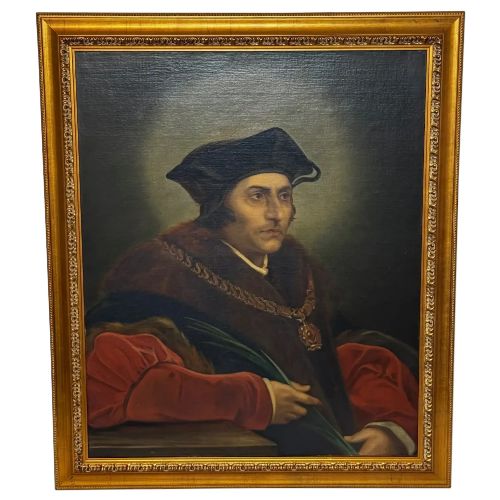
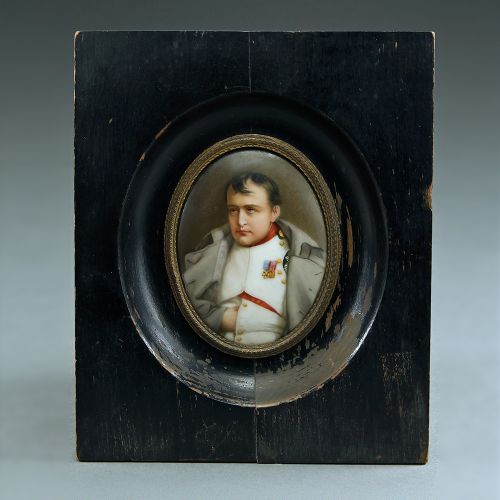
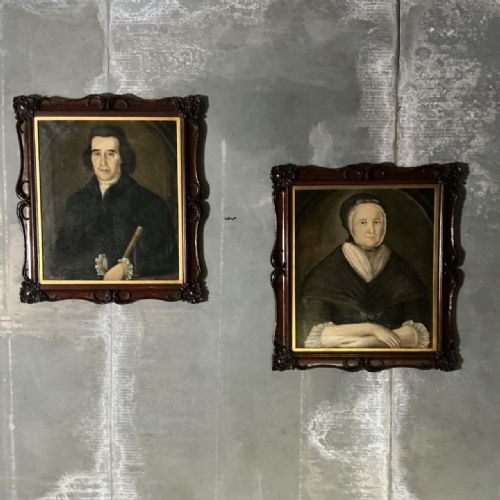
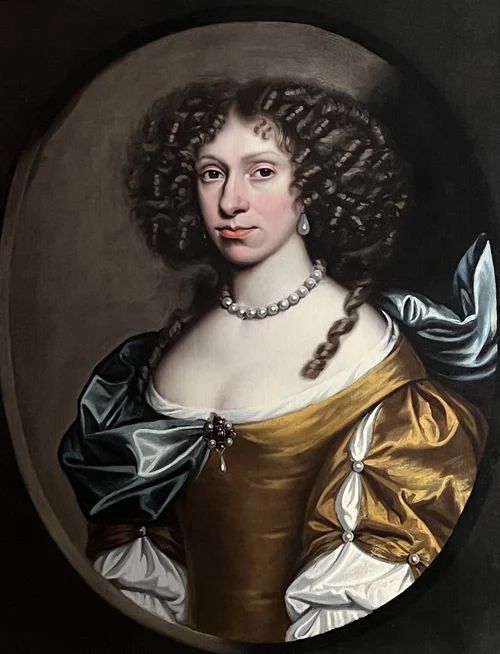
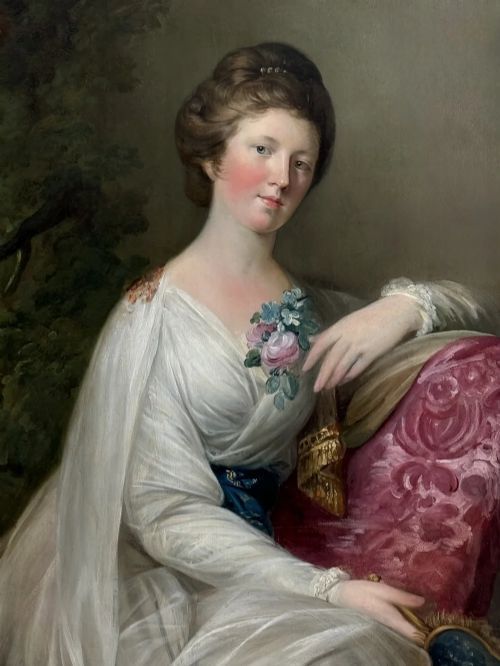
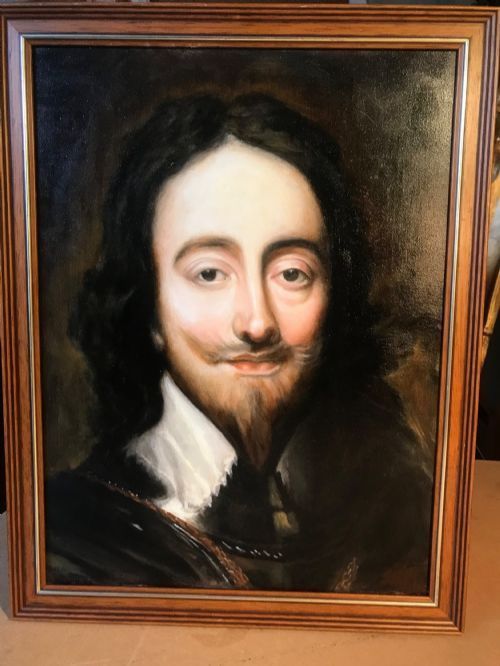
A historical wall portrait painting captures the physical likeness and social standing of individuals from past centuries, serving as a permanent record of identity. These works range from intimate bust depictions to large ceremonial canvases showing subjects in detailed period dress.
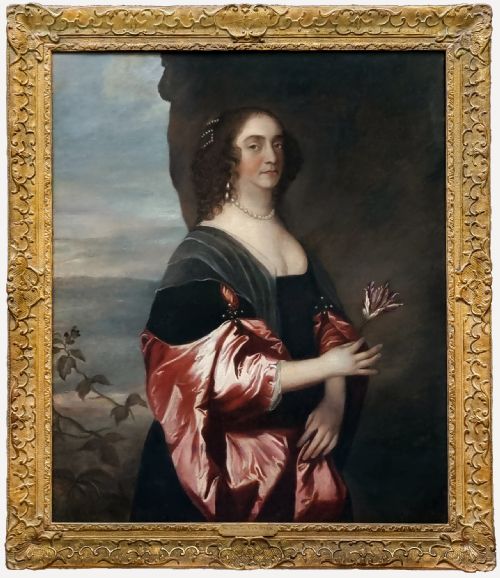
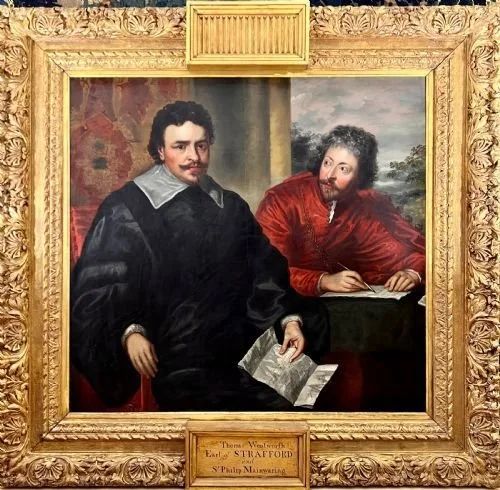
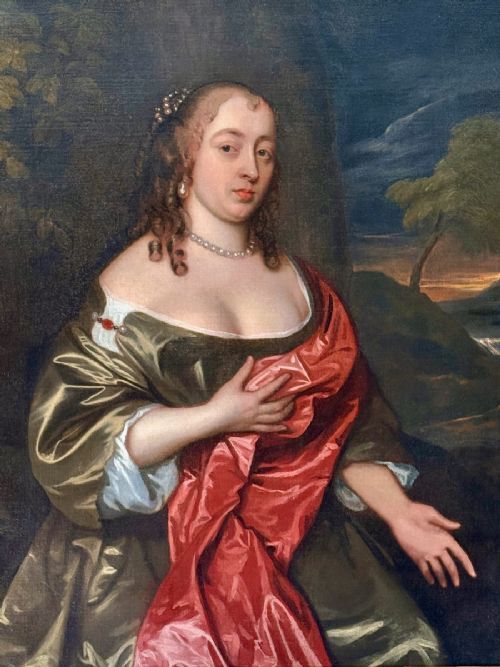
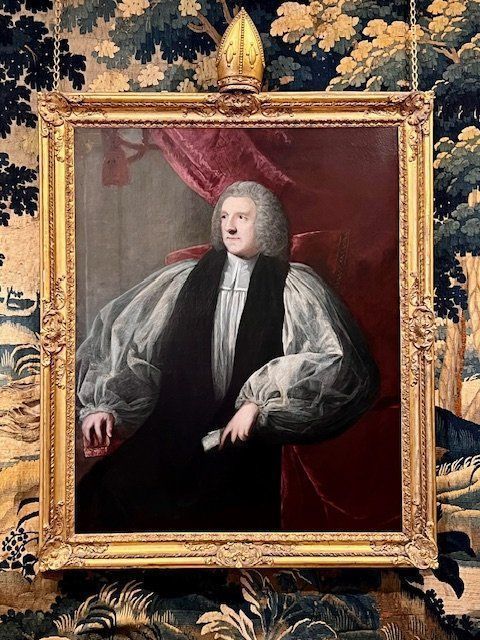
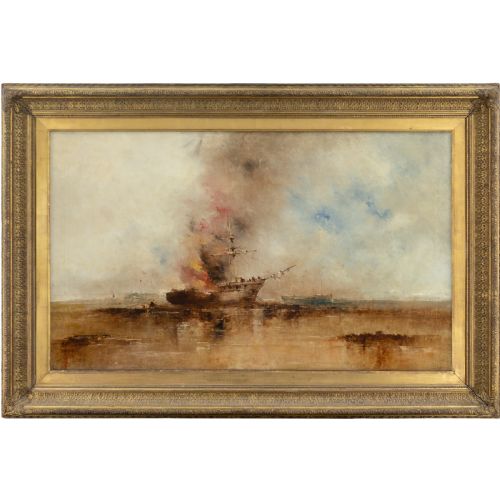
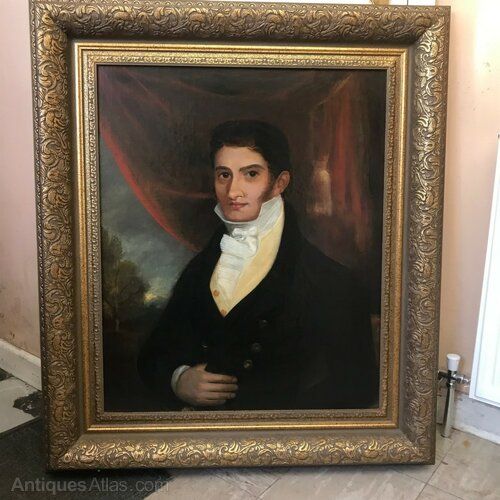
The selections available here lean heavily toward seventeenth and eighteenth-century examples, alongside nineteenth-century revivals and military subjects. Buyers encounter aristocratic ladies, military officers, clergymen, and maritime captains rendered with varying degrees of formal composure.
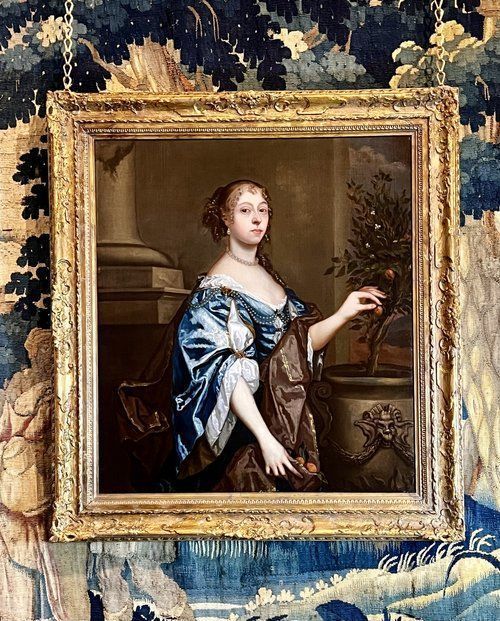
Subjects often appear within specific settings such as extensive landscapes, draped curtains, or domestic interiors that reflect their station in life. Artists utilised these backdrops to signal wealth, profession, or allegiance during periods spanning the Baroque to the Victorian era.
Materials and methods
Painters of these historical works primarily applied oil paint onto stretched canvas, utilising the medium's slow drying time to build depth through layered glazes. Ground layers of gesso prepared the woven fabric support to receive the pigment.
Frames play an integral part in the construction of these pieces, frequently consisting of carved wood embellished with gold leaf or giltwood. These heavy surrounds provided structural integrity and visual weight to complement the finished canvas.
Several subjects manage to look severe while posing alongside unusual companions, including an array of fresh oranges and stubborn infantry officers.
Factors of quality
The skill of the brushwork and the precision shown in facial anatomy separate master practitioners from provincial copyists. Subtle rendering of skin tones, textiles, and light sources indicates an artist trained within established academic traditions or notable workshops.
The condition of the original canvas and the survival of the primary giltwood frame influence the integrity of the piece. Unrestored painted surfaces retain the authentic touch of the period hand without distracting modern interventions.
Sir Joshua Reynolds·Anthony Van Dyck·Constantyn Netscher·Jean Baptiste Van Loo·Sir Allan Ramsay
The Historical Wall Portrait Painting Glossary
- Oil on canvas
- A painting technique utilising pigments bound in a drying oil, applied to a woven fabric support. This combination allowed artists to achieve rich tonal gradations and durable finishes.
- Giltwood
- Wood carved and coated with a thin layer of gold leaf or gold paint. This material provided opulent framing suitable for display in grand domestic interiors.
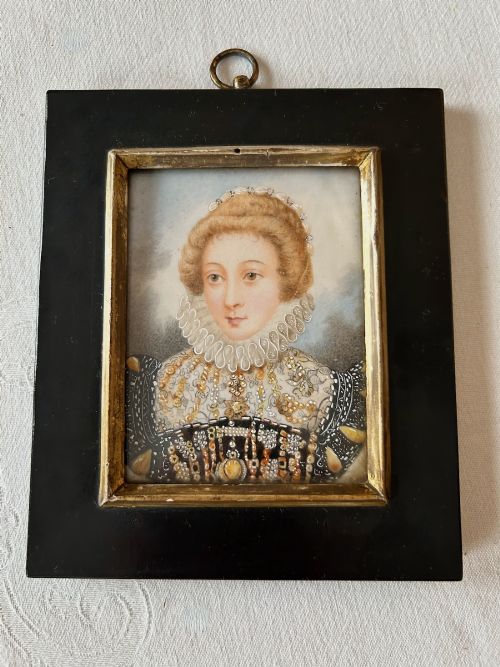
- Portrait miniature
- A small-scale painting capturing a likeness with intense detail, often created on ivory, vellum, or copper. These portable pieces allowed individuals to carry depictions of loved ones.
- Decorative charger
- A large ornamental ceramic plate intended for display rather than dining. Examples often feature painted portrait subjects executed in blue and white pigments.
Historical Wall Portrait Painting: Frequently Asked Questions
How do I hang a heavy oil portrait safely?
Heavy canvas works set within substantial giltwood frames require secure wall fixings anchored directly into masonry or wooden studs. Using dual suspension points distributes the considerable weight evenly across the wall surface.
Position the centre of the canvas at roughly eye level to replicate the intended viewing height used in historic interiors. Avoid hanging such pieces in areas subject to direct sunlight or rapid humidity fluctuations.
What do clothing details reveal about the sitter?
Military uniforms, ecclesiastical robes, and civic garments provide precise clues regarding the profession and social rank of the individual depicted. Lace collars, velvet coats, and elaborate sashes denote wealth and fashion specific to the decade of execution.
Analyzing these sartorial markers helps historians date the portrait when documentation is scarce. Changes in cut and fabric reflect the prevailing tastes of patrons across the seventeenth and eighteenth centuries.
How do I identify the period of a portrait?
Examining the style of the hair, headdress, and costume offers the most reliable initial indicator of when a portrait was created. Pigment analysis and the weave of the canvas support provide further technical evidence for dating.
Inscriptions on the reverse of the canvas or stretcher frames frequently record the identity of the sitter and the date of painting. Comparing the handling of light and shadow with known works by specific schools narrows down the origin.