





Historical Ship Painting
When you search for a historical ship painting, you encounter maritime art capturing naval engagements, merchant vessels, and coastal scenes across the eighteenth and nineteenth centuries.
Historical Ship Painting
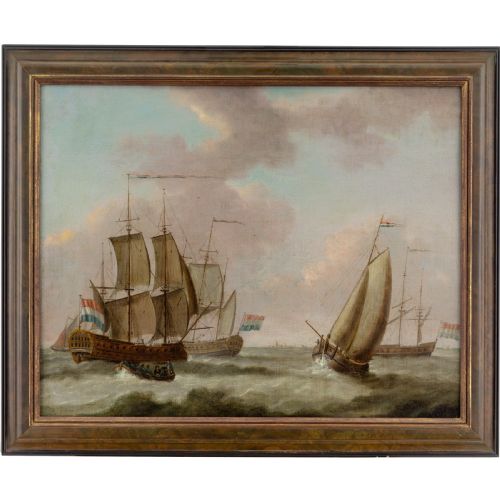
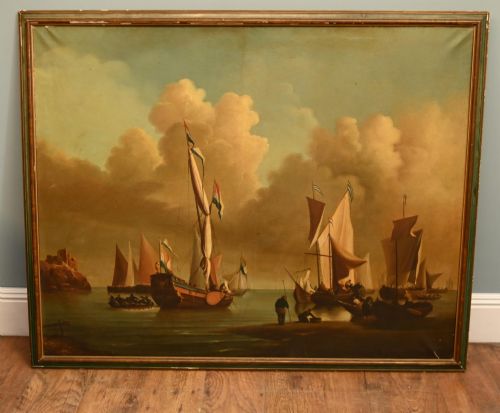
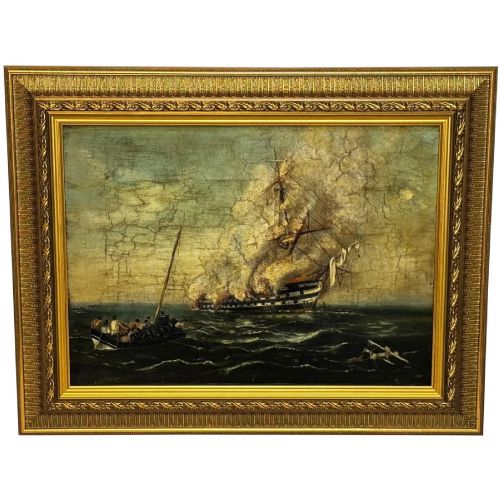
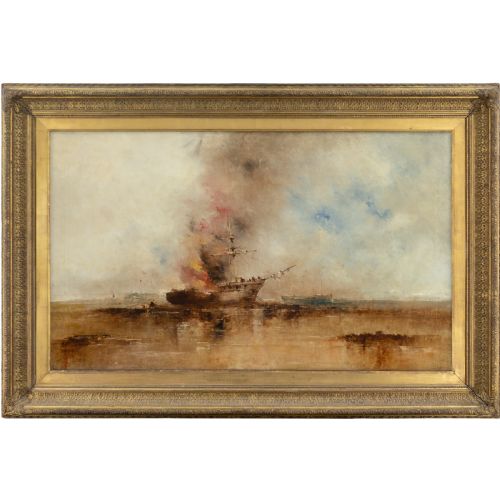
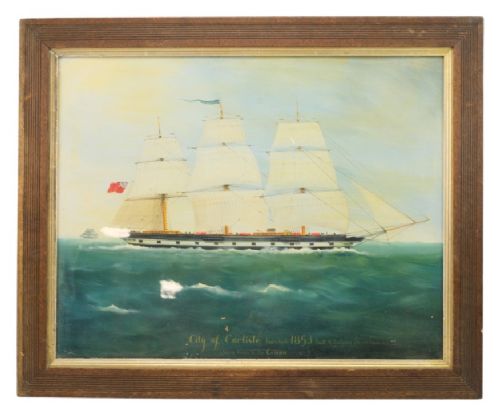
A historical ship painting documents naval vessels, sea battles, and harbour scenes recorded by artists from the seventeenth century onwards. These works capture specific vessels like the HMS Bombay or the City of Carlisle, alongside broader maritime traditions.
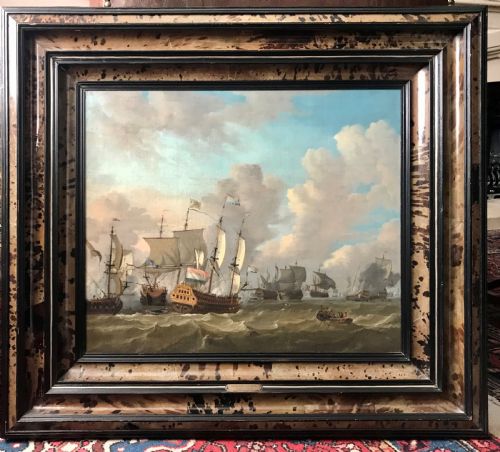
The selections available range from early Dutch school canvases depicting rolling seas to Victorian and Edwardian portrayals of steam and sail. Buyers frequently encounter oil paintings on canvas as well as watercolours on paper.
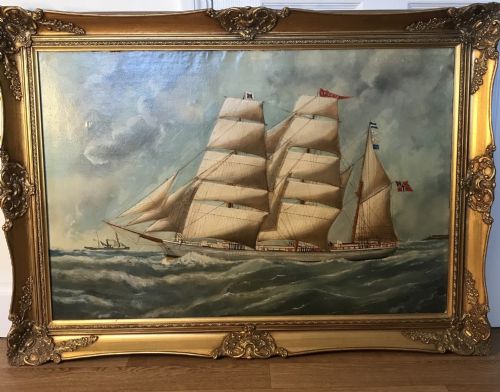
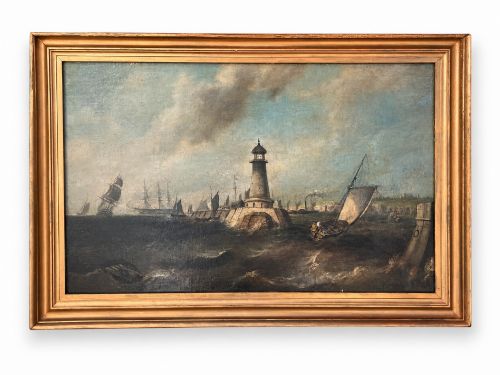
Portraits of naval architecture vary from peaceful coastal arrivals at Portsmouth or Littlehampton to dramatic sea battles involving warships with raised sails and cannon. Works span specific periods including the Regency, Victorian, and Edwardian eras.
How they were made
Painters applied oil paint to stretched canvas or watercolour to paper, using wood frames and giltwood surrounds to house the finished works. Gold leaf occasionally appears on period framing.
Artists relied on precise observation of rigging, hull construction, and atmospheric conditions to depict maritime subjects accurately. Brushwork varied from the tight detail of specific naval engagements to looser interpretations of coastal light and water.
Historical Ship Painting Retail Price Guide 2026
Typical asking prices for historical ship painting among the pieces listed under this phrase on Sellingantiques today, from the lower quarter to the upper quarter. They describe what is for sale here now, not the wider market.
Some canvases capture historical oddities like royal messengers waiting near warships or polar expeditions heading into the ice.
What varies in quality
The skill with which an artist renders naval architecture and rigging determines the academic standing of a piece. Superior works demonstrate an intimate knowledge of vessel construction and maritime movement.
Condition of the canvas and pigment stability influence the visual impact, particularly in historical scenes subjected to past restorations or varnish discolouration. Original framing in period giltwood adds to the integrity of the object.
William McAlpine·Vincenzo D’Esposito·George Shaw·Samuel Owen·William Wyld·Frank Wood·Paul Jean Clays·Edward Fletcher·Frank Wasley·Richard Ball Spencer·Arthur David McCormick·Hubert Thornley·Bertram Priestman·James Hardy·Abraham Storck
The Historical Ship Painting Glossary
- Dutch School
- A grouping of artists influenced by seventeenth-century Netherlands traditions of maritime painting. This style prioritises dramatic skies and detailed vessel handling.
- Marine painting
- Artwork focusing primarily on ships, shipping, and seascapes. These pieces record naval history, commercial trade, and coastal life.
- Giltwood
- Wood carved and coated with gold leaf or metallic paint for framing. It provides the traditional border for nineteenth-century oil paintings.
- Watercolour
- Pigments suspended in a water-soluble base applied to paper. This medium captured rapid atmospheric changes during maritime expeditions.
Historical Ship Painting: Frequently Asked Questions
How do I identify the date of a historical ship painting?
Examine the vessel types depicted, such as three-masted schooners, steamships, or older galleons with raised sails and cannon. Clothing styles of any figures present and the framing materials also offer clues to the period.
Artists signatures, stretcher frames, and canvas types help narrow down the decade of production. Documentation or attribution to known maritime painters provides further chronological certainty.
What is the difference between marine oil paintings and watercolours?
Oil paintings utilise pigments bound in oil applied to canvas or wood panels, allowing for rich textures and deep tonal layers of sea and sky. Watercolours use water-soluble pigments on paper, offering a lighter and more translucent finish.
Oils generally hang in heavier giltwood frames and suit formal display, while watercolours require protection behind glass to preserve the paper from moisture.
Where should I hang a historical ship painting at home?
Choose a wall away from direct sunlight and fluctuating heat sources to protect the canvas or paper from fading and degradation. Stable indoor environments preserve both the paint layers and the wooden frames.
Position the artwork at eye level in rooms with balanced lighting where the maritime details can be studied closely. Ensure adequate wall space to let the frame sit comfortably without crowding.
How do I care for antique maritime art?
Dust frames gently with a dry, soft brush and avoid using liquid cleaners on the canvas or paper surface. Professional conservators should handle any structural repairs or varnish removal.
Maintain consistent room humidity to prevent wood warping in the frames and cracking in old oil paint layers. Inspect the backing boards periodically to ensure no moisture accumulation occurs.