
Historical Oil Canvas
A historical oil canvas captures centuries of portraiture and narrative, offering tangible connections to past figures and eras.
Historical Oil Canvas
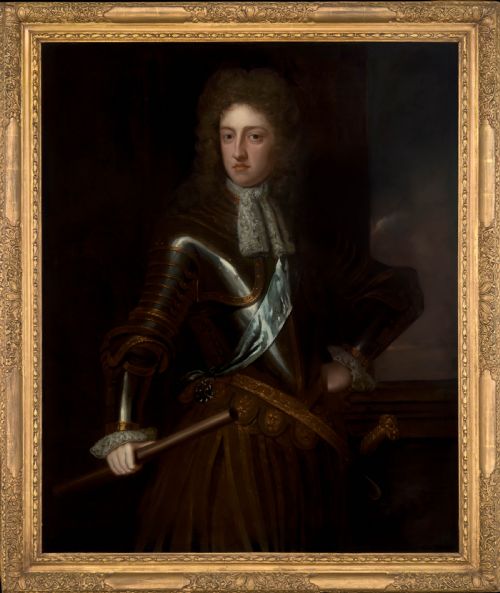
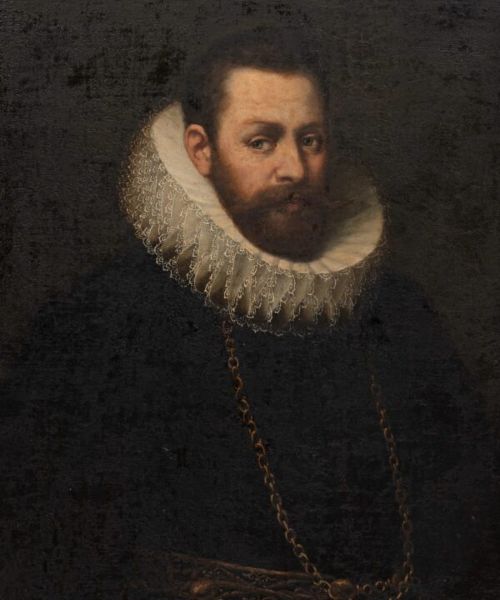
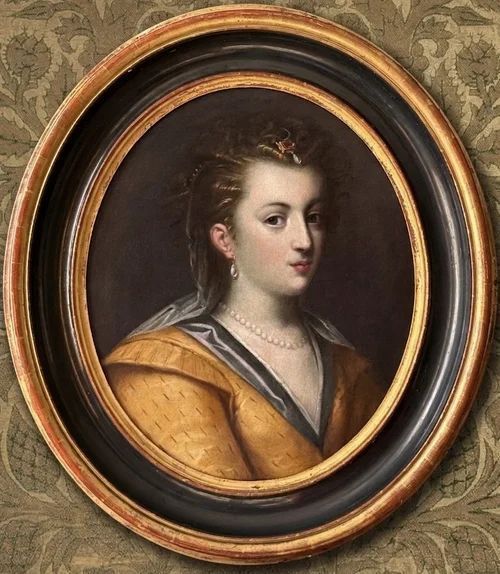
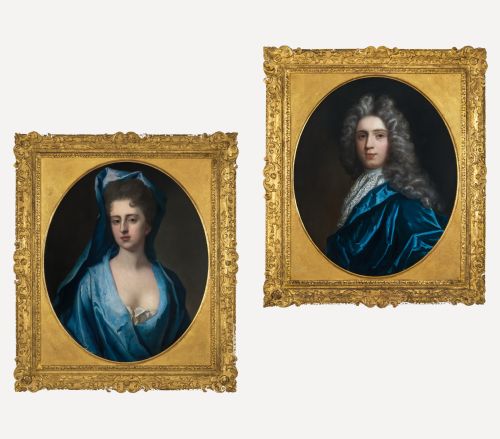
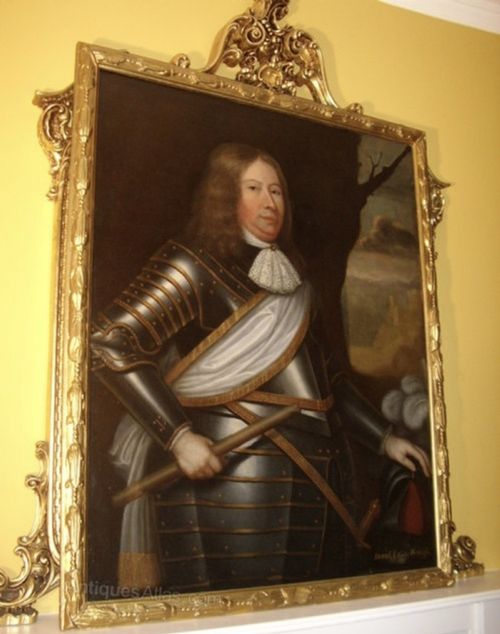
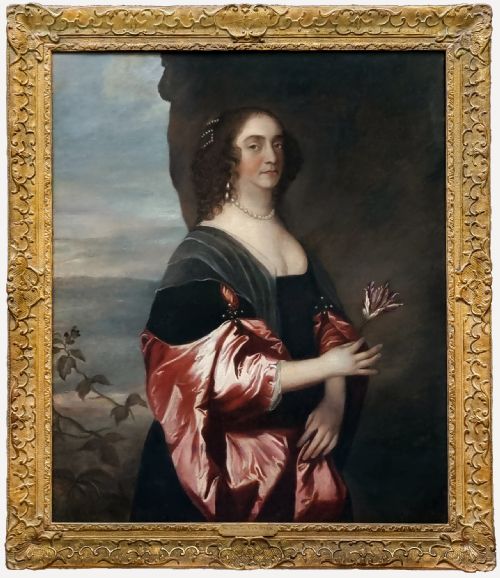
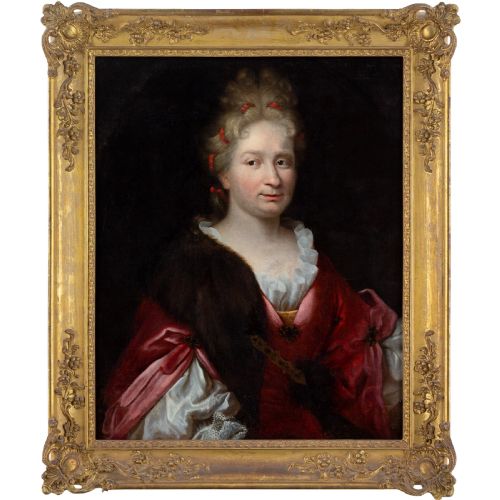
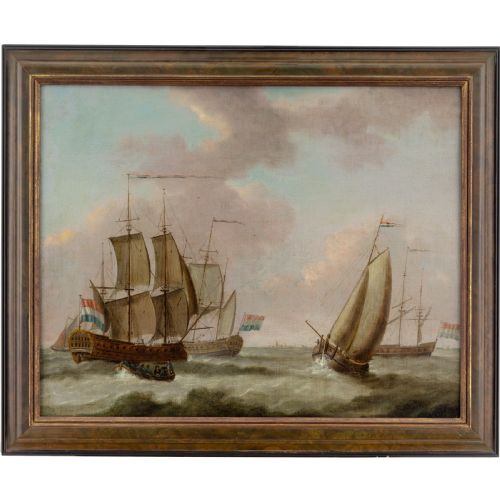
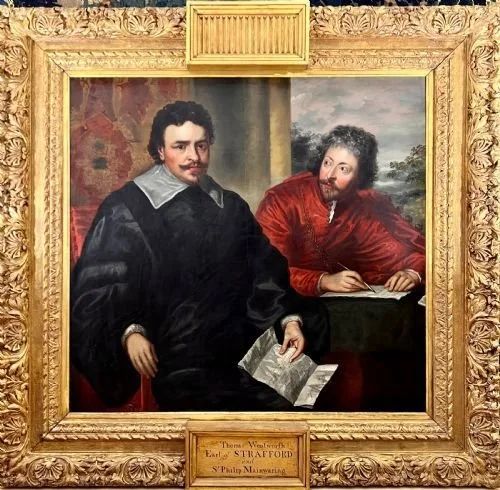
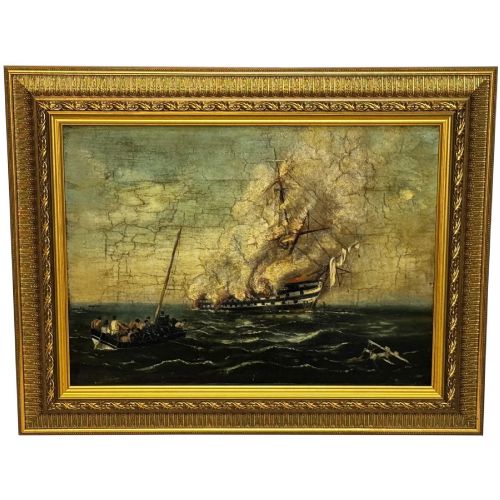
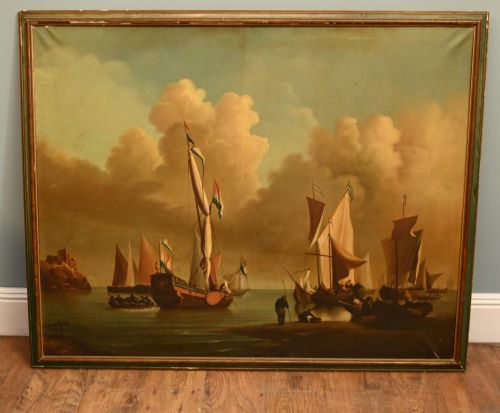
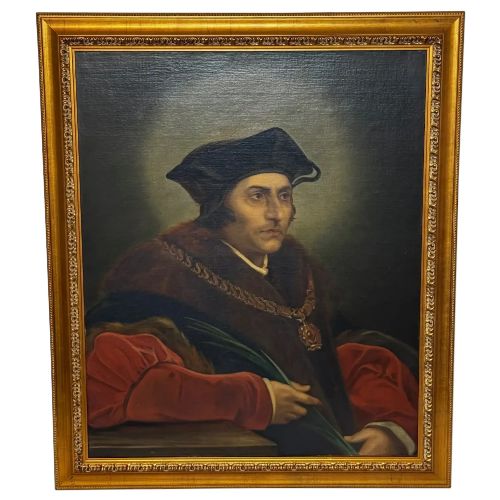
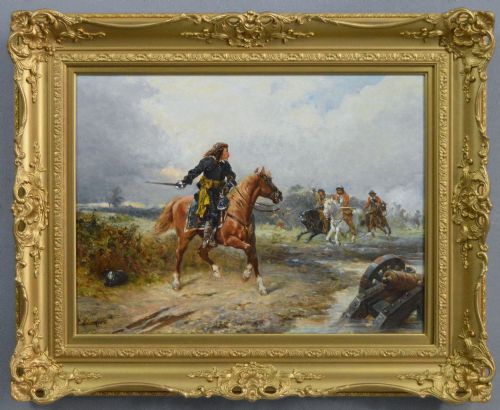
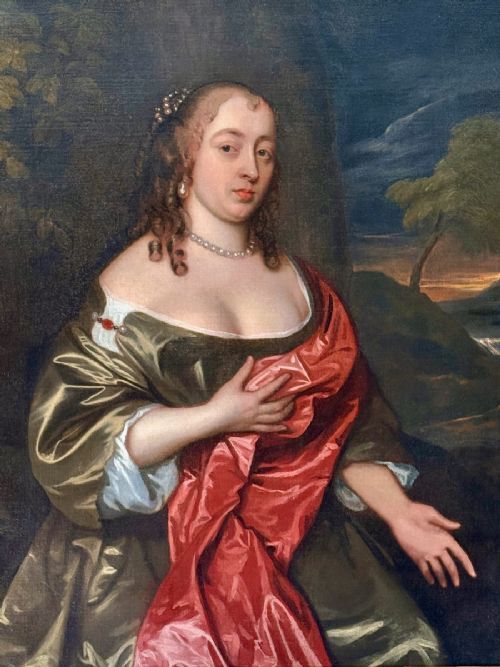
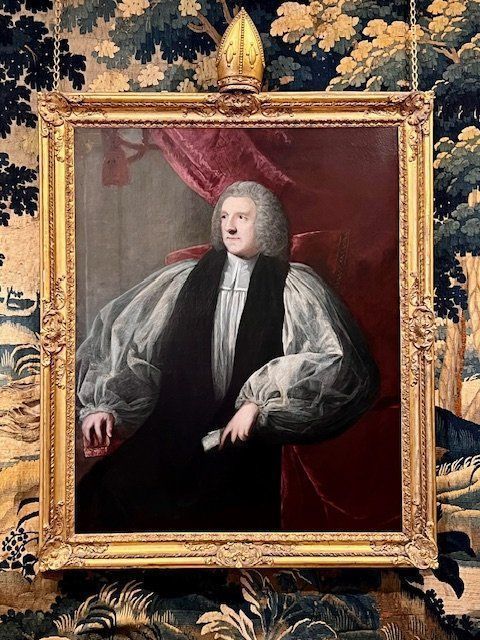
A historical oil canvas brings centuries of portraiture and narrative scenes into a collection, representing subjects from nobility to military officers. These works span periods from the seventeenth century through the Victorian era, recording figures in detailed period costume and landscape settings.
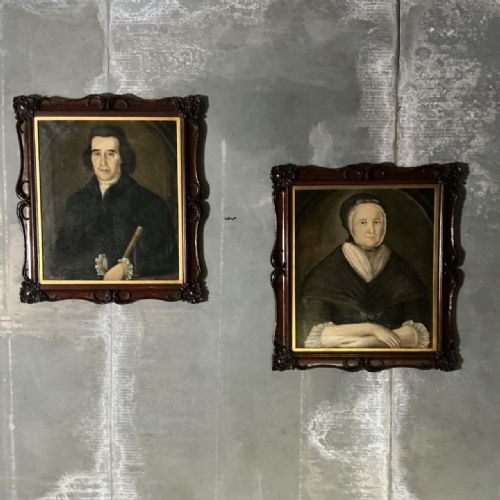
The most common examples on this page are oil paintings on canvas depicting individual sitters or historical events. Portraiture dominates the selection, ranging from seventeenth-century British and Dutch school works to eighteenth-century Georgian pieces and nineteenth-century social histories.
Works appear from named artists, studio circles, and broader regional schools, providing varied examples of historical painting. The subjects include merchants, nobility, clergymen, and military personnel painted in oil on stretched canvas.
Materials and Techniques
Artists applied oil paint to woven canvas supports, often utilising wood stretchers and framing the finished works in giltwood or gold leaf. The pigment mixtures created layered depths, capturing textiles such as velvet doublets, lace ruffs, and silk dresses.
Paintings were produced by individual masters, workshop circles, and subsequent followers working in traditions stretching from the Dutch Golden Age to nineteenth-century academic styles. The physical structure typically involves primed canvas fastened over timber frames, occasionally accompanied by historic gilt frames.
Several seventeenth-century sitters gaze outward holding oranges, reminding us that citrus fruits were once astonishing luxury props for portraiture.
Quality Variations
The distinction between workshop productions and primary master hands rests in the handling of facial anatomy, fabric folds, and lighting depth. Superior canvases demonstrate finer brushwork in complex areas like lace collars, hands, and facial expressions.
Preservation of the original paint layer and canvas tension influences the integrity of each piece. Works retaining their initial surface without excessive overpaint or relining provide a clearer record of the original artist's intention.
John Hayls·Sir Joshua Reynolds·David Scougall·Felix Stone Moscheles·George Willison·Anthony Van Dyck·Constantyn Netscher·Pieter Borsseler·Lemuel Francis Abbott·Stickland Lowry·Sir Peter Lely·Thomas Beach·Samuel De Wilde·Charles D'Agar·Jean Baptiste Van Loo·Bartholomeus van der Helst·John Greenhill·John Closterman·W.D. Almond·Sir Allan Ramsay·Robert Byng·Sir William Beechey·James Howe·John Michael Wright
The Historical Oil Canvas Glossary
- Oil on Canvas
- A painting medium where pigments suspended in drying oils are applied to a stretched woven fabric support. This combination allows for rich colour blending and textured brushwork.
- Giltwood
- Wood carved and coated with gold leaf or gold paint, frequently used for traditional picture frames. These frames often accompany historic paintings to complement the era of the artwork.
- Studio of
- A term indicating a work produced by assistants or pupils under the direct supervision of a master artist. Such pieces typically reflect the compositional style of the primary master.
- Circle of
- A designation for an artist working in close association with a master, sharing similar stylistic traits without necessarily being a direct pupil. This term helps contextualise anonymous or lesser-documented hands.
- Dutch Golden Age
- A period in Dutch history spanning the seventeenth century noted for exceptional achievements in painting. Works from this tradition often exhibit careful attention to light, texture, and realism.
Historical Oil Canvas: Frequently Asked Questions
How do I date a historical oil painting?
Dating relies heavily on the clothing, hair styling, and framing methods visible in the composition. Portrait subjects frequently wear specific period attire, such as seventeenth-century ruffs or eighteenth-century coats, which align with recorded sitters or regional fashion trends.
Additional evidence comes from artist signatures, stretcher construction types, and historical documentation accompanying the provenance. Comparing brushwork and canvas preparation techniques with known examples from specific decades further refines the timeline.
What is the difference between an artist and their circle?
An artwork attributed to a specific master was painted by that individual's own hand during their active career. Pieces associated with the circle of an artist were created by contemporaries or associates working within the same stylistic sphere.
Studio attributions indicate production within the master's workplace, often involving assistants executing parts of the composition under supervision. These distinctions help collectors understand the direct involvement of the primary historical figure.
How should I hang an oil canvas at home?
Oil paintings on canvas require stable environmental conditions away from direct sunlight, excessive heat sources, and high humidity. Maintaining consistent indoor temperatures prevents the canvas and wood stretcher from warping or cracking.
Secure wall fixings suited to the weight of the frame and canvas are essential for safe display. Using professional picture hangers ensures the piece remains balanced and protected against accidental bumps.
Can I clean a historical oil canvas myself?
Surface dust can be removed gently with a soft, dry, un-dyed brush by trained handlers, but chemical cleaning or water should be avoided. Older varnish layers and accumulated grime require professional conservation treatment to prevent damage to the underlying paint.
Attempting DIY cleaning methods risks altering or removing original pigment layers applied centuries ago. Consulting a professional painting conservator is the safest path for maintenance.