

Historical Male Portrait Canvas
Historical male portrait canvas works capture centuries of status, intellect, and fashion through oil paint applied to woven fabric.
Historical Male Portrait Canvas
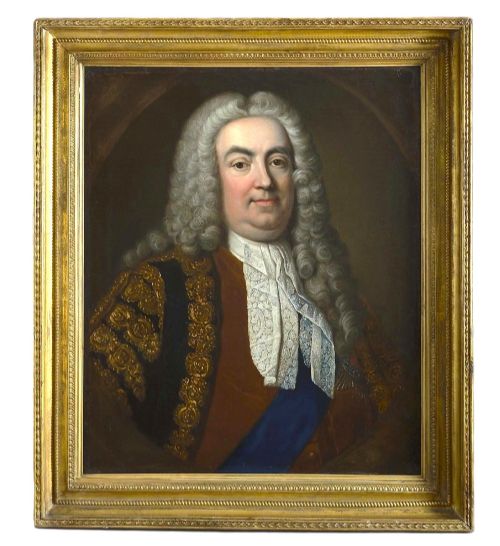
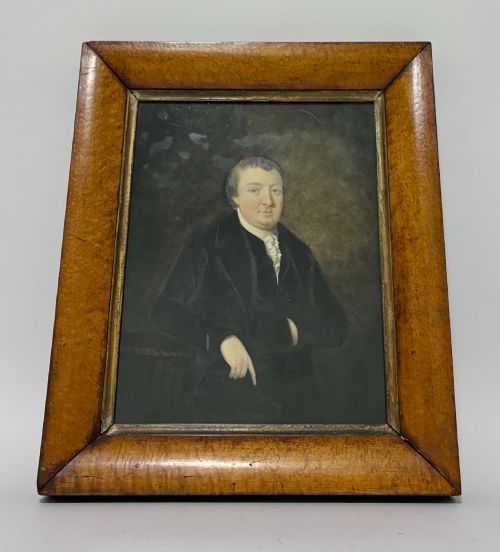
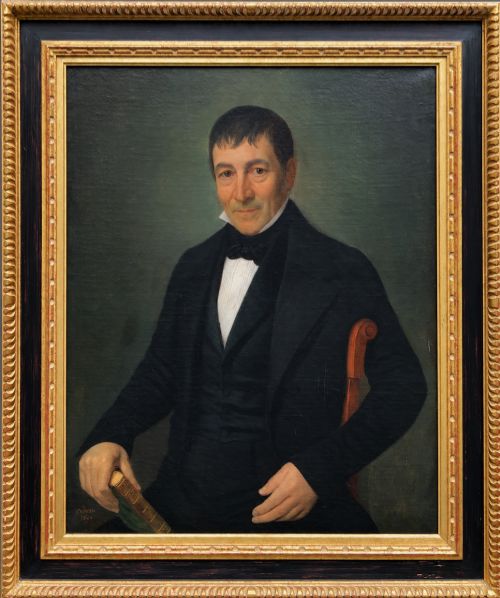
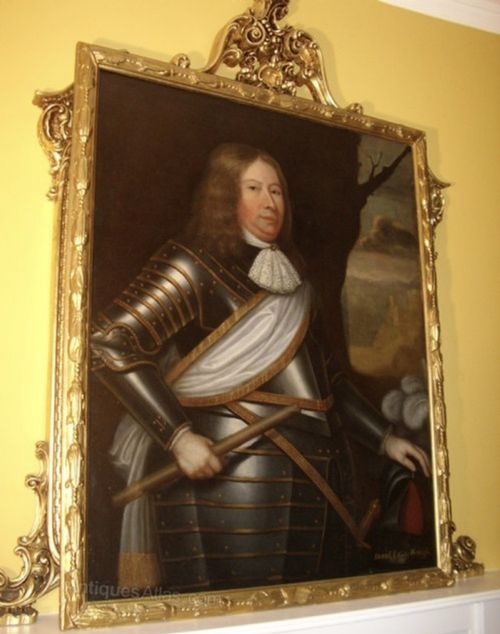
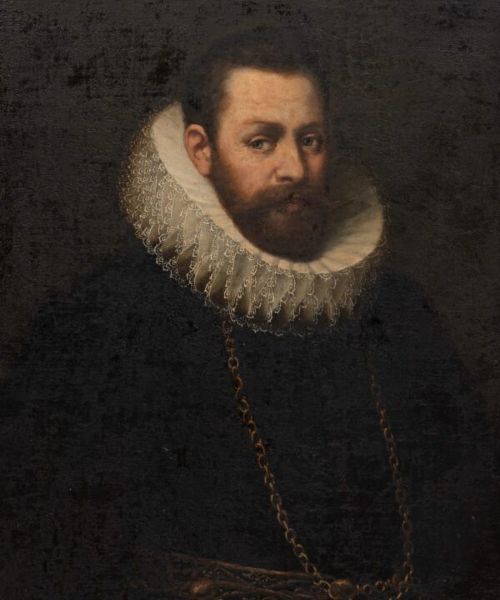
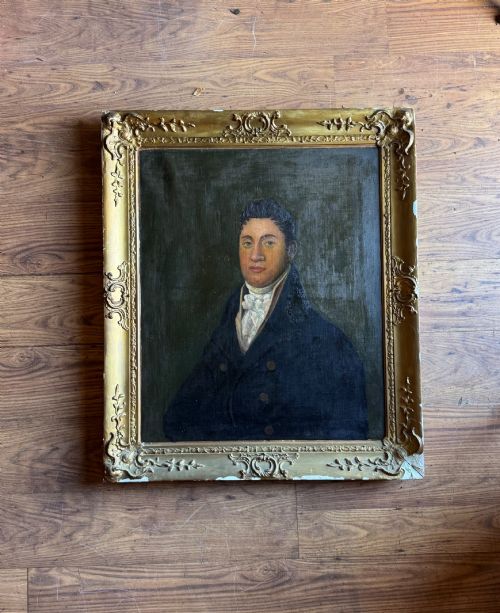
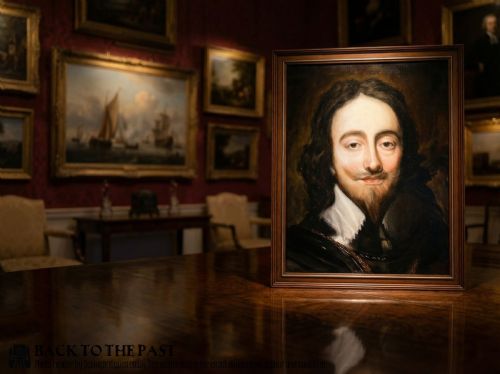
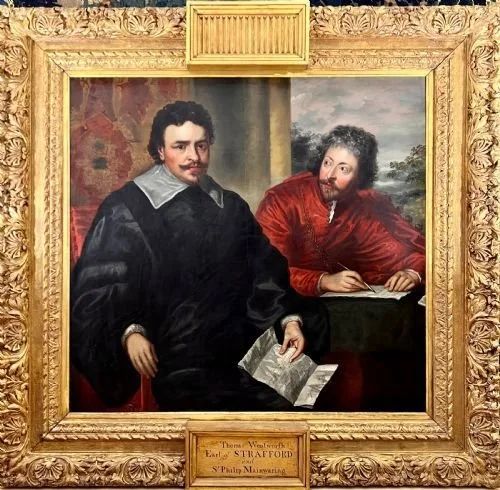
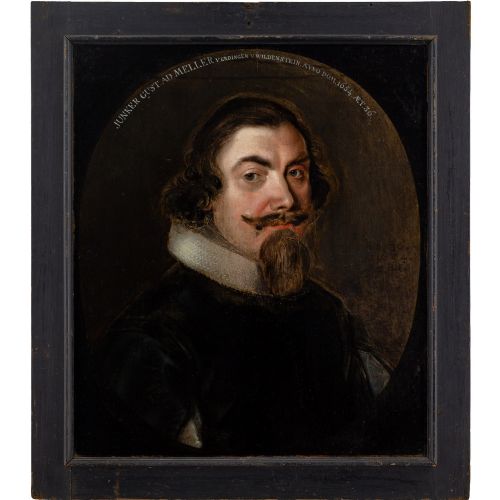
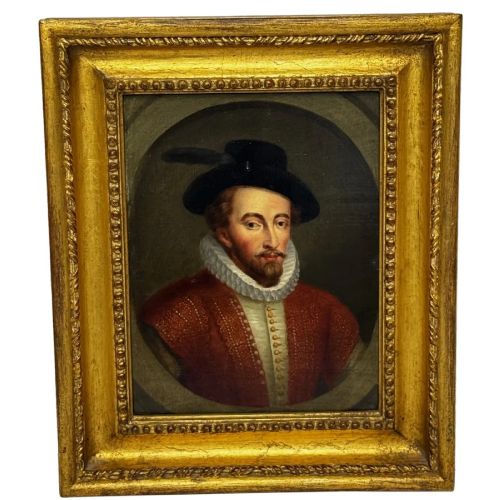
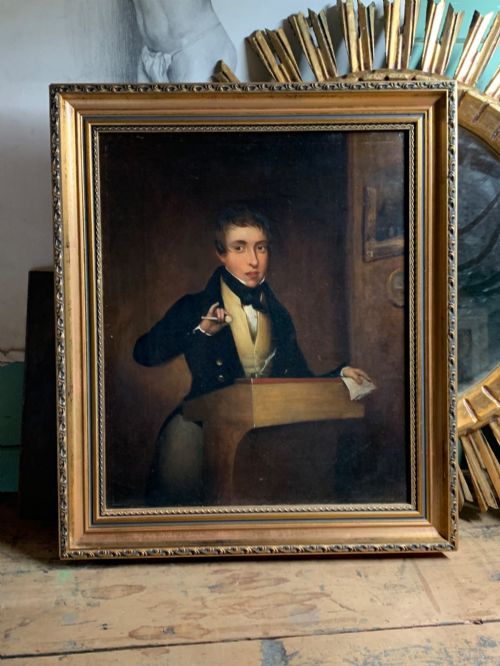
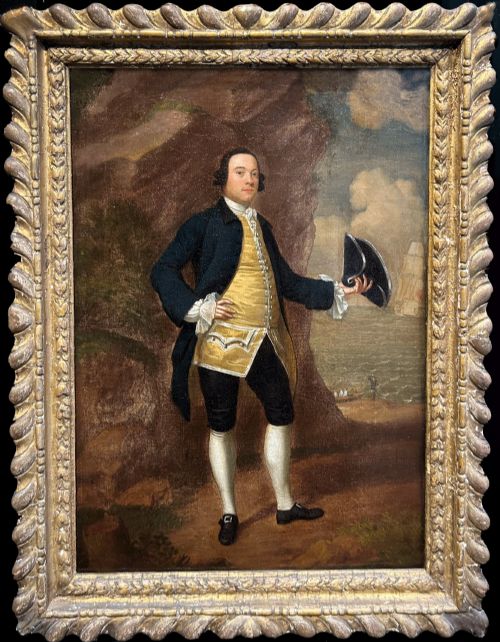
A historical male portrait canvas records the likenesses of noblemen, scientists, military figures, and clergymen from the seventeenth century onwards. These works often arrive on this page framed in period giltwood, depicting subjects in ruff collars, academic robes, or full suits of armour.
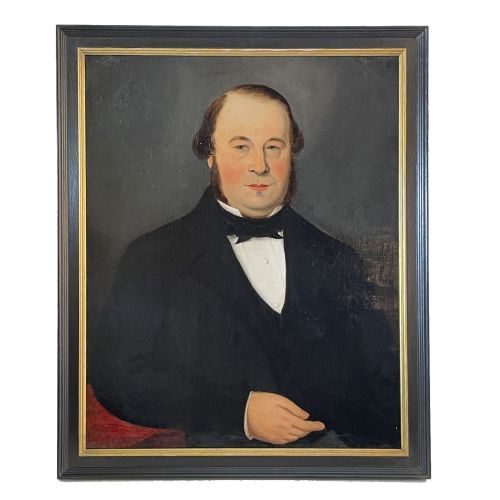
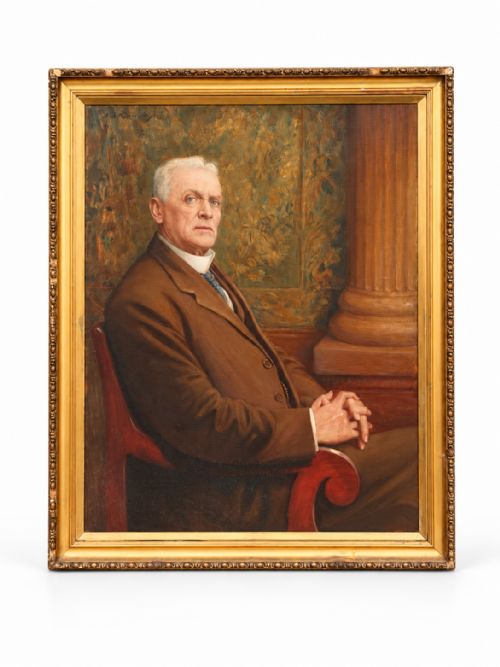
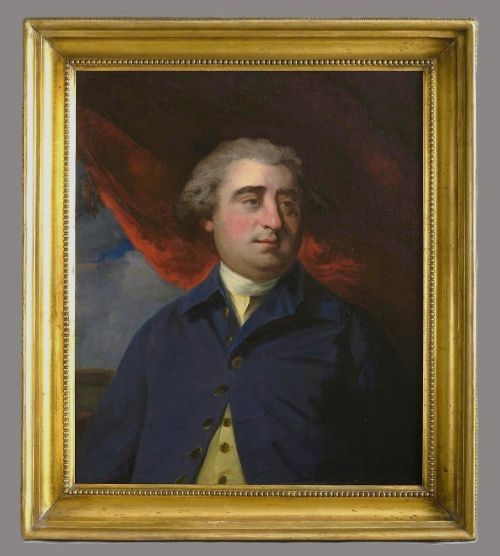
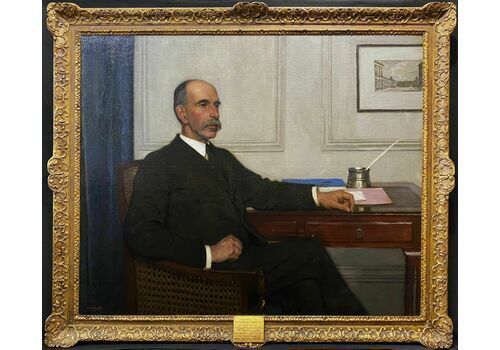
The selections span distinct European schools, including Dutch Golden Age merchants, British political figures, and nineteenth-century realists. Buyers encounter everything from intimate studio studies to large-scale representations of dukes and philosophers.
Many items derive from the circles of established portraitists or regional European schools rather than primary masters. These canvases document the shifting fashions of hair, dress, and social standing across the Georgian, Victorian, and Regency eras.
Materials and Technique
Painters applied oil paint directly onto stretched woven canvas or occasionally wood panels, building depth through successive glazes and opaque layers. This medium allowed artists to render intricate lace ruffs, metallic armour highlights, and velvet robes with textural precision.
The physical support of a historical male portrait canvas relies on wooden stretcher frames hidden behind the fabric. Original frames often consist of carved and gilded wood or gold leaf mouldings that complement the painting style of the period.
Historical Male Portrait Canvas Retail Price Guide 2026
Typical asking prices for historical male portrait canvas among the pieces listed under this phrase on Sellingantiques today, from the lower quarter to the upper quarter. They describe what is for sale here now, not the wider market.
Listings feature seventeenth-century portraits depicting aristocrats and scientists alongside nineteenth-century depictions of geologists, physicians, and engineers.
Quality Variations
The distinction between workshop productions and master-painted canvases lies in the psychological depth of the face and the confidence of the brushwork. Superior examples capture individual bone structure and living expression, whereas lesser studio pieces rely on formulaic renderings of drapery and background.
Condition and originality dictate the standing of a canvas within its period. Works retaining their initial stretchers, untouched paint layers, and period frames command greater regard than heavily restored surfaces or later relined pieces.
Sir Godfrey Kneller·Sir Joshua Reynolds·Anthony Van Dyck·Sir William Beechey
The Historical Male Portrait Canvas Glossary
- Oil on canvas
- A painting medium where pigments are suspended in a drying oil, typically linseed, and applied to a woven fabric support. This technique superseded tempera and wood panels for major portraits from the sixteenth century onwards.
- Studio of
- A term indicating a work produced by assistants or pupils under the direct supervision of a named master artist. These paintings typically share the compositional style and technical methods of the principal painter.
- Giltwood
- Wood that has been coated with a thin layer of gold leaf or metallic powder over a prepared gesso base. It is commonly found on antique picture frames housing historical portraits.
- Dutch Golden Age
- A period in Dutch history spanning the seventeenth century noted for exceptional achievements in painting, trade, and science. Portraits from this era frequently feature merchants and civic leaders depicted with sober realism.
- Ruff
- A prominent pleated collar of stiffened linen or lace worn by men and women during the sixteenth and seventeenth centuries. These garments denote wealth and social standing in early portraiture.
Historical Male Portrait Canvas: Frequently Asked Questions
What does circle of mean in a listing?
This attribution indicates an artist who worked in close proximity to a master, absorbing their specific style and techniques. These painters operated within the same professional sphere but did not necessarily produce the canvas personally.
Such works offer an accessible entry point to major portrait traditions. They reflect the aesthetic standards and compositional layouts of celebrated painters without carrying the master's signature.
How should I care for an antique oil canvas?
Keep historical canvases away from direct sunlight, heating vents, and damp environments to prevent the paint from cracking or the wood stretcher from warping. Stable room temperatures protect the structural integrity of both the fabric and the paint layer.
Dust the surface gently with a soft, dry brush without applying pressure. Avoid using liquid cleaners or attempting DIY restorations, as aged oil paint remains sensitive to moisture and solvents.
Why do some portraits show armour when the sitter was not a soldier?
Wearing full suits of armour in seventeenth-century portraiture served as a visual shorthand for aristocracy, martial virtue, and ancient lineage. Aristocrats and landowners frequently commissioned portraits in armour to project authority and strength.
This artistic convention persisted long after plate armour became obsolete in actual warfare. Sitters adopted the aesthetic to link their modern status with historical military heroism.