





Historical Figure Sculptures
Historical figure sculptures bring statesmen, monarchs and cultural icons into the room, rendered in bronze, marble and wood to anchor a study or library.
Historical Figure Sculptures
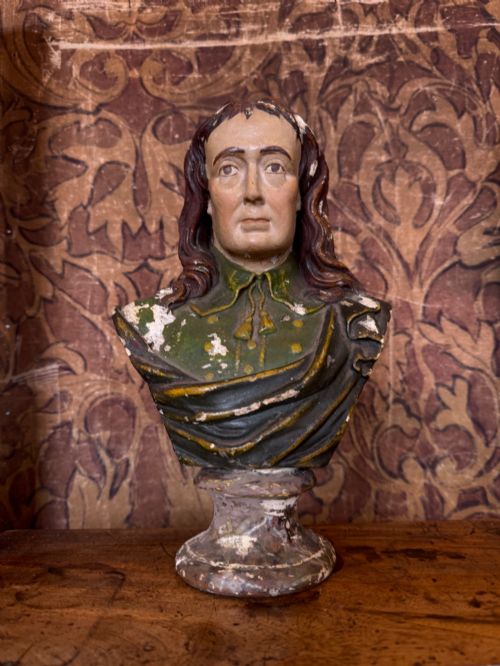
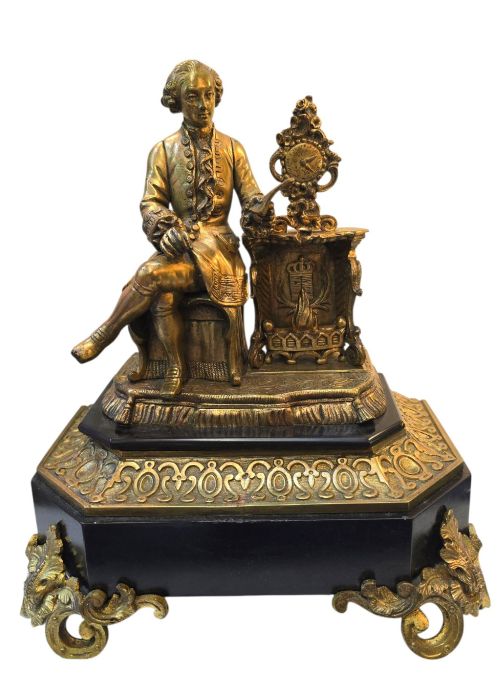
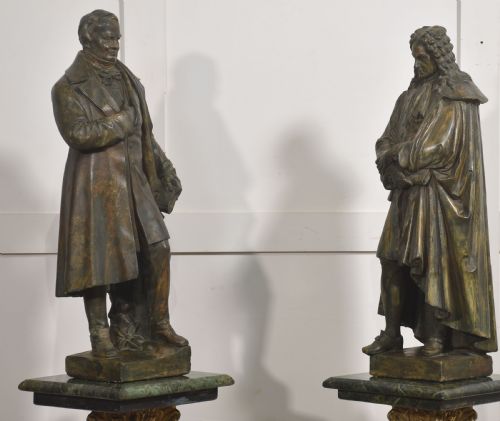
When you search for historical figure sculptures, you encounter portrait bronzes, carved wooden busts and metal statuettes depicting rulers, soldiers and notable thinkers from past centuries. The selection on this page leans heavily towards nineteenth-century French and British bronzes, alongside earlier carved wood pieces and chalk figures.
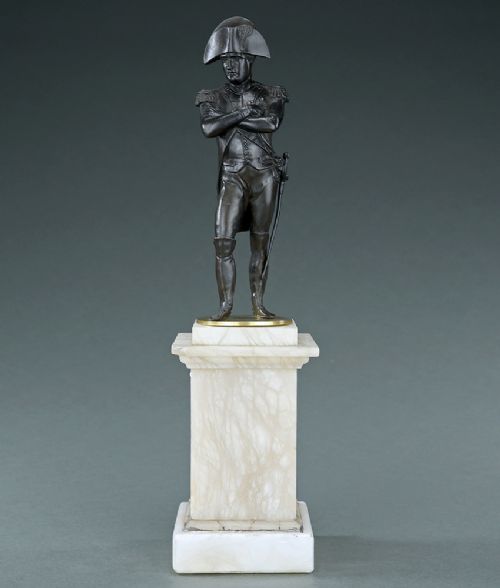
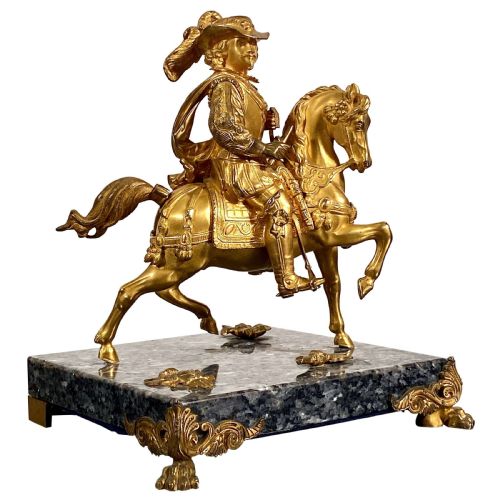
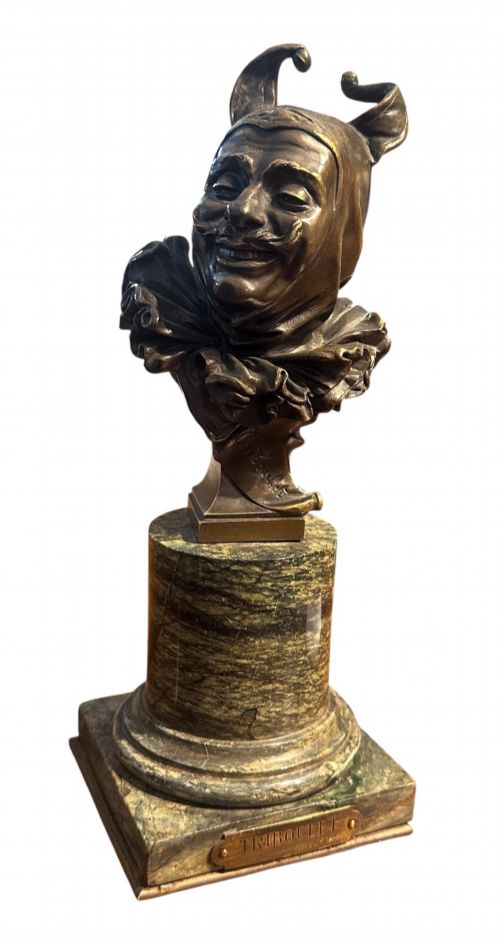
Subjects range from military commanders like Napoleon and Louis XIV to literary and political figures such as Patrick Henry and Oliver Cromwell. These works appear as standing figures, equestrian groups and detailed portrait busts designed for tabletop or shelf display.
Most examples originate from European foundries and workshops active during the nineteenth century, utilising historical personages to project authority, learning and dynastic continuity into domestic interiors.
Materials and Casting Methods
Foundries produced these metal works primarily in bronze, sometimes employing gilt bronze, ormolu or electrotype plating to enrich the surface finish. Makers also utilised alternative mediums including carved wood, chalk, plaster and lead to render portrait likenesses.
Casting and carving techniques relied on skilled artisan intervention, from the lost-wax casting of French bronze statuettes to the hand-tooling evident in eighteenth-century and nineteenth-century wooden sculptures. Patination treatments applied acids or pigments to the metal surfaces to create aged dark brown or green finishes.
French and British foundries dominate the material evidence, producing library busts and equestrian statuettes of monarchs, revolutionaries and literary figures.
Evaluating Sculpture Quality
Foundry cachet and attribution significantly elevate a piece, with works bearing the stamps of established Parisian founders or signed by named sculptors commanding greater attention. The depth and anatomical accuracy of equestrian details and drapery folds further separate standard library editions from superior artistic interpretations.
Pierre-Augustin Caron de Beaumarchais·Emile Guillemin·Dopmeier·E.H. Dumaige·Jean Jules Salmson·Barbedienne·Antonio Rossellino·Willems·C Dopmeyer·James Pradier·C.Anfrie
The Historical Figure Sculptures Glossary
- Bronze
- An alloy of copper and tin utilised extensively for European statuary and portrait busts. It accepts fine detail and develops a stable patinated surface over time.
- Patination
- The chemical or natural colouration applied to the surface of metal or wood. This treatment deepens tones and protects the underlying material from oxidation.
- Ormolu
- Gilding technique applying finely ground gold-mercury amalgam to bronze. It yields a rich golden finish seen on decorative mounts and select historical figures.
- Equestrian
- Depicting a figure on horseback. This sculptural format traditionally commemorated military commanders and monarchs.
- Caryatid
- A sculpted female figure serving as an architectural support column. Examples appear in carved oak and other architectural timber elements.
Historical Figure Sculptures: Frequently Asked Questions
Where were these historical sculptures displayed?
Nineteenth-century owners typically placed these figures upon library desks, mantelpieces and dedicated pedestals within studies or reception rooms. They served as scholarly focal points and conversational statements regarding history and literature.
Domestic display standards favoured groupings that reflected the owner's intellectual interests, pairing military strategists with classical philosophers or national heroes.
What is the difference between cast bronze and electrotype figures?
Cast bronze pieces utilise traditional foundry methods where molten metal fills a mould derived from an original model. Electrotype figures are formed by depositing metal electrolytically onto a mould, producing a lighter hollow construction.
Both techniques achieved widespread commercial production during the nineteenth century to satisfy demand for accessible portrait statuary.
How should I care for a nineteenth century bronze?
Dust the sculpture regularly with a soft, dry brush to prevent particulate accumulation within crevices and chased details. Avoid liquid cleaners, polishes and abrasive cloths that strip the original patination.
Maintain stable indoor humidity levels to protect both metal surfaces and any wooden or chalk components associated with the sculpture group.