






Historical Bronze Sculpture
These historical bronze sculpture pieces capture famous figures and past eras in durable metal, offering collectors a tangible link to bygone centuries.
Historical Bronze Sculpture
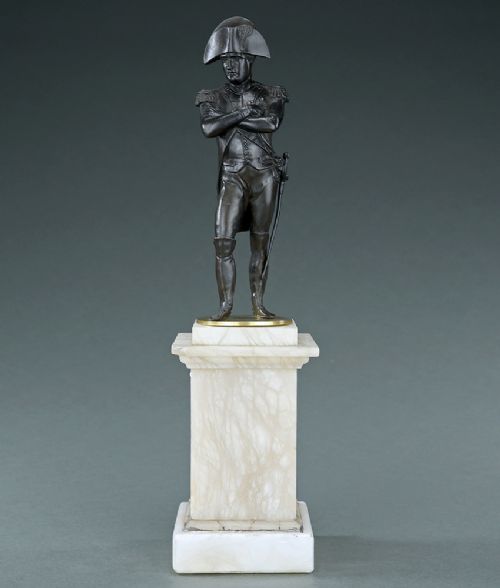
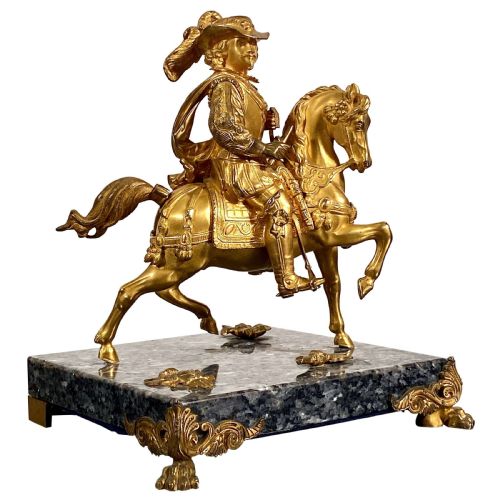
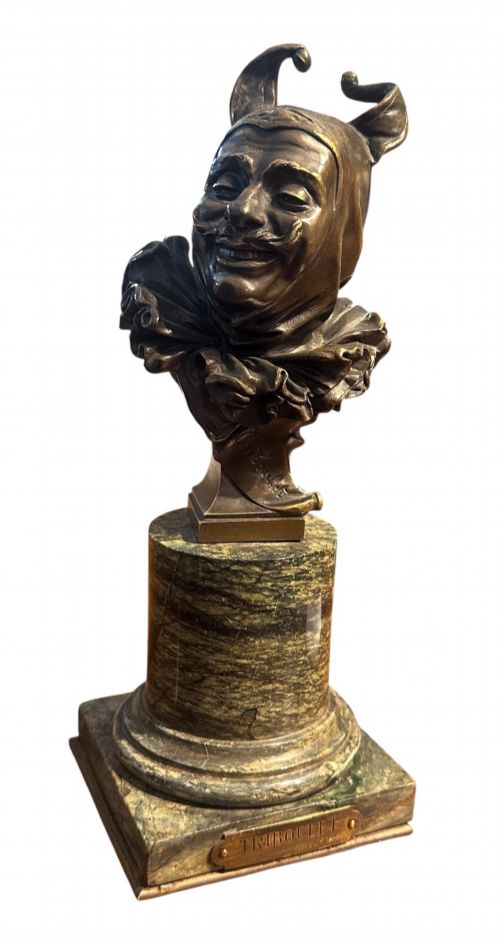
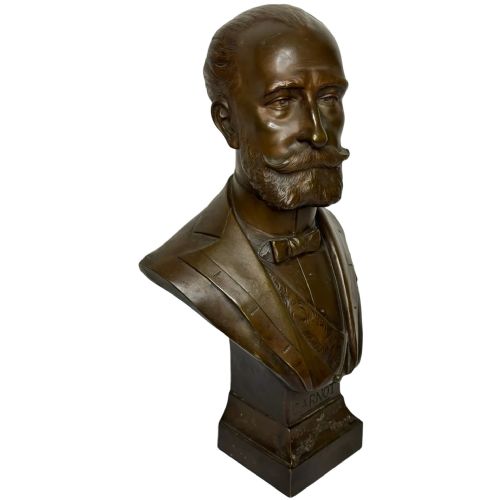
When you search for historical bronze sculpture, you encounter figures and busts depicting monarchs, military leaders, literary figures, and historical personages from the nineteenth century onward. The most common examples on this page are French nineteenth-century works representing rulers such as Napoleon, Louis XIV, and Henry IV.
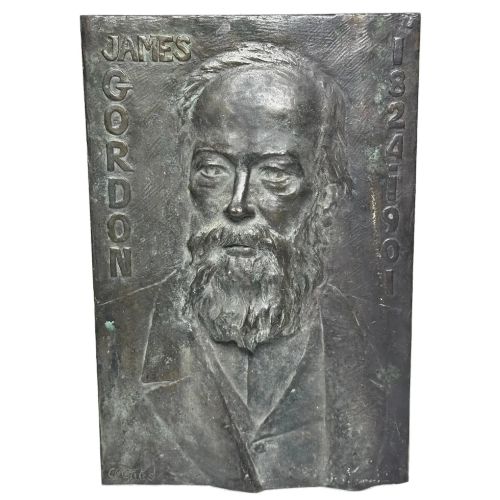
Beyond French subjects, the listings encompass British figures like Queen Boadicea and Charles Dickens, alongside German historicism and later twentieth-century African works. You will find full-length statuettes, equestrian groups, and profile relief plaques mounted for display.
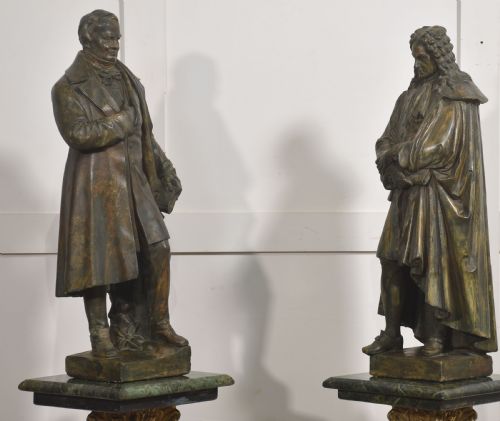
The objects span varied scales, from cabinet statuettes designed for a library to large architectural figures. Their makers drew upon classical, neoclassical, and baroque traditions to celebrate historical narratives through metalwork.
Materials and casting methods
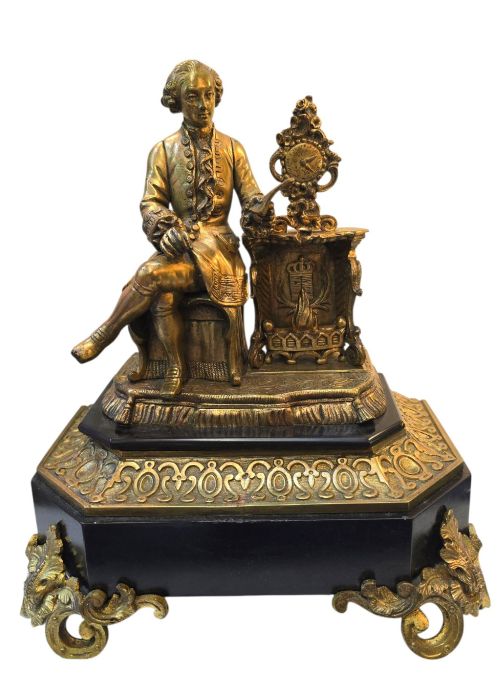
The works utilise bronze, patinated bronze, gilt bronze, and ormolu, occasionally paired with marble bases or rendered in electrotype. Some related pieces employ chalkware and plaster to achieve similar sculptural forms.
Foundries employed traditional casting techniques to capture fine details in the metal, finishing the surfaces with varied patination or gilding. Signatures, foundry stamps, and attribution marks frequently appear on the bases or plinths.
Listings feature nineteenth-century and early twentieth-century works, utilising bronze, gilt bronze, marble, and patinated bronze across various sculptural forms.
Quality and execution
The distinction between average and exceptional pieces rests in the sharpness of the casting and the sensitivity of the chased surface details. Finer sculptures retain crisp facial expressions, well-defined costume textures, and carefully applied patination that enhances the depth of the metal.
The reputation of the foundry and the skill of the individual sculptor govern the desirability of each piece. Stamped foundry marks and signatures by known makers indicate a higher standard of artistic execution.
Alice Gates·Pierre-Augustin Caron de Beaumarchais·Emile Guillemin·Dopmeyer·E.H. Dumaige·Barbedienne·Willems·Adolphe Jean Lavergne·James Pradier·C.Anfrie
The Historical Bronze Sculpture Glossary
- Patinated bronze
- Bronze that has been treated with chemical solutions to produce a specific surface colour and finish. This layer protects the metal and defines the visual tone.
- Ormolu
- Finely ground high-carat gold applied to a bronze object, often used interchangeably with gilt bronze. It provides a bright, durable metallic lustre.
- Electrotype
- A replica produced through an electrolytic deposition of metal into a mould. This technique allowed accurate reproduction of sculptural forms.
- Relief plaque
- A flat-backed panel where the sculptural design projects marginally from the background. These pieces are typically designed for wall hanging or inset mounting.
- Equestrian
- Depicting a figure on horseback. This classical format is frequently employed to portray monarchs and military commanders.
Historical Bronze Sculpture: Frequently Asked Questions
What periods do these sculptures date from?
The pieces span the nineteenth and early twentieth centuries, with significant representation from the Victorian and Edwardian eras. French nineteenth-century works form a large portion of the selection.
Dates range from mid-nineteenth-century productions around eighteen-sixty up to later pieces from the nineteen-thirties and forties.
Who are the common subjects depicted?
Subjects include European monarchs, military leaders, and literary figures. Napoleon Bonaparte appears frequently in various formats.
Other notable figures range from ancient rulers like Assyrian King Sardanapalus to modern personalities such as Abraham Lincoln and Charles Dickens.
How were these bronzes displayed originally?
Many smaller statuettes and busts served as library ornaments or desk accessories for nineteenth-century studies. Larger sculptural groups were created for domestic display on mantelpieces or pedestals.
Relief plaques were designed to be mounted directly onto walls or incorporated into wood panelling.
How do I identify the maker of a piece?
Look along the base or plinth for incised signatures, artist names, or foundry stamps. Names such as Barbedienne or individual sculptors are often stamped directly into the metal.
Documentation or attribution notes in the listing details provide further context for unsigned works.