





Historic Woven Wall Art
Historic woven wall art comprises centuries-old textile panels and verdure fragments that bring rich historical narratives and tactile depth to modern interiors.
Historic Woven Wall Art
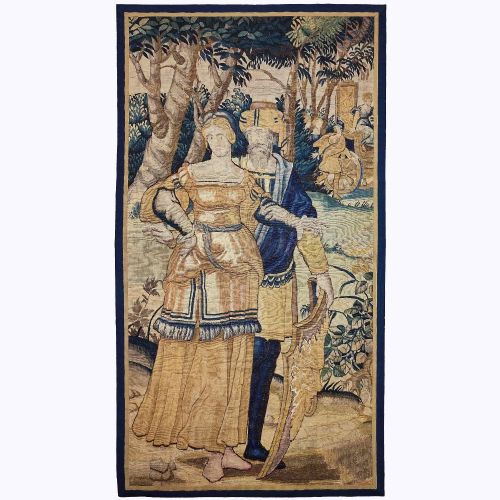
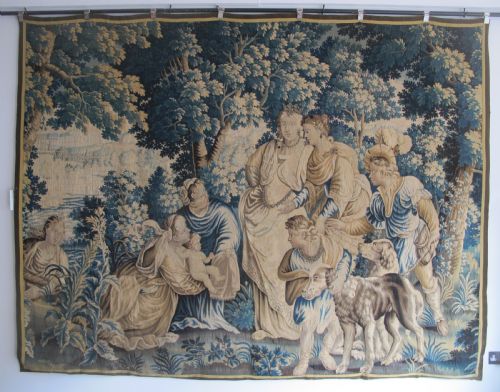
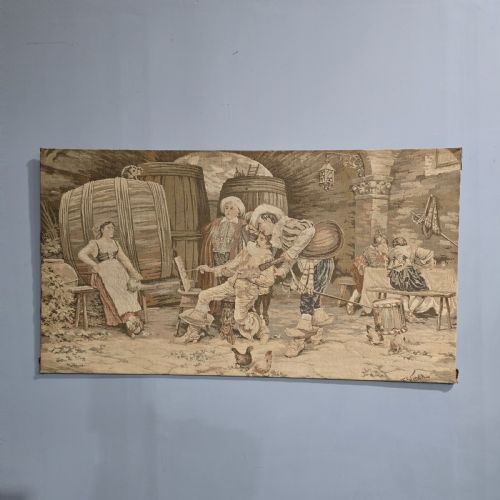
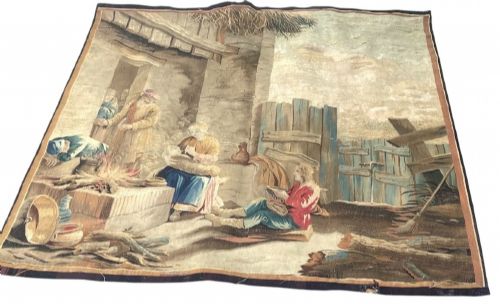
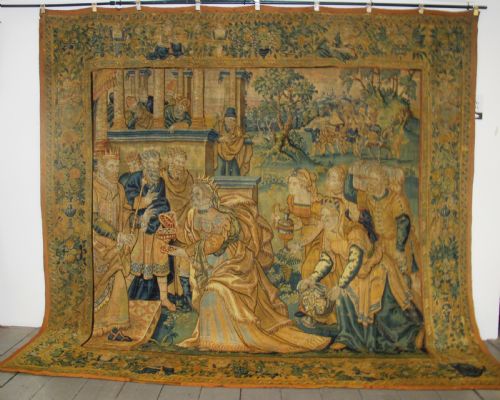
Historic woven wall art includes large wall tapestries, tapestry panels, fragments, and wall hangings originating from European workshops spanning the sixteenth through the nineteenth centuries. These pieces encompass distinct regional traditions such as Flemish, French, and Brussels works, capturing centuries of textile design.
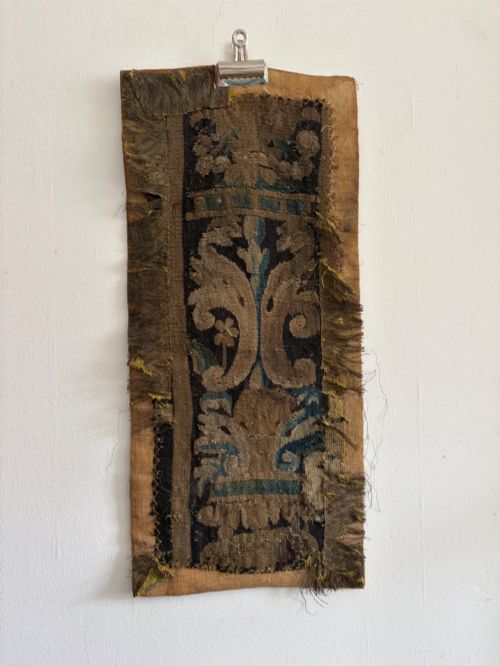
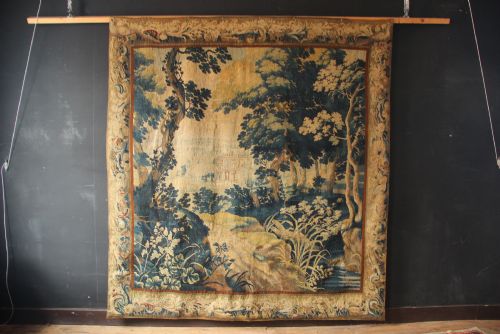
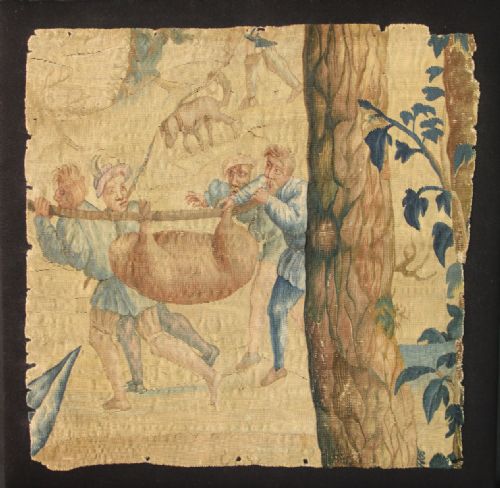
The version most commonly encountered on this page is the seventeenth-century Flemish verdure tapestry or fragment, often featuring foliage designs and mounted to linen for preservation and display. Buyers frequently find landscape and biblical subjects alongside decorative borders.
Forms range from extensive wall-spanning compositions down to compact panels, cushions, and framed textile fragments. Each piece offers a tangible connection to historical weaving techniques and classical design motifs.
How historic woven wall art was made
These textiles were produced using wool, silk, and linen yarns woven on handlooms, occasionally incorporating metallic thread to add shimmering detail to the composition. Artisans meticulously interlaced warp and weft threads to build complex pictorial scenes and dense botanical foliage.
Many surviving panels utilise traditional verdure techniques to depict stylised trees, leaves, and woodland creatures in verdant green and earthy tones. Structural support is often provided by mounting delicate fragments to linen or securing panels onto wooden boards.
Historic Woven Wall Art Retail Price Guide 2026
Typical asking prices for historic woven wall art among the pieces listed under this phrase on Sellingantiques today, from the lower quarter to the upper quarter. They describe what is for sale here now, not the wider market.
Listings feature sixteenth to twentieth-century pieces, spanning Flemish Baroque, French Rococo, and Renaissance Revival styles executed in wool, silk, and metallic thread.
What varies in quality
Quality in these textiles depends heavily on the preservation of the woven surface, the complexity of the design, and the vibrancy of the surviving dye colours. Intricate pictorial detail and fine wool or silk threadwork distinguish superior panels from simpler decorative fragments.
The integrity of the weave and the historical importance of the workshop origin dictate the standing of each piece. Expert mounting and conservation efforts also influence how well a textile maintains its visual impact over centuries.
The Historic Woven Wall Art Glossary
- Verdure tapestry
- A type of historic woven wall art featuring landscape scenes dominated by trees, foliage, and plants. These pieces often showcase rich greens and earthy tones.
- Tapestry fragment
- A surviving section of a larger wall hanging, frequently mounted to linen or wood for display. Fragments allow collectors to own historic textile art on a smaller scale.
- Warp
- The vertical threads held in tension on a loom before the horizontal weft is woven through them. This foundational structure determines the stability of the textile.
- Weft
- The horizontal threads passed through the warp to create the visible design and colour pattern. Skilled weavers manipulated these threads to achieve subtle tonal gradations.
- Metallic thread
- Fine strands of metal wrapped around a core fibre, utilised to catch the light within high-status textiles. Such threads add a subtle lustre to select historical panels.
Historic Woven Wall Art: Frequently Asked Questions
How do I hang a heavy tapestry?
Large textile panels require even weight distribution, typically achieved by sewing a heavy-duty velcro strip or sleeve along the top reverse edge and attaching it to a matching batten fixed to the wall.
Avoid hanging tapestries by direct nailing or pinning, as this damages the fragile historical fibres and concentrates stress on specific warp and weft threads.
Can I display these pieces in direct sunlight?
Direct sunlight causes natural wool, silk, and linen dyes to fade rapidly over time, permanently diminishing the vibrancy and tonal contrast of the woven scene. Position your historic textile away from windows or utilise UV-filtering glass if framed.
Indirect ambient light is ideal for showcasing the intricate details of a verdure panel without accelerating material degradation.
What is the difference between a panel and a fragment?
A tapestry panel represents a complete or largely intact compositional unit from a larger wall hanging, retaining its original borders or central narrative scene. These pieces offer a unified visual story.
A fragment is a salvaged portion of a much larger work, often mounted for decorative display. Fragments provide an accessible entry point into collecting historical textiles.