



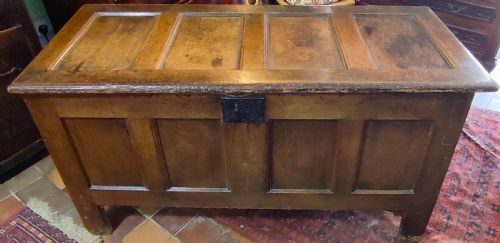


Historic Wooden Storage Chest
A historic wooden storage chest brings centuries of domestic craft into a room, offering robust utility wrapped in early British history.
Historic Wooden Storage Chest
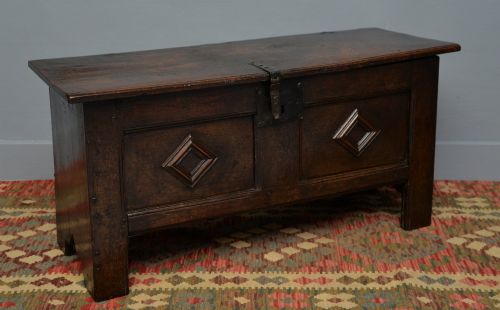
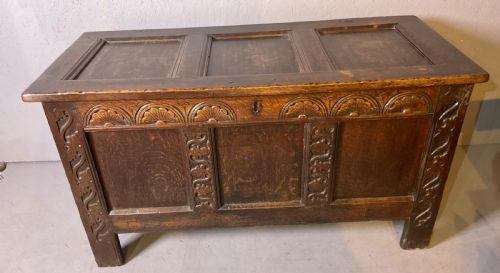
A historic wooden storage chest primarily takes the form of an oak coffer, blanket box, or trunk originating from the sixteenth, seventeenth, eighteenth, and nineteenth centuries. These pieces were built for functional containment in domestic and institutional settings, surviving in forms such as joined chests, boarded coffers, and sword chests.
Object types within this category include specific domestic receptacles like the Bible box alongside larger blanket chests and coffers. Their structural origins lie in early British country furniture and distinct periods such as the Elizabethan, Jacobean, and Georgian eras.
Materials and Construction
Construction relies heavily on solid oak timbers shaped through traditional joinery and board construction techniques. Makers utilised iron and wrought iron for strap hinges, lock plates, and structural reinforcement, securing lids and panels against heavy daily use.
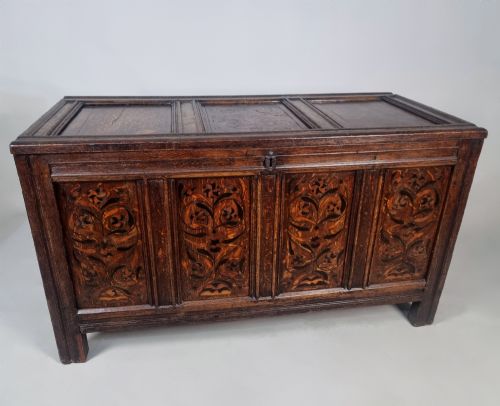
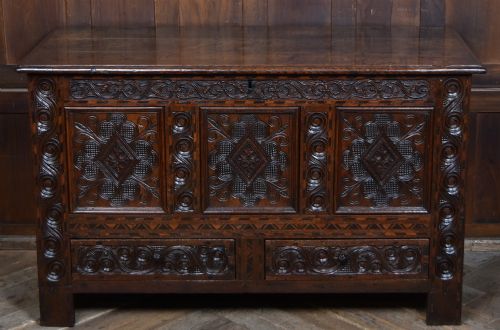
Decorative embellishments involve surface carving, fruitwood inlay, and marquetry details applied directly to the timber frame. These manual techniques define the aesthetic of pieces from the sixteenth century onwards, creating distinct visual markers for specific historical periods.
Historic Wooden Storage Chest Retail Price Guide 2026
Typical asking prices for historic wooden storage chest among the pieces listed under this phrase on Sellingantiques today, from the lower quarter to the upper quarter. They describe what is for sale here now, not the wider market.
Listings span four centuries, featuring oak, pine, fruitwood inlay, iron, and brass across periods from the sixteenth to the nineteenth century.
Judging Quality and Execution
Quality separates pieces by the crispness and depth of the original wood carving, the integrity of the joined frame, and the preservation of early hardware like wrought iron locks. Finer examples display deliberate proportions and sophisticated decorative programmes such as marquetry or detailed friezes.
The survival of original surfaces and timber patination dictates the standing of a piece within its period. Later alterations, replaced boards, or heavily restored hinges diminish the historical coherence that collectors value in early storage furniture.
The Historic Wooden Storage Chest Glossary
- Cofer
- An early chest or box used for storing valuables, textiles, or documents before dedicated wardrobes became common in domestic interiors.
- Joined oak
- Furniture constructed using mortise and tenon joints framed by uprights and rails rather than simple board construction.
- Marquetry
- The art of applying thin slices of wood veneer and fruitwood inlay to form decorative geometric or pictorial patterns on a surface.
- Bible box
- A small tabletop storage chest featuring a sloping or flat lid, traditionally used for holding sacred texts and writing materials.
- Boarded chest
- A primitive form of box construction made from thick planks nailed or pegged together at the edges rather than jointed into a frame.
Historic Wooden Storage Chest: Frequently Asked Questions
What is a historic wooden storage chest used for?
These pieces served as secure household receptacles for clothing, blankets, valuables, and documents in early homes. Today, buyers utilise them for blanket storage or as decorative focal points in living spaces.
Their robust construction allows them to function practically while retaining an authentic period aesthetic.
How do I date a historic wooden storage chest?
Dating relies on examining construction methods, such as the transition from boarded planks to joined frames, alongside the style of surface carving. Specific motifs and hardware styles correspond to eras like the Elizabethan, Jacobean, and Georgian periods.
In some instances, makers carved dates and initials directly into the woodwork.
Are these chests made entirely of oak?
While oak is the predominant timber found in these listings, other materials appear depending on the period and regional origin. Examples include pine in nineteenth century pieces and fruitwood inlay used for decorative marquetry.
Wrought iron and brass hardware also feature structurally and ornamentally.
How should I care for a wooden storage chest?
Maintenance involves keeping the timber away from direct heat sources and sudden humidity changes to prevent wood splitting. Natural wax polishes help nourish the aged surface without building up synthetic residue.
Gentle handling of original iron hinges preserves the functional integrity of the lid.