



Historic Wood Panels
Historic wood panels bring centuries of architectural craftsmanship indoors, offering rich textures and carved details that anchor a room.
Historic Wood Panels
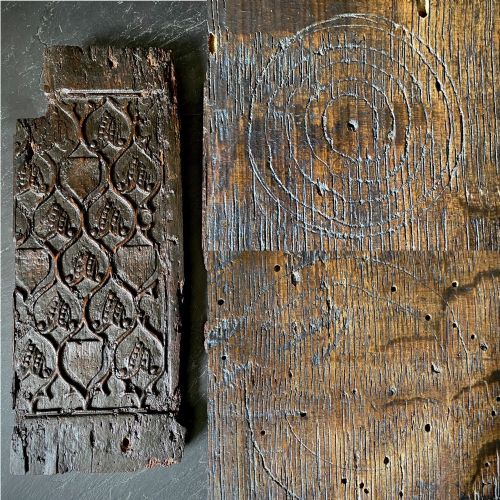
Historic wood panels encompass architectural salvage, carved wooden panels, wall reliefs, and overmantels that originate mainly from the seventeenth, eighteenth, and nineteenth centuries. These pieces carry the marks of earlier interiors, ranging from seventeenth-century carved oak to eighteenth-century painted pine.
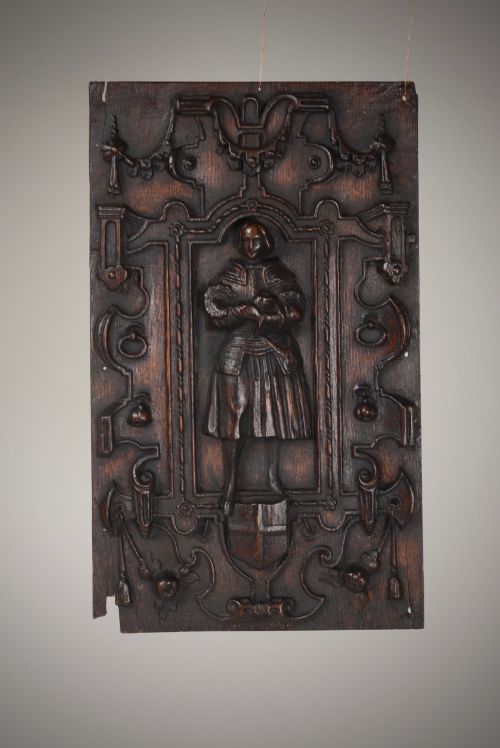
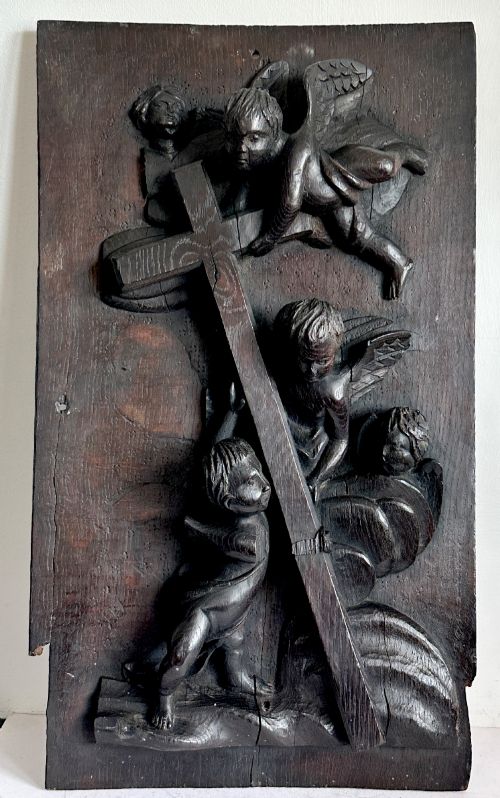
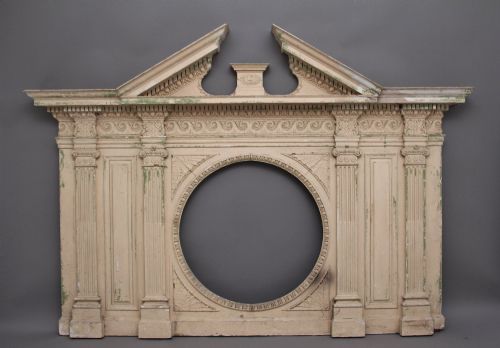
The version most likely encountered on this page is the carved oak panel or architectural fragment, often featuring deep relief work. Alongside these architectural elements, the listings also include painted pine overmantels and specialised wooden carvings.
Originating from domestic and civic spaces, these panels demonstrate how historical woodworkers shaped interior walls and furniture. Their survival offers a tangible link to past methods of interior decoration and building.
How they were made
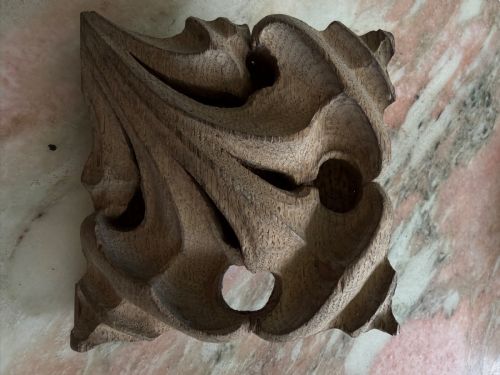
The primary material across the listings is oak, worked alongside pine and fruitwood using traditional hand-carving and joinery techniques. Woodworkers utilised chisel and gouge to produce deep reliefs, pierced ceiling bosses, and figural representations.
Surface treatments vary from bare timber to painted finishes, reflecting the decorative preferences of the seventeenth, eighteenth, and nineteenth centuries. Joinery methods relied on pegged mortise and tenon frames to house the central carved panels securely.
Historic Wood Panels Retail Price Guide 2026
Typical asking prices for historic wood panels among the pieces listed under this phrase on Sellingantiques today, from the lower quarter to the upper quarter. They describe what is for sale here now, not the wider market.
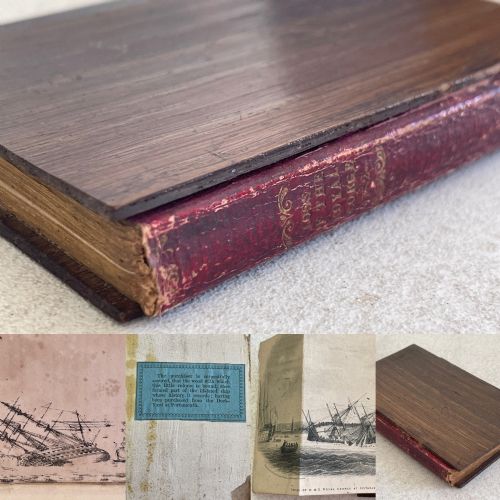
Some wooden panels crossed oceans by surviving the literal sinking of a warship.
What varies in quality
Depth and crispness of the carving distinguish finer panels from simpler work, where sharper chisel marks indicate a more skilled hand. The preservation of the original timber surface without excessive modern intervention also plays a major role.
Proportion and the complexity of the design, such as figural caryatids or pierced openwork leaves, separate standard architectural salvage from exceptional decorative pieces.
Paul Leon Jazet·Margaret Thompson
The Historic Wood Panels Glossary
- Architectural salvage
- Building elements rescued from structures slated for alteration or demolition. These pieces retain their original craftsmanship and historical patina.
- Caryatid
- A sculpted female figure serving as an architectural support taking the place of a column or a pillar. They appear carved in wood amongst earlier panels.
- Overmantel
- A decorative panel or structure placed directly above a fireplace mantel. Eighteenth-century examples often feature painted pine.
- Ceiling boss
- A decorative projection where ribs of a ceiling meet. Pierced examples show intricate openwork carving in timber.
Historic Wood Panels: Frequently Asked Questions
How do I hang historic wood panels?
Heavy carved panels require secure wall fixings tied directly into structural studs or masonry rather than standard plasterboard anchors. Professional framing or custom mounting brackets help distribute the weight evenly.
Ensure the hanging method accommodates the natural movement of old timber as humidity changes through the seasons.
What is the difference between oak and pine panels?
Oak was the dominant timber for seventeenth-century carving, offering a dense, durable grain that holds crisp architectural detail. Pine became more common in eighteenth-century overmantels and accepted painted finishes more readily.
Oak panels generally carry a darker, deeper patina from age, while pine surfaces often show traces of historic paint layers.
How should I clean historic wood panels?
Dust the surface gently with a soft, dry brush or a lint-free cloth to remove accumulated particles without disturbing the wood grain or dry patina. Avoid modern liquid polishes, silicone sprays, and water.
If the panel requires deeper conservation work, consult a professional restorer specialising in historic timber.
Can overmantels still be used above fireplaces?
Many historic overmantels integrate successfully above modern or period fireplaces, provided the scale matches the surrounding chimney breast. Heat and moisture fluctuations present risks to old wood and painted surfaces.
Positioning the panel at a safe distance from active heat sources protects the timber from warping or cracking over time.