

Historic Portrait Art
Historic portrait art captures centuries of notable figures and anonymous sitters through oil on canvas, panel, and print.
Historic Portrait Art
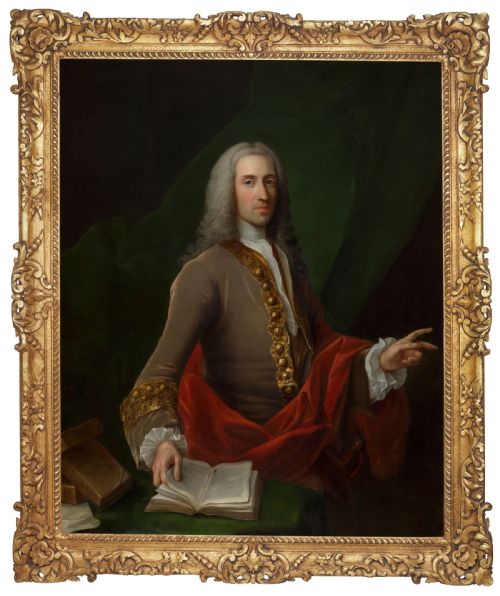
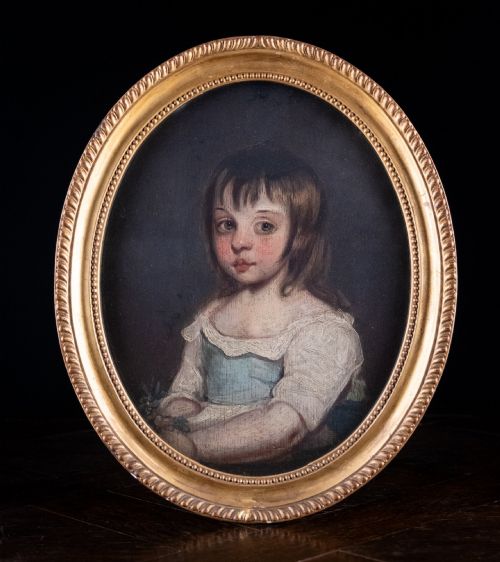
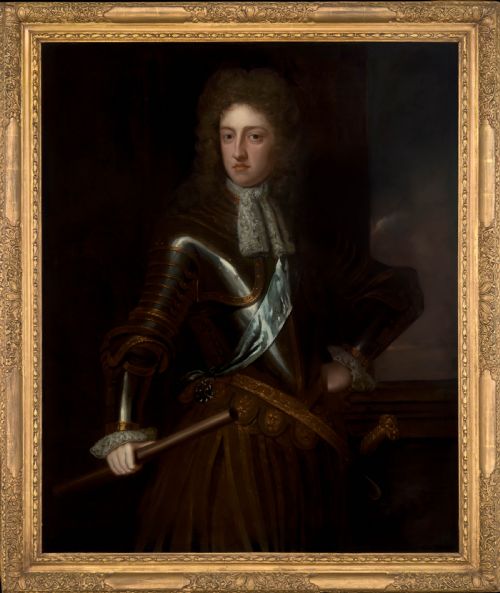
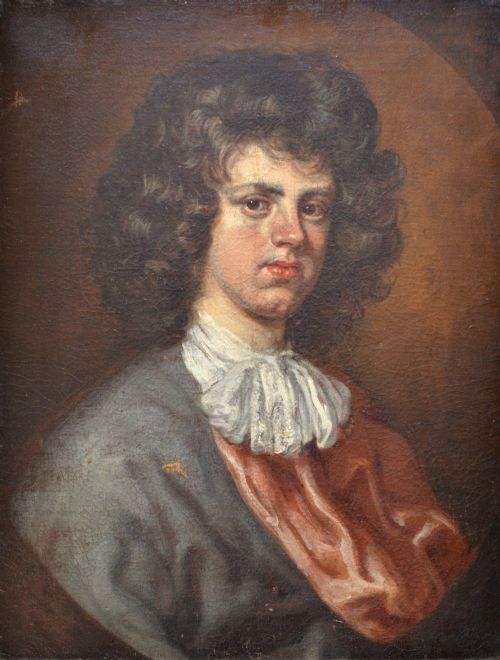
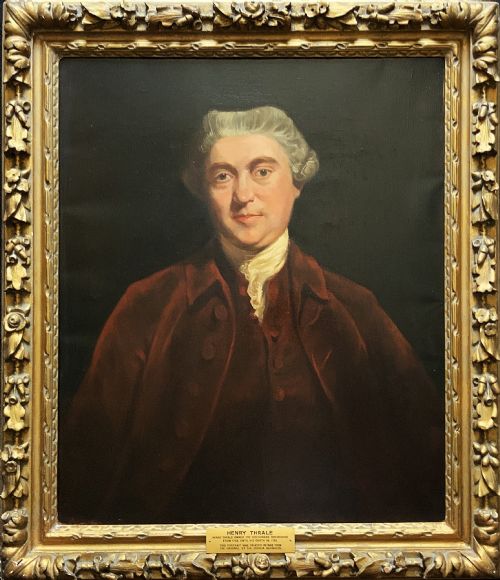
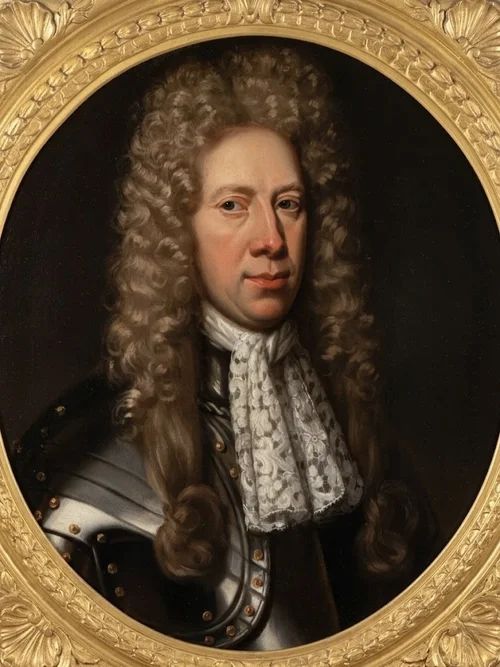
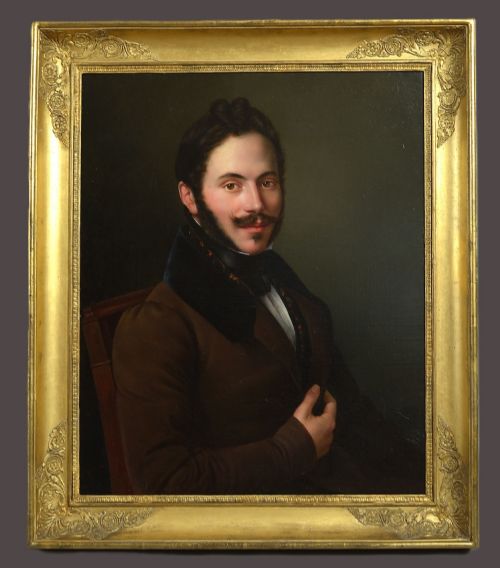
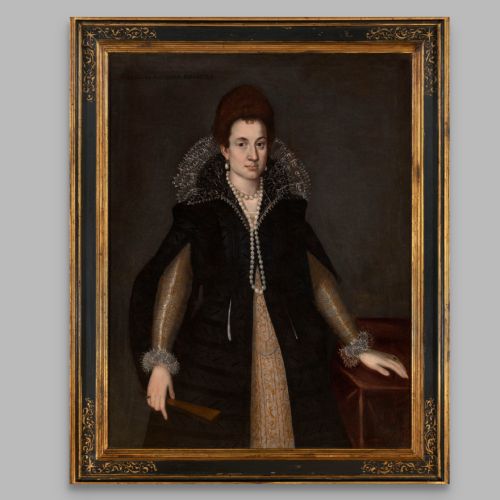
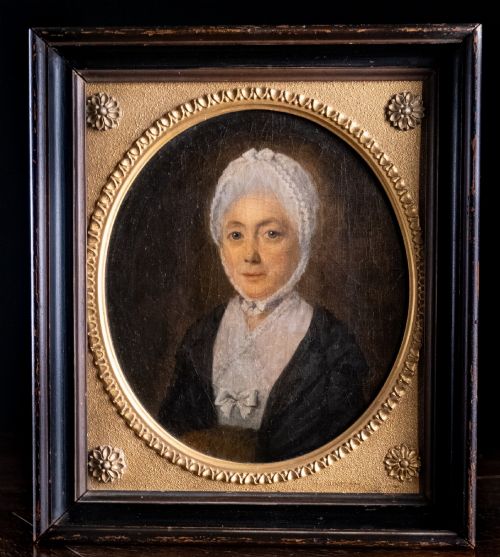
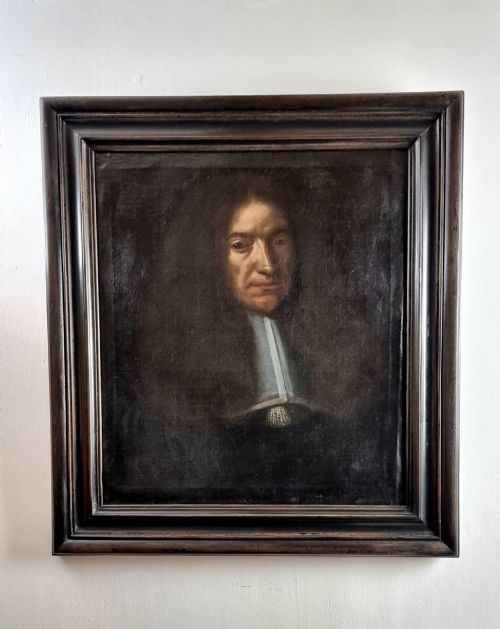
Historic portrait art encompasses paintings, prints, and miniatures depicting individuals from the seventeenth, eighteenth, and nineteenth centuries. These works record the likenesses of nobility, military officers, scholars, and ordinary citizens across various European schools.
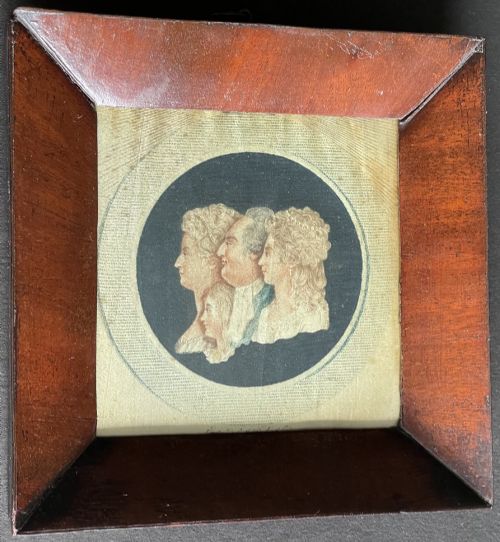
The pieces on this page are most commonly oil paintings on canvas or panel, alongside period mezzotints and prints on silk or paper. They range from formal aristocratic commissions to intimate studies of country girls and elderly ladies.
Subjects span British, French, Dutch, and Northern European makers, reflecting the shifting aesthetic tastes of the Baroque, Georgian, and Regency eras. Buyers encounter everything from grand studio pieces to provincial school works.
Materials and Techniques
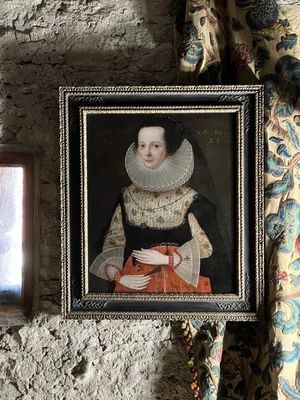
Painters utilised oil pigments applied to stretched canvas or wooden panels, often building up rich glazes to render fabric textures and skin tones. Gilders framed these works using carved wood and gold leaf mouldings appropriate to the period.
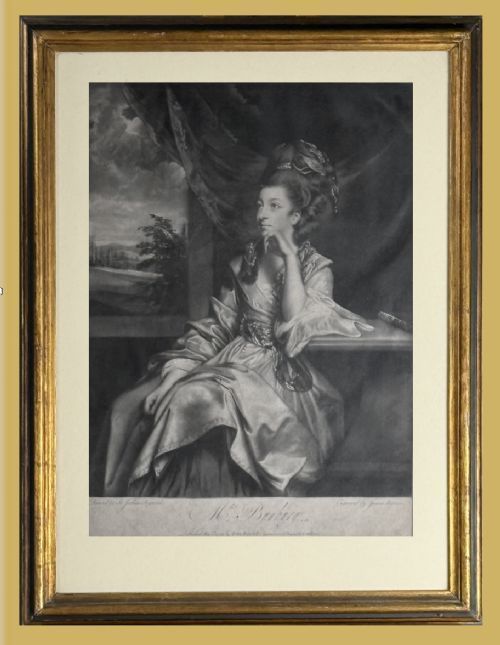
Printmakers created mezzotints on paper by roughening copper plates to achieve subtle tonal gradations, frequently reproducing famous compositions by artists such as Sir Joshua Reynolds. Specialty items include delicate plumbago drawings and reverse glass prints.
Certain sitters emerge from the past holding unexpected props, including pipes, skulls, books, and even a miniature of a warship.
Assessing Quality and Execution
The integrity of the original support, whether canvas or panel, alongside the preservation of the pigment layer, dictates the enduring visual strength of the portrait. Period frames featuring original giltwood craftsmanship significantly elevate the presentation.
Sir William Beechey·Sir Joshua Reynolds·Sir Godfrey Kneller·Edouard Pingret·Frank Moss Bennett
The Historic Portrait Art Glossary
- Mezzotint
- A printmaking process where the copper plate is roughened to allow tonal shading rather than simple lines. This technique creates velvety dark areas and smooth gradations ideal for portraiture.
- Plumbago
- A drawing executed in graphite, taking its name from the Latin word for lead ore. These detailed works gained popularity for miniature portraits in the eighteenth century.
- Panel
- A rigid wooden support used by painters before canvas became dominant. Oak and other hardwoods were common substrates for early European portraits.
- Giltwood
- Carved wood coated with gold leaf or powder. This material defined luxury frames throughout the Baroque and Georgian periods.
- Circle of
- A term indicating the work of an unidentified artist closely associated with a known master, sharing their style and workshop methods.
Historic Portrait Art: Frequently Asked Questions
What is historic portrait art?
Historic portrait art consists of paintings, prints, and miniatures created before the twentieth century to record human likenesses. These works document real historical individuals through the distinct artistic conventions of their respective eras.
Buyers find everything from large oil canvases of nobility to small printed works on silk and paper. Each piece offers a direct visual link to past centuries through period techniques and materials.
How were these portraits displayed?
Historic portraits traditionally hung in the galleries, libraries, and formal reception rooms of country houses and town residences. They served to display lineage, status, and scholarly or military achievements.
Today, collectors place these works in domestic interiors ranging from traditional period rooms to contemporary spaces, where they provide a striking focal point.
How do I identify the period of a portrait?
Dating relies heavily on the sitter's costume, hair styling, and framing elements, which followed strict fashion trends. Contemporaneous inscriptions, signatures, and documentation on the reverse of the canvas or panel also provide vital chronological clues.
Additionally, the choice of support material and pigment composition often corresponds to specific manufacturing techniques of the seventeenth, eighteenth, or nineteenth centuries.
What is the difference between an oil painting and a mezzotint?
An oil painting is a unique, hand-painted artwork utilising pigment suspended in oil on canvas or wood. It preserves the direct physical touch and brushwork of the artist.
A mezzotint is an intaglio print created from a metal plate, allowing multiple impressions to be made after a master painting. Prints offered period buyers an accessible way to own likenesses of famous public figures.