





Historic Paper Art
Historic paper art encompasses centuries of delicate works on paper, spanning detailed county maps and fluid watercolours that bring early scenes to life.
Historic Paper Art
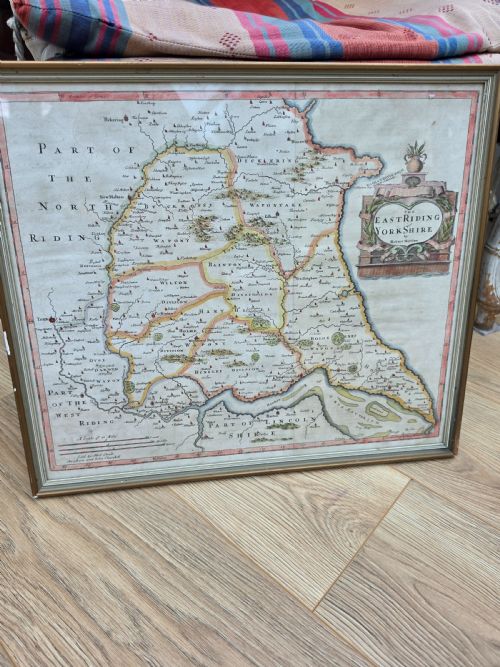
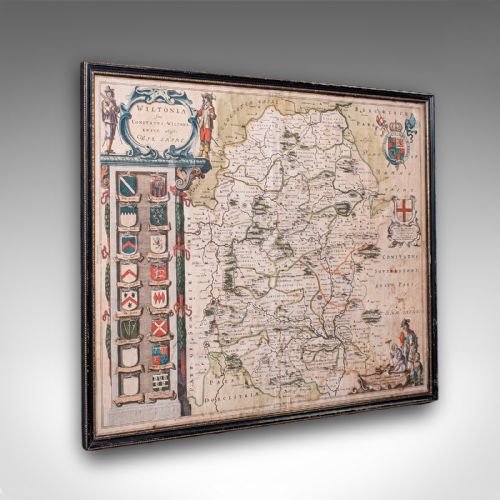
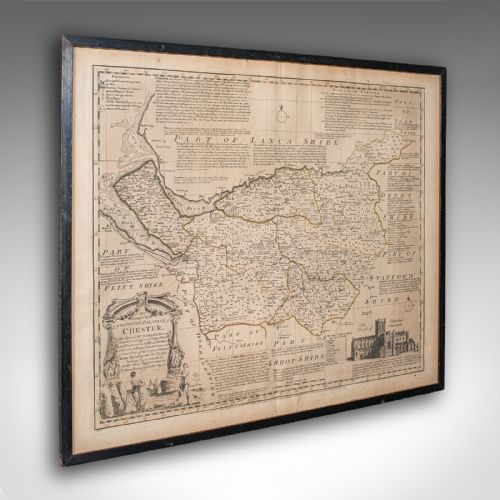
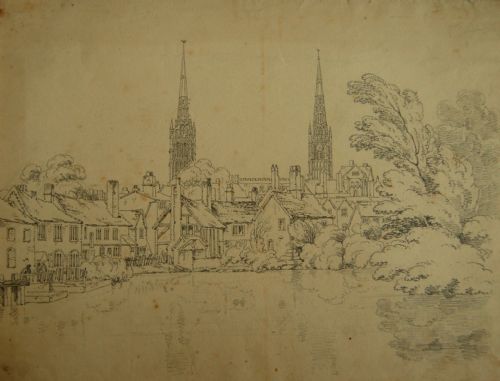
Historic paper art spans a diverse array of framed cartography and delicate watercolours produced across the seventeenth, eighteenth and nineteenth centuries. Buyers encounter intricate antique county maps alongside original ink drawings, etchings and early wall paper panels.
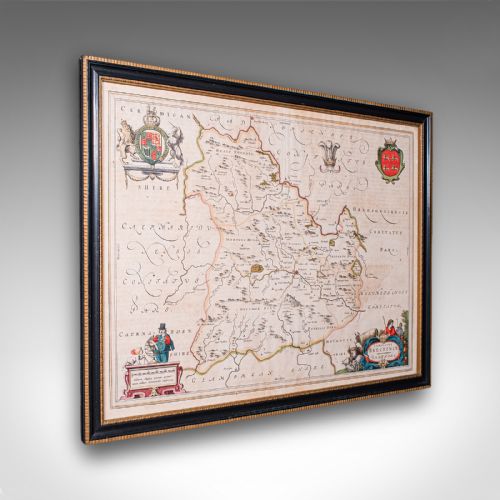
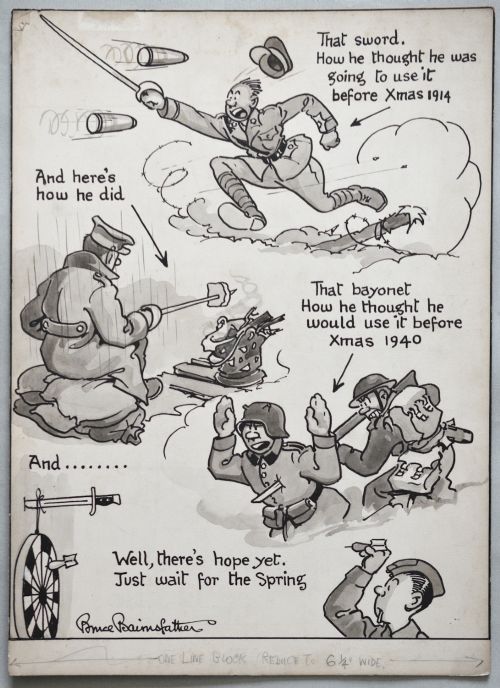
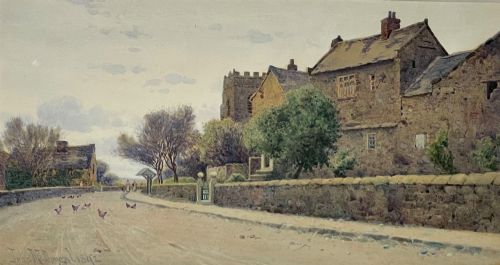
The selection ranges from Dutch atlas cartography by makers such as Joan Blaeu and John Speed to nineteenth-century British watercolour paintings and satirical illustrations. These pieces capture historical landscapes, townscapes and portraits rendered in ink, wash and watercolour paint.
Works originate from various periods including the Georgian era, Victorian times and early twentieth-century movements like British Impressionism. Wall art formats dominate the selection, usually preserved behind glass in wooden or gilt wood frames.
Materials and construction
Artisans and cartographers worked primarily on handmade paper using watercolour, ink and wash as their core mediums. Engraved copper plates served to print maps, which often received hand-coloured details in pigments of the period.
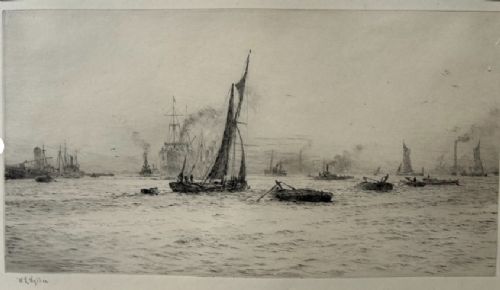
Framing utilised wood and gilt wood surrounds, enclosing the paper works alongside glass to protect the delicate surfaces from atmospheric damage. Etchings and engravings relied on inked metal plates pressed firmly into dampened paper under high pressure.
Historic Paper Art Retail Price Guide 2026
Typical asking prices for historic paper art among the pieces listed under this phrase on Sellingantiques today, from the lower quarter to the upper quarter. They describe what is for sale here now, not the wider market.
The category encompasses diverse forms including wall art, paintings, framed maps, etchings and topographical watercolours by various British and European artists.
Evaluating quality and condition
Quality rests upon the crispness of the original impression in maps and etchings, alongside the clarity and preservation of pigment in watercolours. Early printings pulled directly from plates by renowned cartographers exhibit sharper line work than later impressions or facsimile editions.
The integrity of the paper support and the vibrancy of hand-applied colour dictate the desirability of a piece. Tonal depth in wash drawings and the retention of original framing elements also separate standard decorative items from finer collector examples.
Joan Blaeu·John Speed·Janssonius·Thomas Rowlandson·William Lionel Wyllie
The Historic Paper Art Glossary
- Cartography
- The science or practice of drawing maps. In this context, it refers to antique maps produced by notable seventeenth and eighteenth-century cartographers.
- Etching
- A printmaking technique where lines are bitten into a metal plate with acid. Ink is then applied to the recessed grooves and transferred to paper under pressure.
- Wash
- A thin, transparent layer of diluted watercolour paint or ink applied with a brush. It provides subtle tonal gradations in early drawings and maps.
- Gilt wood
- Wood that has been decorated with a thin layer of gold leaf or gold paint. Frames of this material frequently accompany formal antique watercolours.
- Watercolour
- A painting method where the paints consist of pigments suspended in a water-based solution. Artists use this medium for translucent landscapes and portraiture.
Historic Paper Art: Frequently Asked Questions
How should I display antique paper art?
Keep framed pieces away from direct sunlight to prevent the fading of watercolours and inks. Maintaining stable indoor humidity levels also protects the paper from warping or deterioration over time.
Ensure that framing uses conservation-grade materials to avoid acid transfer from backing boards. Professional framing preserves the structural integrity of these delicate historical works.
Are antique maps original printings?
Many early maps originate from the specific century stated, printed directly from hand-engraved copper plates. Later editions and re-issues from subsequent centuries also exist within the broader field.
Examining the paper type, plate marks and cartographic details helps determine the printing era. Reference works and historical atlases provide confirmation for dates and editions.
What is the difference between an etching and a watercolour?
An etching is a printed multiple created by pressing inked metal plates onto paper. Each line is incised into the plate using acid before printing.
A watercolour is a unique painted artwork created directly on paper using water-soluble pigments. These pieces feature brushstrokes and wash layers rather than printed ink lines.
How do I identify the age of a paper piece?
Dating relies on watermarks within the paper, typography, publishing margins and stylistic clues inherent to the period. Cartographic maps often include dates within their decorative title cartouches.
Associated historical figures, dress in portraits and printing techniques further narrow down the decade of production. Expert framing or dealer documentation also aids verification.