

Historic Painting Artwork
Historic painting artwork brings centuries of portraiture and landscape into a room, offering a direct link to past eras through canvas and oil.
Historic Painting Artwork
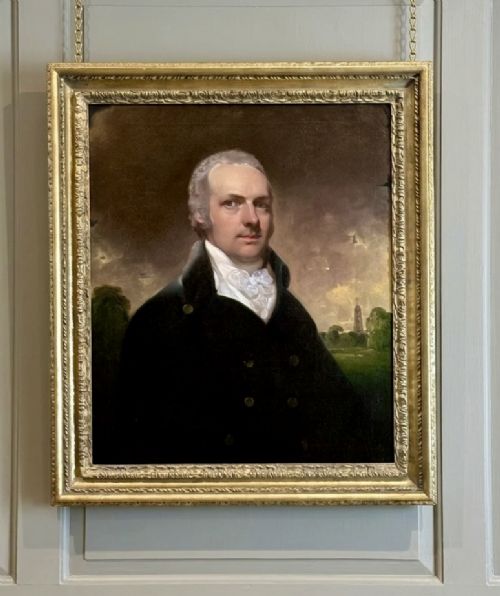
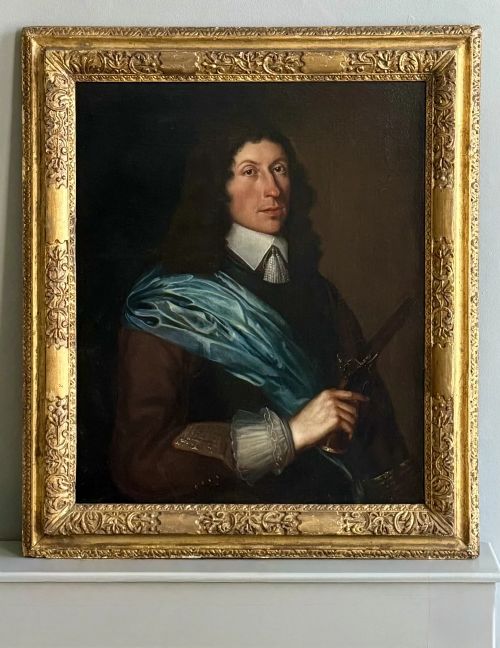
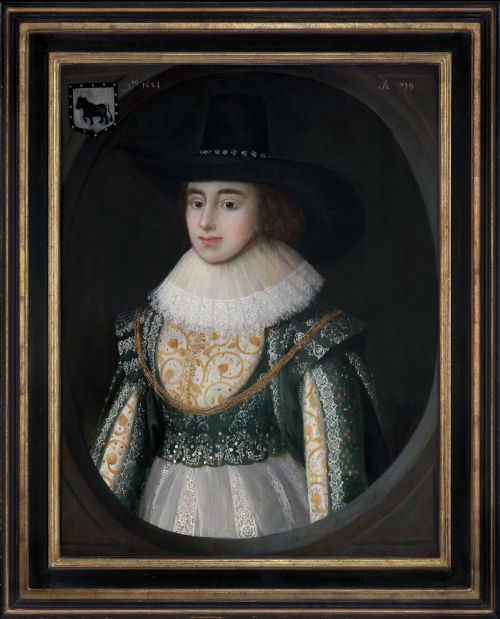
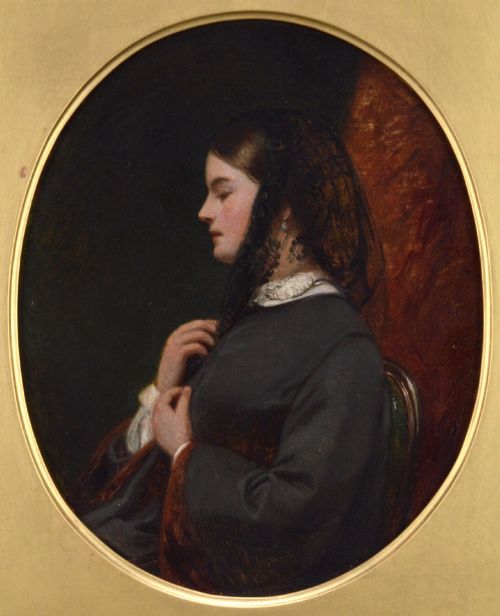
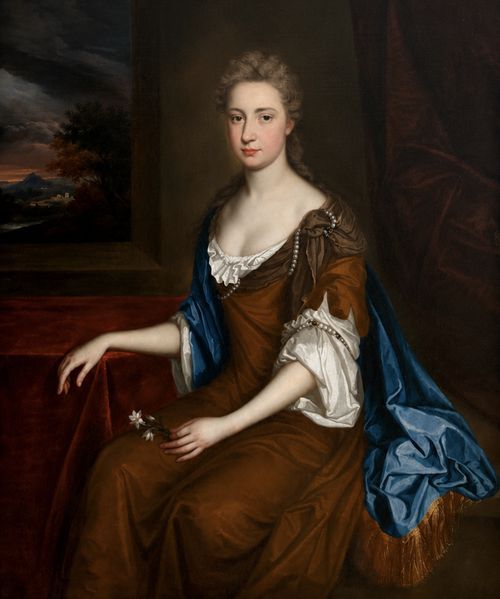
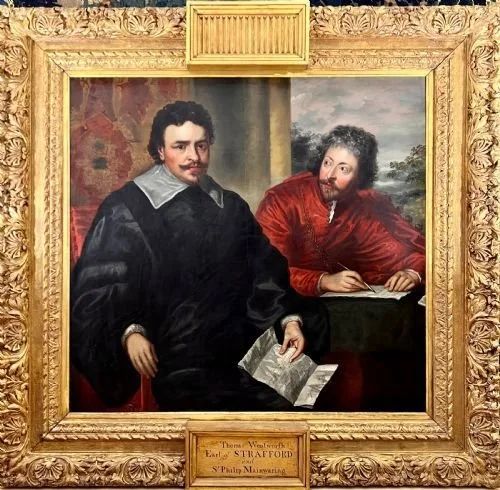
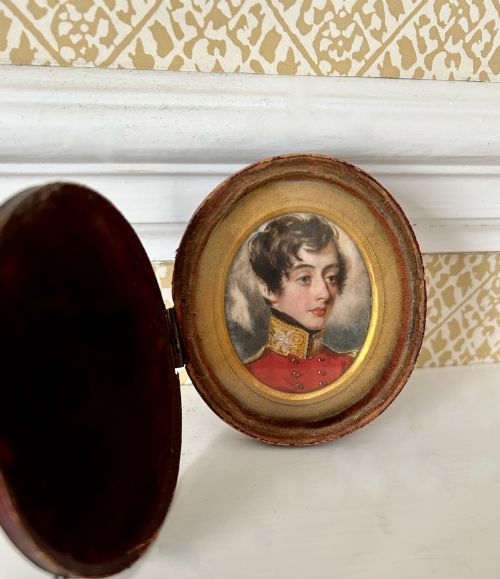
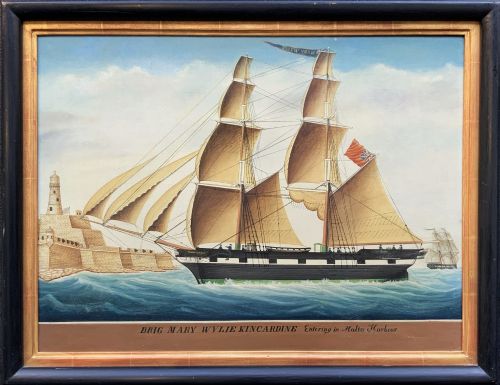
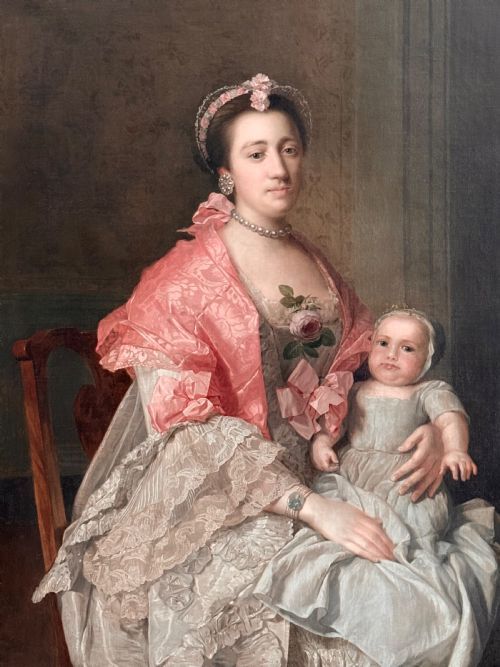
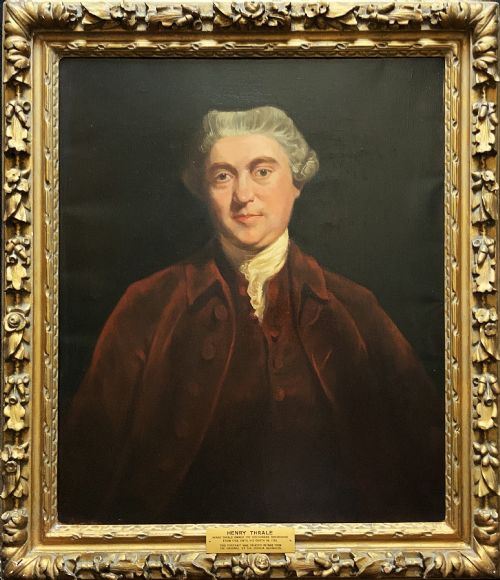
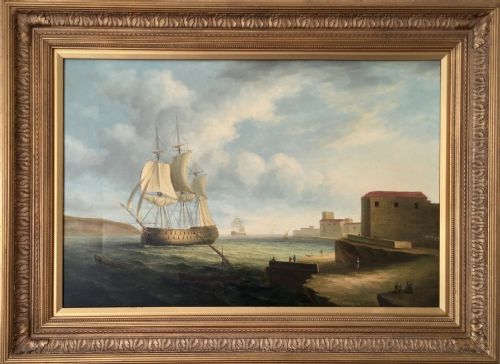
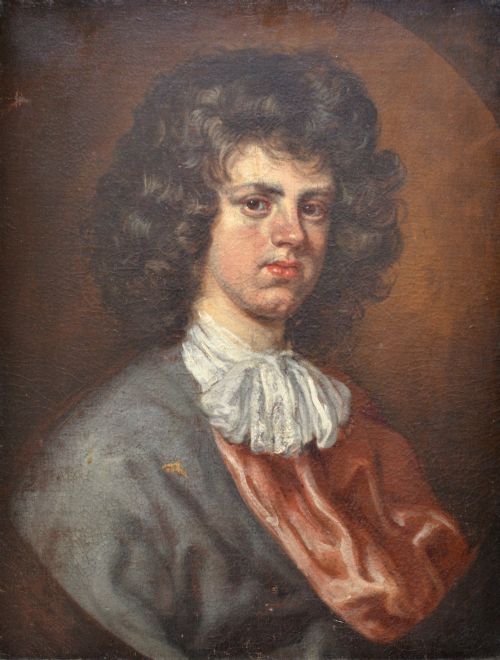
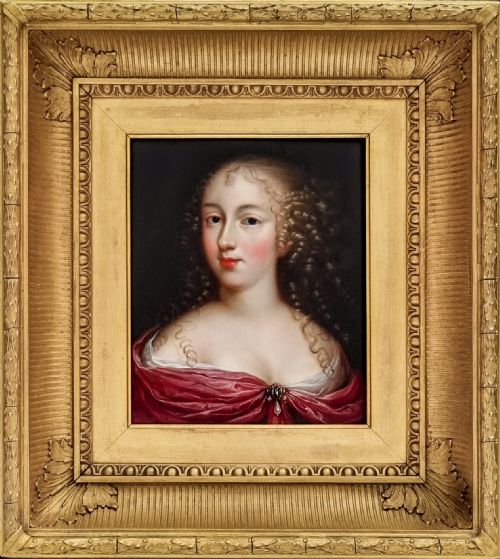
Historic painting artwork encompasses fine art paintings, portrait paintings, and wall art produced across multiple centuries. Buyers looking at this selection encounter works spanning from the seventeenth century through the Victorian period, Edwardian era, and into the twentieth century. The category is heavily defined by portraiture and maritime scenes, capturing notable figures, officers, and naval vessels.
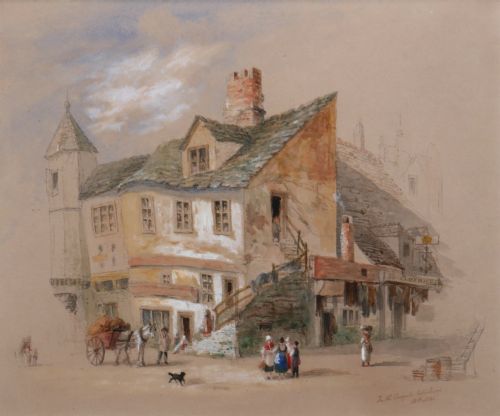
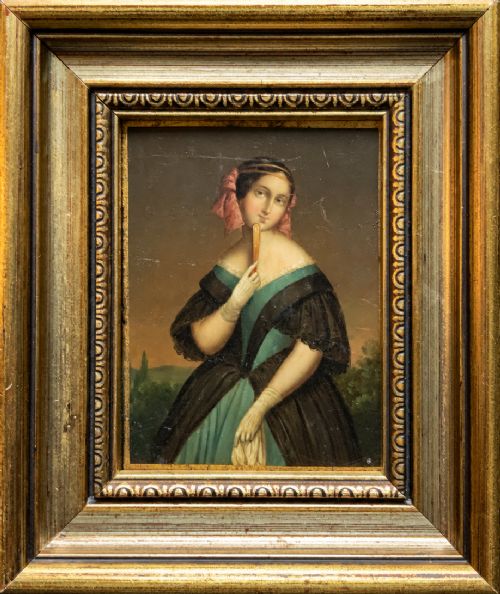
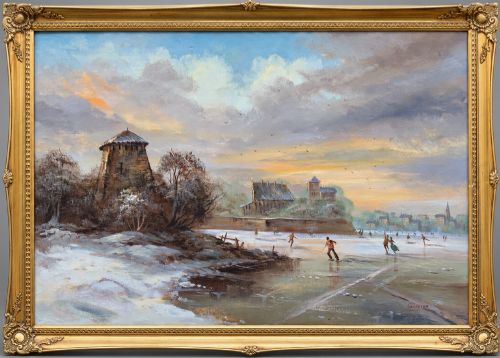
Oil paintings on canvas and wood panel form the core of what a buyer meets on this page. Alongside these oils, watercolour works and framed artwork appear, reflecting both formal studio output and individual artistic studies. Subjects range from aristocratic ladies and military officers to Dutch winter landscapes and harbour views.
The origins of these pieces stretch across English, French, Dutch, and broader European schools. Buyers navigate works produced by named historical painters alongside output from specific regional circles and studio followers. This mix provides access to centuries of artistic tradition within a single collecting field.
How they were made
Makers built these pieces using oil paint applied to prepared canvas or wood panel supports. Artists layered pigments to achieve depth in portraiture and landscape settings, occasionally incorporating gold leaf detailing. Watercolour on paper served as an alternative medium for lighter, more immediate compositions.
Framed artwork from these periods relied on traditional joinery and often featured carved wooden frames, sometimes enhanced with giltwood finishes. Reverse glass printing offered a distinct technique for producing decorative images without traditional canvas supports. Each method dictated the physical survival and current presentation of the artwork.
Historic Painting Artwork Retail Price Guide 2026
Typical asking prices for historic painting artwork among the pieces listed under this phrase on Sellingantiques today, from the lower quarter to the upper quarter. They describe what is for sale here now, not the wider market.
Several portraits preserve the intense gaze of subjects who sat for hours while painters struggled with stubborn seventeenth-century pigments.
What varies in quality
Condition and originality play a major role in the standing of a piece. Works retaining their original canvas, panel, and period framing carry greater integrity than those with extensive later interventions. The strength of attribution to a documented hand or recognised school also influences how a piece is regarded.
Trajan Hughes·Sir Allan Ramsay·Cornelius Johnson·Pierre Mignard·James Hardy·Bruce Bairnsfather·Leonardo Da Vinci·Jeremiah Davison·Mary Beale·John McDougal·Sir Joshua Reynolds·Edouard Pingret·David Roberts·Ernest Arthur Rowe·Philip Melanchthon·Francis Russell·Pieter Borseler·Charles Euphraisie Kuasseg·Bernard Gribble·A. McDonald·Charles William Wyllie·Rembrandt·Frank Moss Bennett
The Historic Painting Artwork Glossary
- Oil on canvas
- A painting medium where pigments are suspended in drying oils and applied to stretched woven fabric. This combination provides durability and allows for subtle blending of tones.
- Wood panel
- A rigid support base utilised by artists before canvas became the dominant material. Panel paintings often survive from earlier centuries when oak or other timbers were standard.
- Giltwood
- Wood that has been treated with a thin layer of gold leaf or gilt composition. It frequently appears on traditional frames enclosing antique paintings.
- Watercolour
- A paint medium where colourants are suspended in a water-soluble vehicle, typically applied to paper. It yields transparent washes well suited to preparatory studies.
- Circle of
- A term used in attribution to indicate an artist who worked closely with a master and shared a distinct style. It denotes proximity to a known hand without direct signature.
Historic Painting Artwork: Frequently Asked Questions
How do I date an antique oil painting?
Dating relies on examining the stretcher, canvas preparation, pigments, and any inscriptions or signatures left by the artist. Stylistic cues in costume and hair also help narrow the period.
Secondary indicators include the construction methods of the accompanying frame and any historical labels attached to the reverse of the panel or canvas.
What is the difference between canvas and panel paintings?
Canvas paintings utilise stretched fabric supported by a wooden frame, becoming widespread from the Renaissance onward. They offer flexibility and large surface areas for ambitious compositions.
Wood panel paintings utilise rigid timber boards as a base, which was the dominant support medium during earlier centuries. Panels tend to remain stable over long periods but require careful environmental humidity control.
How should I care for historic artwork at home?
Historic paintings require stable indoor humidity and temperature levels to prevent the wood panels from warping or the canvas from slackening. Direct sunlight should be avoided to protect organic pigments from fading.
Dusting should be performed gently with a soft, dry brush, avoiding any moisture or chemical cleaning agents on the painted surface.
What does attribution to a circle or follower mean?
Attribution to a circle indicates that an anonymous artist worked within the immediate orbit of a named master, absorbing their distinct techniques and subject preferences. A follower denotes a later artist working in the distinct style of a predecessor.
These designations help contextualise pieces where direct signatures are absent but stylistic lineage is clear.