





Historic British Oil Painting
A historic british oil painting carries the gaze of past centuries directly into a room through oil and canvas.
Historic British Oil Painting
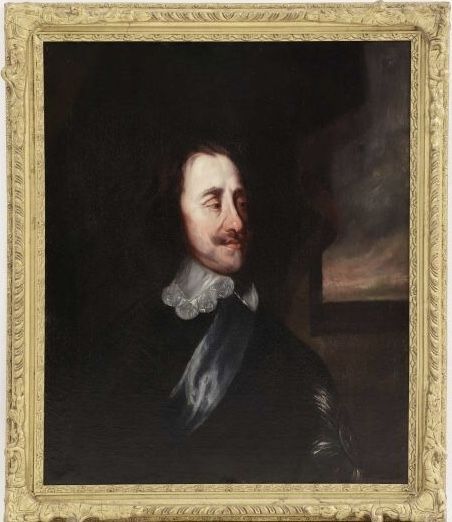
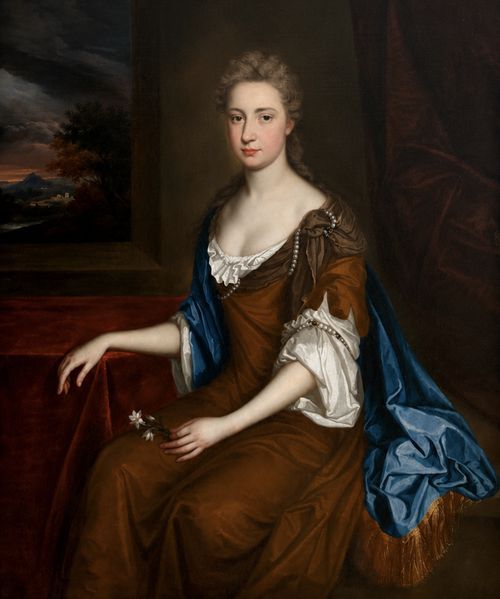
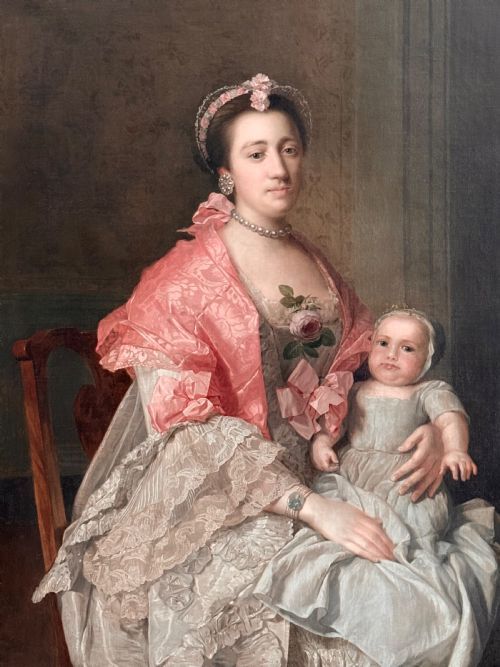
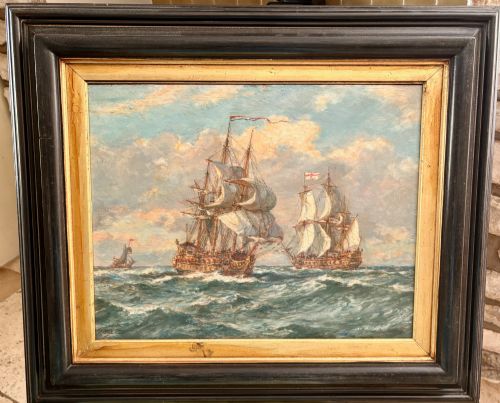
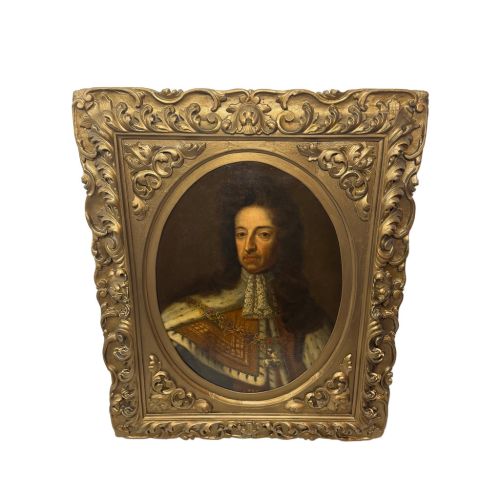
A historic british oil painting captures faces, vessels and landscapes across centuries of artistic tradition. These works range from seventeenth-century portraits of royalty and nobility to nineteenth-century maritime scenes and rural vistas.
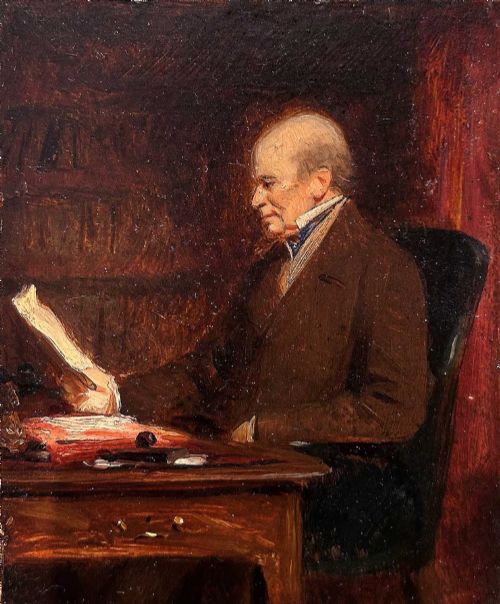
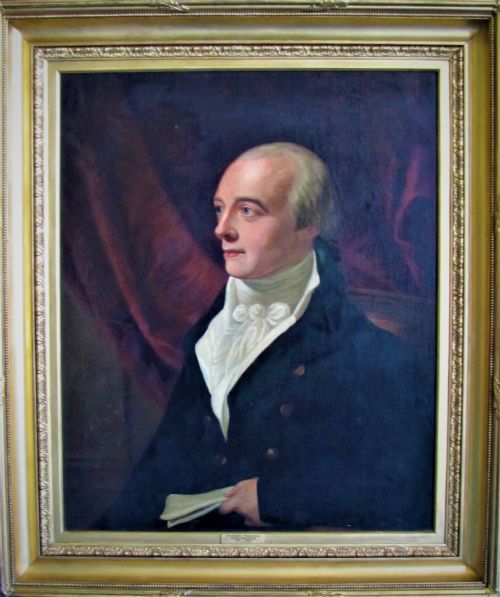
The selection here draws heavily upon portrait paintings and traditional maritime art created during the Georgian, Victorian and Edwardian eras. Works span from dark, formal court studies to lighter topographical landscapes and historical genre pieces.
How they were made
Artists applied oil paint using brushes upon prepared canvas or wood panels, building rich layers of pigment and glaze. Many examples retain their original gold leaf and giltwood frames, which provide structural support and historical context.
The physical support evolved from sturdy wooden panels in earlier centuries to finely woven canvas stretched across wooden frames by the eighteenth and nineteenth centuries.
Historic British Oil Painting Retail Price Guide 2026
Typical asking prices for historic british oil painting among the pieces listed under this phrase on Sellingantiques today, from the lower quarter to the upper quarter. They describe what is for sale here now, not the wider market.
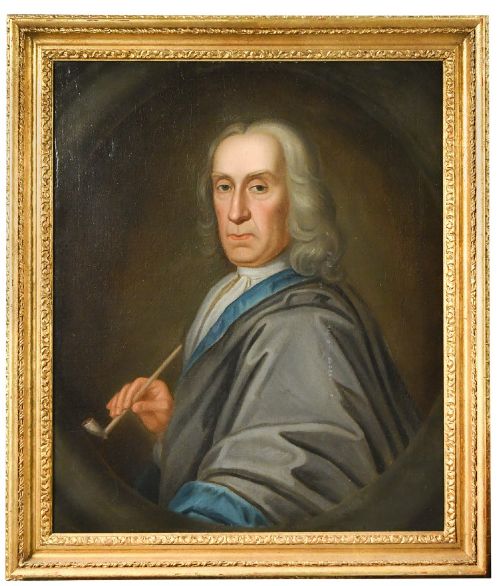
Several gentlemen are immortalised gripping smoking pipes and legal briefs with absolute Victorian seriousness.
What varies in quality
The handling of light and facial expression distinguishes accomplished portraiture from rigid studio output. Superior examples demonstrate a confident command of anatomy, fabric texture and atmospheric depth.
Condition and originality dictate the standing of a canvas, particularly the survival of untouched paint layers and period framing. Works attributed to established named painters or documented circles command greater scholarly interest.
Sir Allan Ramsay·Bernard Gribble·John Greenhill·Charles William Wyllie·John Sanderson Wells·Frank Moss Bennett·George Chinnery·Joseph Heard·Henry William Pickersgill·William Robinson·Robert Thomas Buttery·Robert Byng·Rudolph Lehmann·A Gilbert·Sir Peter Lely·Sir James Guthrie·John Bettes the Elder·George Francis Joseph·John Raphael Smith·Lemuel Francis Abbott·Peter de Wint
The Historic British Oil Painting Glossary
- Canvas
- A heavy woven fabric stretched across a wooden frame to serve as a painting surface. Linen was commonly utilised for finer works.
- Giltwood
- Wood that has been coated with a thin layer of gold leaf or gold powder. It forms the decorative surface of traditional picture frames.
- Oil paint
- A slow-drying paint made by mixing pigments with oils such as linseed. This medium allows for subtle blending and rich glazes.
- Portrait
- A painting of a specific person that captures likeness and status. These works often include symbolic objects or heraldic details.
- Maritime art
- Artwork depicting ships, naval battles and coastal scenes. This genre encompasses detailed ship portraits and dramatic historical events.
Historic British Oil Painting: Frequently Asked Questions
How do I date an old oil painting?
Dating relies on costume details, hairstyles, stretcher construction and the type of canvas or wood panel used. Written inscriptions on the reverse or frame often provide further clues.
Stylistic markers also align with particular reigns and artistic periods, helping to narrow the decade of creation.
What is a marine ship portrait?
A marine ship portrait specifically depicts a named vessel, often commissioned by its captain, owner or builder. These works record naval architecture and maritime history with precision.
Artists paid close attention to rigging, flags and coastal landmarks to satisfy knowledgeable sea-faring clients.
How should I care for oil paintings?
Keep canvases away from direct sunlight, high humidity and sudden temperature fluctuations to prevent cracking of the paint layer. Stable indoor environments preserve the integrity of both the canvas and the wood.
Dust the surface gently with a soft, dry brush and avoid chemical cleaners entirely.
What does circle of an artist mean?
This attribution describes a work produced by an unidentified hand closely associated with a master painter. The artist worked in a similar style during the same period.
Such pieces reflect the direct influence and workshop practices of a prominent historical figure.