
High Back Walnut Chairs
High back walnut chairs span centuries of woodworking skill, offering striking vertical presence and comfortable seating for period interiors.
High Back Walnut Chairs
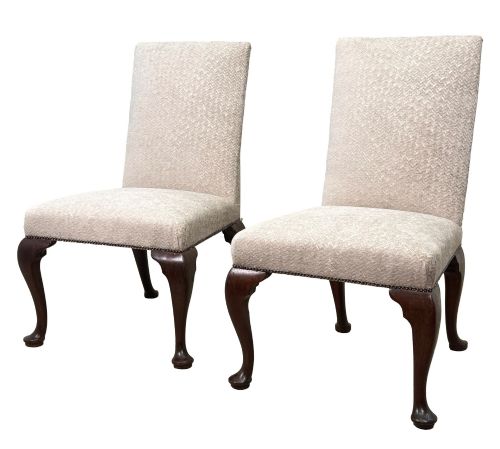
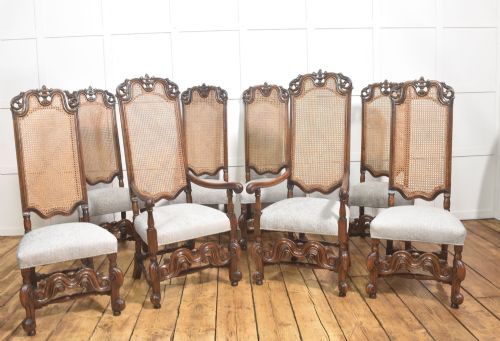
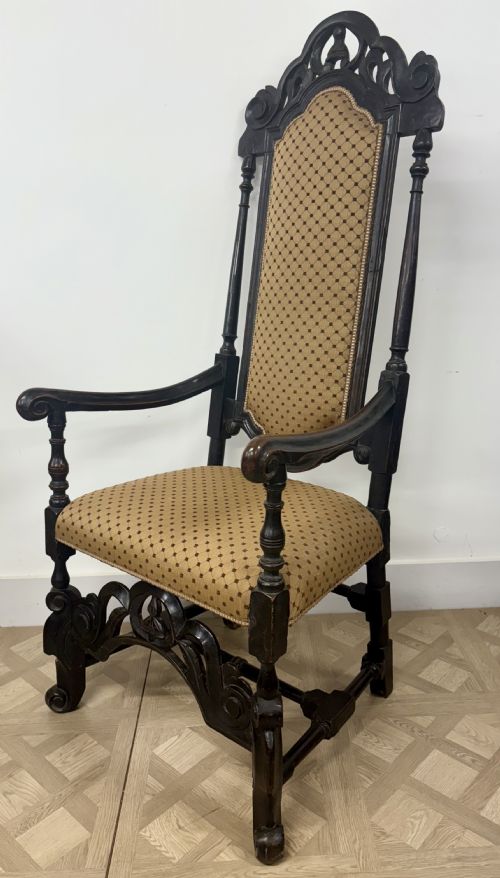
High back walnut chairs comprise dining sets, single armchairs, and parlor seating designed to command attention through elevated proportions and rich timber grain. When exploring high back walnut chairs, buyers encounter pieces originating from the seventeenth century onward, alongside later revivals inspired by earlier eras.
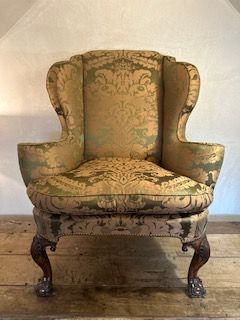
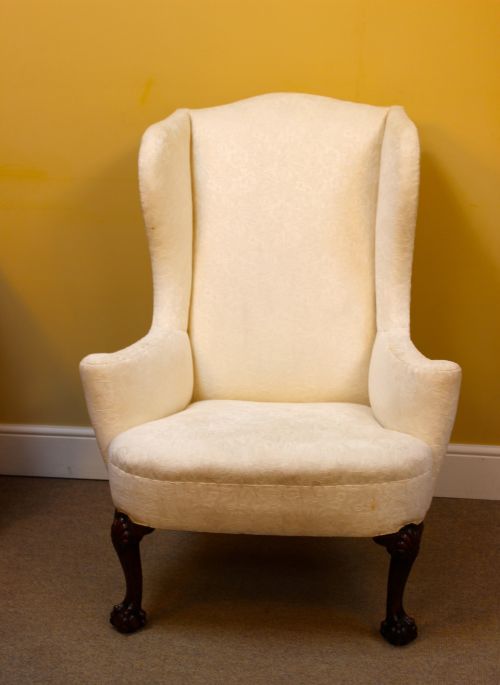
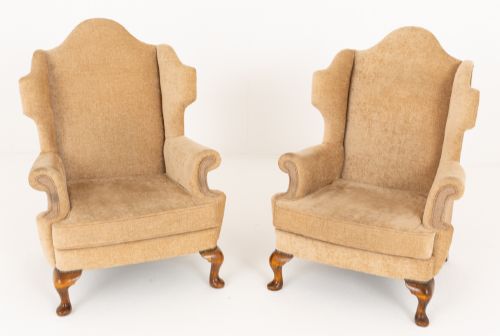
The selection ranges from robust dining sets intended for formal tables to individual wing armchairs and side chairs suited for corners or halls. The most frequent discoveries combine walnut frames with tall upright backs, often drawing upon Carolean, Queen Anne, or Victorian design traditions.
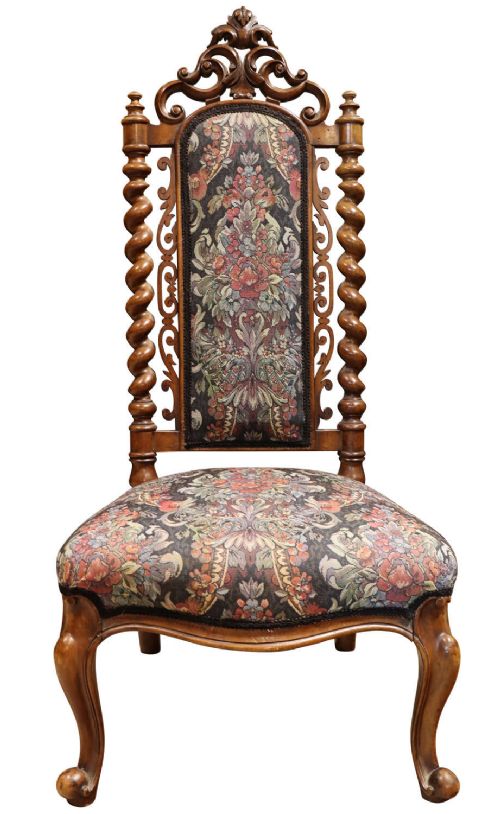
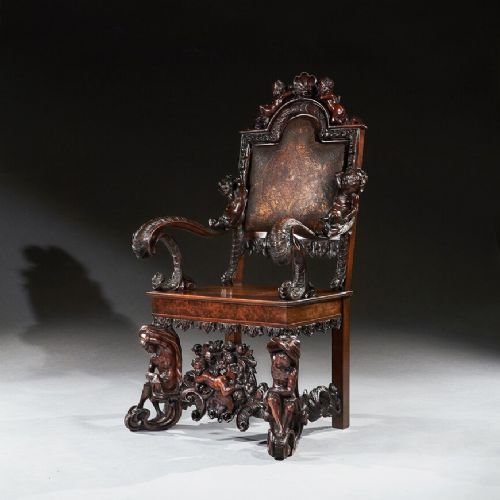
Craftsmanship adapts across periods, shifting from seventeenth-century austerity to the elaborate carving seen in nineteenth-century interpretations. Each piece reflects the aesthetic preferences of its time while retaining the foundational dignity inherent in dark wood construction.
Distinctions in craftsmanship
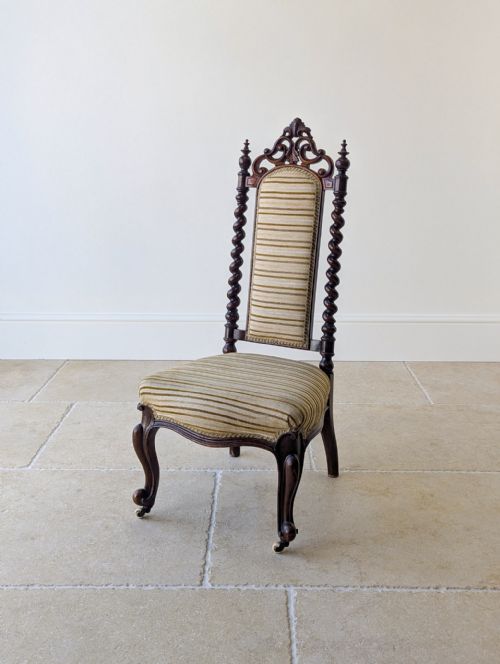
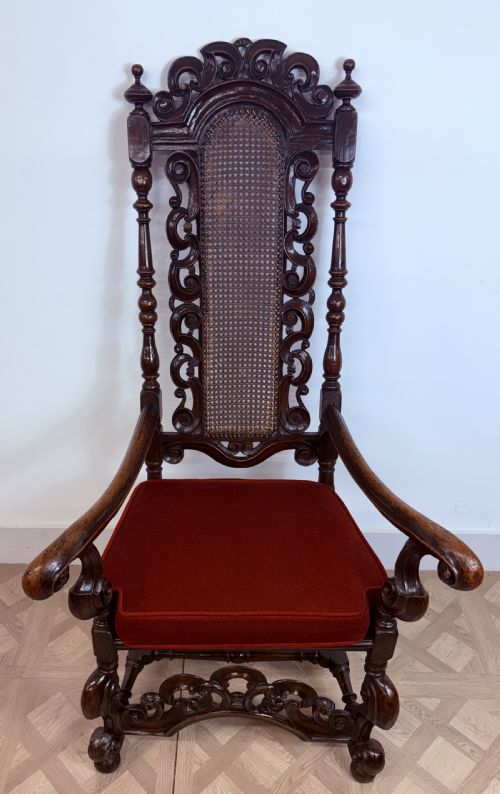
The standard of carving defines the upper tiers of these furnishings, separating mechanical reproduction from hand-chiseled depth. Superior examples display crisp relief work along the crest rails and terminals, where floral or scroll motifs retain sharp definition.
Proportional harmony dictates overall success, ensuring that tall vertical elements maintain structural integrity without appearing ungainly. The integration of secondary materials, such as tight cane weave or neatly fitted upholstery, further separates standard production from exhibition pieces.
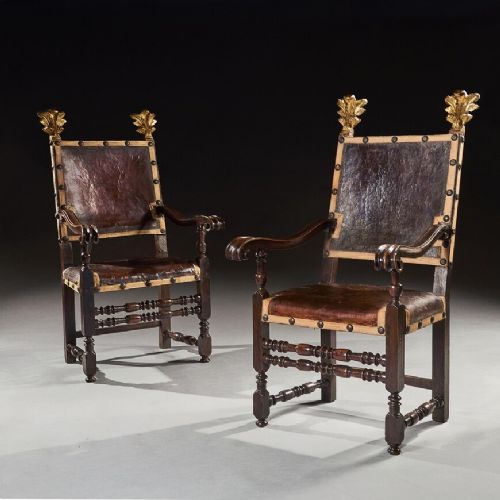
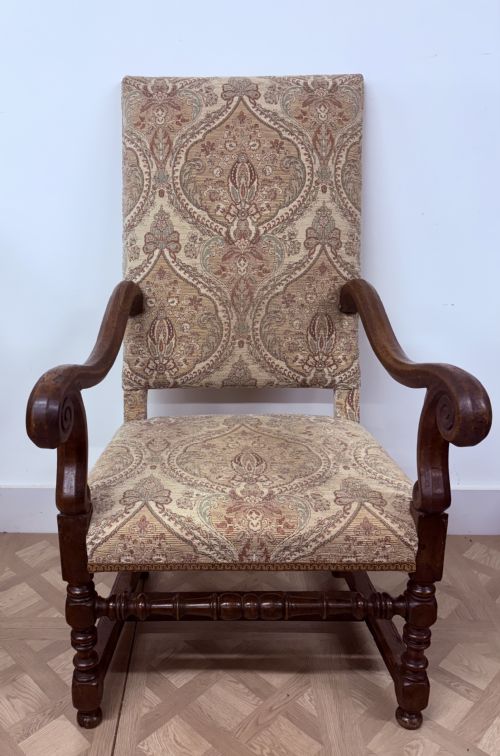
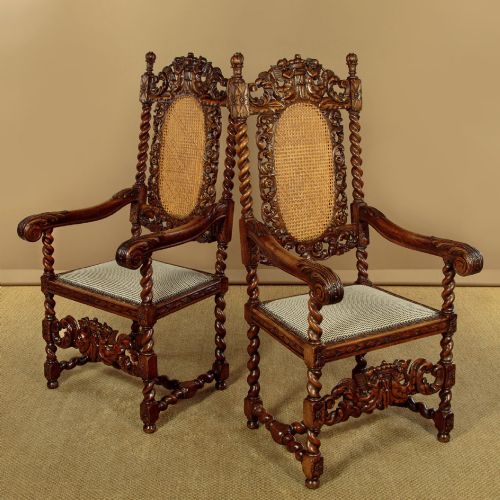
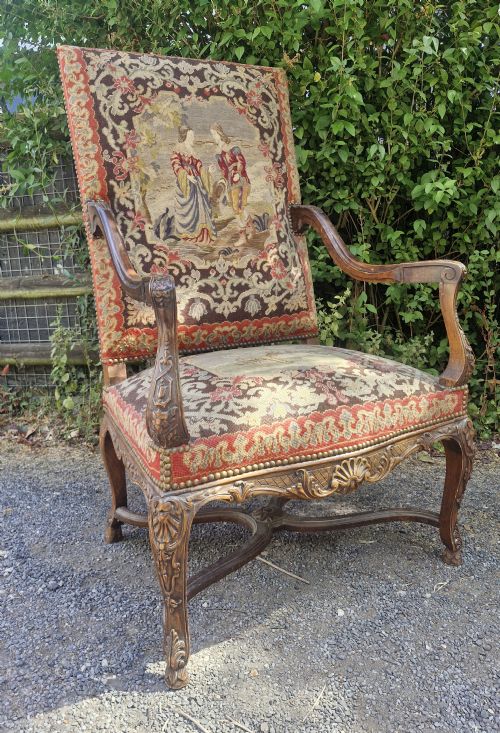
Listings feature walnut combined with cane, tapestry, and embossed leather across seventeenth and nineteenth century forms.
Howard And Sons
The High Back Walnut Chairs Glossary
- Carolean
- Pertaining to the reign of Charles II, characterised by exuberant carving, scrollwork, and rich upholstery. This style heavily influences seventeenth-century seating and later nineteenth-century revivals.
- Cane
- Strips of rattan woven into an open mesh pattern to form resilient seat and back panels. It lightens the visual weight of tall timber frames.
- Barley twist
- A turned wooden furniture leg or stretcher carved in a spiral resembling a twisted rope. This decorative turning appears frequently on seventeenth and nineteenth-century framework.
- Wing armchair
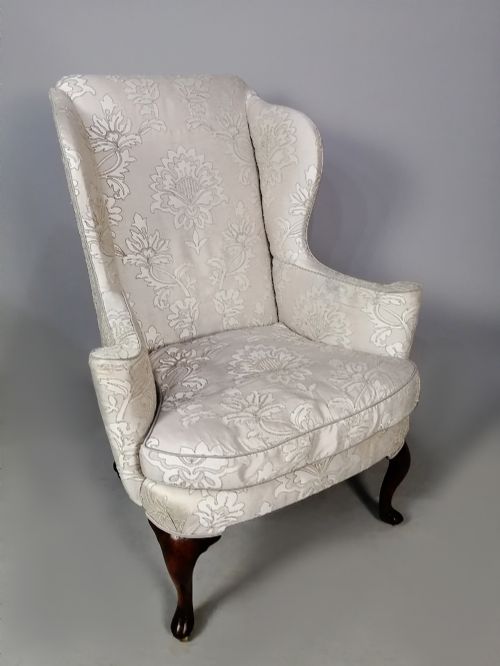
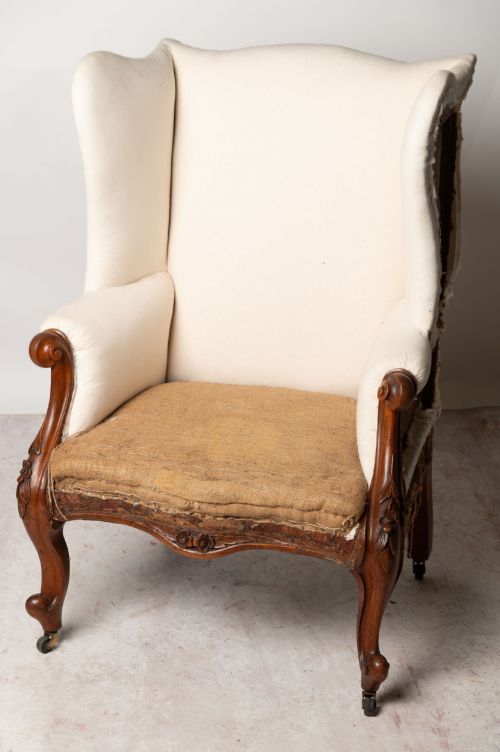
- An upholstered seat featuring protective side panels attached to the back to block drafts. These forms often appear in walnut during the Georgian and Victorian eras.
- Parcel-gilt
- Partially gilded with gold leaf or gold paint to highlight specific carved details against dark wood. This treatment emphasises crests and scrollwork.
High Back Walnut Chairs: Frequently Asked Questions
How do I identify seventeenth century pieces?
Seventeenth century examples rely on heavy joinery, distinct patination, and vernacular carving styles that predate later industrial standardisation. Examine the underside and joints for hand-cut pegs and signs of early tool use.
Comparing the timber density and the oxidation of the walnut helps confirm age. Authentic early pieces show consistent wear patterns and structural traditions specific to their origin.
Where should I place these chairs?
High back designs suit formal dining rooms, studies, or entry halls where vertical proportions balance empty wall space. Single armchairs anchor reading corners or firesides effectively.
Ensure adequate clearance around the tall frames so the silhouette remains visible. Pairing dining sets with compatible tables maintains historical context within a modern interior.
How do I care for walnut wood?
Maintain walnut frames by dusting regularly with a soft cloth and avoiding direct sunlight to prevent timber fading. Natural wax applied sparingly preserves the moisture and sheen of the grain.
Keep upholstered or caned elements away from excessive humidity to protect natural fibres. Gentle handling preserves the structural stability of older joints.
What distinguishes revival periods?
Revival items produced during the nineteenth century emulate earlier seventeenth or eighteenth century aesthetics using contemporary workshop methods. Stylistic cues like Carolean scrollwork or Queen Anne shapes reappear with distinct nineteenth-century finishing techniques.
Tool marks and hardware often reveal whether a piece dates to the original era or a later interpretation. Both categories hold distinct historical value for collectors.