


High Back Pew
A high back pew offers deep seating and draught-deflecting privacy, built for centuries of communal and domestic life.
High Back Pew
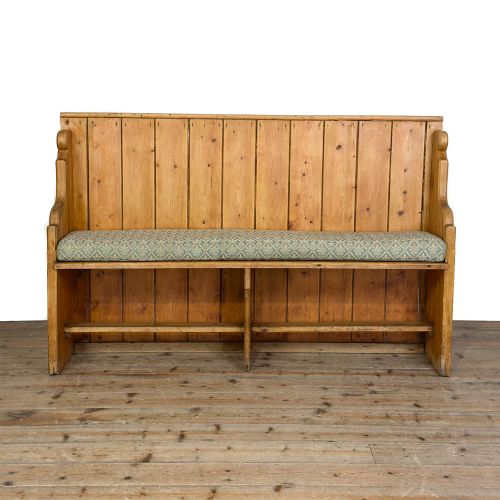
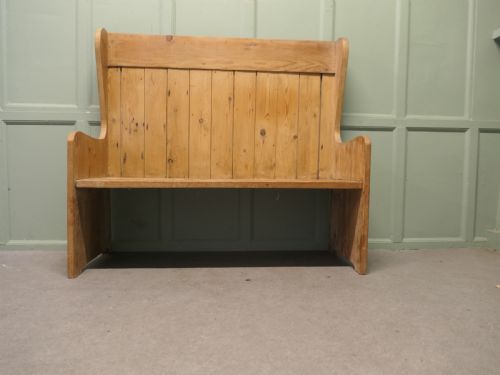
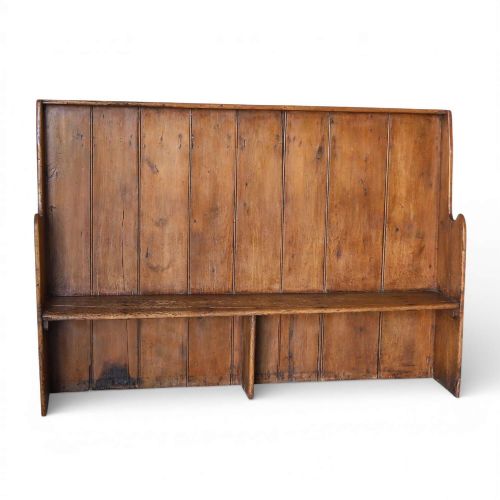
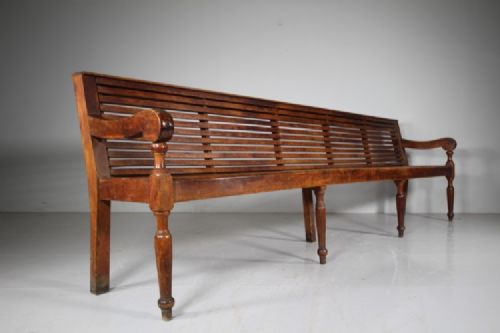
A high back pew is a sturdy wooden seating form designed to shield occupants from cold draughts in large halls, churches and rustic interiors. These pieces appear primarily as settles and benches spanning the eighteenth and nineteenth centuries, alongside Edwardian examples.
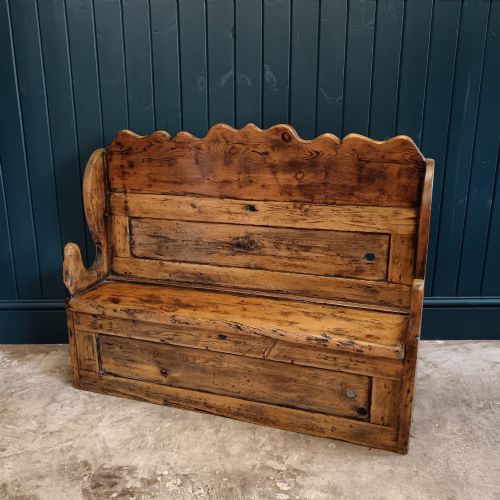
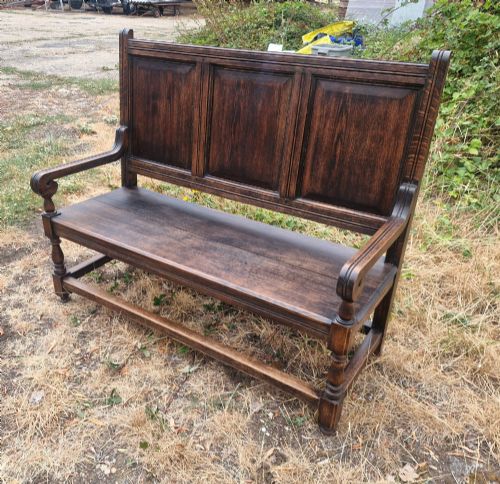
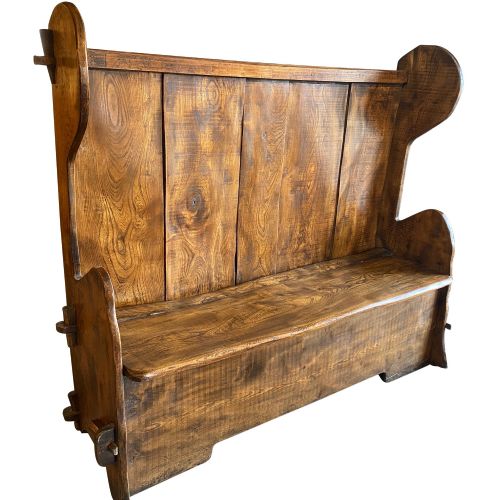
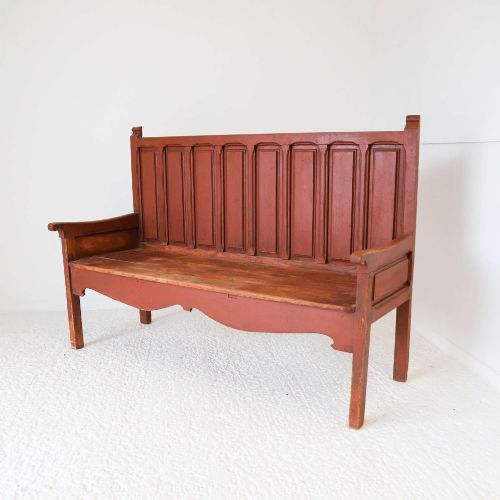
Most entries belong to the rustic country and farmhouse traditions, constructed from domestic timbers like pine, elm and oak. Formats range from panelled oak hall seats to painted tavern settles and box settles featuring integrated storage beneath the seat.
How they were made
Carpenters utilised solid timbers including oak, elm, pine, chestnut and walnut, joining large panels to form tall protective backs and enclosed bases. Construction methods rely on traditional joinery techniques suited to heavy daily use in public houses and domestic settings.
Surfaces receive various finishes, spanning waxed honey brown patinas, bleached chestnut, original paint layers and carved detailing. Certain pieces incorporate storage compartments or barrel backs designed specifically to trap heat around a fireside.
Listings span pine, oak, elm, walnut and chestnut, reflecting domestic and continental timber traditions across multiple centuries.
What varies in quality
Quality rests upon the selection of timber and the integrity of the original construction, whether dealing with a simple pine board bench or a heavily panelled oak settle. Substantial proportions and well-preserved timber patinas elevate certain examples above simpler utility seating.
The degree of original craftsmanship visible in carved panels, applied paint surfaces and integrated storage boxes distinguishes standard vernacular furniture from more elaborate regional or continental pieces.
The High Back Pew Glossary
- Settle
- A wooden bench with high back, solid arms and often a closed base providing storage. This form served to keep occupants warm near open hearths.
- Box settle
- A variant featuring a hinged seat opening to a storage chest underneath. It combined seating with practical domestic storage.
- Canopy
- An overhanging top structure attached to a high back bench. This addition trapped heat from fires and blocked severe draughts.
- Patina
- The surface sheen and colour developed by wood over long periods of handling and waxing. A rich patina indicates age and regular maintenance.
- Vernacular furniture
- Everyday objects made by local tradesmen using regional materials rather than following high-style academic designs. These pieces reflect local traditions.
High Back Pew: Frequently Asked Questions
Where were high back pews used?
These benches served in churches, public houses, large halls and farmhouse kitchens where draughts required physical blocking. Their tall backs provided privacy and warmth in busy communal spaces.
Domestic versions often stood near fireplaces to shield family members from cold air currents moving across stone or timber floors.
How do I identify an older settle?
Age reveals itself through construction methods, timber movement and the depth of the surface patina acquired through decades of use. Pegged joinery and hand-planed boards point towards earlier manufacturing periods.
Regional styles and the choice of native woods also help connect a piece to specific historic periods and geographic traditions.
Are these benches comfortable?
High back pews offer upright wooden seating designed for utility rather than cushioned lounging. Adding loose pads or sheepskins makes them practical for modern dining or hallway use.
Their deep seats and protective wings create enclosed spaces suited for sitting while reading or removing boots.
Can I use a settle in a hallway?
Slim hallway benches and narrow settles fit well in entrance spaces, providing a place to sit while offering hidden storage beneath the seat. Their tall backs protect walls from wear.
Selecting a piece with a box base adds functional storage for shoes and household items out of sight.