
High Back Carved Armchairs
High back carved armchairs bring formal presence and height to a room, ranging from seventeenth-century walnut frames to twentieth-century revivals.
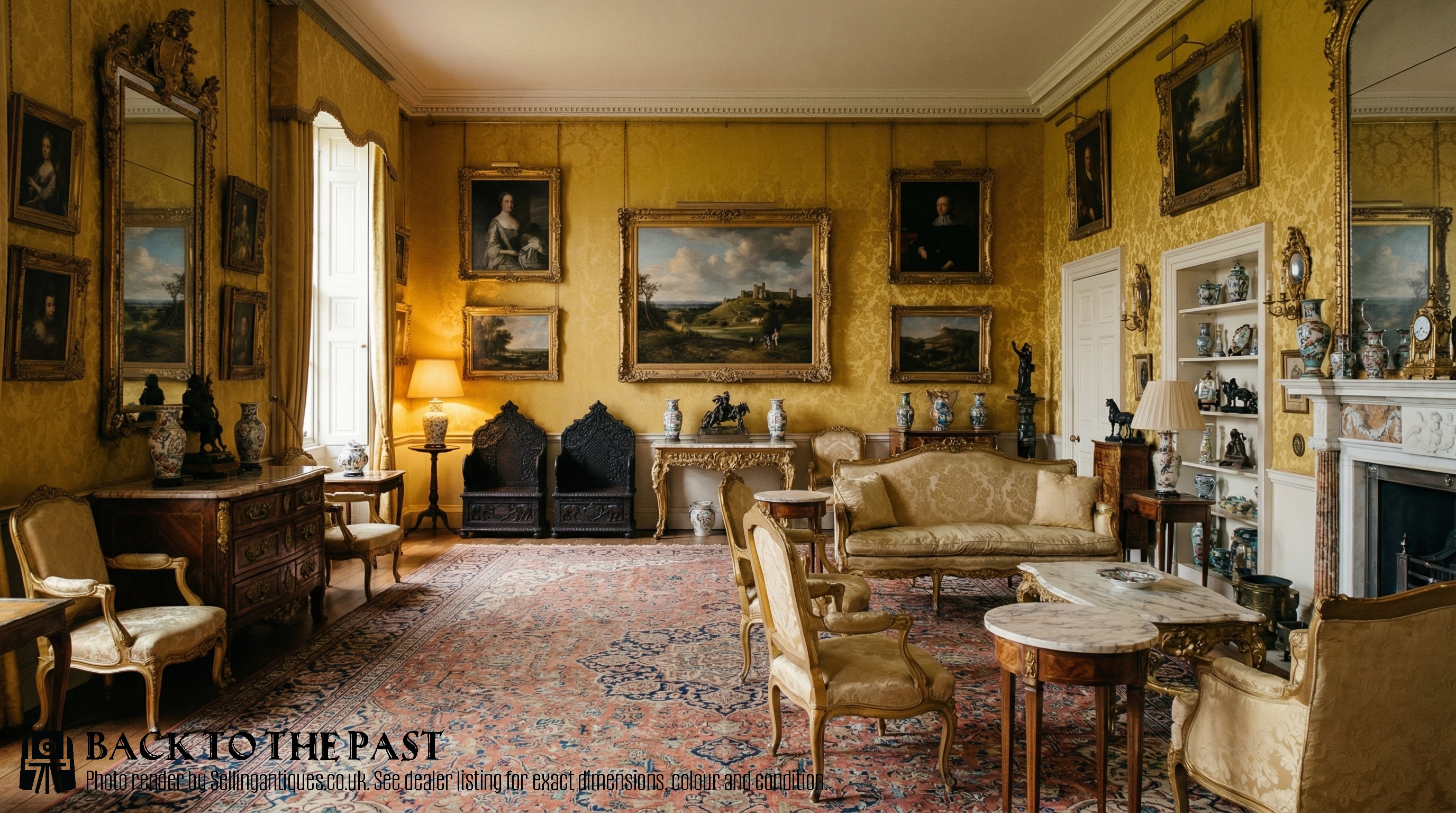
High Back Carved Armchairs
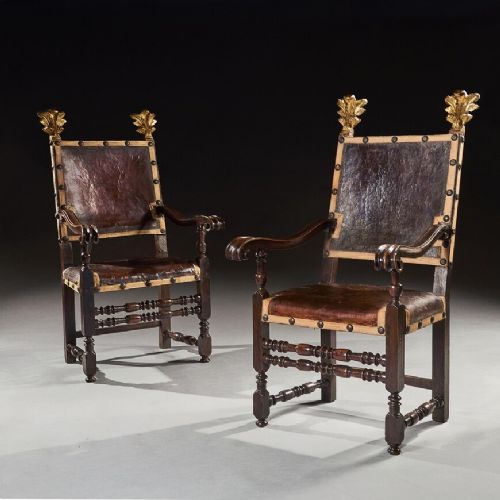
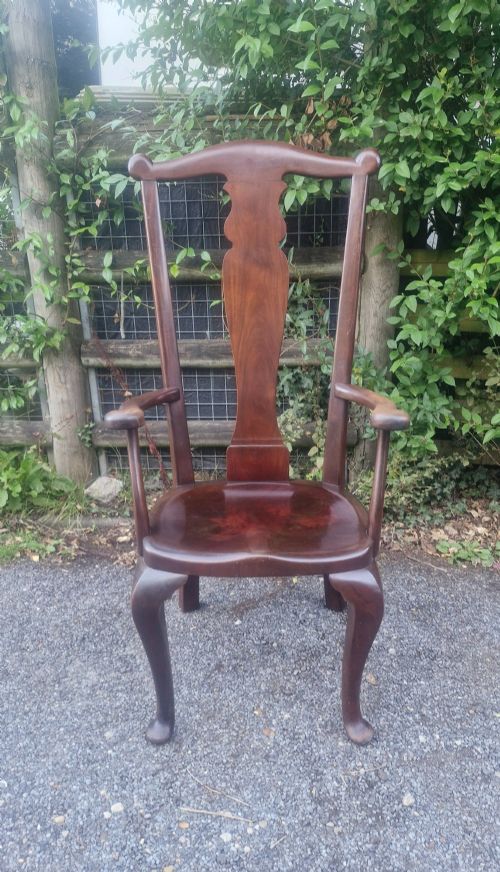
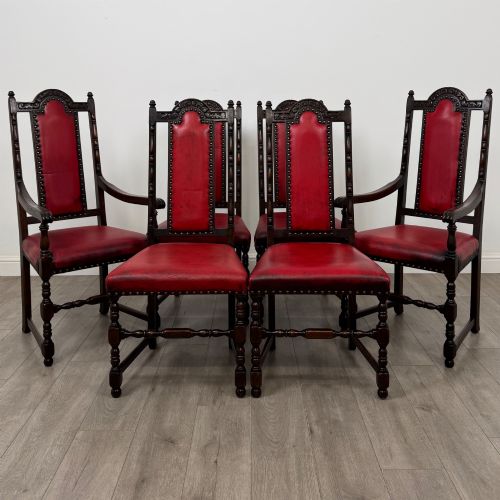
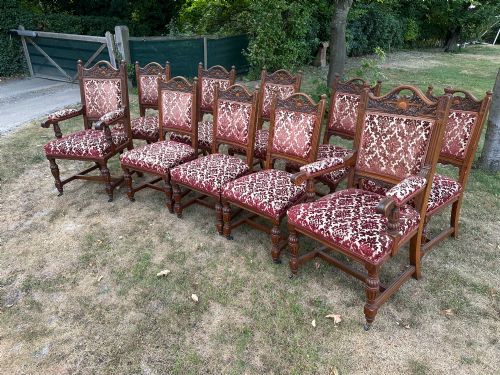
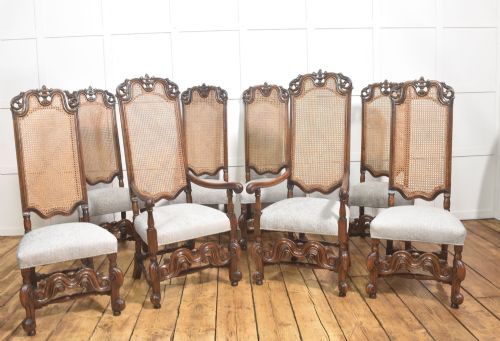
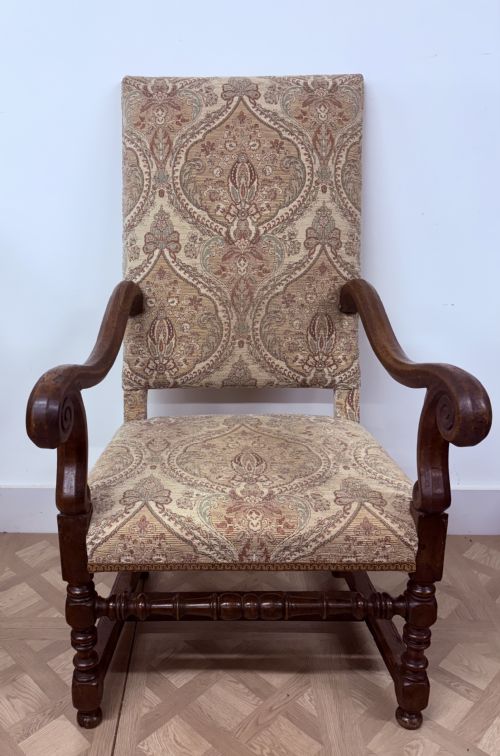
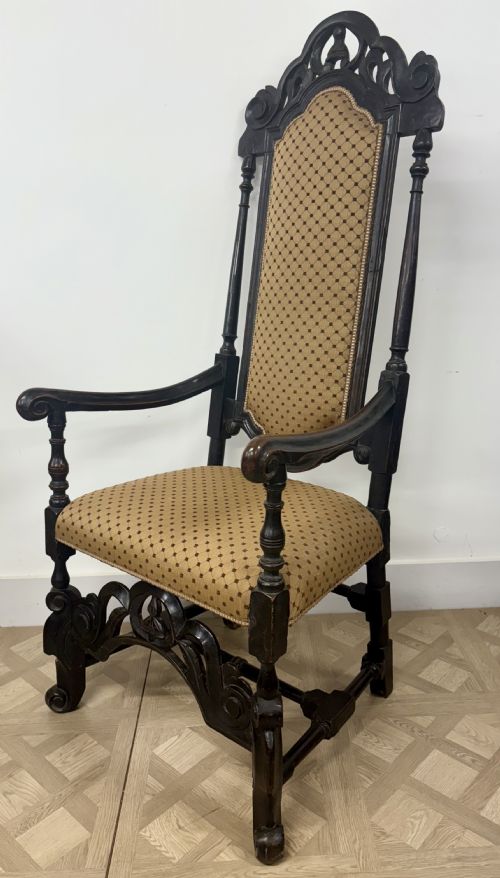
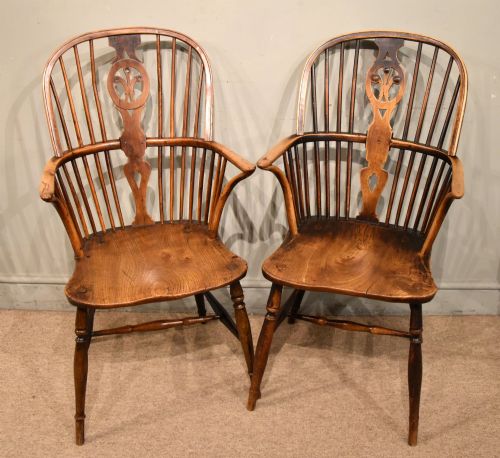
High back carved armchairs include seventeenth-century Italian, French, and English walnut pieces alongside eighteenth-century mahogany examples and later revival styles. Buyers encounter nineteenth-century interpretations of earlier Baroque and Carolean forms, as well as Edwardian oak and walnut dining and desk chairs.
Armchairs on this page serve distinct functions, from large library and desk seating to formal dining chairs and throne-like statement pieces.
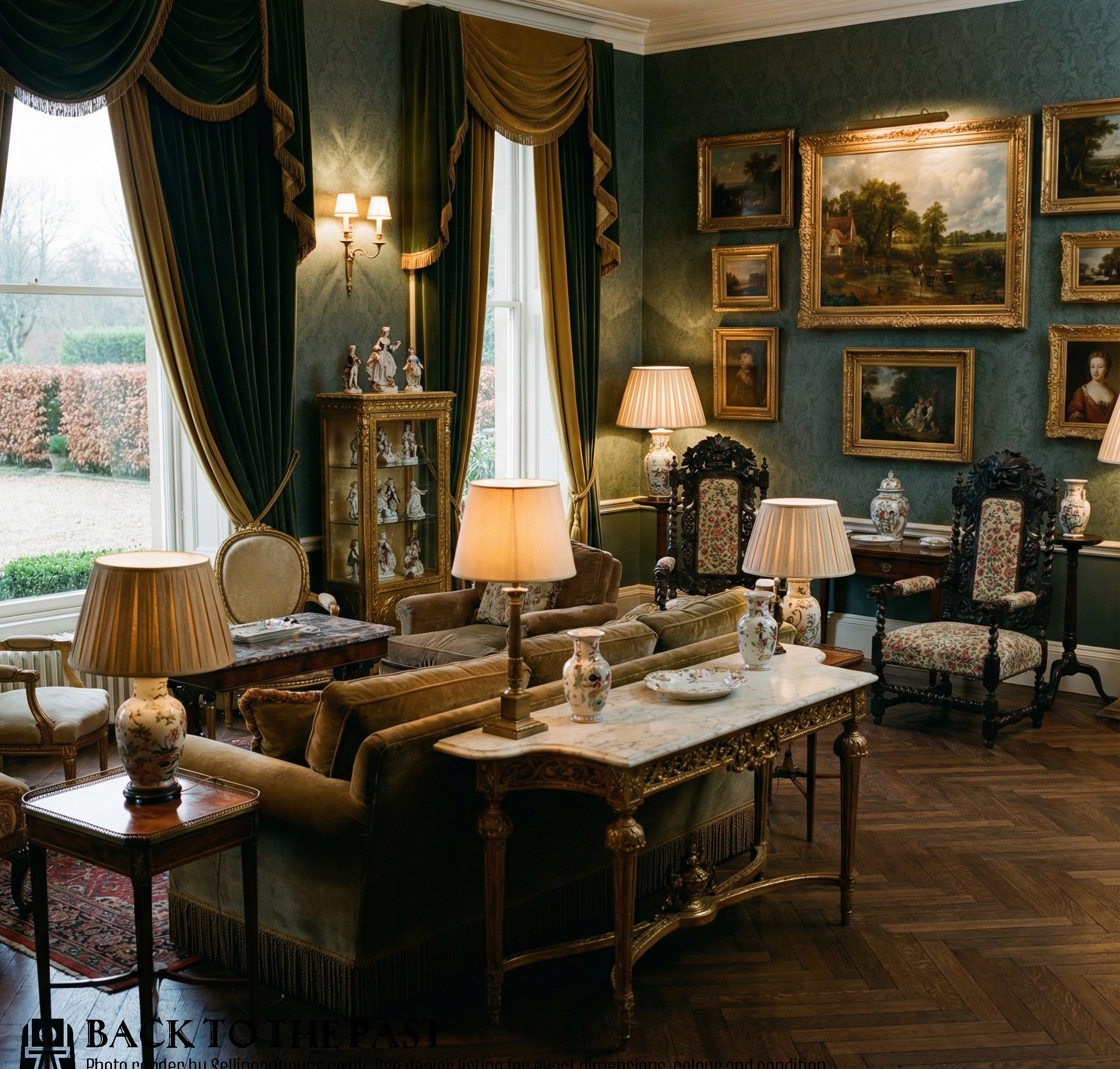
Assessing the pieces
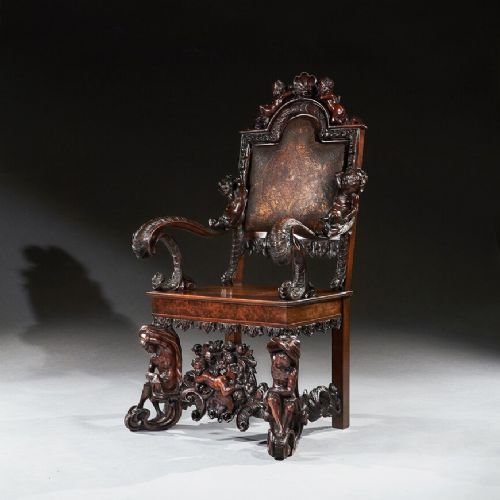
Quality rests upon the crispness of the timber carving and the architectural proportion of the high back. Exhibition pieces display intricate figural or botanical detail carved directly into dense hardwoods like walnut or blackwood.
The integrity of the frame construction and the authenticity of period materials dictate the standing of an armchair. Later revivals vary according to the depth of hand-carving and the quality of the timber selection.
The listings on this page span from the seventeenth century through the Edwardian period, utilising walnut, oak, mahogany, and elm.
The High Back Carved Armchairs Glossary
- Parcel-gilt
- Partially gilded with thin gold leaf over specific carved details. This technique highlights particular motifs against a dark walnut or painted wood base.
- Cane
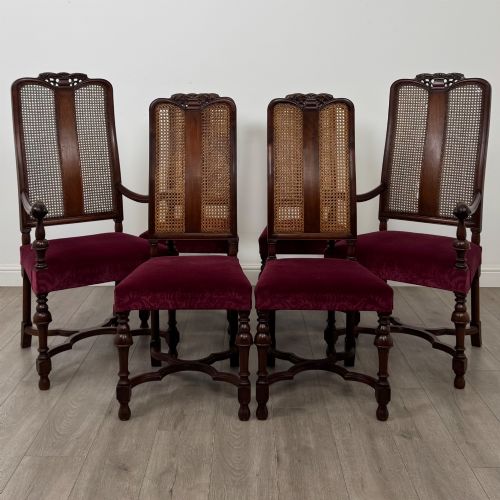
- Woven plant material used to form seats or high backs. It provides a lightweight, flexible panel within a solid wood frame.
- Giltwood
- Wood that has been coated with gold leaf or a gilt finish. It appears frequently on grand Baroque and throne-style seating.
- Fauteuil
- An open-framed armchair with upholstered armrests originating in France. The style became popular during the seventeenth and eighteenth centuries.
High Back Carved Armchairs: Frequently Asked Questions
How do I date a carved armchair?
Dating relies on timber species, joinery methods, and the style of the carving. Seventeenth-century examples typically use walnut or oak with heavy turnings, while later revivals copy these motifs with nineteenth-century machine or hand tools.
Examining the underside and wear patterns helps distinguish genuine period pieces from later revival items produced in the Edwardian era.
Where were high back armchairs placed?
Historically, high back armchairs stood at the head of a dining table or beside a fireplace to block drafts. Tall backs denoted status and kept heat trapped around the sitter.
Later variations served as desk chairs, library seating, or decorative hall chairs designed to impress visitors in an entryway.
Are these chairs comfortable for daily use?
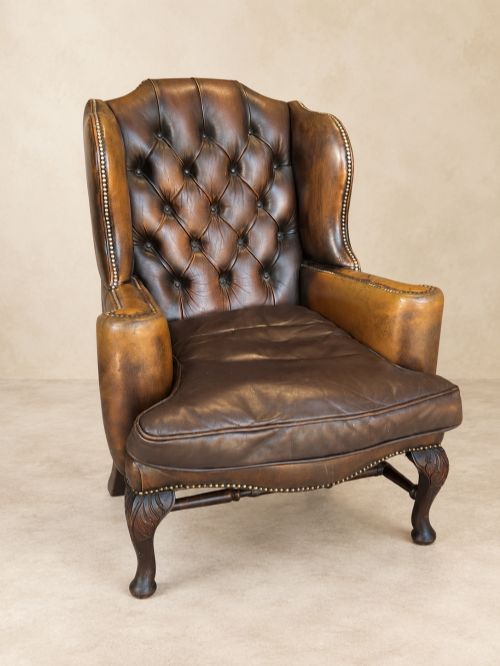
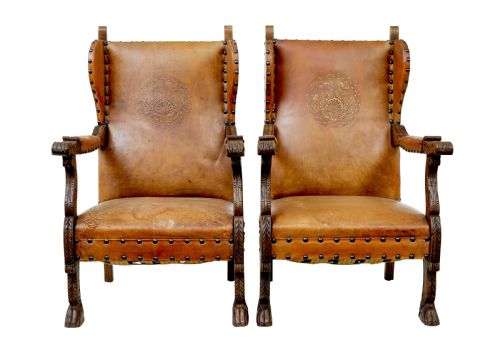
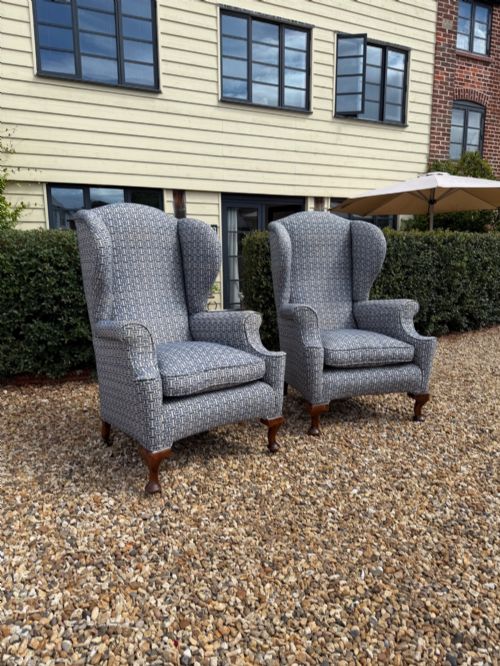
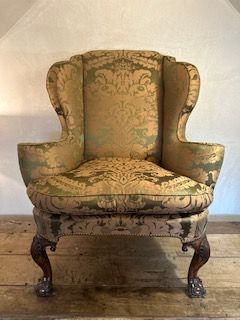
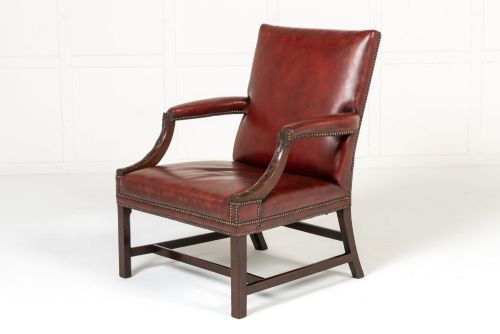
Comfort varies depending on the original purpose and the presence of upholstery. Winged and leather-upholstered armchairs provide substantial padding and support for lounging.
Stiff-backed dining chairs and carved wooden armchairs offer an upright posture suited for formal sitting rather than relaxing.
How should I care for leather and wood?
Wooden frames require occasional waxing to nourish the grain and protect the finish from drying out. Leather upholstery benefits from specialised conditioners that prevent cracking while preserving the original surface.
Keep antique chairs away from direct heat sources and strong sunlight to protect both the timber and the textiles.